Sep. 23, 2026
Customer name and certain commercial details have been changed to protect confidentiality.
Real talk for U.S. buyers sourcing birthday candles and party supplies: price is a bloodbath, compliance is the gate, and retail-readiness is the ticket. A 24-pack of birthday candles sells for $5.99 on Amazon. Temu goes lower. So if you’re trying to sell into the U.S., competing on price alone isn’t going to get you very far. What matters is what actually gets a product on shelf—and keeps it there.
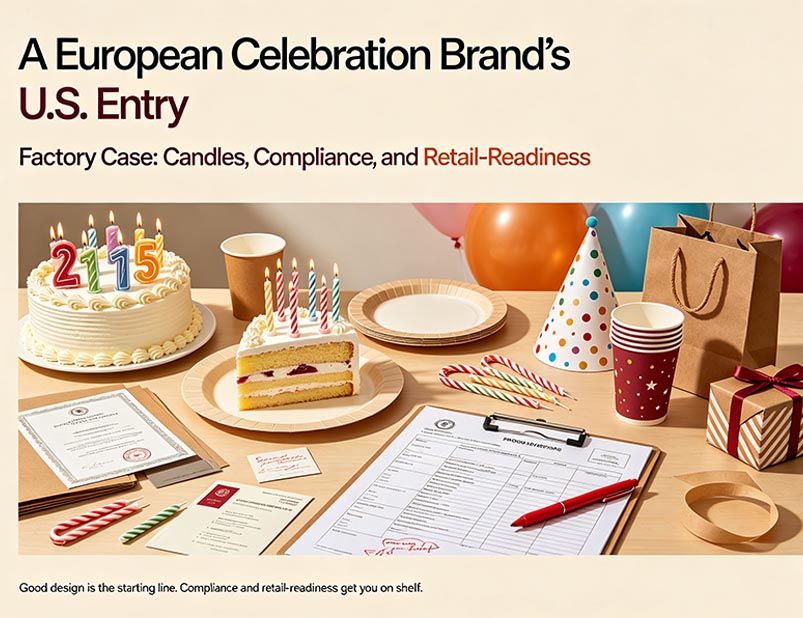
We just ran a full cycle with a European client. Let’s call her Lena. She runs a celebration brand in Europe. Her line covers number candles, spiral birthday candles, cake picks, paper plates, paper cups, napkins, balloons, party hats, and gift bags. She wanted to use a fall collection to enter the U.S. market through independent gift shops, Amazon, and a U.S. distributor.
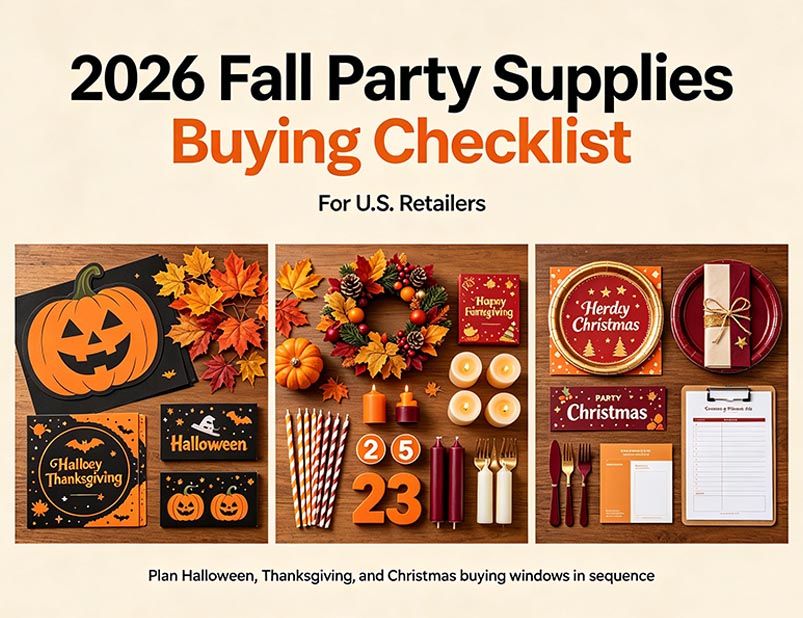
Her fall line wasn’t Halloween horror. It was fall birthday + Thanksgiving kids table + football tailgate. Pumpkin orange, burgundy, sage green, cream, and matte gold. The design direction was right. But the first samples hit a U.S. buyer’s desk and the problems showed up fast.
Here’s what we changed, and what we learned on the factory floor.
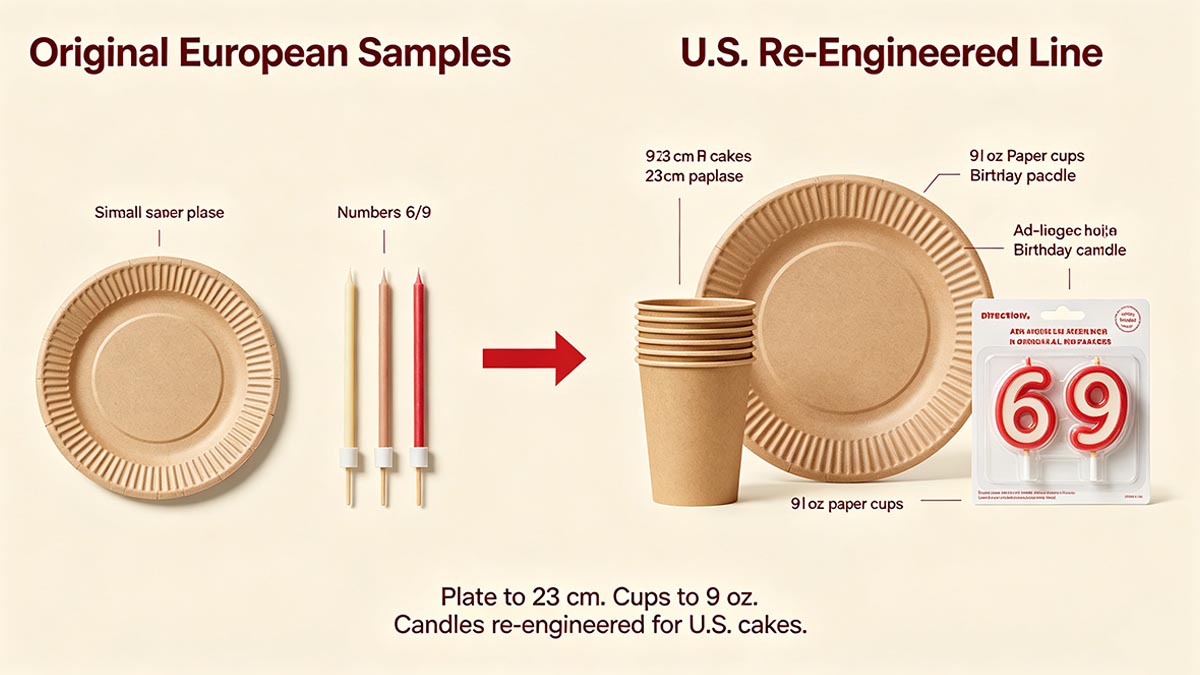
Lena’s original collection was built on European logic. That’s where the trouble started.
Paper plates were 18 cm. They worked for the cake sizes the brand was used to selling in Europe. Put a U.S. 9-inch cake on one, though, and ice cream ends up on the table.
Birthday candles were too thin and too short. On a 9-inch cake, they looked like toothpicks.
Number candles 6 and 9 had no orientation key on the base. The packaging had no insertion diagram. A 6 could easily be inserted upside down and read as a 9.
Gold foil number candles reflected badly in Amazon photos.
Balloons didn’t have the applicable CPSC choking-hazard warning.
Party hats, blowouts, and gift bags, if they’re intended for kids 12 and under, can trigger CPSIA requirements—CPC, third-party testing, and tracking labels, depending on the product and the applicable rules.
No UPC/GS1. The case pack was wrong. The Amazon FBA inbound got rejected.
The landed cost model assumed a straightforward duty rate. It wasn’t straightforward.
In Europe, good design can sell. In the U.S., good design is only the starting line. Compliance and retail-readiness decide whether you get on shelf.
Lena’s first instinct was to push for a lower FOB. We pushed back. A lower FOB doesn’t fix a plate that can’t hold a 9-inch cake, a balloon label that violates CPSC rules, or an Amazon inbound that gets rejected.
By the time her fall line was being planned, the U.S. tariff environment had already changed several times, making a simple FOB comparison increasingly unreliable. For a European-origin product, the final landed cost depended on the product’s HTS classification, applicable MFN duty, additional tariff measures, freight, brokerage, and other import costs. The price on the FOB sheet was not the price that reached the warehouse.
So we changed four things—none of them the price.
We re-tooled candle length and diameter. Burn time went from 5 minutes to 8–10 minutes—enough to sing, take photos, and cut the cake. We verified the wick construction and the applicable lead-content requirements. We tested to ASTM F2417 for burn stability and self-extinguishing behavior.
Here’s the factory detail most suppliers won’t tell you: every number candle is individually tooled. No shared molds. A 6 and a 9 are not the same mold flipped upside down. They are two separate tools, with their own base geometry, height, and insertion orientation. We adjusted all of it. That’s why the 6 and the 9 both read correctly on a cake—not just one of them.
Paper plates went from 18 cm to 23 cm. Cups to 9 oz. Napkins to 33 cm. Plates and cups were tested against applicable FDA food-contact requirements, including 21 CFR 176.170 where applicable. Balloons got the applicable CPSC warning: choking hazard—uninflated or broken balloons. Children under 8 years can choke or suffocate. Adult supervision required.
Not every SKU is a children’s product.
Party hats, blowouts, and gift bags, if intended for children 12 and under, can trigger CPSIA requirements—CPC, third-party testing, and tracking labels, depending on the product and the applicable rules. Birthday candles, paper plates, paper cups, napkins, balloons, and adult-oriented décor are treated as general use products. Where they fall under applicable CPSC rules, the path is a GCC—General Certificate of Conformity—based on a reasonable testing program. Tracking labels are primarily a children’s product requirement. You don’t slap them on every adult decoration just to look compliant.
A lot of factories take the “easy” route and treat everything like a children’s product. Cost goes up, the regulatory citations are wrong, and the eFiling data submitted is wrong too.
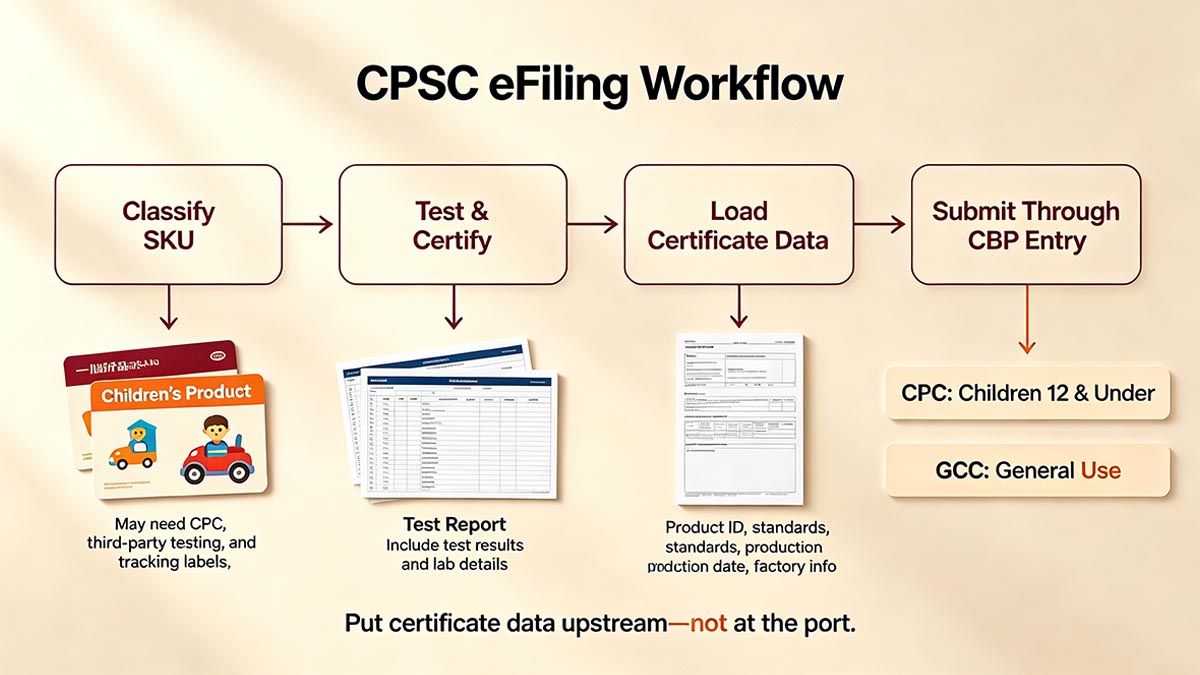
Since July 8, 2026, importers of most consumer products subject to CPSC certification requirements have to eFile certificate data through the CBP entry process. It is not a blanket rule for every SKU. But for affected products, don’t assume a low-value shipment gets a free pass.
For every affected SKU, we put the certificate data—Product ID, citation codes, production date, factory information, test date, lab information—into our ERP before the bulk run started. At customs entry, it’s submitted directly. No last-minute scrambling at the port.
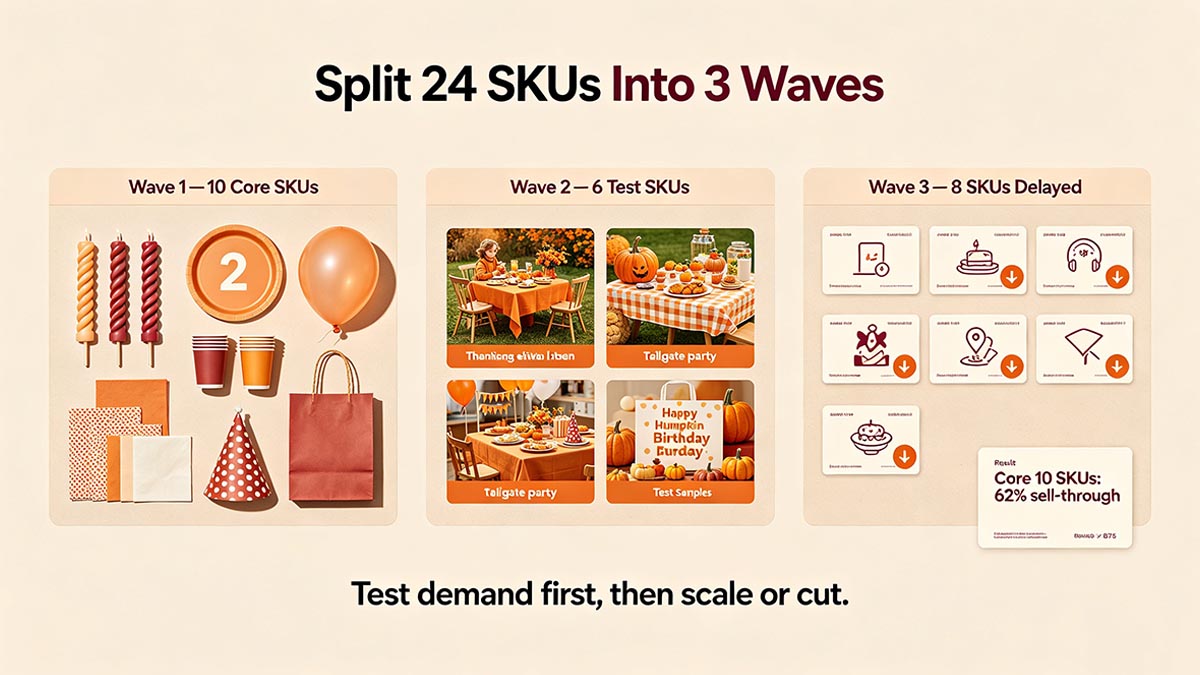
Lena originally planned 24 SKUs in one container. We split it into three waves:
Wave 1: 10 core SKUs—fall birthday number candles, spiral candles, plates, cups, napkins, balloons, party hats, gift bags.
Wave 2: 6 test SKUs—Thanksgiving kids table, tailgate party, pumpkin birthday themes.
Wave 3: 8 SKUs delayed—scale or cut based on Wave 1 sell-through.
For a seasonal U.S. launch, this gave the distributor a way to test demand before committing to the full assortment.
First run, the 6 and 9 shapes were fine. Each number is individually tooled. But the base had no orientation key, and the packaging had no insertion diagram. During pre-shipment inspection, we put the 6 on a cake, flipped it, and it read as a 9.
A U.S. consumer won’t give you a second chance. The Amazon review writes itself: “Received a 9, not a 6.”
We pulled the batch, re-tooled the base with an orientation slot, printed an insertion diagram on the front of the packaging, shipped one week late, and discounted the affected units. Her distributor accepted it because the problem was put on the table before the container hit the water—not after.
Lesson for U.S. buyers: ask your party supplier whether number candles 6 and 9 have an orientation key, and whether the packaging shows how to insert them. Don’t rely on renderings.
Three months after the first container landed, Lena’s fall line was selling through in independent gift shops:
Core 10 SKUs: 62% sell-through.
Thanksgiving kids table set: reordered 3 times.
Test 6 SKUs: 4 reordered, 2 cut.
Wave 3’s 8 SKUs were never produced—saving one container’s worth of inventory risk.
What worked wasn’t a lower price. It was: U.S. spec, compliance classification, eFiling readiness, retail-ready packaging, staged launch, and transparent landed cost.
1. Have the candles been re-engineered for a U.S. 9-inch cake?
What’s the burn time? Are the wicks lead-free? Is there an ASTM F2417 report? Children’s candles also need CPC and third-party lab testing.
2. What is your CPSC eFiling workflow?
Which SKUs require CPC, and which require GCC? Can certificate data be submitted through the CBP entry process before arrival? Since July 8, 2026, there is no “fix it at the port” option for products subject to the requirement.
3. Do plates and cups have FDA 21 CFR 176.170 food-contact reports?
How is Prop 65 handled where applicable?
4. Is the packaging retail-ready?
UPC/GS1, case pack, ASN/EDI, Amazon FBA inbound—can it pass without rework?
5. Can you show a line-item landed cost model?
HTS classification, applicable MFN duty, other trade measures, brokerage, testing, and retail margin. Tariff policy moves fast. As of September 2026, the Section 122 10% temporary import surcharge expired on July 24, 2026. That does not mean landed cost became simple. The applicable rate still depends on HTS classification and current trade measures. Your contract should include a mechanism for handling tariff changes.
Birthday candles and party supplies look like low-ticket commodity products. In reality, they’re a compliance and retail-readiness business. European design is an advantage. But the U.S. market doesn’t pay for pretty samples. It pays for products that get on shelf, sell through, and reorder.
One more thing from the factory floor: if your supplier is sharing molds across different numbers, that’s a red flag. A 6 and a 9 are not the same shape. If a supplier is using shared tooling, ask how they’re controlling orientation and readability. You’ll find out at the Amazon review stage—or at the customs review stage. Either way, it’s too late.
The factory should be in the conversation before the first sample is cut—not after the first container is booked.
Kelaisi Candle has manufactured candles and party supplies since 1991, with facilities in Xingtai and Shijiazhuang, Hebei. We support international buyers with social-compliance, product-testing, and quality documentation covering requirements such as BSCI, SEDEX, CE, RoHS, EN71, and ASTM F963, where applicable.
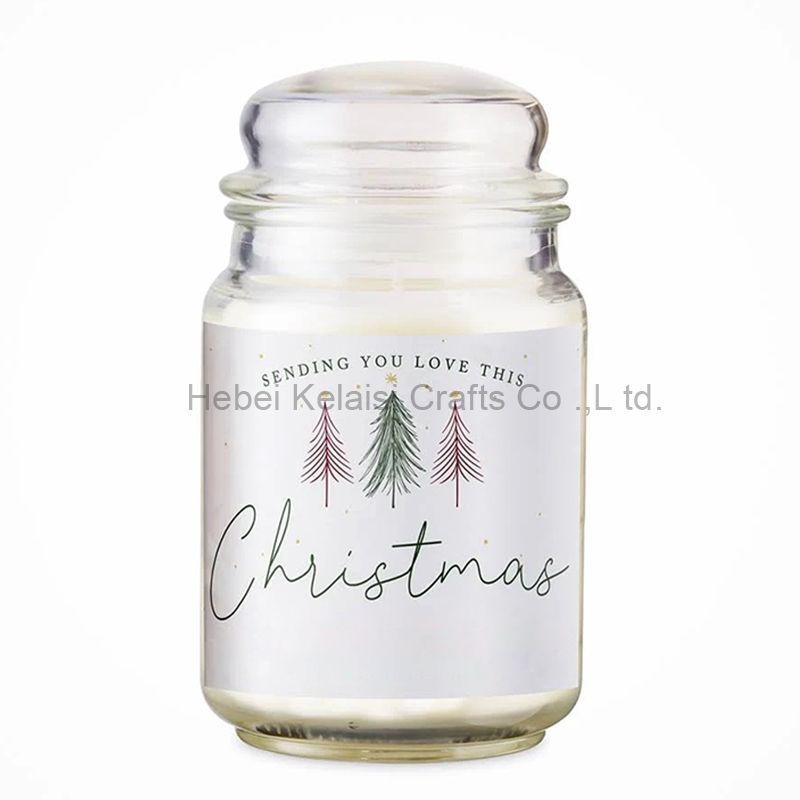 Big size decorative scented candle
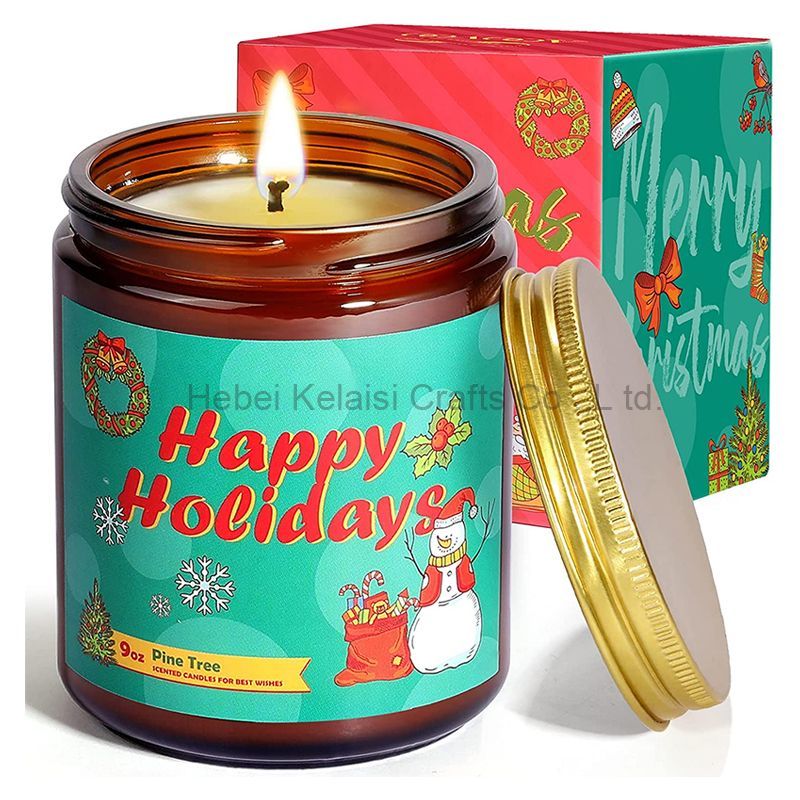 Christmas Scented Candles Gifts Sets for Women
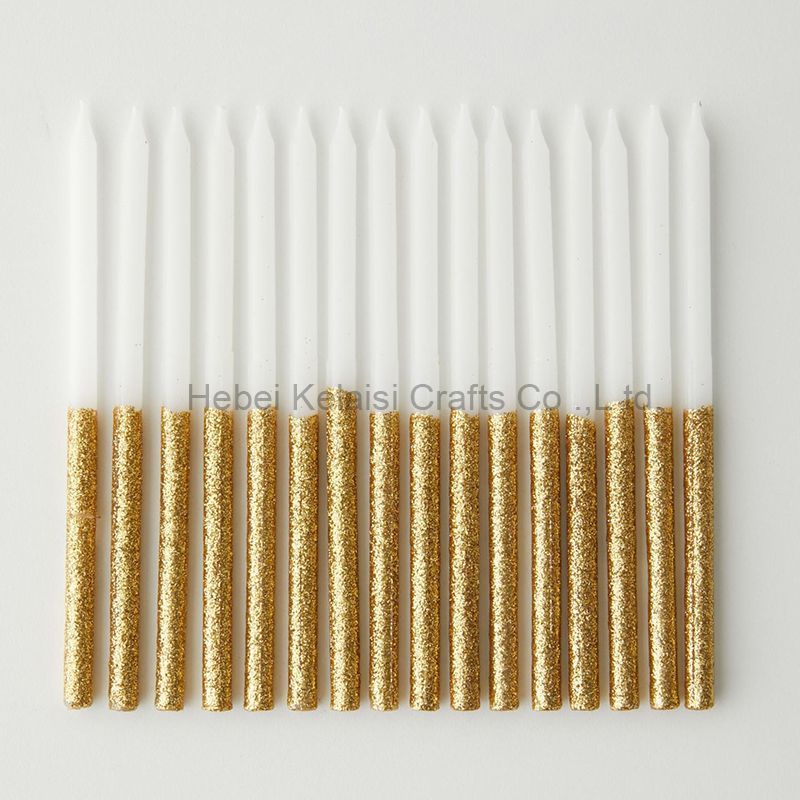 happy birthday long thin glitter cake candles
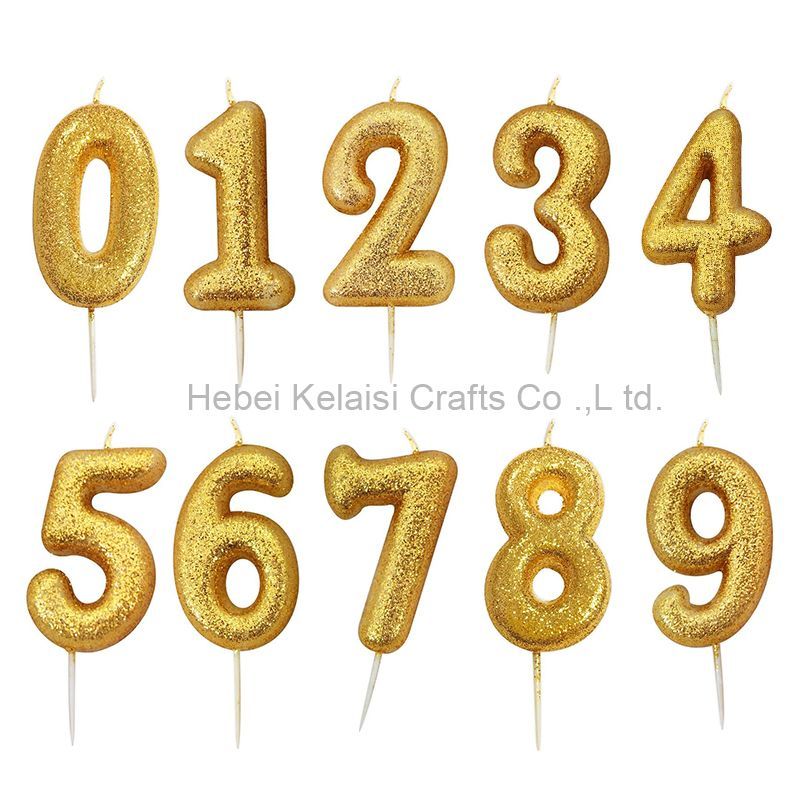 Luxury Golden Birthday Number Candle Sets
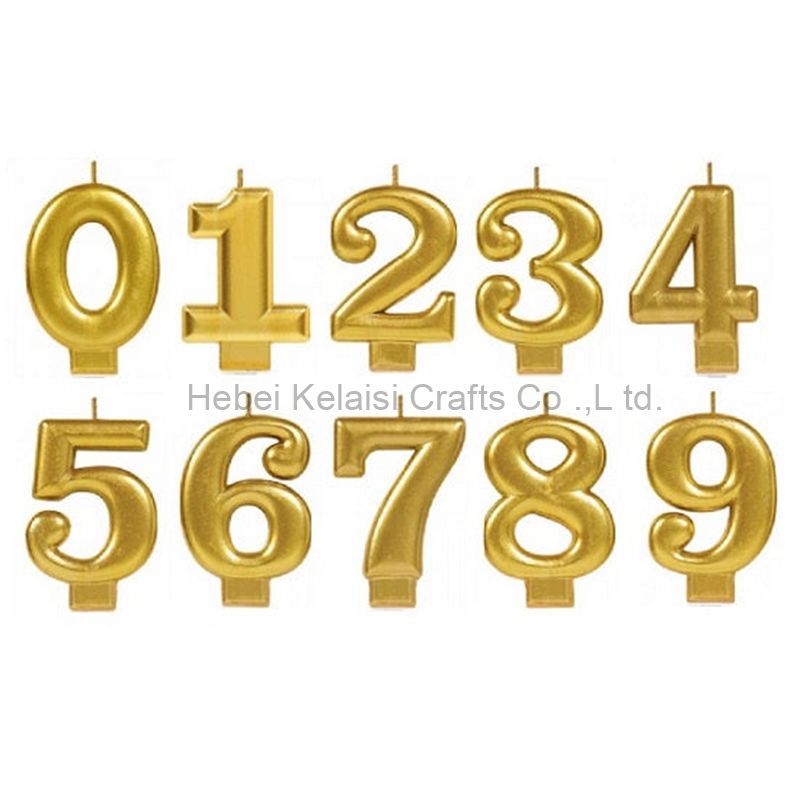 Fancy cake decoration number annual birthday candle
 Gradient color Soy Wax Glass Jar Scented Candle
 Origami Style Vertical Pattern Wine Glasses Jar Candles
 Custom Mini Glass Jar Scented Candle
 3D Letter Happy Birthday Candles
 Decorative Birthday Candles
 St. Patrick's Day Decorations Set
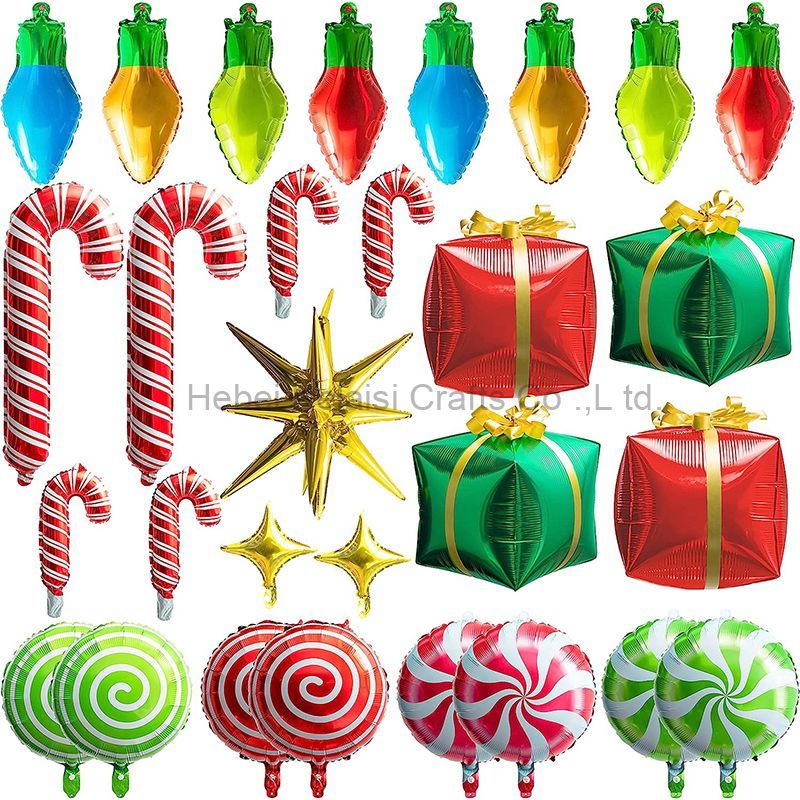 Christmas Party Balloons Supplies