Jul. 03, 2026
Most buyers underestimate the candle market. That mistake is getting more expensive every year.
Multiple research firms published updated candle market reports in early 2026. The numbers vary. The direction is consistent. The candle market is no longer a low-growth category. It is quietly outperforming broader consumer goods.
Here is what the data shows. Here is where most reports get it wrong. Here is what it means for anyone sourcing candles at retail volume.
The Numbers
The global candle market is larger than most sourcing professionals assume.
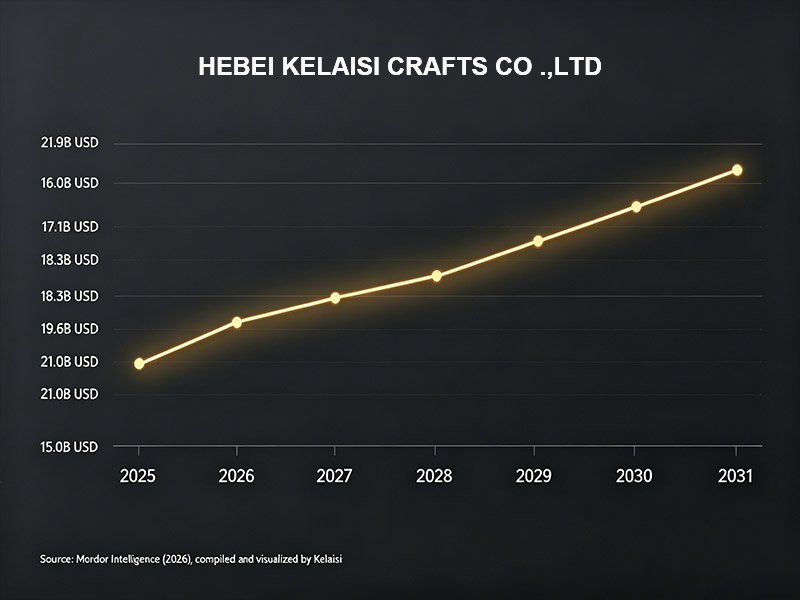
Mordor Intelligence: USD 15.0B in 2025 → USD 21.9B by 2031, 6.8% CAGR.
Global Market Insights: USD 21.3B in 2025 → USD 32.5B by 2035, 4.5% CAGR.
360iResearch and GII Research: USD 8.56B in 2025 → USD 13.13B by 2032, 6.30% CAGR.
Fortune Business Insights and GII: USD 8.98B in 2025 → USD 16.42B by 2034, 7.06% CAGR.
The Business Research Company: USD 10.29B in 2025 → USD 14.62B by 2030, 7.2% CAGR.
Renub Research: USD 12.8B in 2025 → USD 21.85B by 2034, 6.12% CAGR.
Different firms, different numbers. Same direction.
Every major research firm agrees: the market is expanding. The variation comes from different definitions — household candles, religious candles, commercial use. But the direction is the same across every report. This is not slowing down.
Not one report shows a slowdown. The debate is only about how fast — not whether.
Most buyers treat this as a stable, low-growth category. That is a mistake.
Where Demand Is Coming From
Home décor spending is rising. In 2024, Americans spent USD 1,598 on home décor. Millennials spent 23% more than Baby Boomers. Candles are becoming a core category, not an accessory.
Wellness spending is transforming the category. The scented candle segment was valued at USD 4.32B in 2025. It is projected to reach USD 5.84B by 2030 at 6.2% CAGR. Stress-related lifestyle changes drive demand for fragrance-based products. People are self-medicating with scent.
Product innovation is pulling prices up. The premium segment is forecast to expand at 11.3% CAGR through 2031. Unique shapes, artistic designs, multi-functional candles — this is where growth is concentrated.
E-commerce is opening new channels. Online retail is projected to grow at 8.2% CAGR through 2031, outpacing traditional retail. The old distribution model is cracking.
What We Are Actually Seeing
Beyond the reports, here is what is happening in production.
Three years ago, our average order for standard white birthday candles was 50,000–100,000 units per SKU. Today, that number has dropped. Total volume has not. What changed is the number of SKUs per order.
A typical order in 2023: two SKUs, 150,000 units total.
A typical order in 2026: six SKUs, 180,000 units total.
More variety. Same volume. Tighter production windows. This is a structural change in how retail buyers purchase candles.
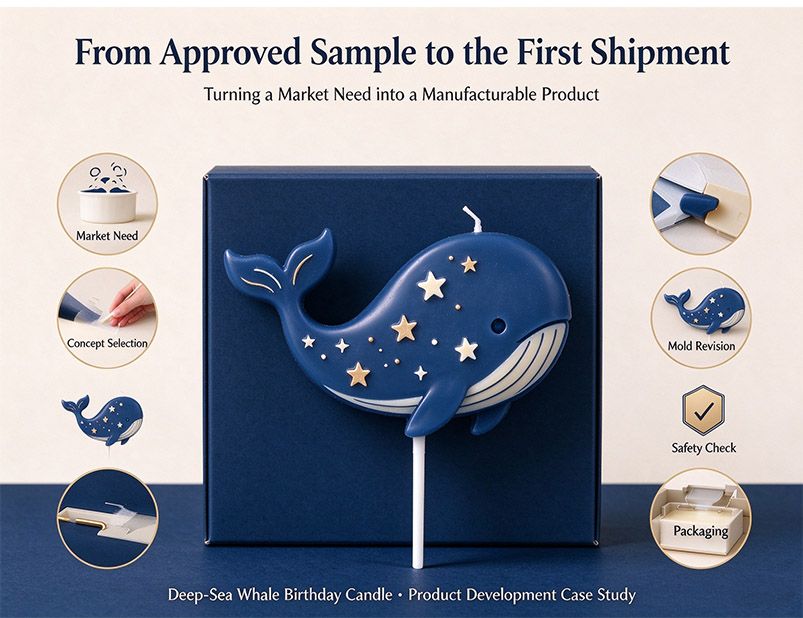
Customization requests have increased 40% over the last 18 months. Number candles, themed colors, specific packaging — these are no longer "special orders." They are becoming the baseline.
This shift is not consumer-driven in the way reports describe. It is buyer-driven. Retailers test more SKUs because variety sells. One SKU at 500,000 units is replaced by ten SKUs at 50,000 units each. Total revenue is higher. Margin per unit is higher. Complexity for the manufacturer is higher.
Most suppliers are not equipped for this complexity. Factories that manage multi-SKU production are gaining share. Those that cannot are squeezed on price for plain-candle orders. That squeeze is structural.
Production schedules are tightening. Peak season capacity is now booked 20–30% earlier than in 2022. Buyers who wait are losing access to production slots entirely.
The Region That Matters Most
Asia-Pacific held 37.5% of global revenue in 2025. It is forecast to grow at 8.5% CAGR through 2031. This is where manufacturing is concentrated. This is where consumer demand is rising fastest.
Europe holds 30%. North America is a major market — the US alone generated USD 4.1B in candle sales in 2025.
Most buyers see Asia-Pacific as a low-cost production base. That view is outdated. The fastest-growing region is also the lowest-cost base — a rare combination that will not last forever.
Supply is tightening faster than most buyers realize. Capacity is already tightening. Buyers who wait will pay more — and may not find capacity at all.
This is already happening in production schedules right now.
The capacity window is narrower than most buyers assume.
The Shifts That Matter
Premiumization is real. Consumers are spending more on better aesthetics, better packaging, better fragrance. Candles are no longer a price-driven category. Buyers who source only on unit cost will find their assortment outdated.
Sustainability is becoming a requirement. Environmental and health concerns around paraffin wax are driving consumer preference toward natural wax alternatives. Buyers should expect suppliers to offer cleaner-burning options.
Here is where people get it wrong: they treat this as a consumer preference trend. It is not. It is a compliance shift. European product safety and chemical labeling rules have raised the entry bar. Suppliers without full certifications will lose EU market access. This is already happening.
This shift is irreversible.
Where Most Reports Get It Wrong
Most market reports treat premiumization and sustainability as separate trends.
They are not.
The shift to natural waxes and premium packaging is driven by the same retail dynamic: retailers are compressing their supplier base and asking each one to do more. A buyer who sourced plain candles from one supplier and premium candles from another now asks one supplier to do both.
This is not consumer preference. It is supply chain consolidation.
Most reports treat demand as the driver. Based on what we see in production, the driver is retail efficiency. Retailers want fewer suppliers. They want more from each supplier. That is pushing product lines upmarket.
This changes how you evaluate a supplier. If this were consumer-driven, any factory could pivot. If it is supply chain consolidation, surviving factories must handle complexity, compliance, and volume simultaneously.
Most suppliers cannot. Most buyers are not asking the right question yet. They ask "can you make this candle." They should ask "can you make this candle, and twenty others, at the same quality, on the same timeline, with full compliance."
That is a different conversation. That is where the market is going.
What Buyers Are Missing
The market is expanding. Demand is increasing. Rules are changing.
Price-only sourcing will lose margin. Premium is growing faster than mass-market. Price-only buyers are losing shelf space to competitors who understand what consumers want.
Supply stability is a competitive advantage. Asia-Pacific is the fastest-growing region and the primary manufacturing base. Buyers who lock in relationships now get better pricing and capacity access. Those who wait will pay more.
Compliance is not optional. The cost of non-compliance exceeds the cost of compliance. This is not a future problem. It is a current problem most buyers are late to address.
Some are still negotiating on price while competitors secure capacity. The gap between prepared and unprepared buyers is already visible in production schedules. It will show up on retail shelves within 18 months.
The Takeaway
The numbers are clear. Across six research reports, the consensus is consistent: growth at 6–7% CAGR, with some projections reaching USD 32B by 2035.
But growth alone is not the story. The market structure is changing.
Buyers who treat candles as a commodity will lose margin. Those who adapt to premiumization, compliance, and supply chain stability will win.
The market rewards prepared buyers and punishes slow ones. That is not a slogan. That is how this industry works.
The market is not waiting. Most buyers are not ready. Those who have capacity, compliance, and experience will define the next phase.
 Big size decorative scented candle
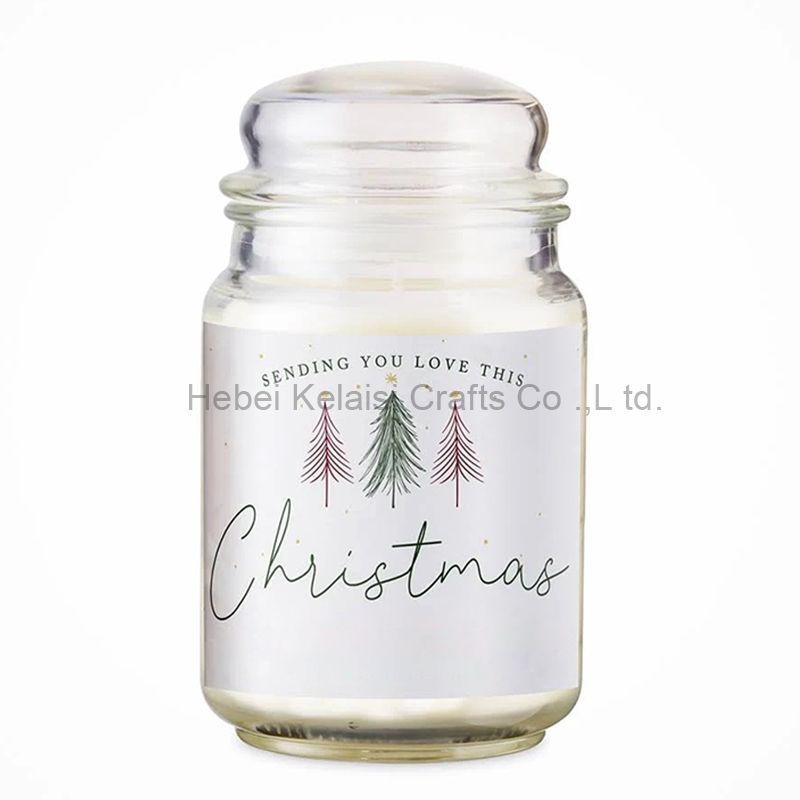
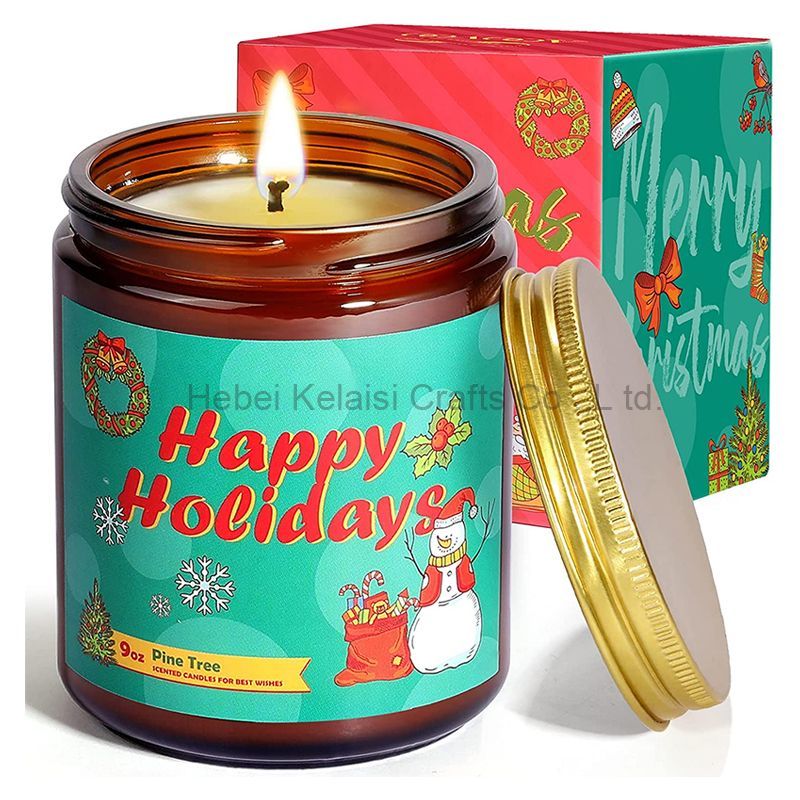 Christmas Scented Candles Gifts Sets for Women
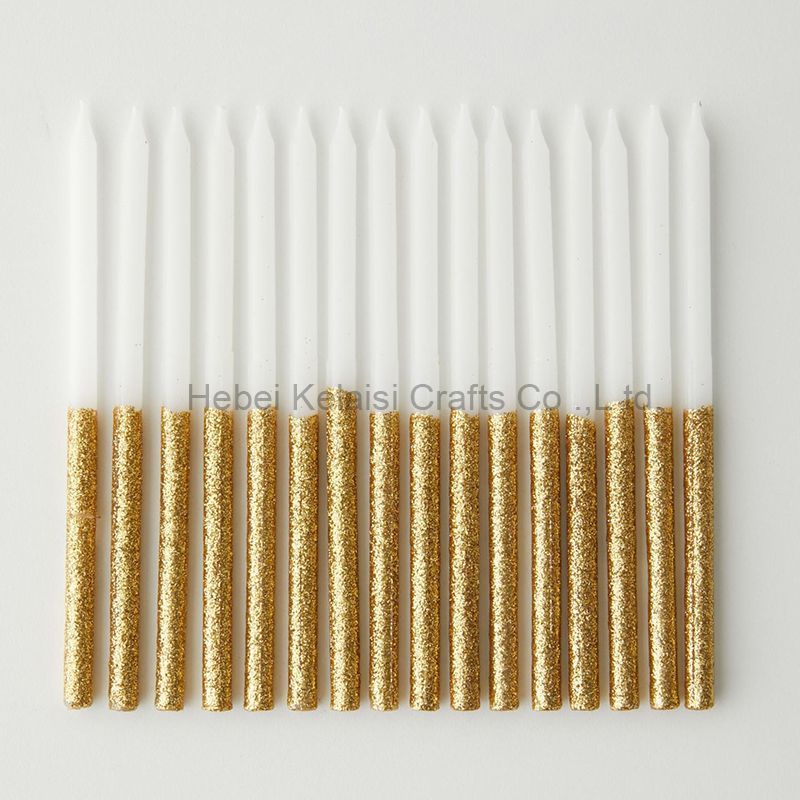 happy birthday long thin glitter cake candles
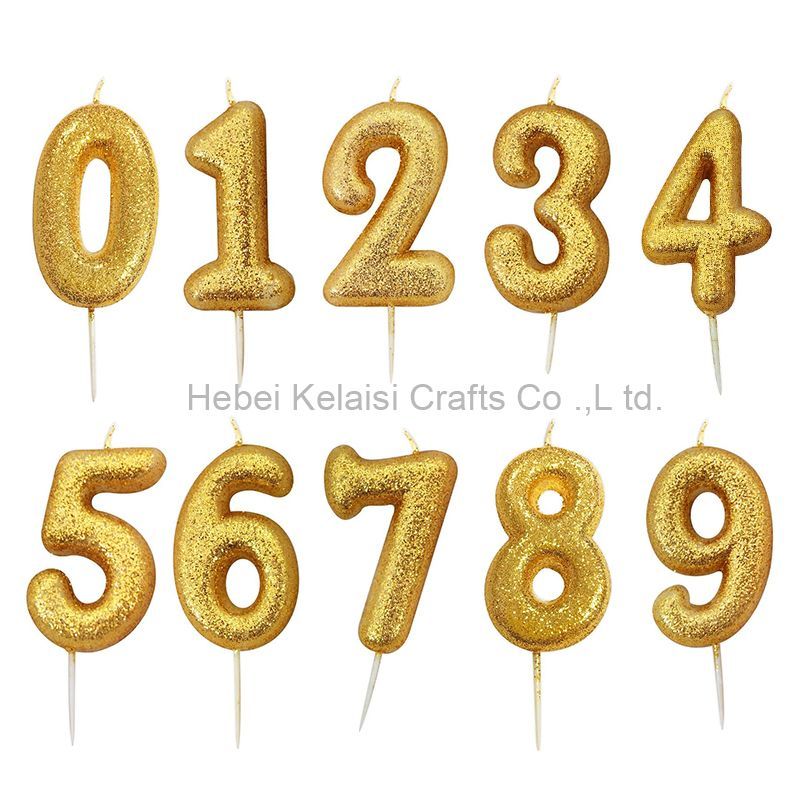 Luxury Golden Birthday Number Candle Sets
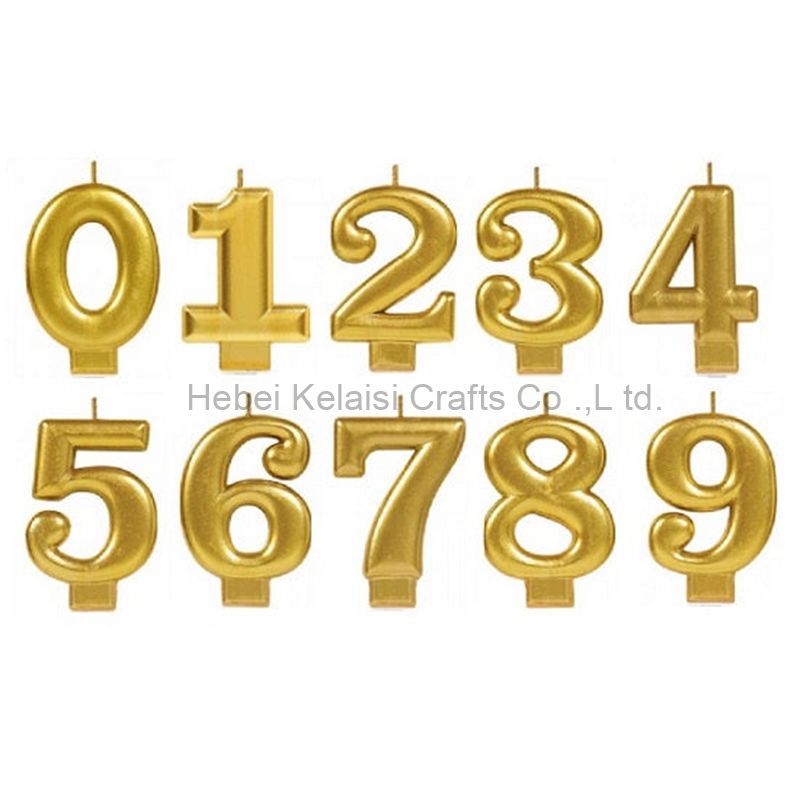 Fancy cake decoration number annual birthday candle
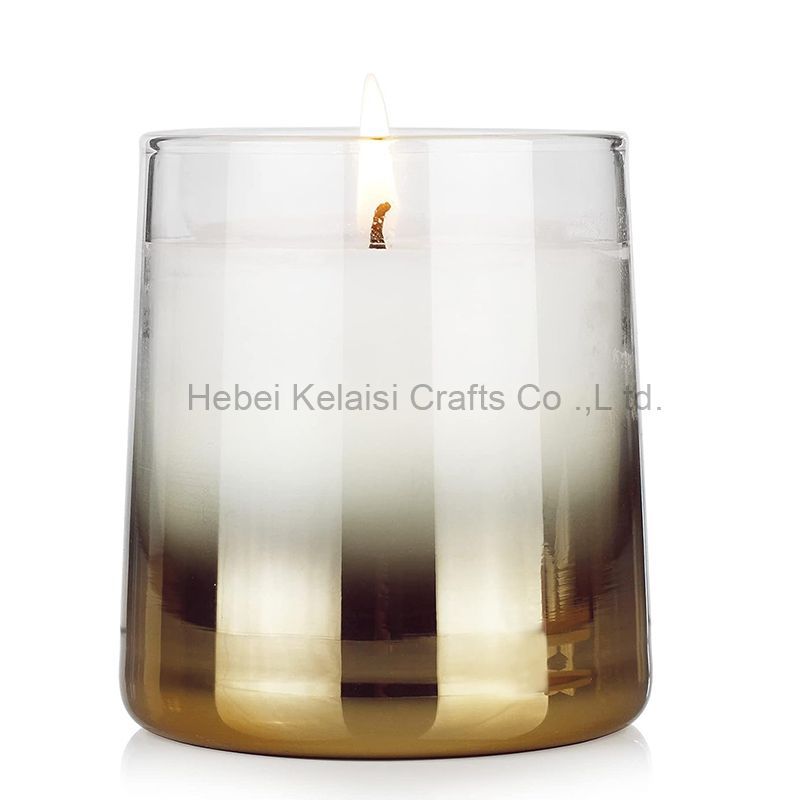 Gradient color Soy Wax Glass Jar Scented Candle
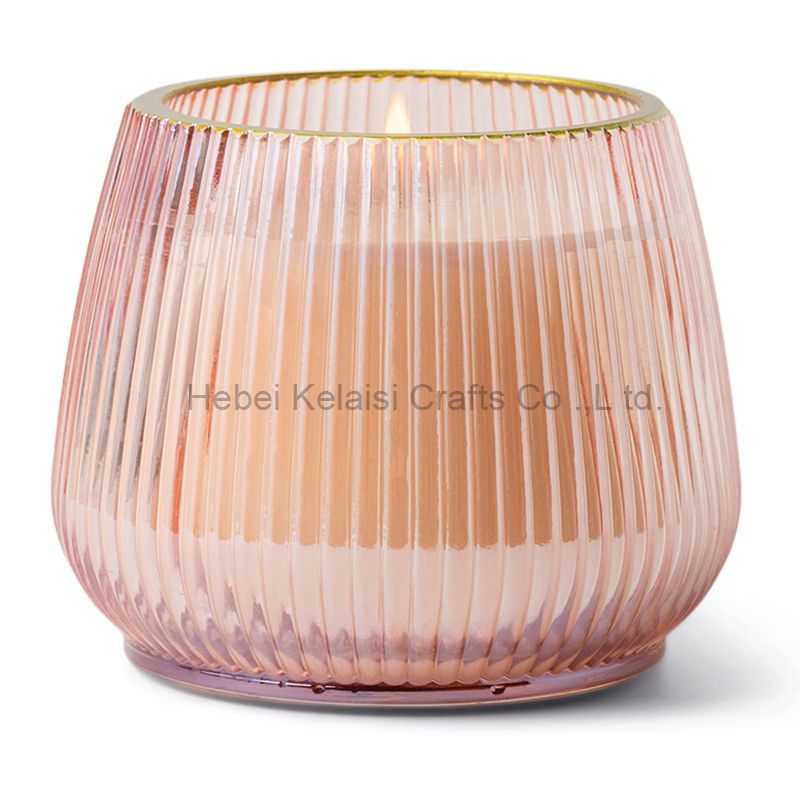 Origami Style Vertical Pattern Wine Glasses Jar Candles
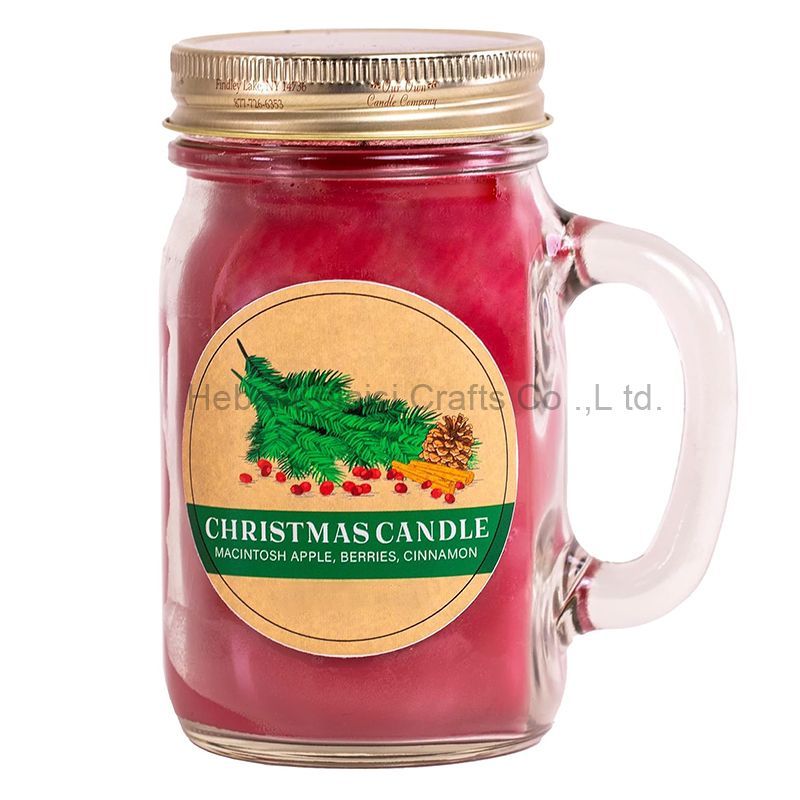 Custom Mini Glass Jar Scented Candle
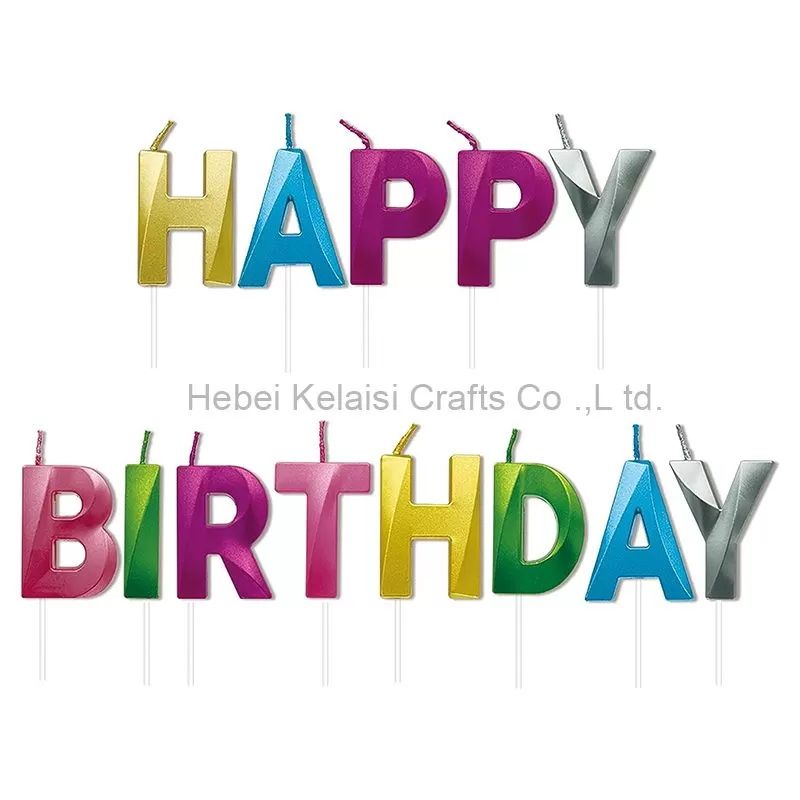 3D Letter Happy Birthday Candles
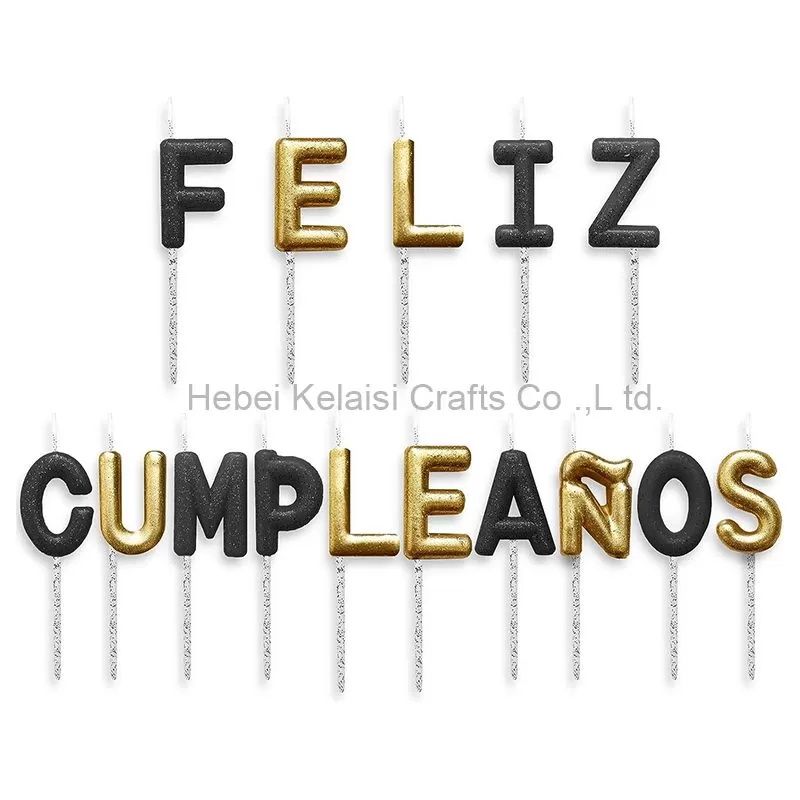 Decorative Birthday Candles
 St. Patrick's Day Decorations Set
 Christmas Party Balloons Supplies