Jun. 22, 2026
Picking the right supplier is one of those decisions that can make or break your business. Get it right, and you have a partner who helps you grow. Get it wrong, and you are dealing with late shipments, poor quality, and unhappy customers.
I have been on both sides of this process. Here is what actually works.

A good supplier does more than just send you products. They become an extension of your team. Research shows that the most important criteria for supplier selection are the ability to meet delivery due dates and commitment to quality — ranking higher than price in many studies . That tells you something: reliability matters more than a cheap quote.
Think about it. A supplier who delivers on time, every time, saves you from explaining to your customers why their orders are late. A supplier who cares about quality saves you from returns, refunds, and reputation damage.
Before you start searching, get clear on your requirements. This sounds obvious, but many businesses skip this step and end up overwhelmed.
Ask yourself:
Product specifications: What materials, dimensions, and quality standards do you need?
Quantity: How much do you need now? How much might you need in six months?
Budget: What is your price range? Remember to factor in shipping, duties, and storage, not just the unit cost .
Timeline: When do you need delivery? Be realistic.
Certifications: Does your industry require specific standards like ISO 9001, FDA approval, or CE marking?
Sustainability: Do you care about eco-friendly practices or ethical labor standards?
Write this down. It becomes your checklist when evaluating potential suppliers.
Now the search begins. Here are the channels that actually work:
Online platforms. Industry directories like ThomasNet and Alibaba are good starting points. But do not stop at the first page of search results — sometimes the best suppliers are not paying for top placement .
Trade shows and exhibitions. There is no substitute for meeting suppliers in person. You can see their products, ask questions on the spot, and get a feel for their operation .
Competitor research. Look at who your competitors are using. Check product labels, ask about certifications, or even visit their stores to gather information .
Referrals. Ask peers in your industry. A recommendation from someone you trust is worth more than a hundred online reviews.

Once you have a list of potential suppliers, it is time to dig deeper. Here is what to look for:
Request product samples. Test them thoroughly. Ask about their quality control processes and defect rates . A supplier who cannot provide samples or dodges questions about quality is a red flag.
Check their certifications. ISO 9001 for quality management is a solid baseline. Industry-specific certifications matter too .
This one gets overlooked. A supplier who looks great on paper but is struggling financially might not be around when you need them most. Check credit reports if available, and ask about their payment terms .
Can they handle your current order volume? What about double that amount in a year? Ask about their production capacity, lead times, and how they handle unexpected demand .
How quickly do they respond to your emails? Are they clear and honest in their answers? If communication is slow or vague during the sales process, it will only get worse once you are a customer .
Closer suppliers usually mean lower shipping costs and shorter lead times. But sometimes the best product comes from farther away. Weigh the trade-offs carefully .

Here is a practical approach: create a weighted scorecard for your top candidates . List your key criteria and assign a weight based on importance. For example:
| Criteria | Weight |
|---|---|
| Quality and reliability | 40% |
| On-time delivery | 30% |
| Price competitiveness | 20% |
| Communication and service | 10% |
Score each supplier on a scale of 1 to 5 for each criterion, multiply by the weight, and add it up. This removes emotion from the decision and helps you compare apples to apples.
Before signing anything, verify their claims. This means:
Checking references. Contact their past or current clients. Ask about reliability, quality, and how the supplier handles problems .
Conducting a site visit. If possible, visit their facility. Look at their production floor, equipment maintenance, and how they handle defective products .
Reviewing compliance. Confirm they meet all regulatory requirements for your industry and target markets .
Requesting small-batch trial orders. Start with a small order before committing to large volumes. This lets you test their actual performance, not just their promises .

The best supplier relationships are partnerships, not transactions. Look for suppliers who are willing to:
A supplier who sees you as a long-term partner will go further for you than one who sees you as just another order.
Choosing on price alone. The cheapest supplier is rarely the best. Hidden costs — quality issues, late deliveries, poor communication — usually outweigh the savings .
Skipping the sample stage. Never commit to a large order without testing the product first.
Not having a backup. If your only supplier fails, you are stuck. Develop secondary sources for critical materials .
Ignoring cultural and communication gaps. If you are sourcing internationally, understand how your supplier prefers to communicate and work .

Choosing a supplier is not complicated, but it requires patience and discipline. Define your needs, do your homework, and trust the data over your gut feeling.
The time you spend evaluating suppliers upfront saves you months of headaches down the road.
And remember: the best suppliers are not just vendors. They are partners who help your business grow. Treat them that way, and they will treat you the same.
Looking for more practical business guides? Download our free Supplier Evaluation Checklist PDF below. Save it, share it with your team, and use it for every supplier decision.
 Big size decorative scented candle
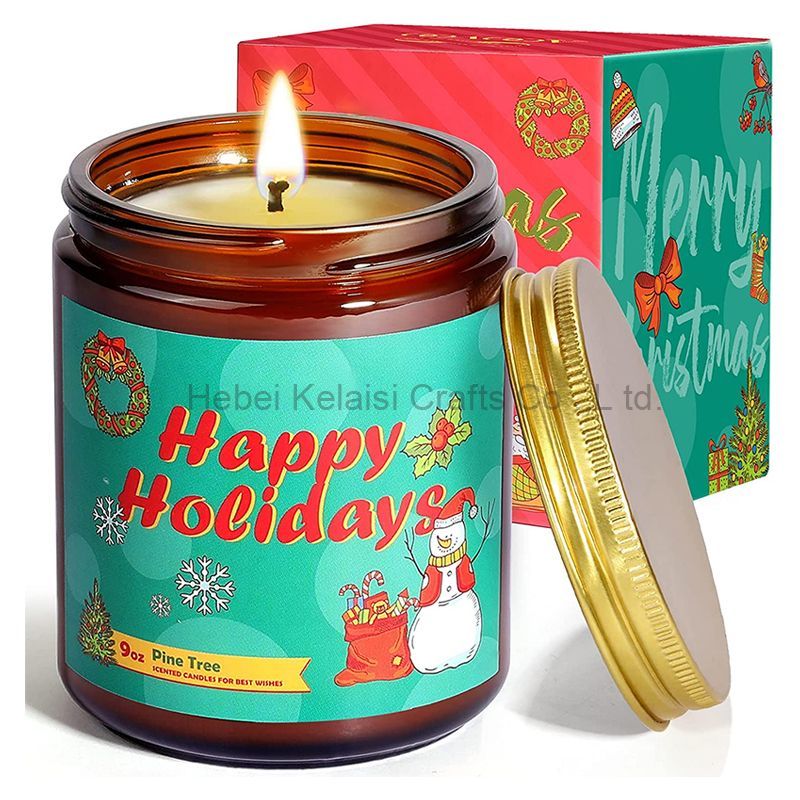 Christmas Scented Candles Gifts Sets for Women
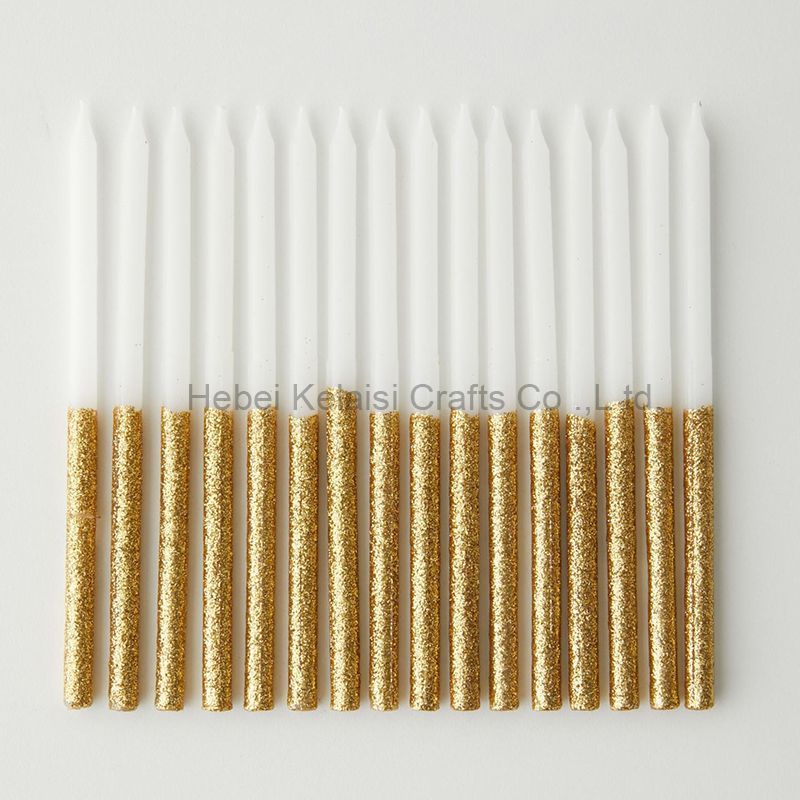 happy birthday long thin glitter cake candles
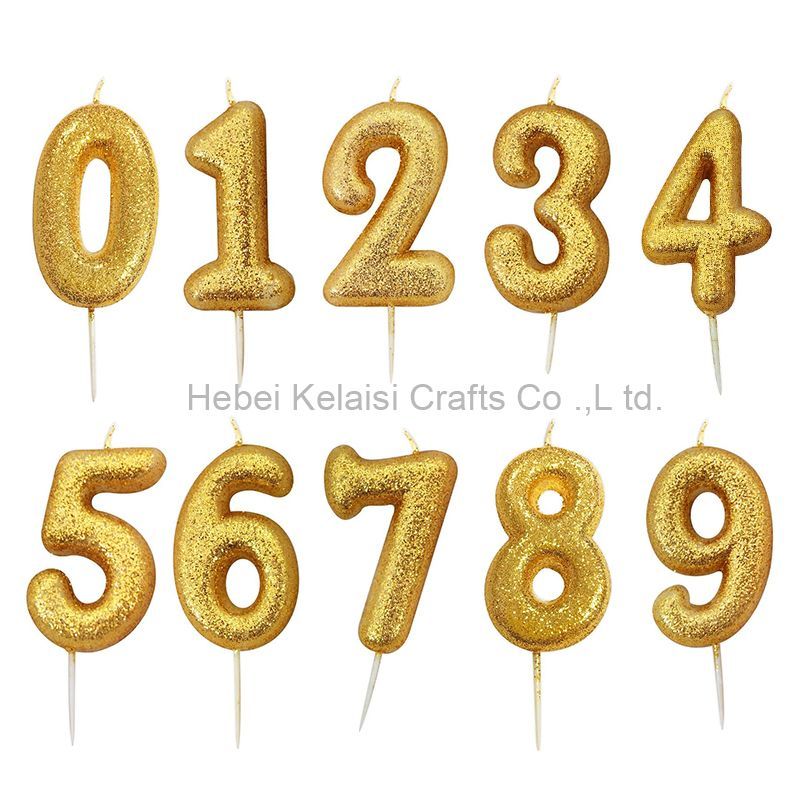 Luxury Golden Birthday Number Candle Sets
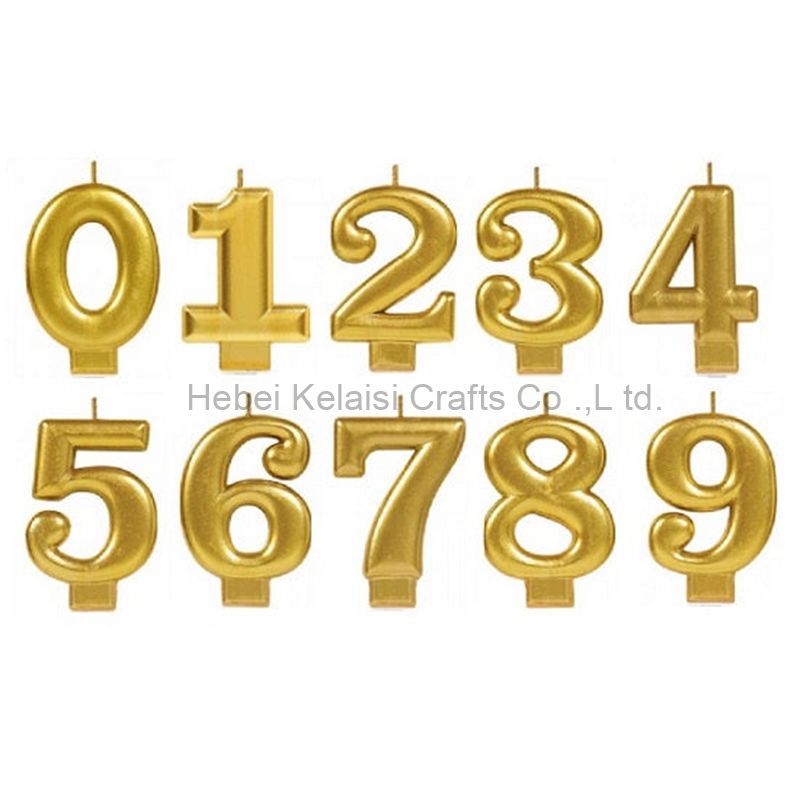 Fancy cake decoration number annual birthday candle
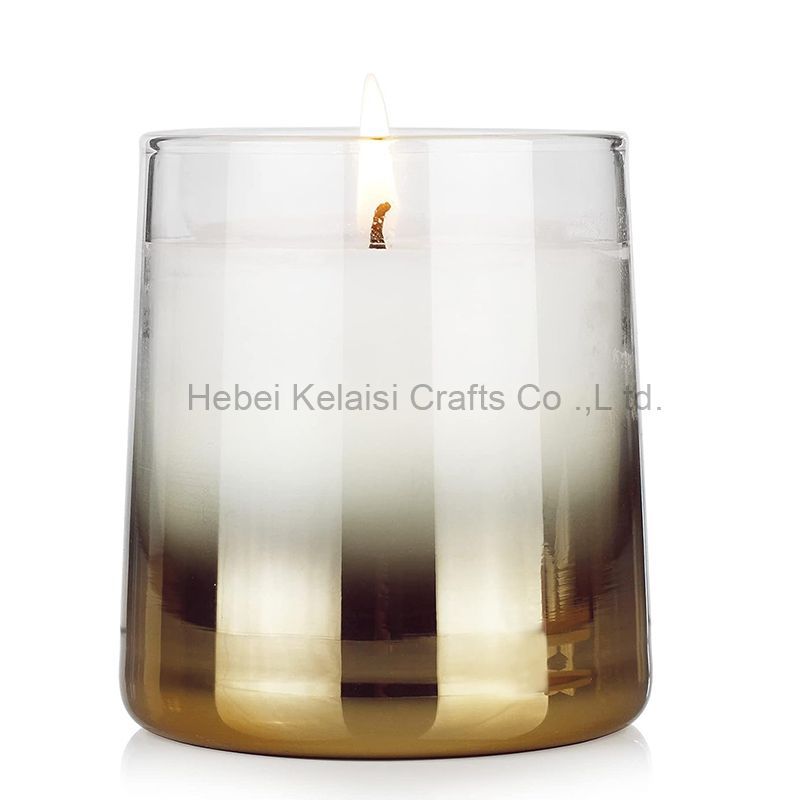 Gradient color Soy Wax Glass Jar Scented Candle
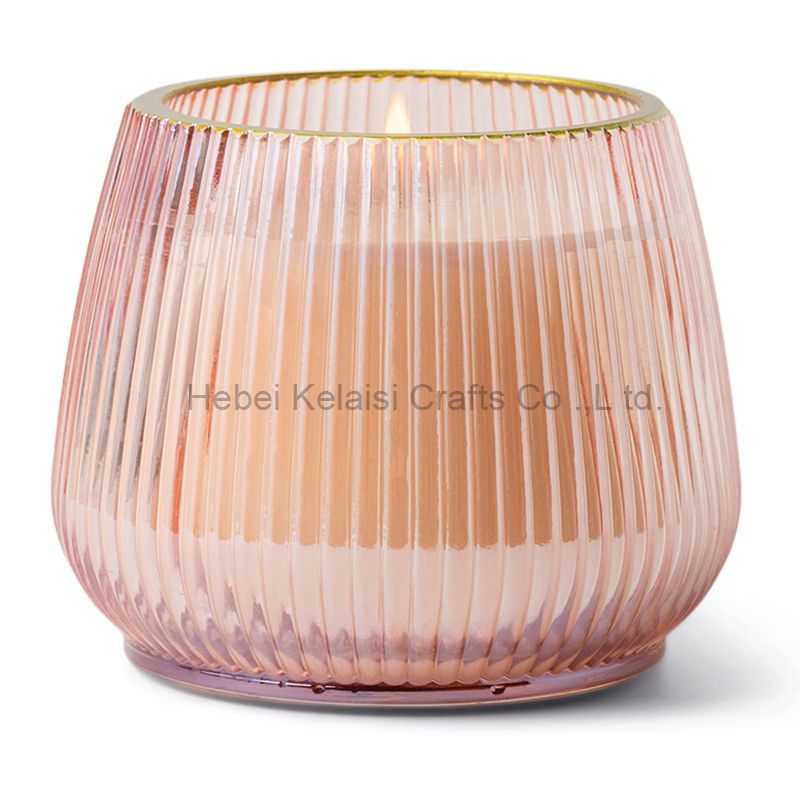 Origami Style Vertical Pattern Wine Glasses Jar Candles
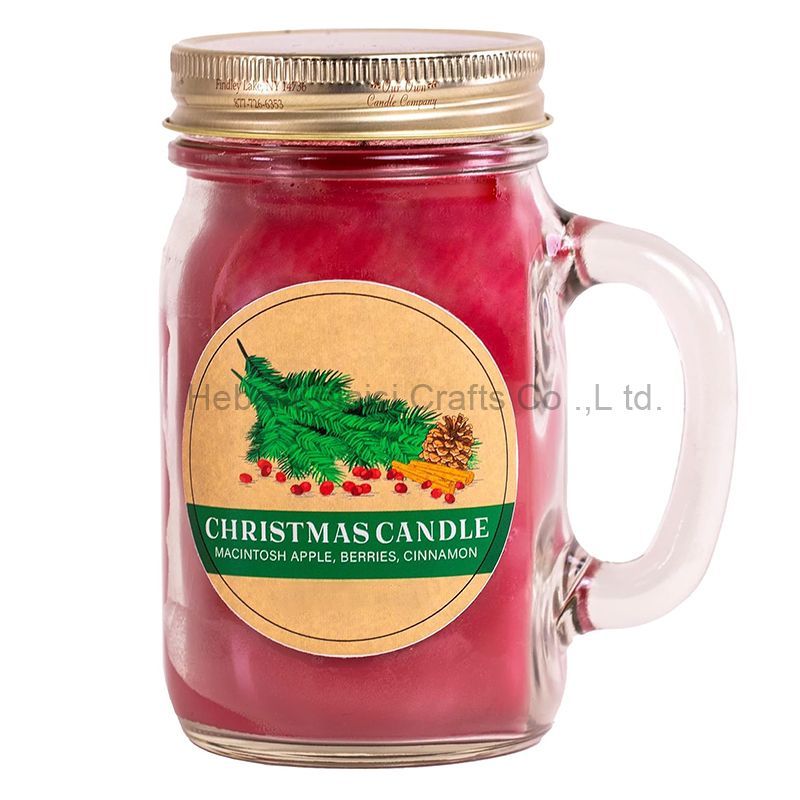 Custom Mini Glass Jar Scented Candle
 3D Letter Happy Birthday Candles
 Decorative Birthday Candles
 St. Patrick's Day Decorations Set
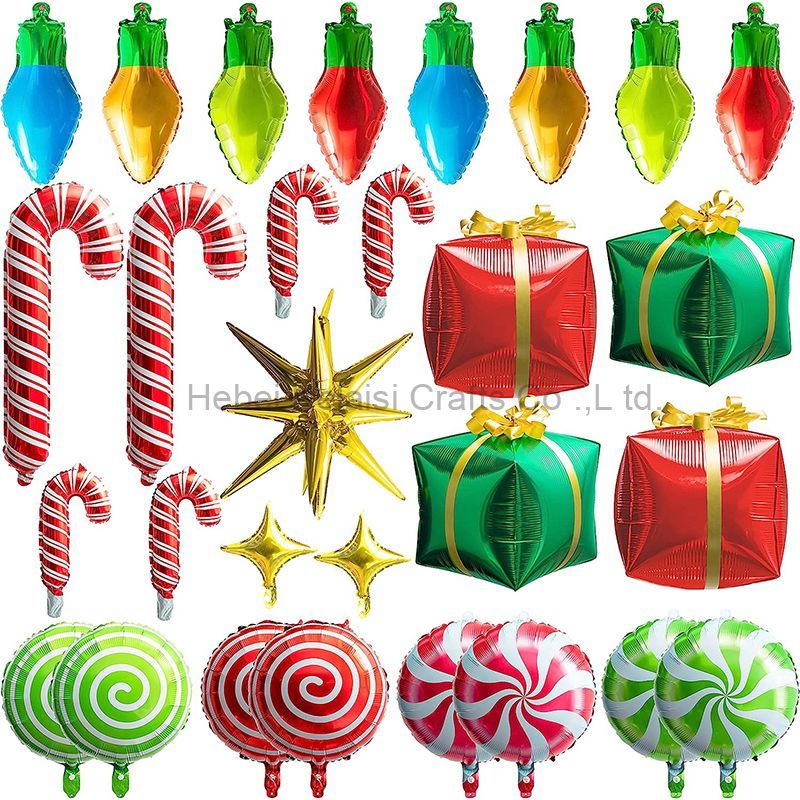 Christmas Party Balloons Supplies