Aug. 06, 2026
A US party supplies distributor improved its seasonal transition planning by connecting summer inventory management with earlier fall product preparation.
The distributor entered the fall season with summer inventory decisions already defined and new seasonal products prepared earlier in the production cycle.
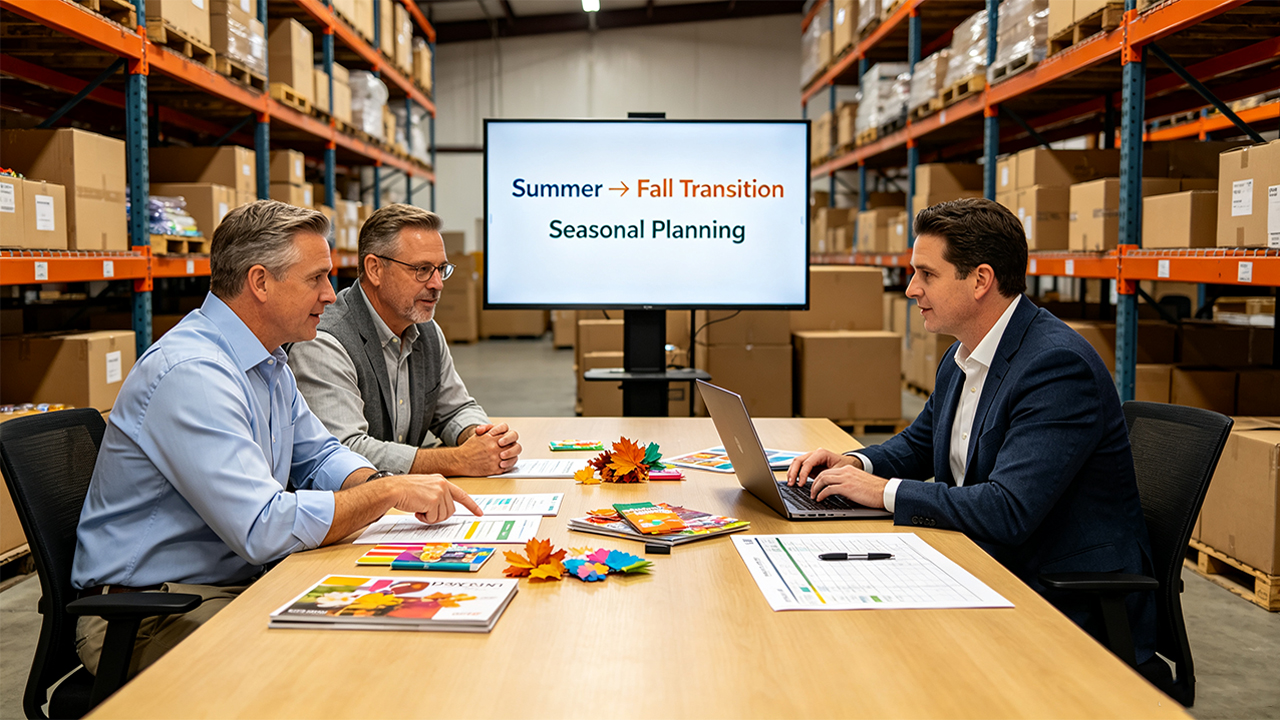
The distributor mainly supplied seasonal party products to independent retailers and specialty stores across the Midwest. Their business relied heavily on summer celebrations, Halloween, and holiday programs, making seasonal timing critical for inventory planning.
By late July, the company faced the same pattern that occurred every year: summer products such as outdoor decorations, picnic-related items, and patriotic-themed party supplies were still occupying warehouse space. At the same time, retail customers had already started planning for autumn events, Halloween, and early holiday displays.
This approach became more challenging as retail customers started planning seasonal programs earlier and the transition window became shorter.
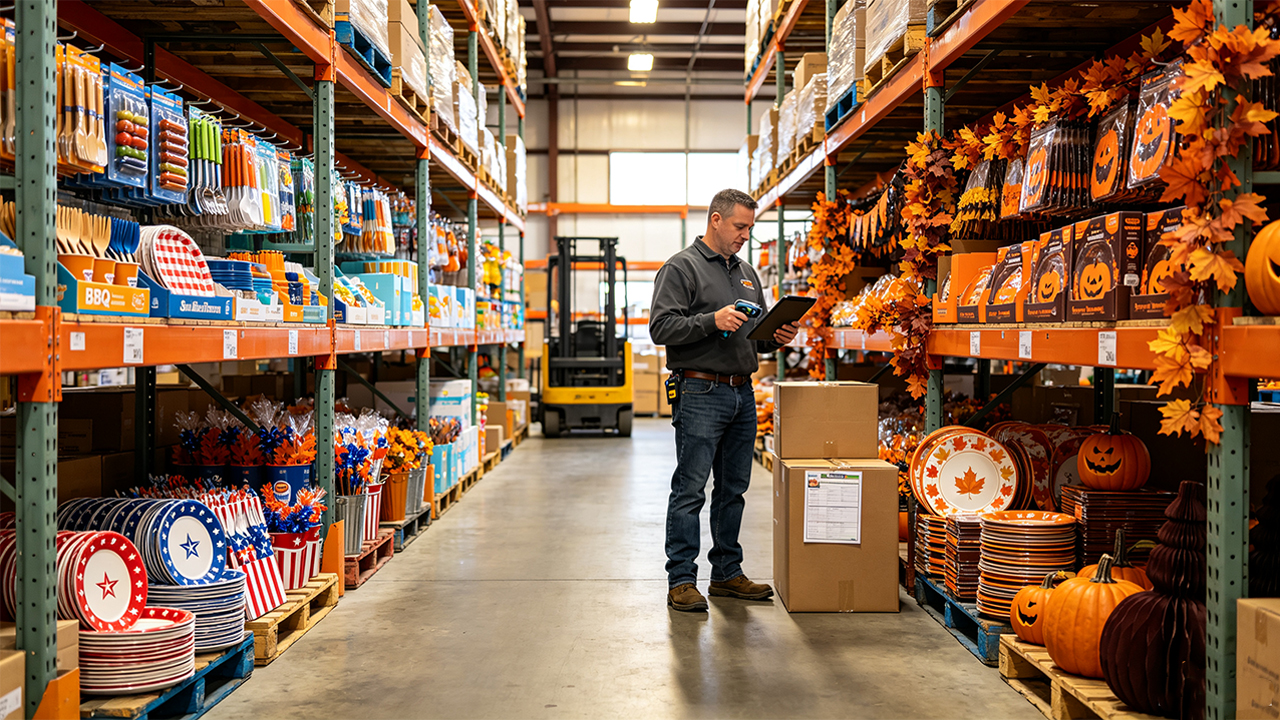
The distributor needed to avoid two common risks: excessive summer inventory after the season ended, and delayed fall preparation caused by waiting too long.
Balancing summer inventory.
Some summer products had a short seasonal window. Holding them too long would increase storage pressure. But discounting too early would reduce product value unnecessarily. The distributor needed to determine which products should move quickly, which could continue selling, and which could transition to future occasions.
Preparing fall orders earlier.
Fall products required earlier planning. Autumn decorations, Halloween items, and seasonal party products needed enough time for production, packaging, and shipping before retail demand increased. But waiting until summer inventory was fully cleared would reduce the available preparation time for fall programs.
The timing gap between the two seasons had become the main source of pressure—not the products themselves, but the schedule of moving from one season to the next.

We began by reviewing the distributor's product structure and inventory position. The review focused on product usage occasions, seasonal timing, and inventory flexibility, rather than just sales velocity.
Products were divided into three groups:
Seasonal products. Items strongly connected with specific summer occasions. These needed faster inventory movement before the seasonal demand window closed.
Transitional products. Items that could continue serving different occasions across seasons. Neutral designs, basic tableware, and versatile decorations were reviewed for broader usage opportunities.
Core products. Everyday party essentials with stable demand. These were maintained as regular inventory items without unnecessary clearance actions.
The review created a clearer view of inventory priorities and helped the distributor decide which items needed attention and which could be handled through regular replenishment.

After confirming the fall product direction, we coordinated production schedules, packaging preparation, and shipment timing based on the distributor's seasonal calendar.
The discussion focused on three areas:
Production timing. Confirming when the fall order needed to enter production to meet the distributor's delivery requirements.
Packaging and materials. Reviewing packaging requirements and material preparation timelines to support smooth production.
Shipment planning. Consolidating orders into fewer, larger shipments to reduce per-unit shipping costs and simplify warehouse receiving.
Instead of waiting until summer products were completely sold through, the distributor began preparing the next season while managing remaining inventory. This parallel approach allowed both processes to move forward without one waiting for the other to finish.
To reduce uncertainty, the fall program was organized into two stages.
The first stage focused on core seasonal products with stable demand—items that had consistent sales history and predictable volume. This allowed the distributor to commit early and secure production slots without waiting for full visibility into the entire season.
The second stage allowed flexibility for additional products based on market response. New designs or trend-driven items could be added later once more information was available.
This structure helped the distributor maintain preparation speed while keeping room for adjustments—reducing the risk of overcommitting early while still moving forward on the core program.
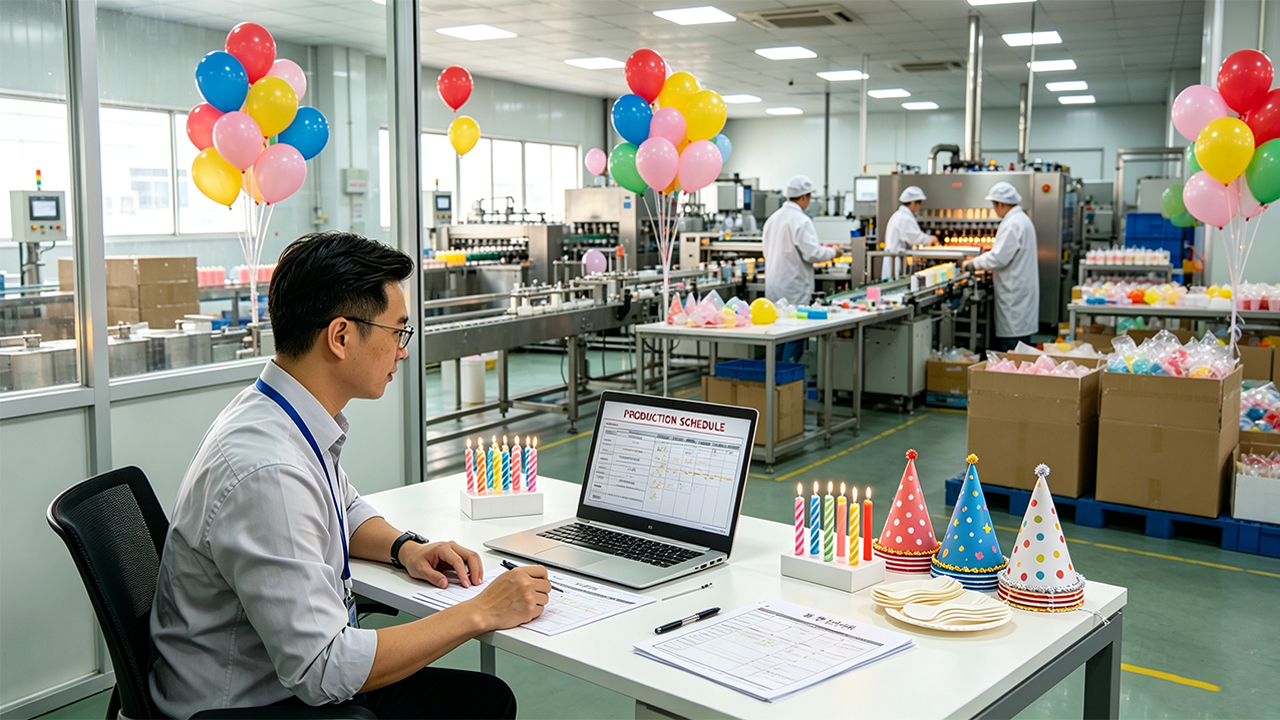
The distributor completed the seasonal transition with a clearer inventory structure and a more organized fall preparation process.
Summer products were managed according to their seasonal characteristics rather than through one general approach. The review process identified which items needed faster movement and which could continue selling through regular channels.
Fall products entered production earlier than in previous seasons, allowing more time for packaging preparation and shipment planning. The two-stage order structure reduced the pressure of having to commit to the entire season at once.
The case showed that seasonal preparation becomes more effective when inventory decisions and production planning are considered together.
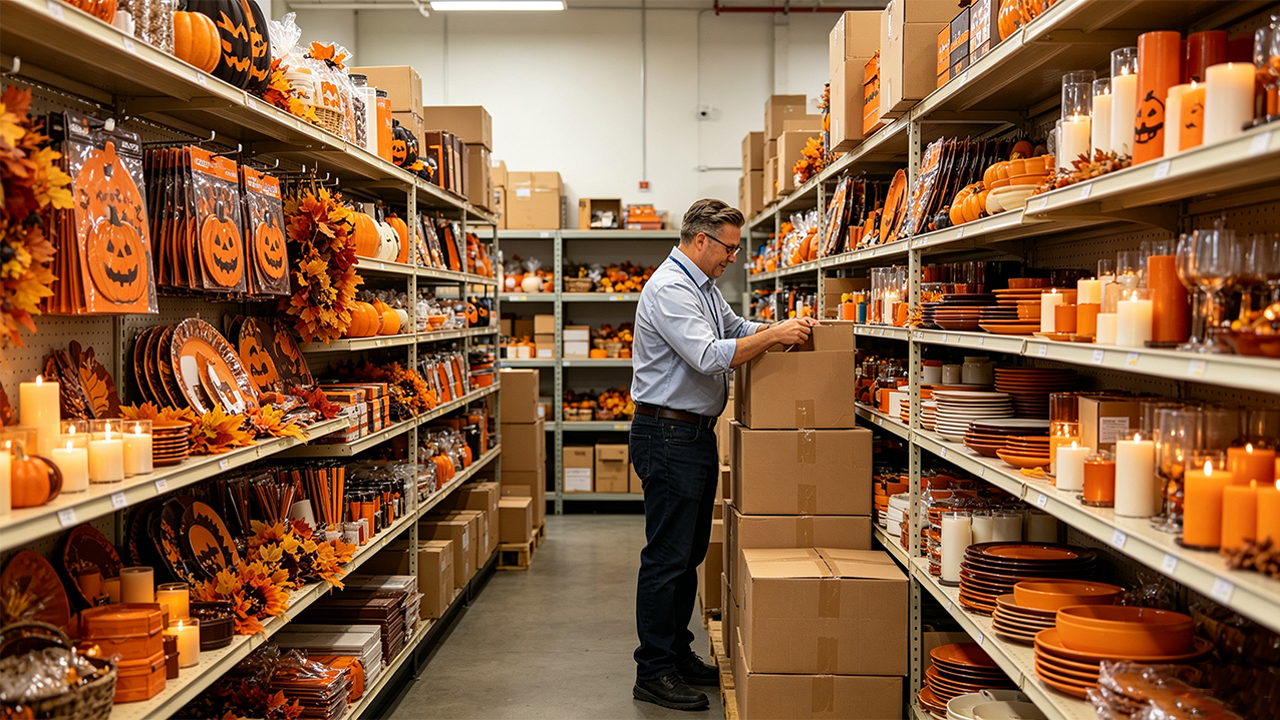
Seasonal transitions are not only about changing products. They are about understanding when consumers change their occasions. For party supplies businesses, summer-to-fall planning happens every year, but the preparation window is limited.
The companies that manage seasonal changes effectively are often those that connect inventory decisions, product planning, and production timing together. The timing gap between seasons is the main source of pressure—not the products themselves, but the schedule of moving from one season to the next.
Manufacturing coordination plays an important role in seasonal planning. Understanding how consumer occasions change throughout the year helps manufacturers and distributors prepare products at the right time.
Kelaisi Candle has manufactured candles and party supplies since 1991, with facilities in Xingtai and Shijiazhuang, Hebei. We hold BSCI, SEDEX, CE, RoHS, EN71, and ASTM F963 certifications.
 Big size decorative scented candle
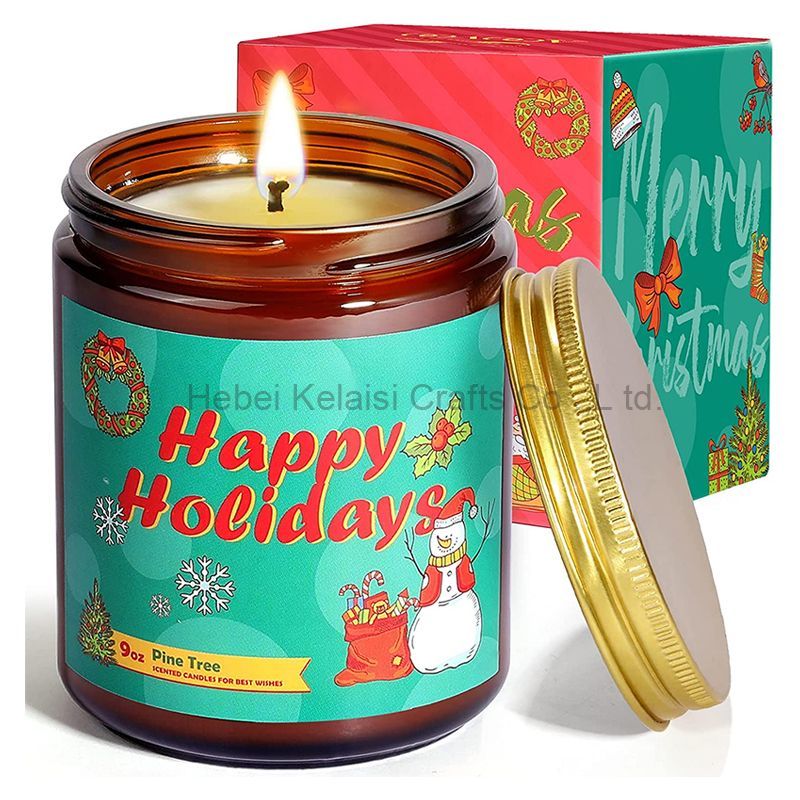 Christmas Scented Candles Gifts Sets for Women
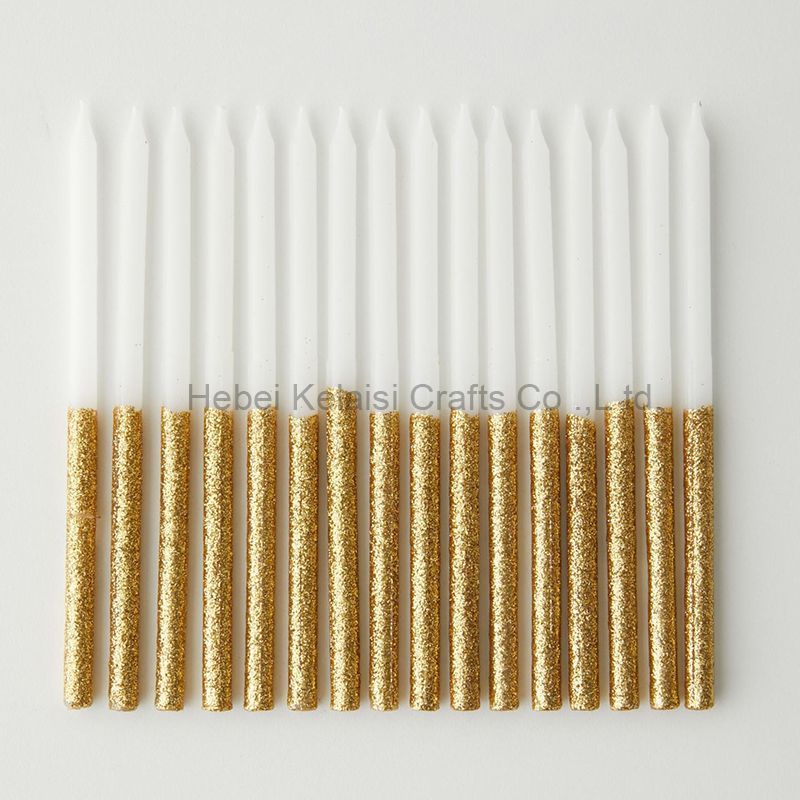 happy birthday long thin glitter cake candles
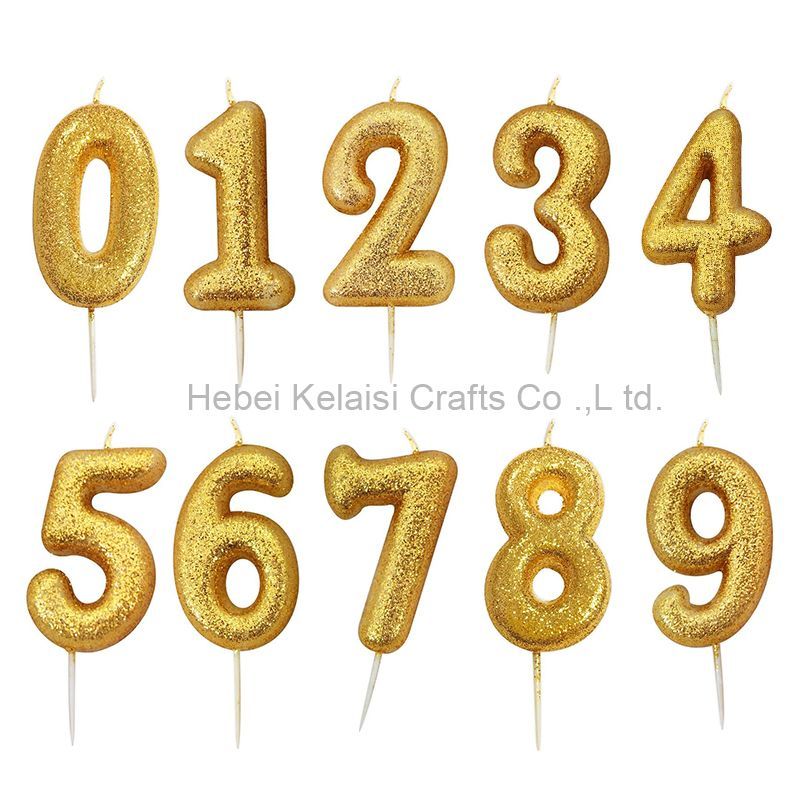 Luxury Golden Birthday Number Candle Sets
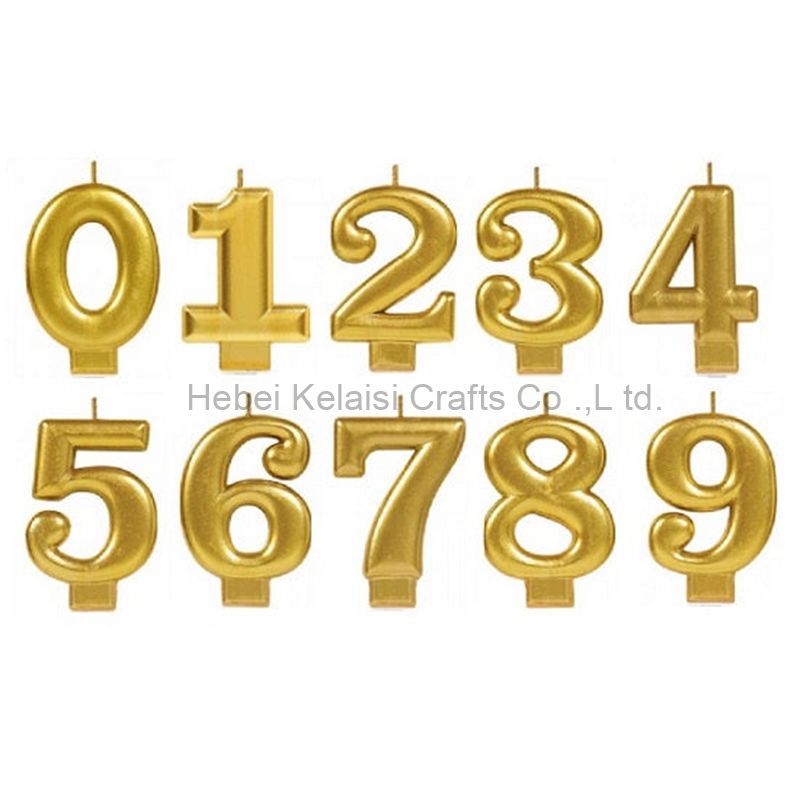 Fancy cake decoration number annual birthday candle
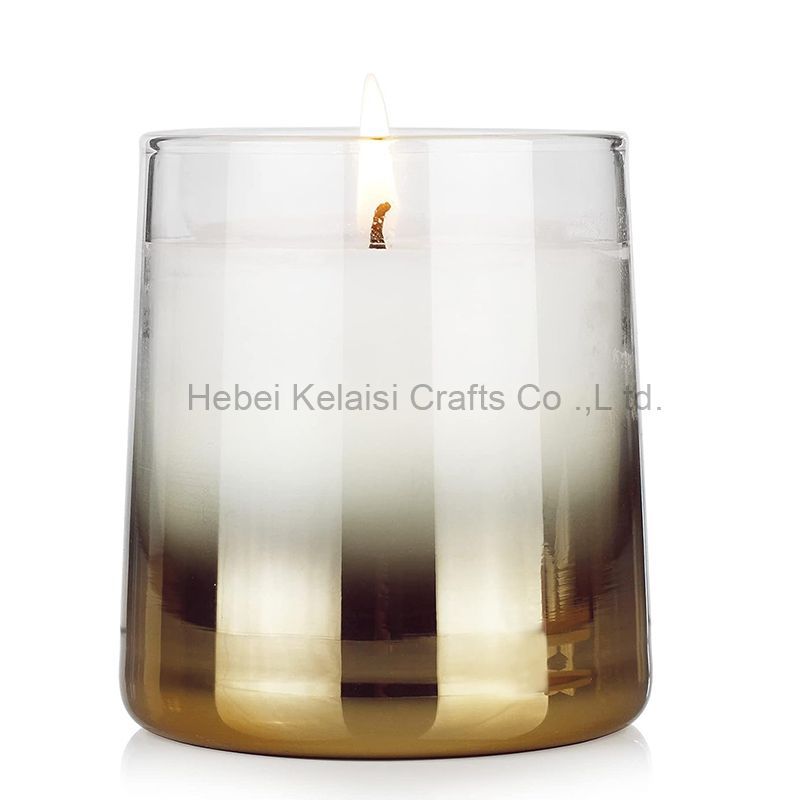 Gradient color Soy Wax Glass Jar Scented Candle
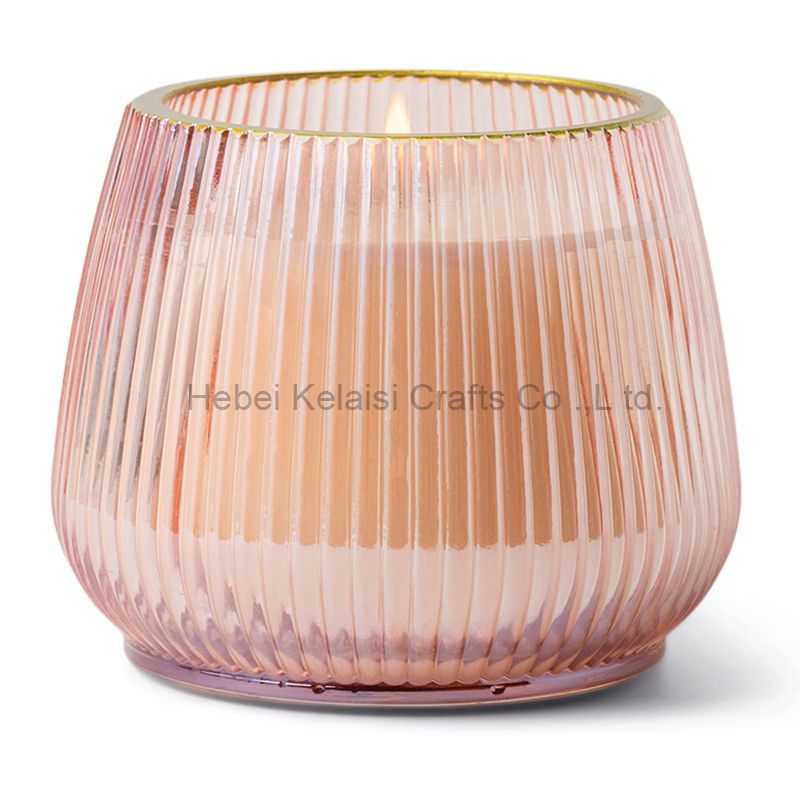 Origami Style Vertical Pattern Wine Glasses Jar Candles
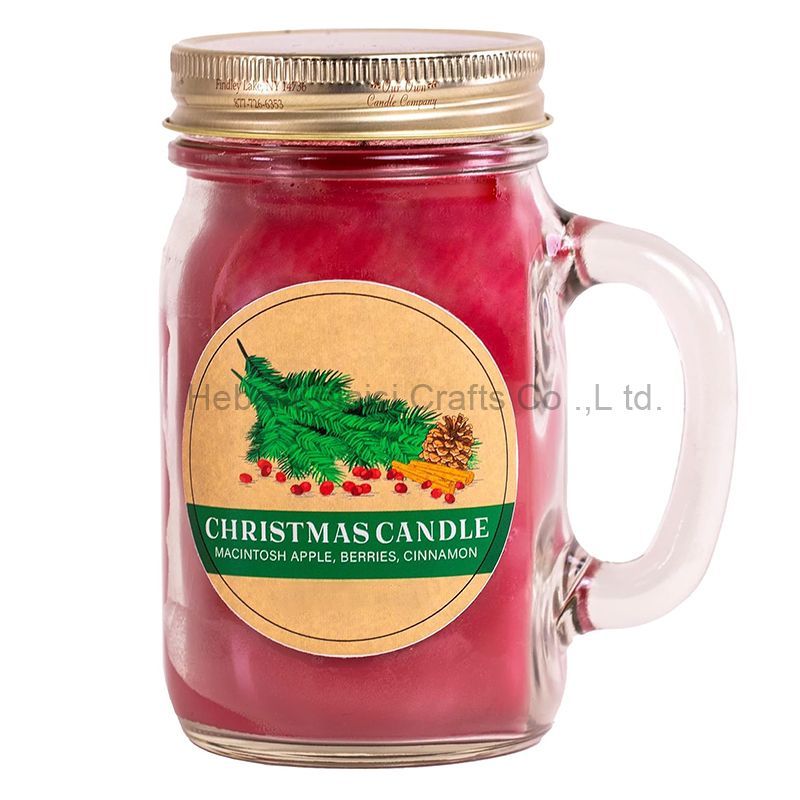 Custom Mini Glass Jar Scented Candle
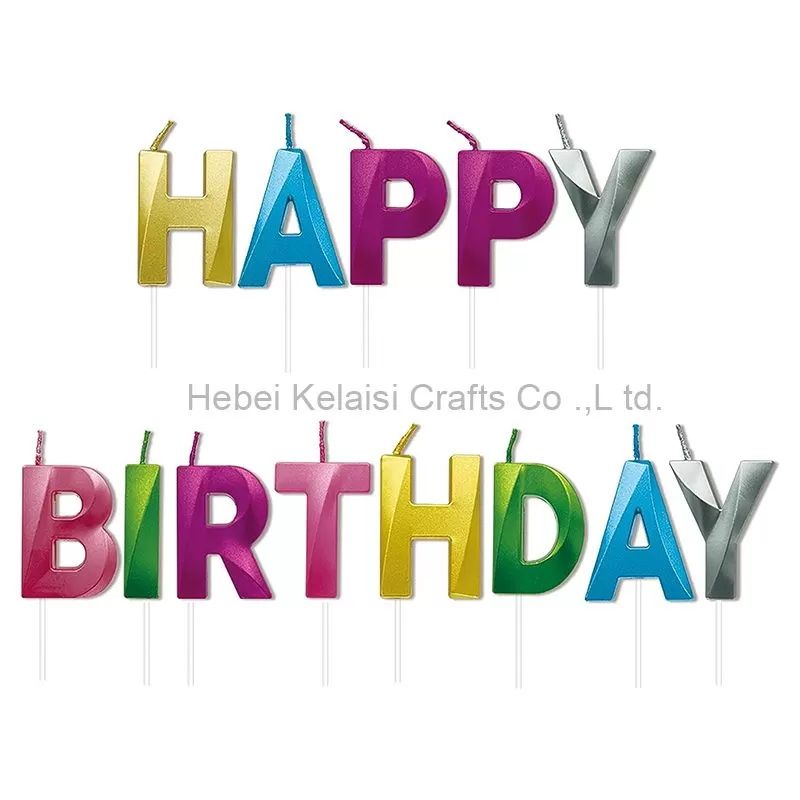 3D Letter Happy Birthday Candles
 Decorative Birthday Candles
 St. Patrick's Day Decorations Set
 Christmas Party Balloons Supplies