Nov. 03, 2026
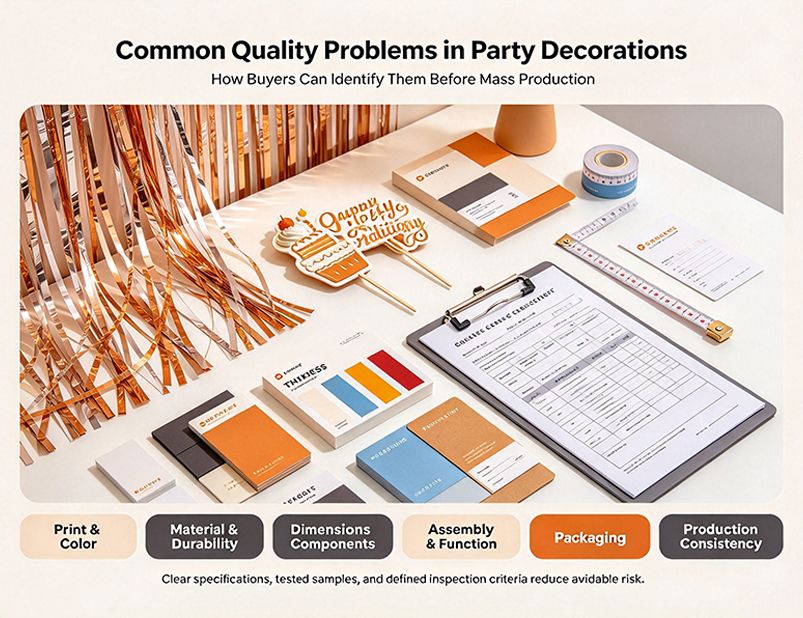
Party decorations may look simple, but their quality can have a direct impact on the customer experience. A banner that tears during installation, a foil curtain that loses its shine, or a cake topper with poorly printed details can make an otherwise well-planned celebration feel disappointing.
For importers, wholesalers and retailers, these problems can also lead to customer complaints, returns and additional costs. The challenge is that some defects are not immediately visible when products are reviewed in a catalogue or through a single sample.
Understanding common quality problems before placing an order helps buyers prepare clearer specifications, evaluate samples more carefully and reduce avoidable issues during mass production.
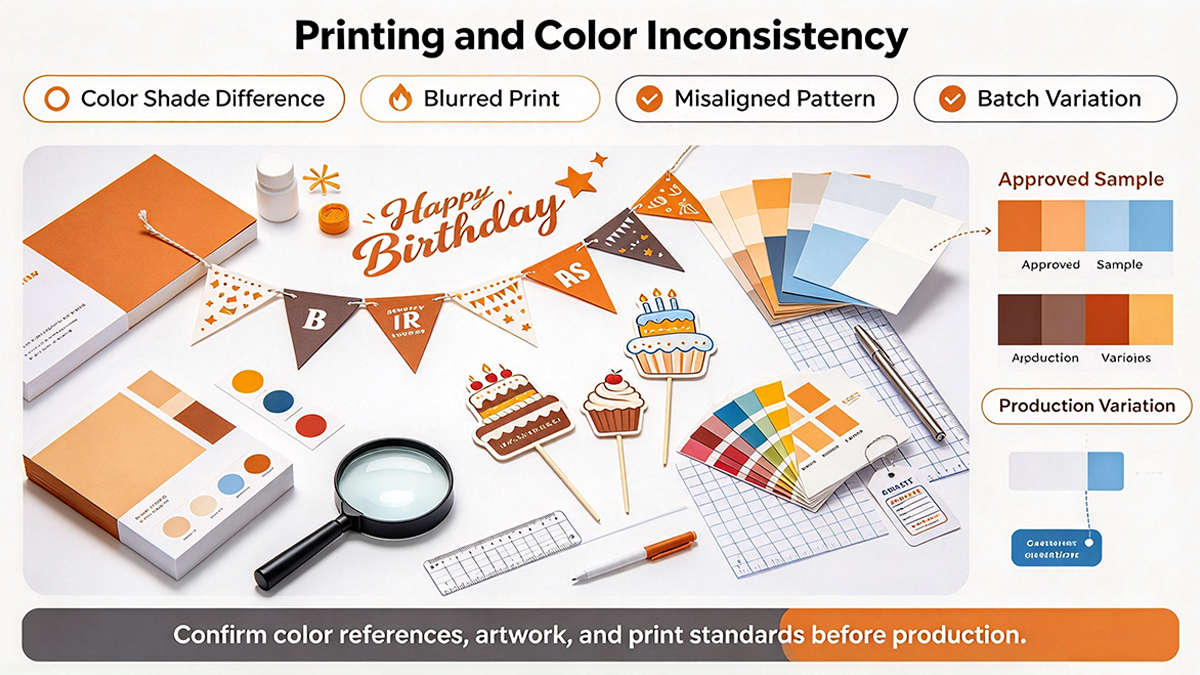
Printing quality is one of the first things buyers notice in party decorations. Products such as birthday banners, flags, themed decorations and printed accessories often rely on color and graphic details to create a coordinated look.
Common problems include:
Colors that look different from the approved sample
Uneven or faded printing
Blurred text, logos or illustrations
Misaligned patterns or printed elements
Different color shades within the same batch
Color differences can be especially noticeable when several decorations are displayed together. For example, a banner and matching cake topper may be intended to use the same color scheme. If the shades are noticeably different, the overall presentation may look inconsistent.
Buyers should confirm color references, artwork files and printing requirements before production. For repeat orders, an approved physical sample or clearly documented color standard is more useful than relying only on general descriptions such as "light pink" or "gold."
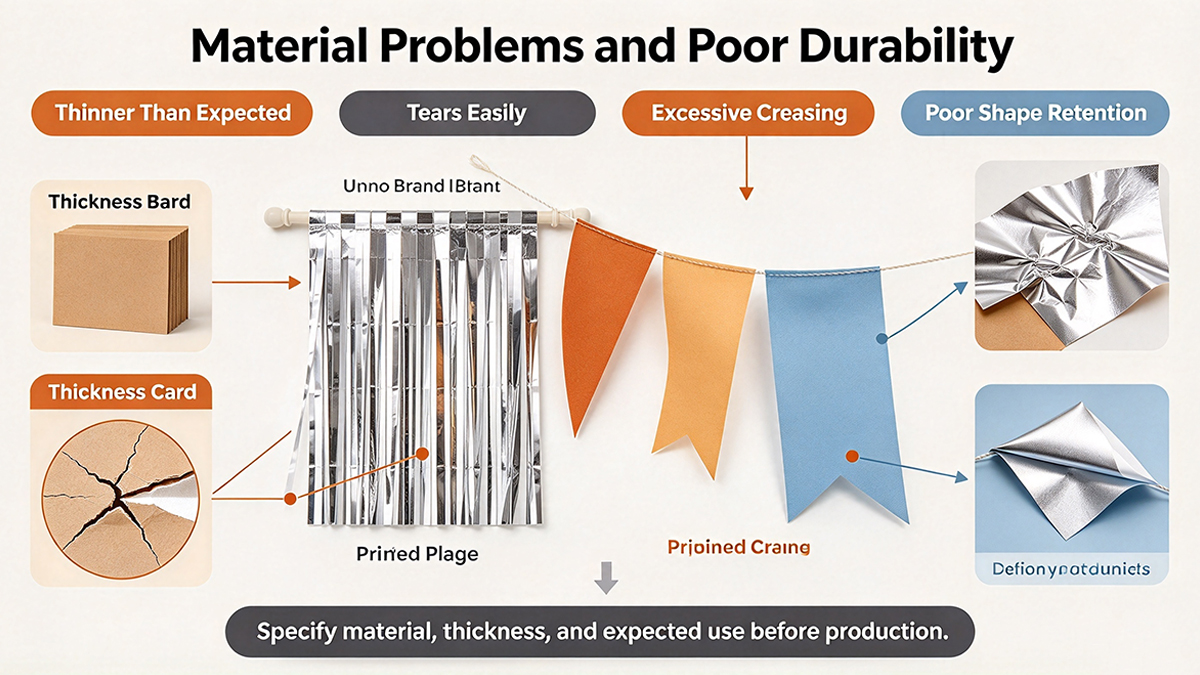
The material used in party decorations affects their appearance, handling and performance.
Paper banners may tear easily if the paper is too thin or the punched holes are poorly finished. Foil curtains may crease excessively, tear during installation or have uneven metallic surfaces. Printed flags may bend or lose their shape if the material is not suitable for their intended use.
Typical material-related issues include:
Material that is thinner or weaker than expected
Cracks, tears or damaged edges
Uneven thickness or surface texture
Excessive creasing or deformation
Materials that do not hold their intended shape
Buyers should specify the material type, thickness or weight where relevant, dimensions and intended application. Samples should also be handled in a way that reflects normal use, rather than being evaluated only by appearance.
A product does not necessarily need the heaviest material to be suitable. The important point is whether its material matches the product design, expected use and agreed quality level.
A decoration can be well printed and made from suitable materials but still create problems if its dimensions are incorrect.
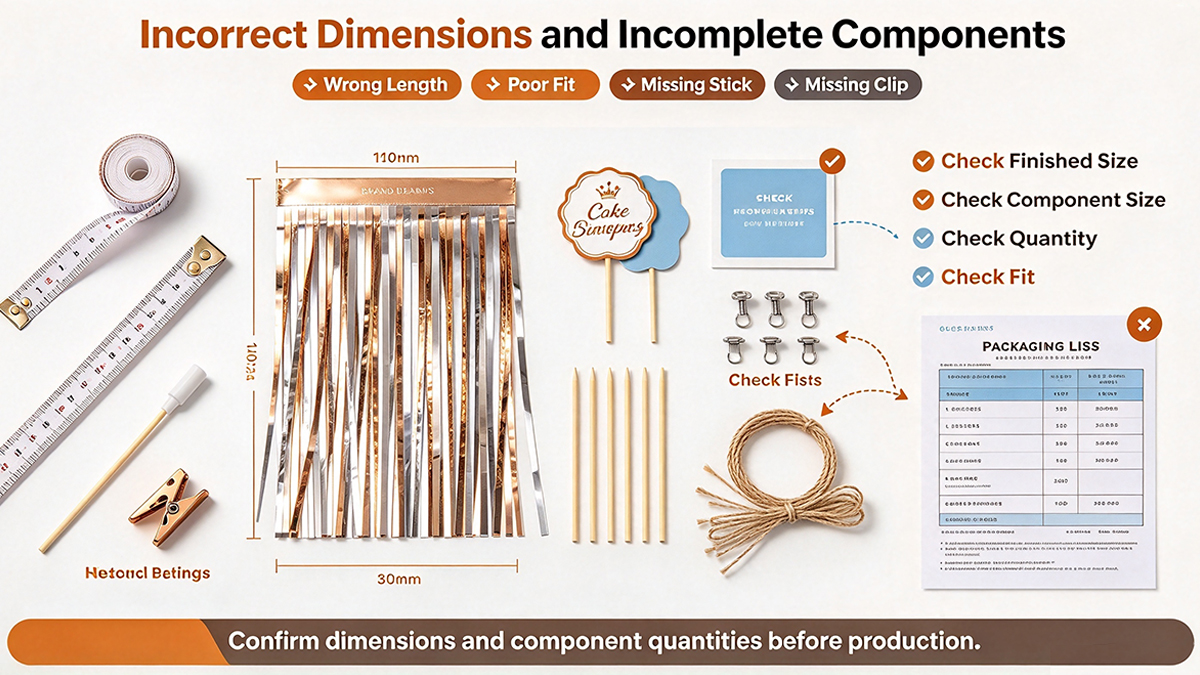
For example, a banner may be shorter than expected, a foil curtain may not cover the intended area, or cake topper flags may be too large or too small for the supporting sticks.
Buyers may encounter issues such as:
Actual dimensions differing from the approved specifications
Uneven lengths within one product set
Missing strings, sticks, clips or other accessories
Incorrect quantities of components
Components that do not fit together properly
These problems are often related to unclear product specifications or insufficient checks during packing.
Before production, buyers should confirm the dimensions of the finished product and each important component. For products sold as sets, the specification should list every included item and its quantity. A packing checklist can help prevent missing components during assembly and final inspection.
Some party decorations require customers to assemble or install them before use. Their quality therefore depends not only on the individual components but also on how well those components work together.
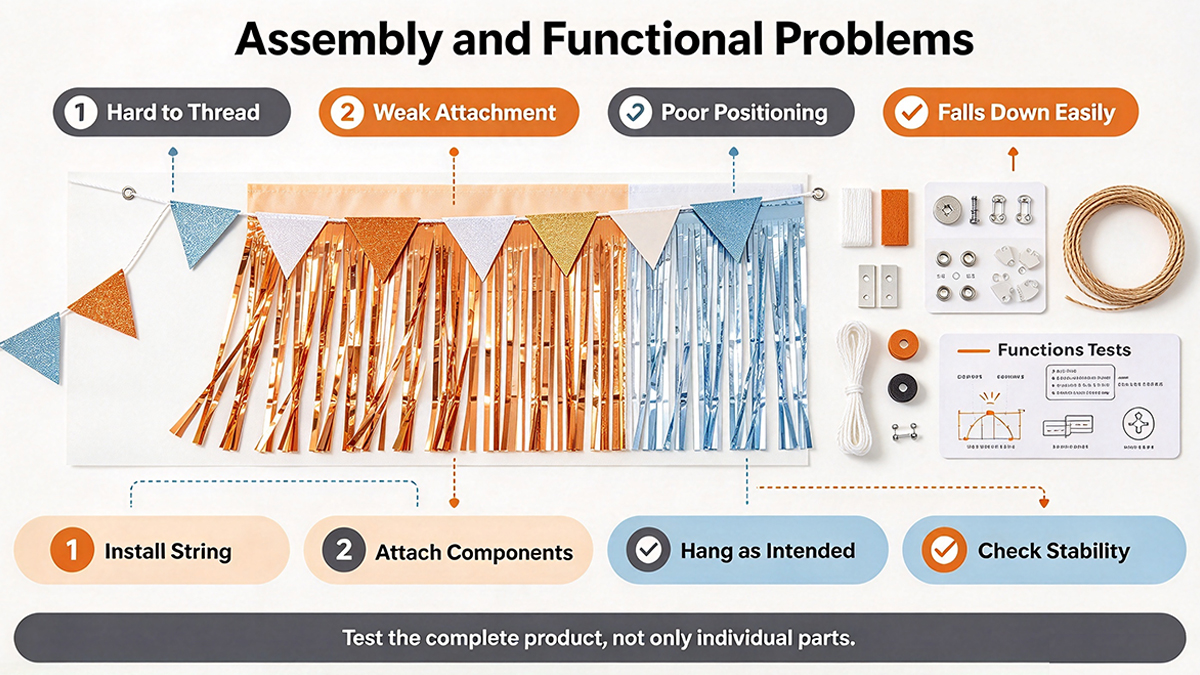
Common examples include banners with strings that are difficult to thread, decorations with weak attachment points, and foil curtains that are difficult to hang evenly.
Potential problems include:
Loose or poorly attached components
Weak adhesive or attachment points
Incorrectly positioned holes
Strings that are too short or difficult to use
Components that are difficult to assemble
Products that do not stay in position after installation
Buyers should test the complete product rather than inspecting each component separately. A banner, for example, should be checked after its string has been installed. A hanging decoration should be tested using its intended attachment method.
This helps identify problems that may not be obvious when the product is still flat or unopened.
Packaging is sometimes treated as a separate issue from product quality, but for party decorations, the two are closely connected.
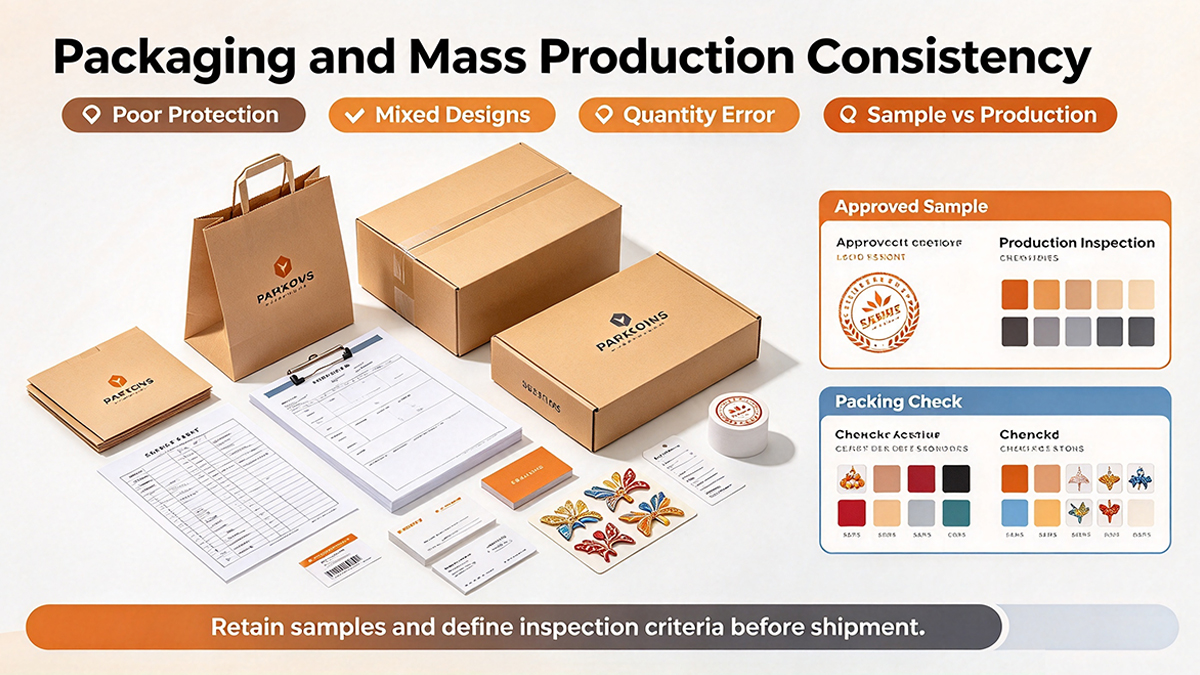
Products may be folded, stacked or packed in individual bags and cartons. If the packing method is unsuitable, decorations can arrive with creases, scratches, broken components or mixed-up designs.
Common packaging problems include:
Insufficient protection against pressure or friction
Products packed in the wrong orientation
Incorrect product quantities per bag or carton
Mixed designs or colors in one package
Damaged retail packaging
Missing labels or incorrect product information
For products with printed surfaces or metallic finishes, direct friction between items may affect their appearance. Delicate components may also need additional protection to reduce the risk of damage during transportation.
Buyers should confirm individual packaging, inner-carton quantities, master-carton quantities and any required labels before mass production. A packaging sample can be reviewed separately from the product sample to make sure both meet the agreed requirements.
One of the most important concerns in wholesale purchasing is whether mass-produced goods match the approved sample.
A sample may look correct, but the final order can show differences in color, dimensions, material, printing or assembly. This may happen when production specifications are incomplete, materials are changed without approval, or quality checks are not consistent throughout the production process.
To reduce this risk, buyers should keep a record of the approved sample and the final specifications. Important details should include:
Product dimensions and material requirements
Approved artwork and color references
Component quantities and assembly details
Packaging specifications
Acceptable quality limits
Inspection requirements
Any proposed change to materials, artwork or construction should be reviewed before it is applied to the order. This is particularly important for repeat purchases, when buyers expect the new batch to remain consistent with previous deliveries.
Quality control should begin before mass production, not only when cartons are ready for shipment.
A practical purchasing process can include several steps.
First, prepare clear product specifications. Record dimensions, materials, colors, printing details, components and packaging requirements. Avoid relying on product names or catalogue pictures alone.
Second, review samples under realistic conditions. Check the appearance, dimensions, assembly and handling of the complete product. If the product is designed to hang, fold or connect to other components, test those functions.
Third, approve the packaging. Confirm how products will be protected, counted and arranged in cartons. This is especially important for sets containing multiple components.
Fourth, establish inspection criteria. Decide which defects are unacceptable, which are minor cosmetic issues and how many units should be checked. The inspection method should be agreed before production.
Finally, compare finished goods with the approved standard. Check product appearance, specifications, quantities and packaging before shipment. Keep inspection records and reference samples for future orders.
Quality problems in party decorations are not limited to obvious defects such as tears or broken components. Differences in color, material, dimensions, printing, assembly and packaging can all affect how a product performs and how customers perceive it.
For buyers, the most effective approach is to identify these risks early, document product requirements clearly and evaluate the complete product before approving mass production.
A well-defined quality standard helps buyers communicate expectations, suppliers understand production requirements and both sides reduce avoidable disagreements. In a category where appearance and presentation matter, consistent quality is an important part of delivering a reliable customer experience.
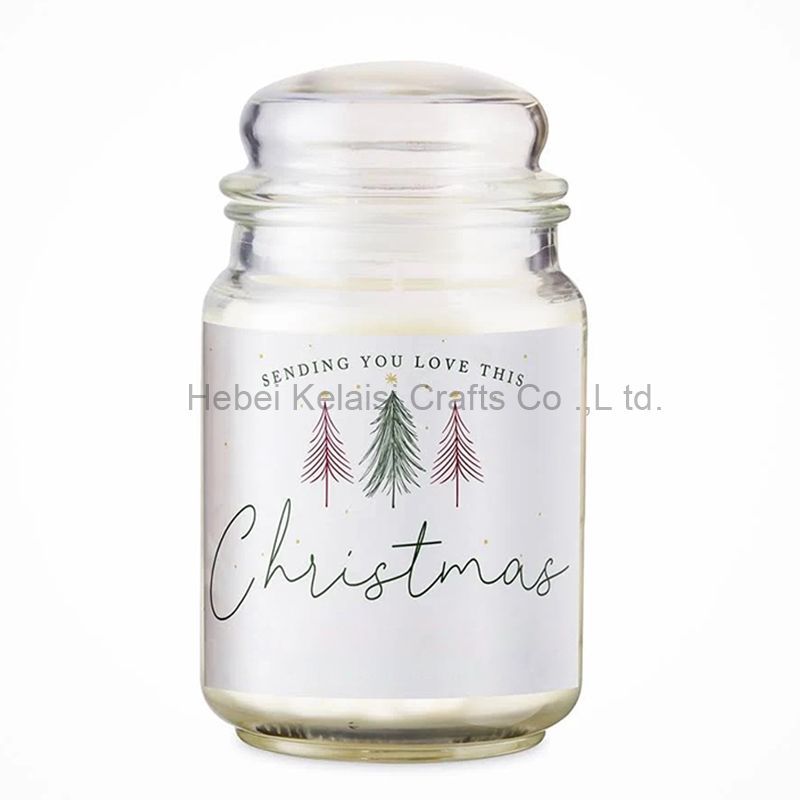 Big size decorative scented candle
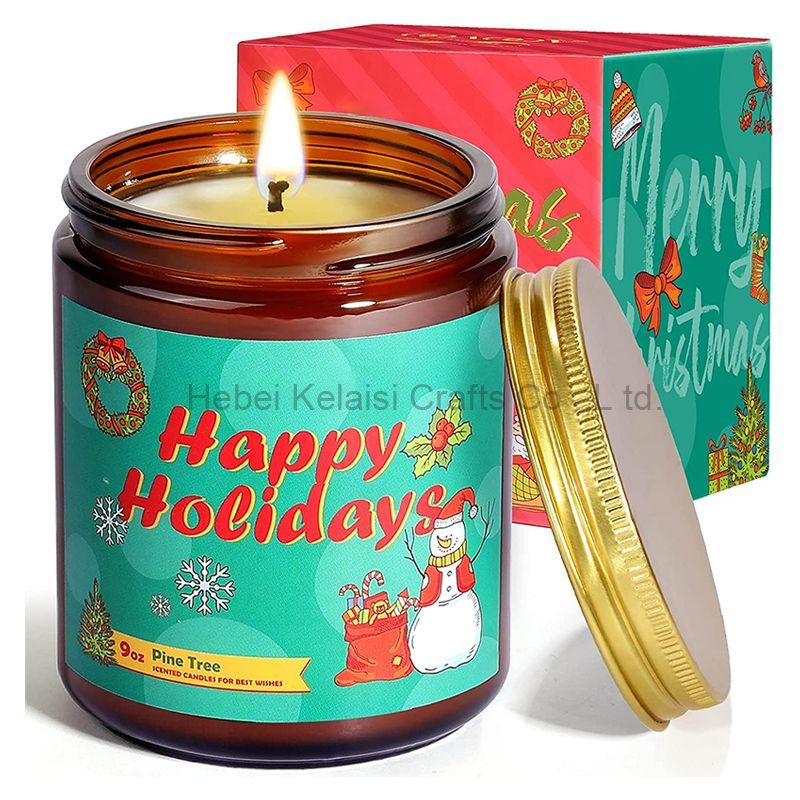 Christmas Scented Candles Gifts Sets for Women
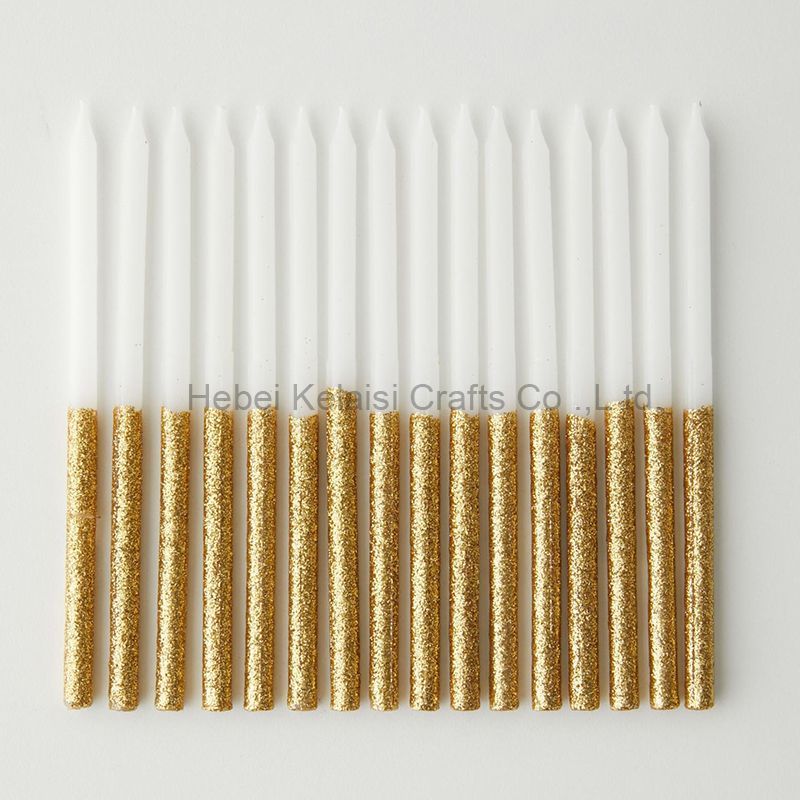 happy birthday long thin glitter cake candles
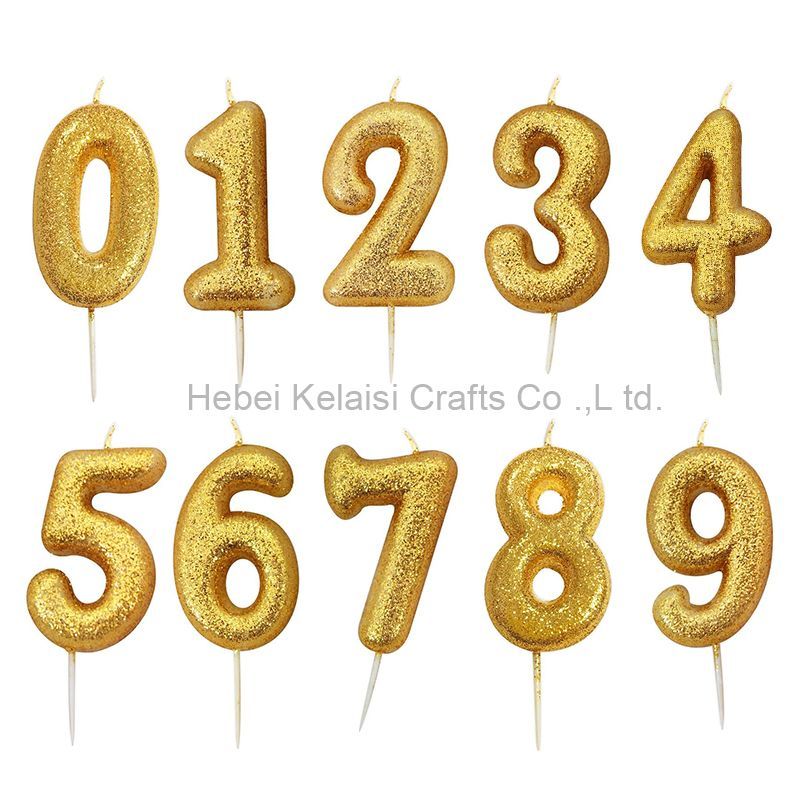 Luxury Golden Birthday Number Candle Sets
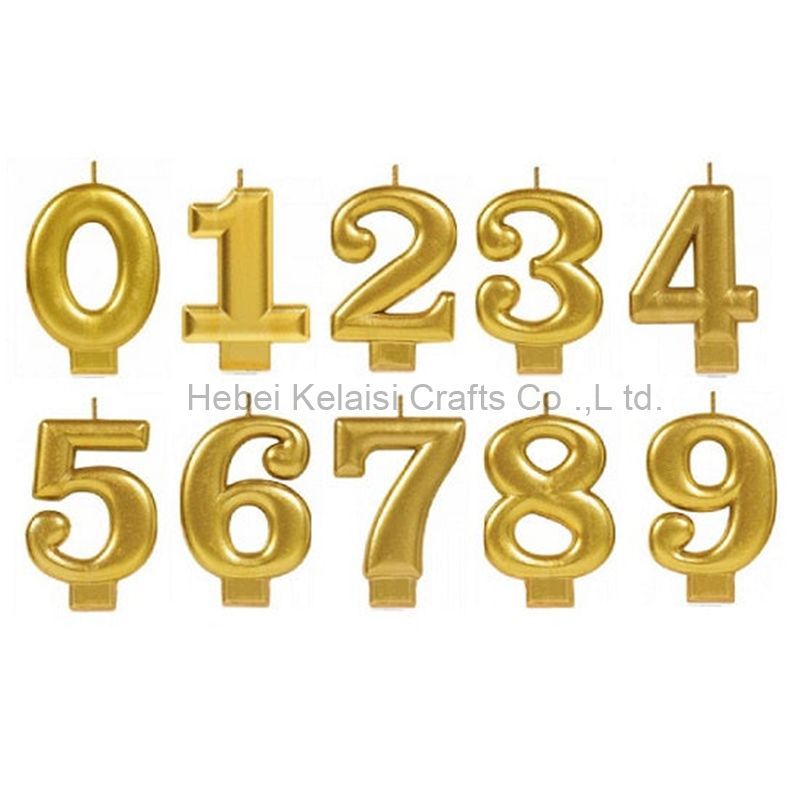 Fancy cake decoration number annual birthday candle
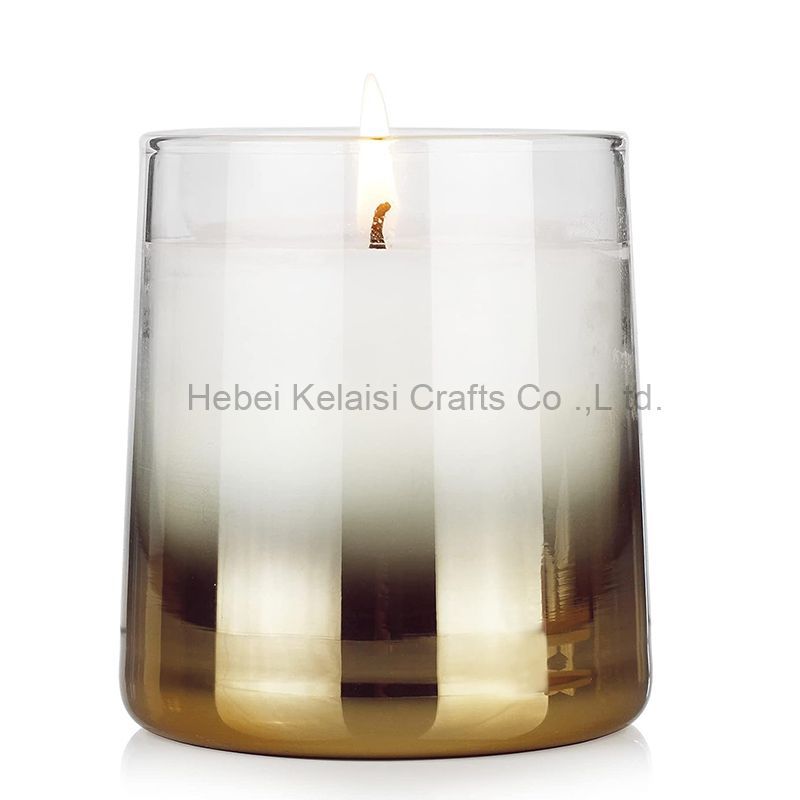 Gradient color Soy Wax Glass Jar Scented Candle
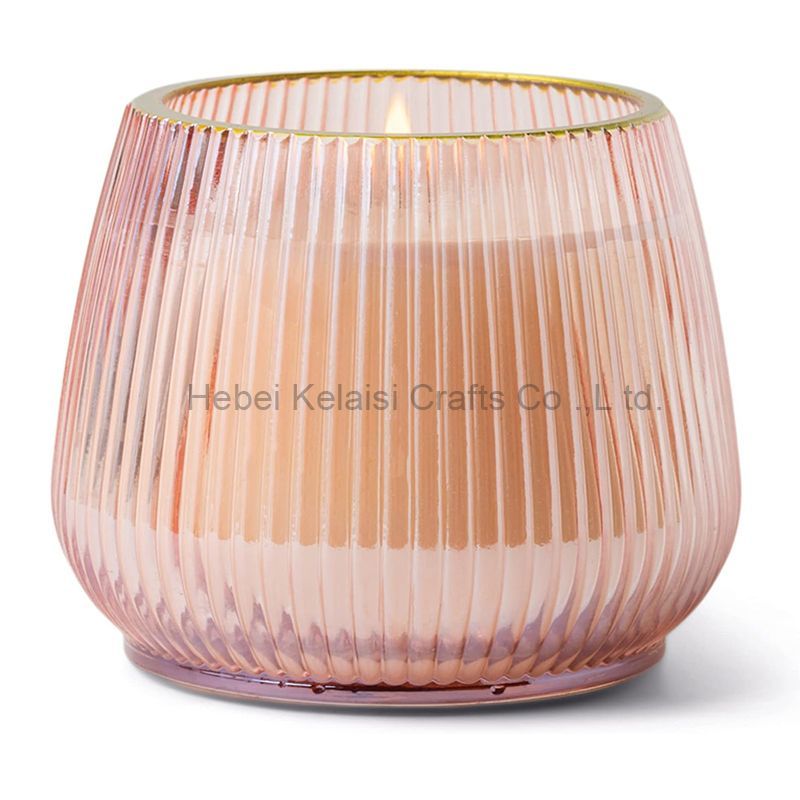 Origami Style Vertical Pattern Wine Glasses Jar Candles
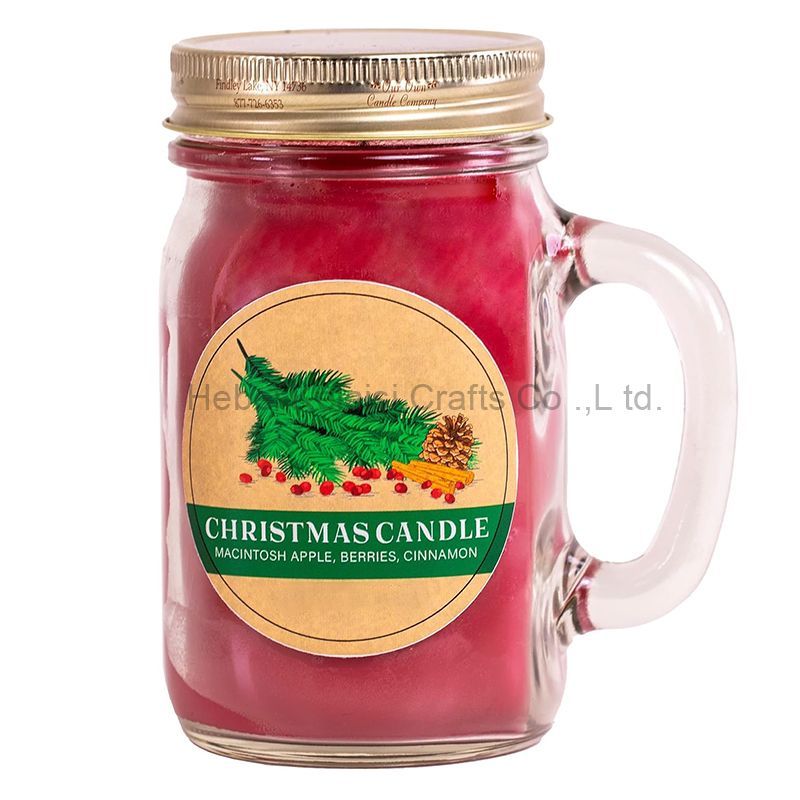 Custom Mini Glass Jar Scented Candle
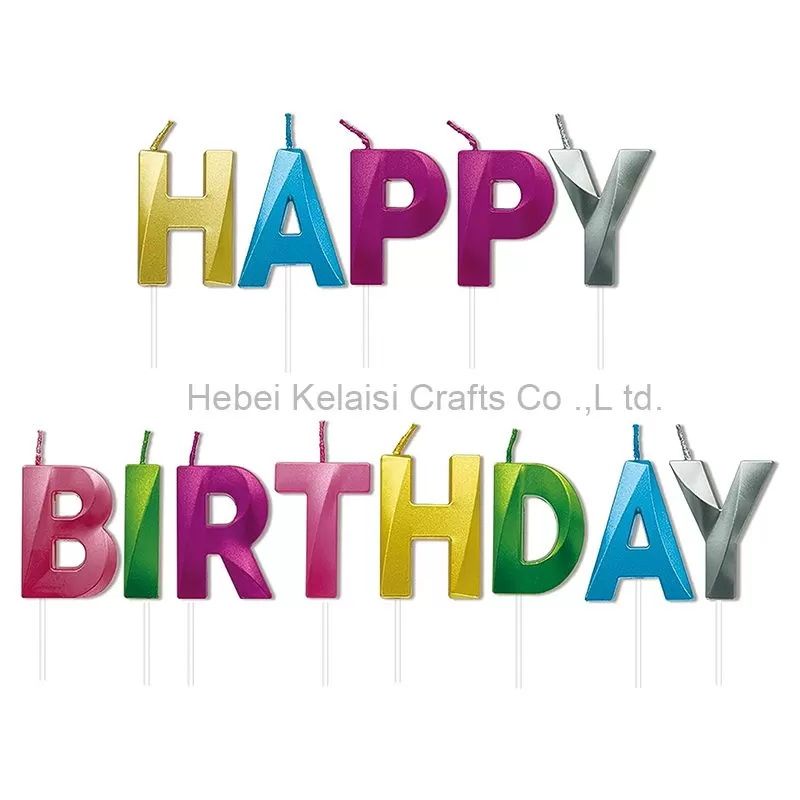 3D Letter Happy Birthday Candles
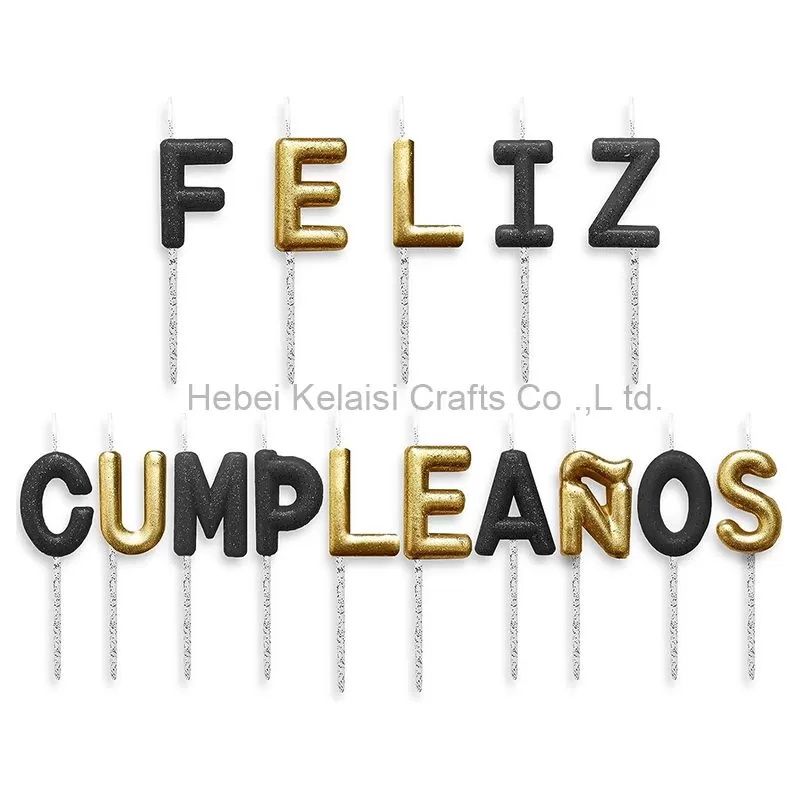 Decorative Birthday Candles
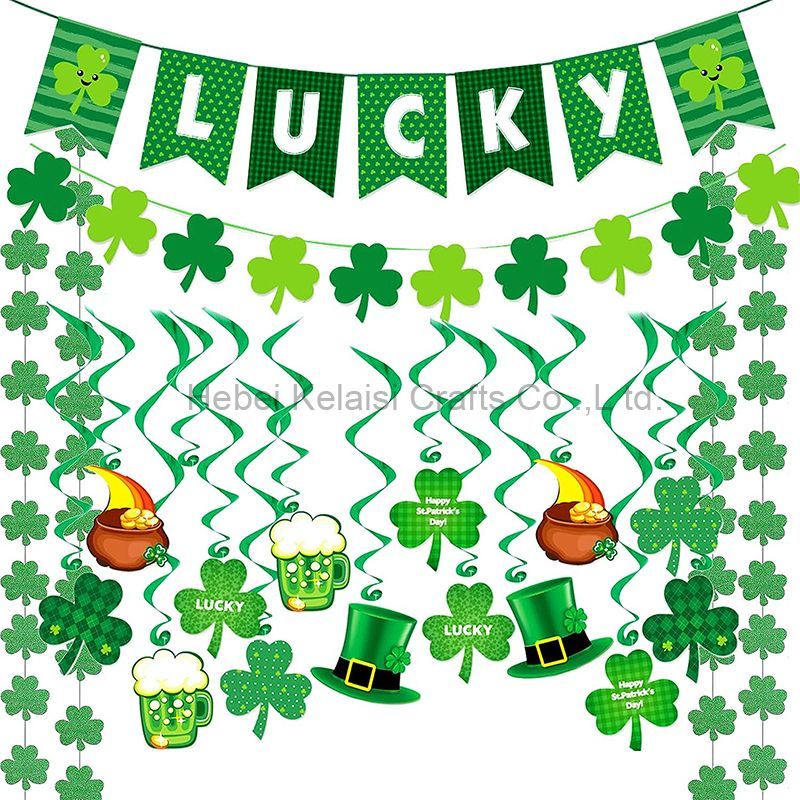 St. Patrick's Day Decorations Set
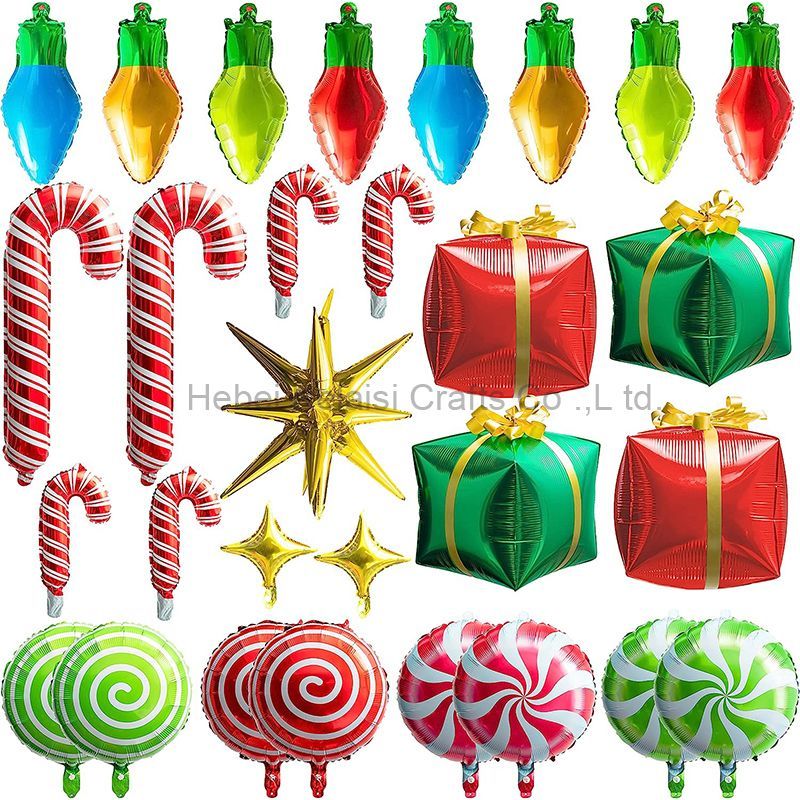 Christmas Party Balloons Supplies