Nov. 12, 2026
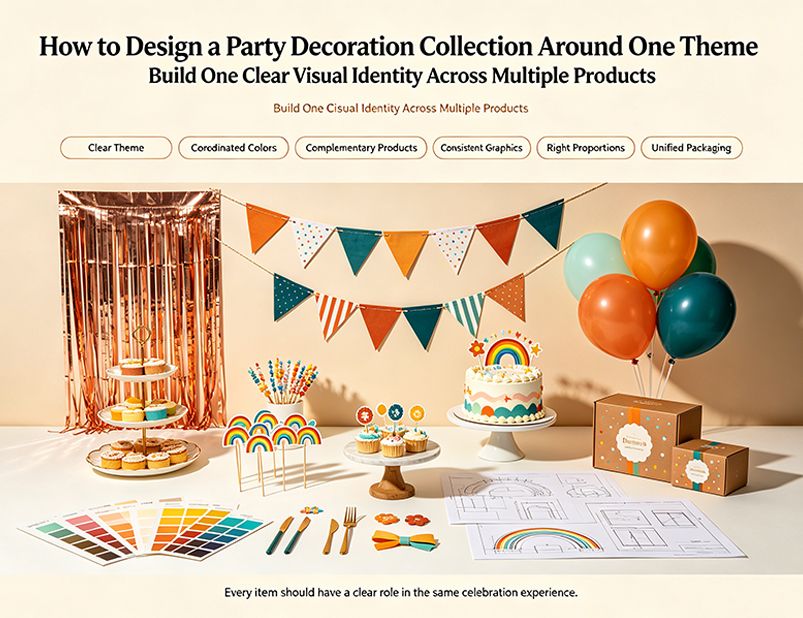
A successful party decoration collection is more than a group of individual products. It is a coordinated selection of decorations that work together to create a recognizable visual atmosphere.
For retailers and wholesalers, developing products around one theme can make an assortment easier to understand, display, and sell. Instead of offering unrelated decorations, a themed collection gives customers a clearer idea of how different items can be used together for a celebration.
However, creating a coordinated collection requires more than choosing a popular theme and applying it to several products. Colors, patterns, materials, product functions, and visual proportions all need to be considered.
Here are several important steps involved in developing a party decoration collection around one theme.
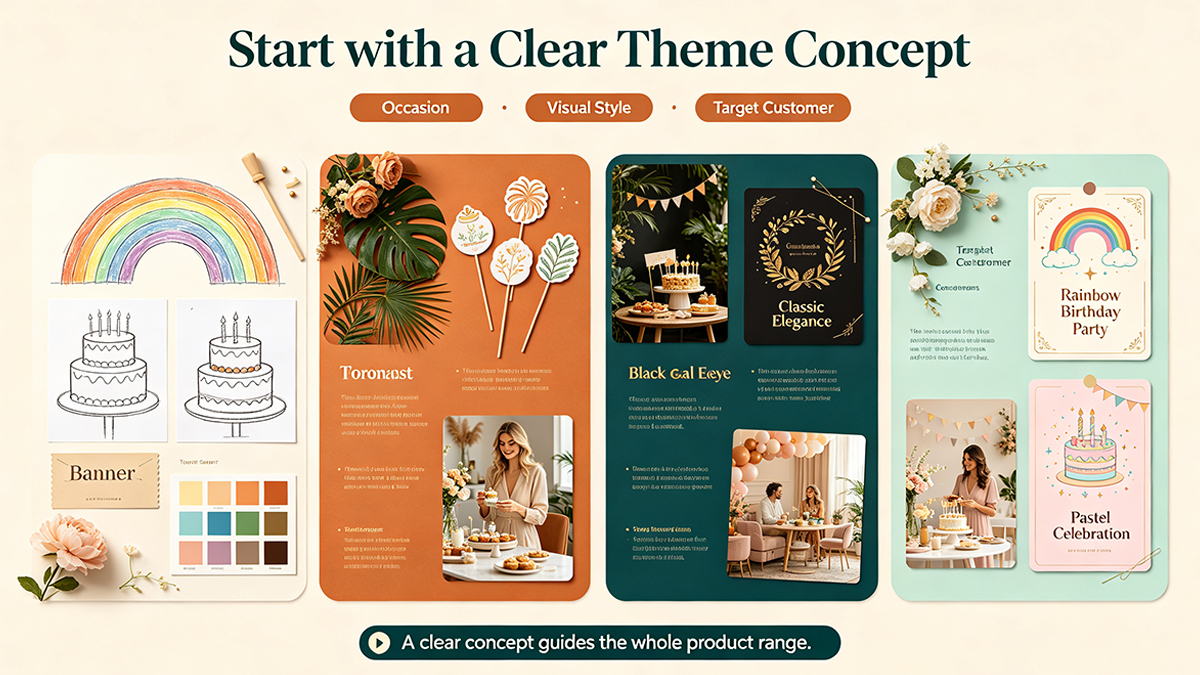
Every collection needs a central idea.
A theme may be based on a celebration, a visual style, a color combination, or a particular atmosphere. For example, a birthday collection could focus on a colorful rainbow concept, while another might use a more elegant combination of gold, black, and white.
The theme should be clear enough to guide product development but flexible enough to work across different decoration types.
Before selecting individual products, it is useful to define three things:
The occasion or celebration the collection is designed for
The visual style and atmosphere it should communicate
The customers who are most likely to use it
A clear concept helps prevent the collection from becoming a random combination of attractive but unrelated items.
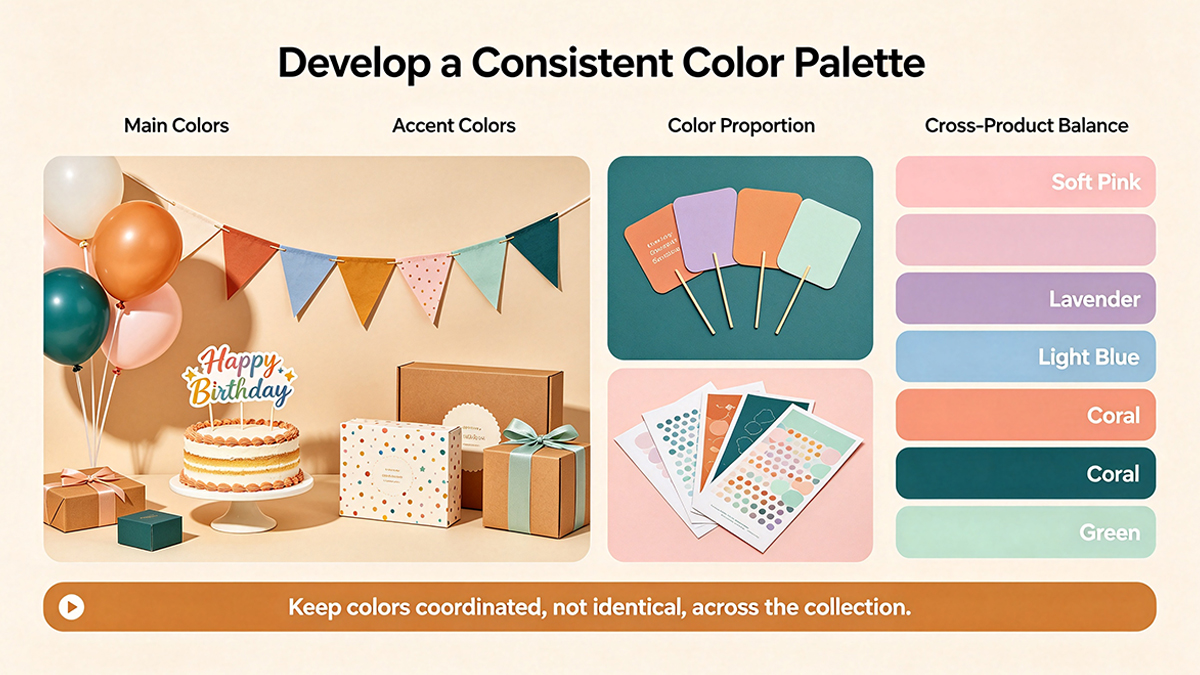
Color is one of the most important elements in a themed party collection.
Even when products have different functions, a consistent color palette helps them look like part of the same collection.
A practical approach is to select two or three main colors and use additional colors as accents when necessary.
For example:
Pastel theme: Soft pink, lavender, and light blue
Tropical theme: Green, yellow, and coral
Classic celebration: Gold, black, and white
Rainbow theme: Multiple bright colors arranged in a coordinated way
The proportions of each color also matter. If every product uses different colors in different amounts, the collection may lose its visual consistency.
Designers should consider how the colors appear across all products, rather than evaluating each item separately.
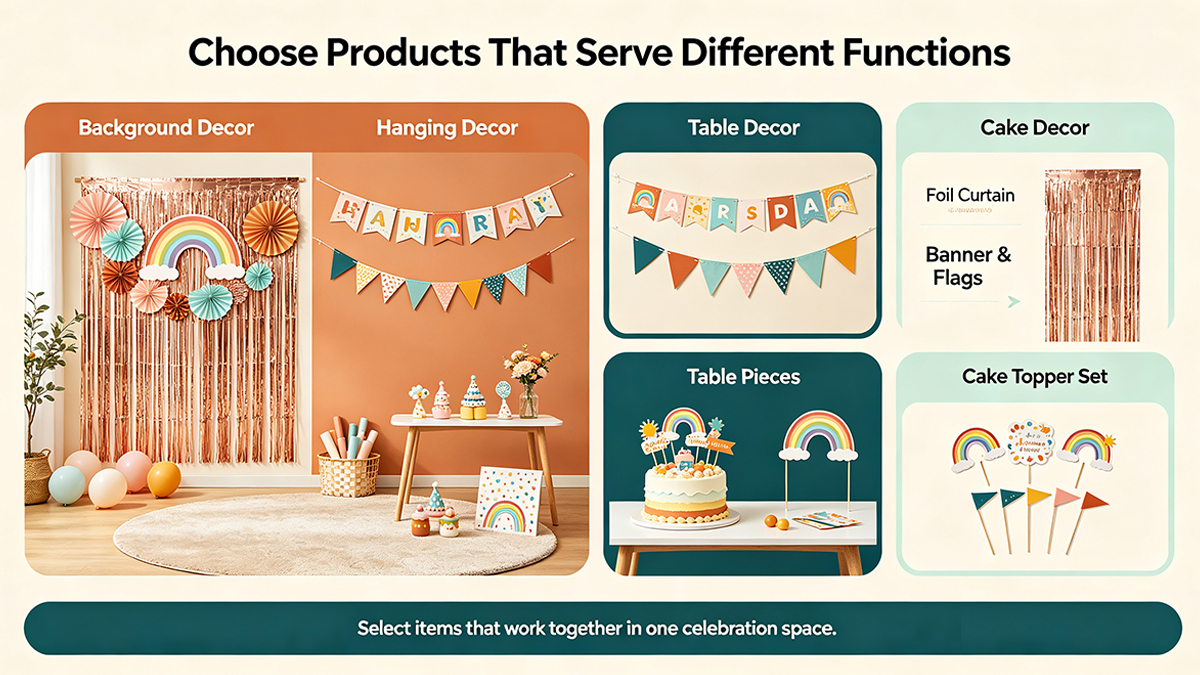
A themed collection should provide practical decoration options for different parts of a celebration.
Instead of selecting products only because they share a similar appearance, consider what each item contributes to the overall setup.
A collection might include:
Background decorations: Foil curtains and larger hanging decorations that help create the main visual setting.
Hanging decorations: Banners and flags that add theme-related details to walls or party spaces.
Table decorations: Smaller decorative pieces that help connect the overall theme with the celebration table.
Cake decorations: Cake topper flags and other small accessories that add a coordinated finishing touch.
Not every collection needs all these product types. The selection should depend on the occasion, target customer, expected retail price, and intended use.
The objective is to create a useful assortment in which the products complement one another.
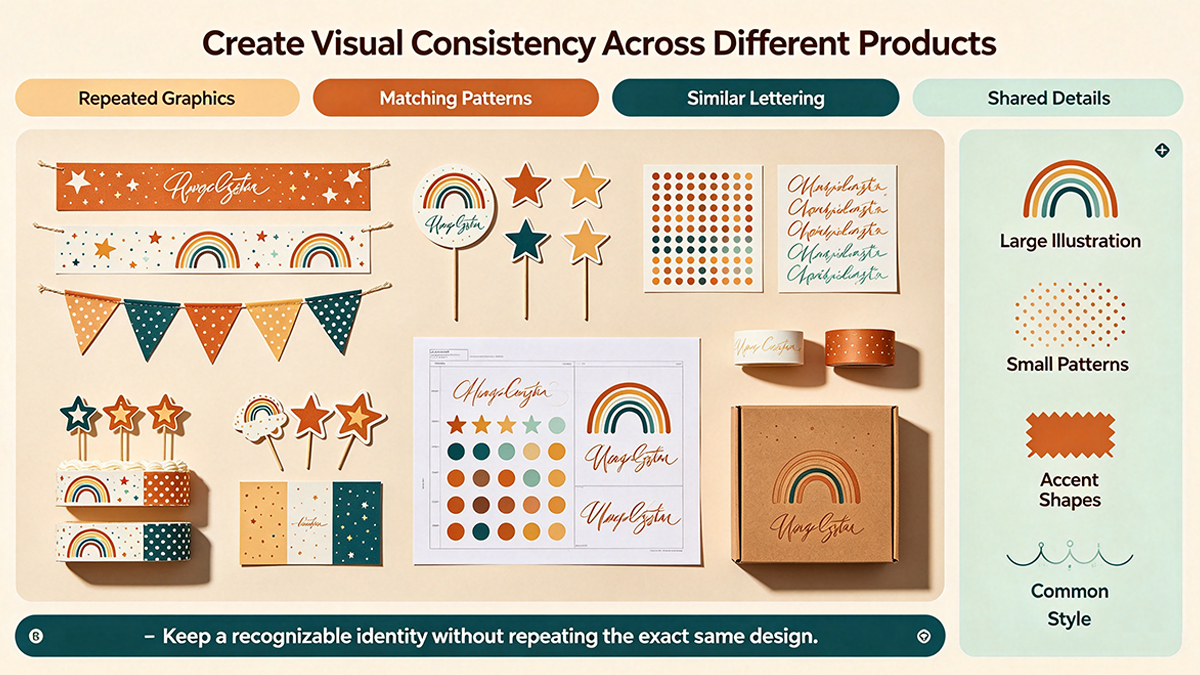
A collection can include many different products, but they should still feel connected.
Consistency can be achieved through repeated design elements such as patterns, illustrations, lettering styles, shapes, and decorative details.
For example, if a collection uses stars as its main graphic element, the same visual language could appear on banners, table decorations, and cake accessories.
This does not mean every product needs to look identical. Repeating exactly the same pattern across every item may make the collection feel repetitive.
Instead, designers can use related elements in different ways. One product might feature a large central illustration, while another uses smaller matching patterns.
This creates variety while maintaining a recognizable overall identity.
A coordinated collection should also work in a real celebration space.
Product dimensions and proportions influence how decorations interact with one another. A large background decoration may create the main visual focus, while smaller accessories provide supporting details.
When developing a collection, consider:
Whether the products can be displayed together comfortably
Whether smaller items remain visible next to larger decorations
Whether the proportions suit the intended celebration space
Whether the products are convenient to arrange and use
It is helpful to evaluate the collection as a complete setup rather than looking at individual product samples separately.
A design that looks balanced in a digital layout may appear different when the physical products are placed together.
Packaging is another part of the collection design.
For retail buyers, packaging helps customers understand what is included and how the products relate to one another.
If several items belong to the same theme, their packaging can use consistent colors, graphic elements, and product descriptions.
There are different ways to present a themed collection:
Individual products displayed as part of one coordinated series
A selection of matching items sold together as a party set
Multiple product combinations designed for different retail price points
The right approach depends on the retailer's sales channel and customer preferences.
Clear product information is especially important when a collection contains several individual items. Customers should be able to understand the contents, quantities, and intended uses without confusion.
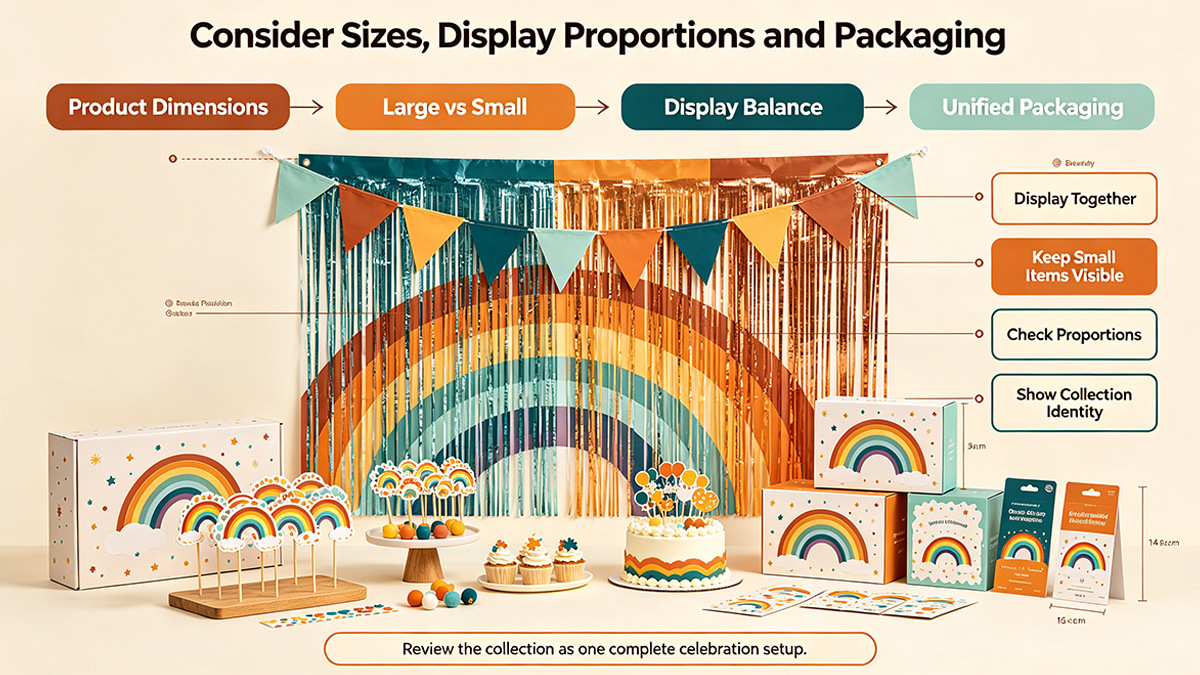
Before finalizing a collection, it is important to review all products together.
A collection may contain attractive individual designs but still lack a consistent overall appearance. Reviewing the products as a group helps identify differences in color, graphic style, scale, and visual direction.
A practical review can include:
Checking whether every product supports the main theme
Comparing colors across different product types
Evaluating the balance between large and small decorations
Reviewing whether the product combination is practical
Checking whether the packaging communicates one clear collection identity
Feedback from retailers and potential customers can also provide useful information when evaluating new designs.
Designing a party decoration collection around one theme requires more than repeating the same artwork across multiple products.
A well-developed collection combines a clear concept, coordinated colors, complementary product functions, consistent visual elements, suitable proportions, and thoughtful presentation.
For retailers and wholesalers, themed collections can make product selection and display more straightforward. For product developers, they provide a structured way to turn an individual design idea into a complete range of coordinated decorations.
The strongest collections are not necessarily the ones with the most products. They are the ones in which every item has a clear role and contributes to the same overall celebration experience.
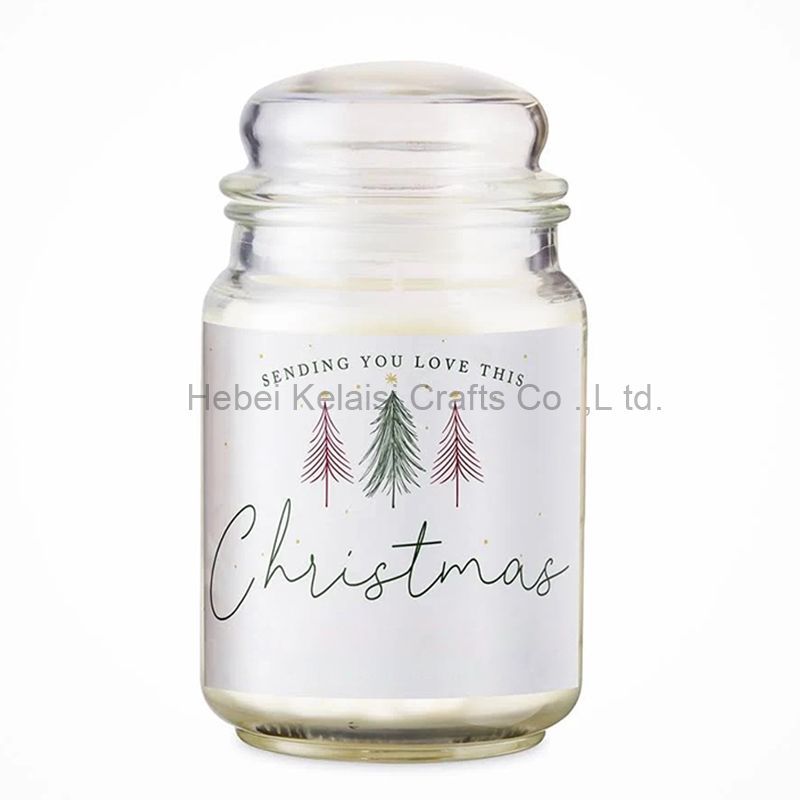 Big size decorative scented candle
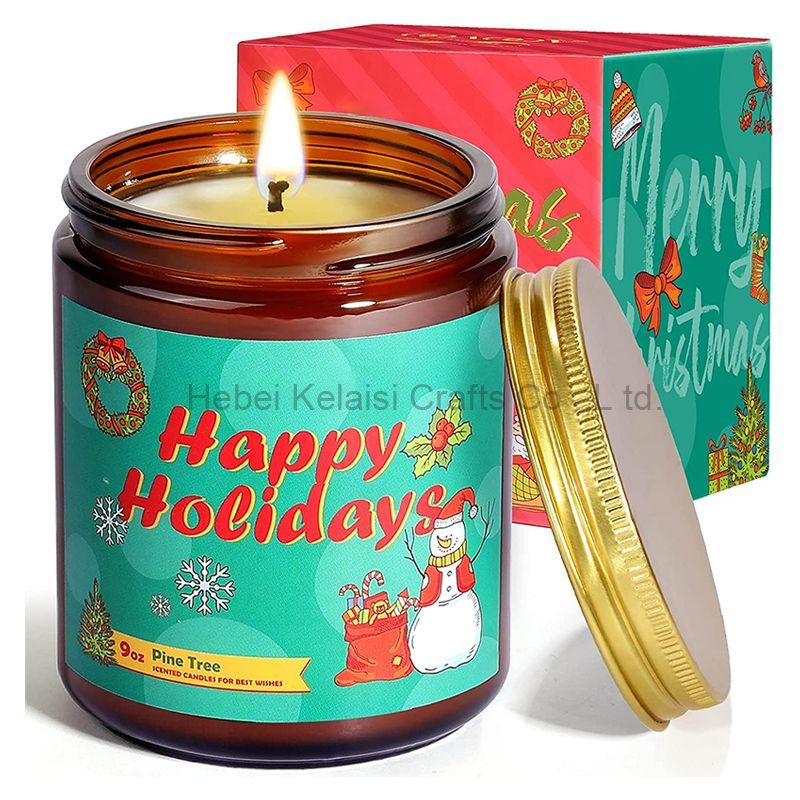 Christmas Scented Candles Gifts Sets for Women
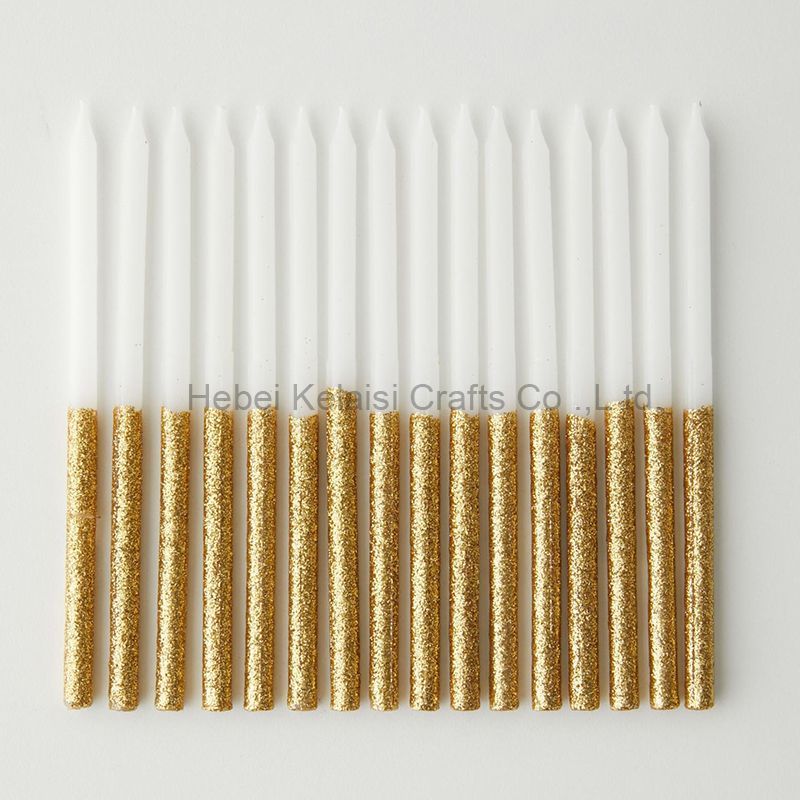 happy birthday long thin glitter cake candles
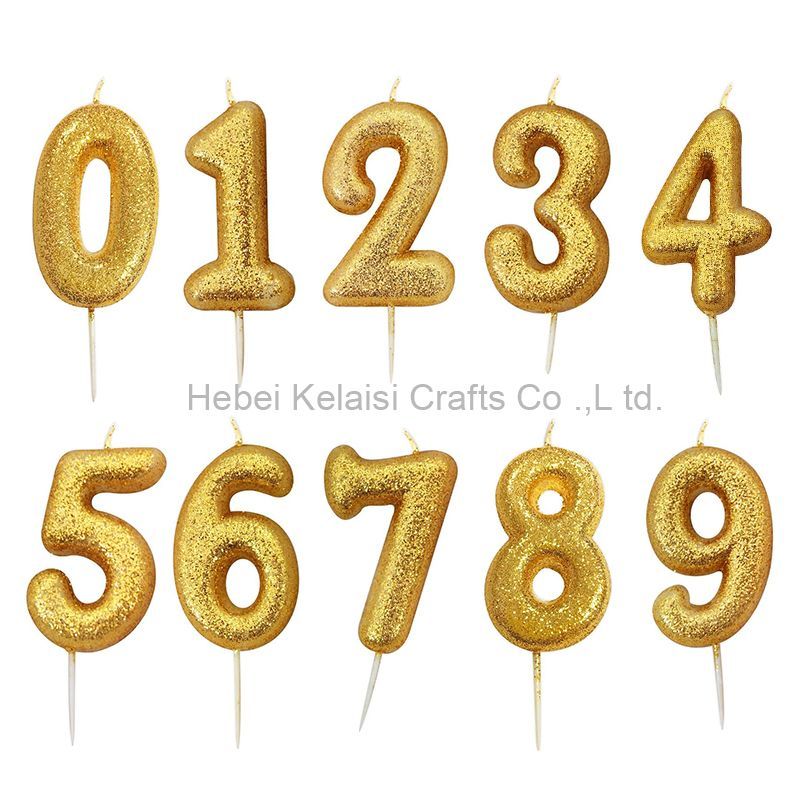 Luxury Golden Birthday Number Candle Sets
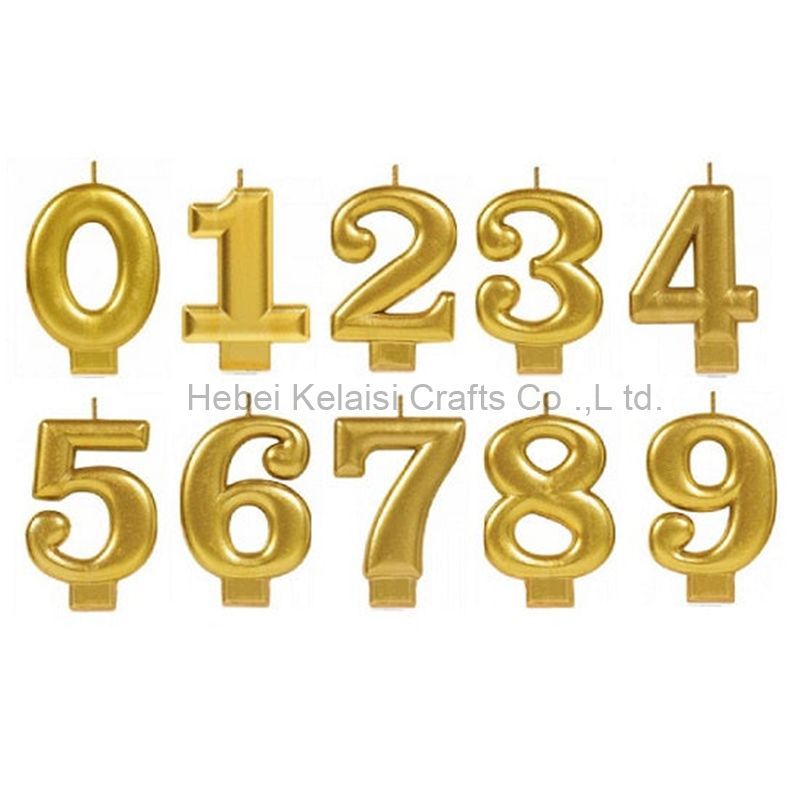 Fancy cake decoration number annual birthday candle
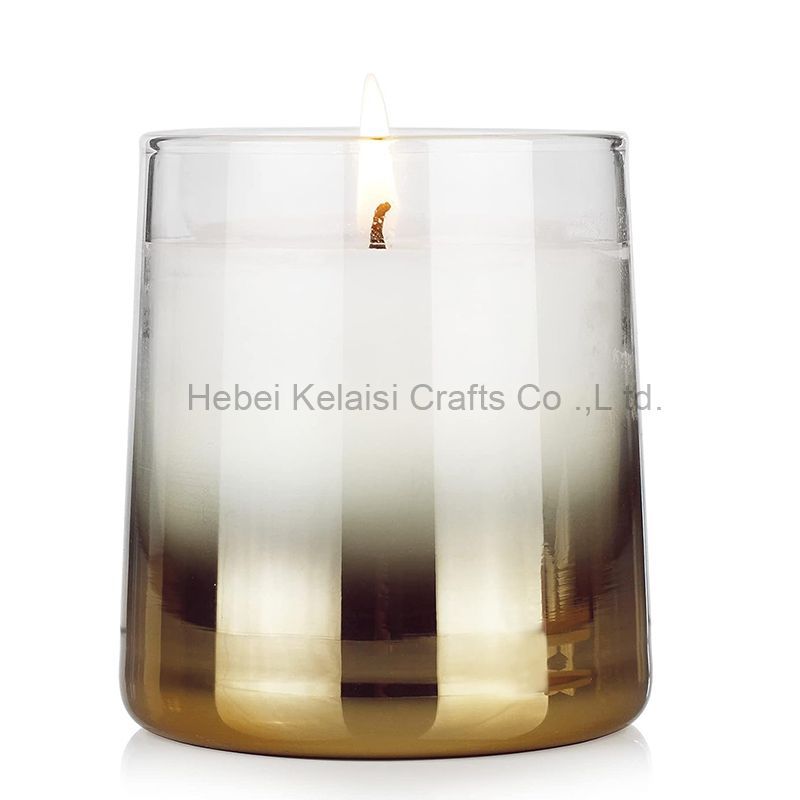 Gradient color Soy Wax Glass Jar Scented Candle
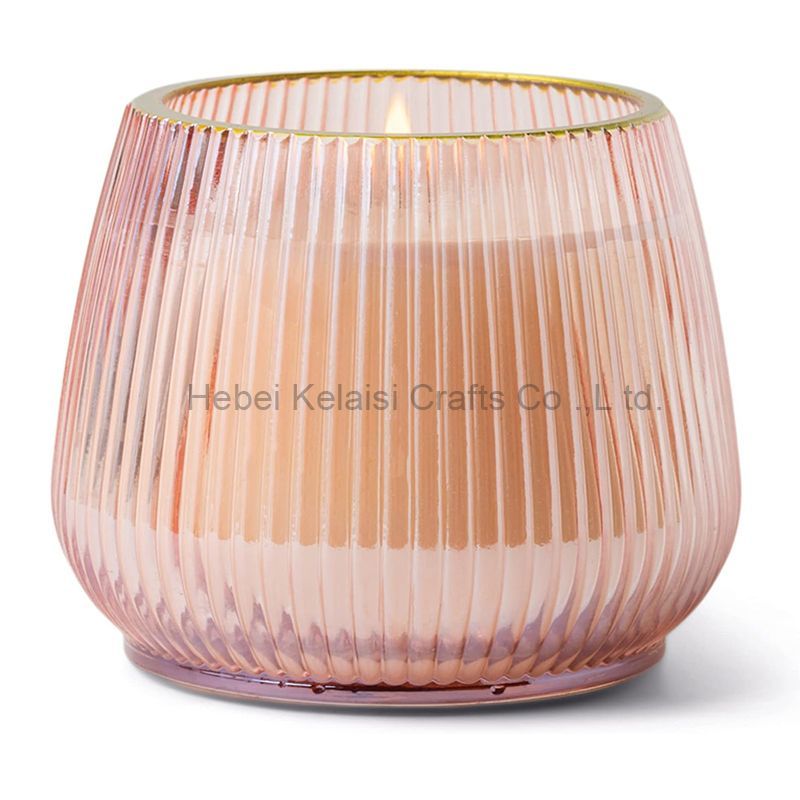 Origami Style Vertical Pattern Wine Glasses Jar Candles
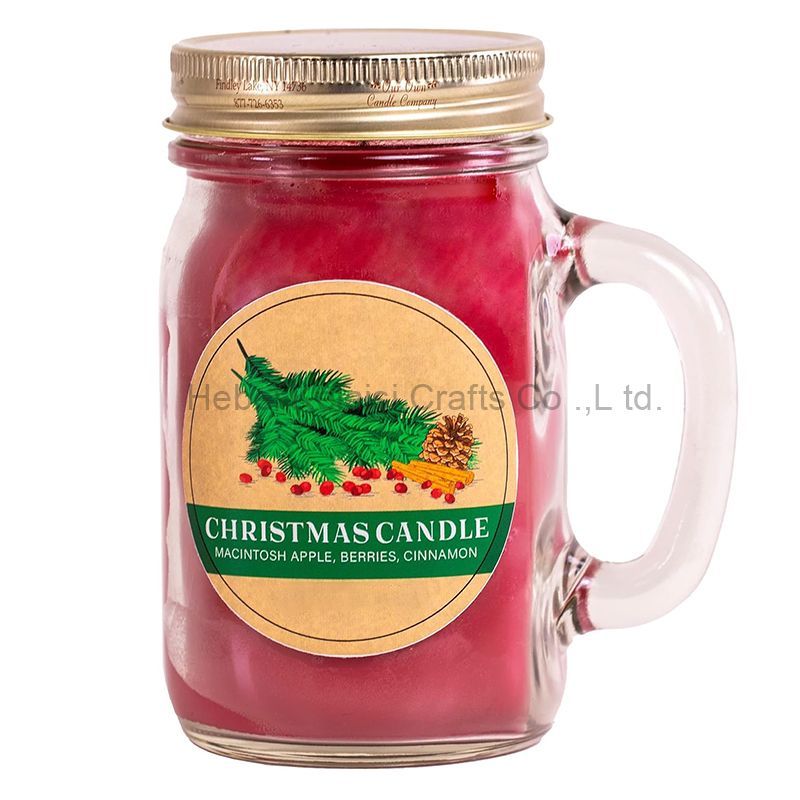 Custom Mini Glass Jar Scented Candle
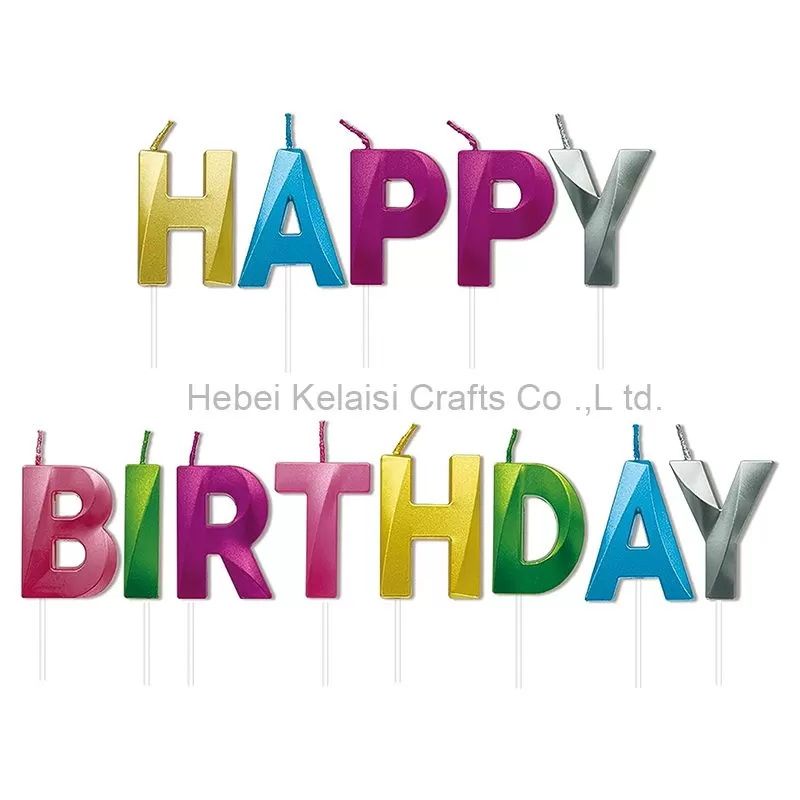 3D Letter Happy Birthday Candles
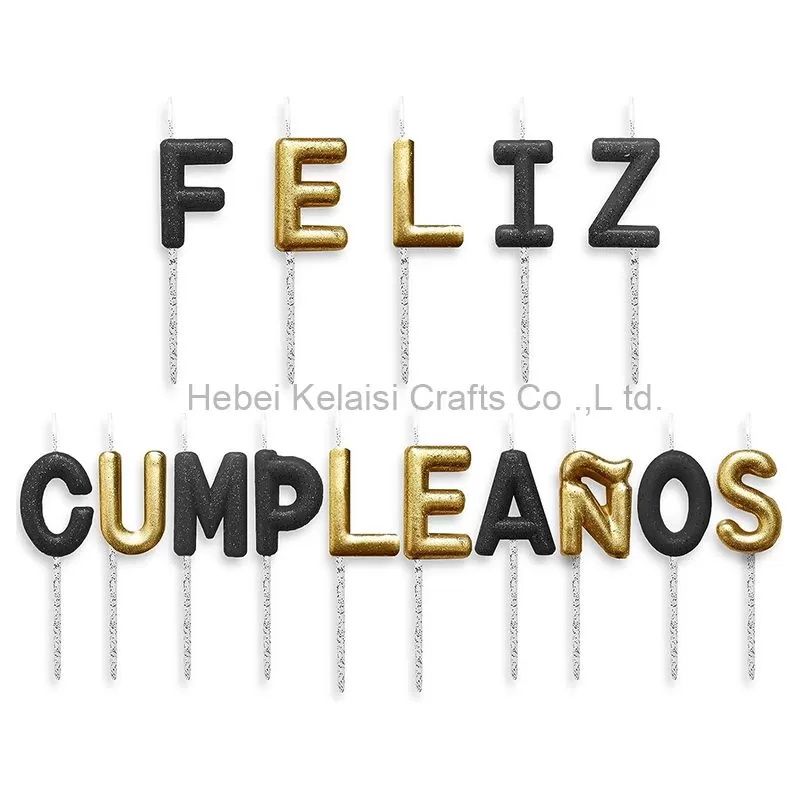 Decorative Birthday Candles
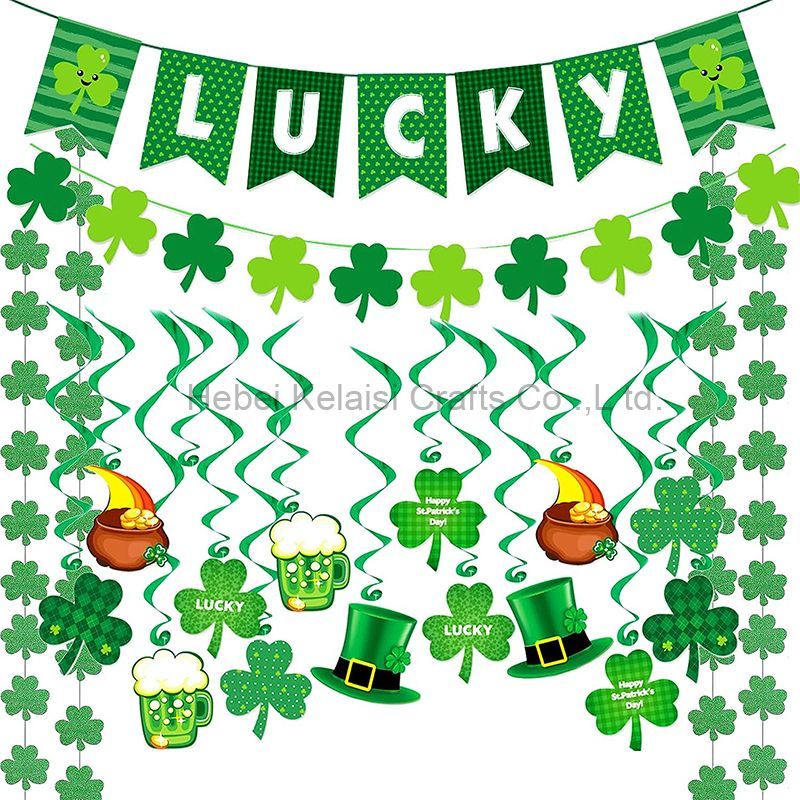 St. Patrick's Day Decorations Set
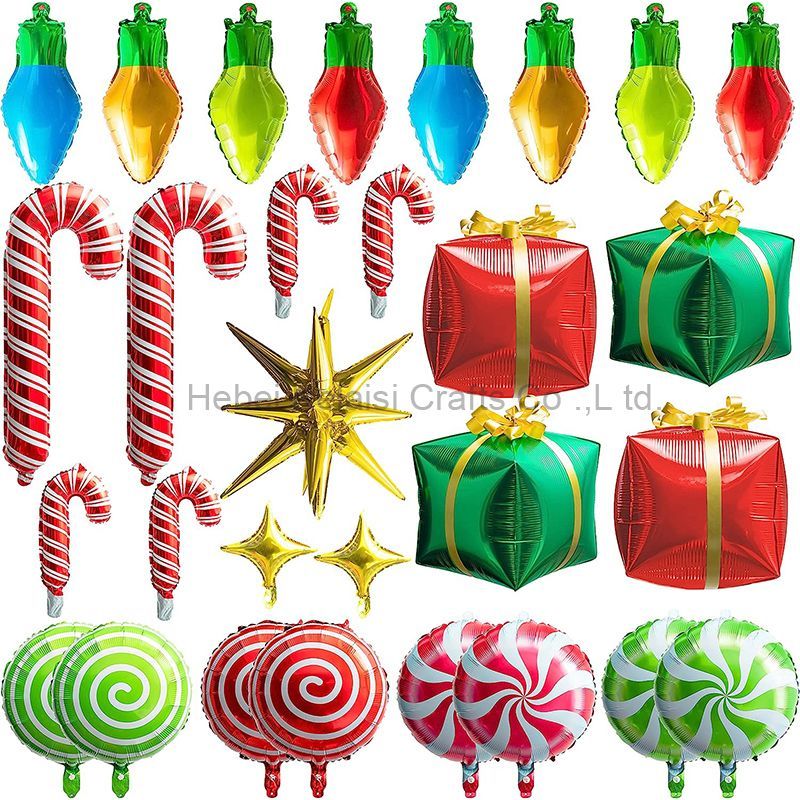 Christmas Party Balloons Supplies