Nov. 18, 2026
Foil fringe curtains are widely used as decorative backdrops for birthdays, celebrations, photo areas and special events. Their reflective surfaces and hanging fringe create movement, add visual depth and help transform an ordinary space into a more festive setting.
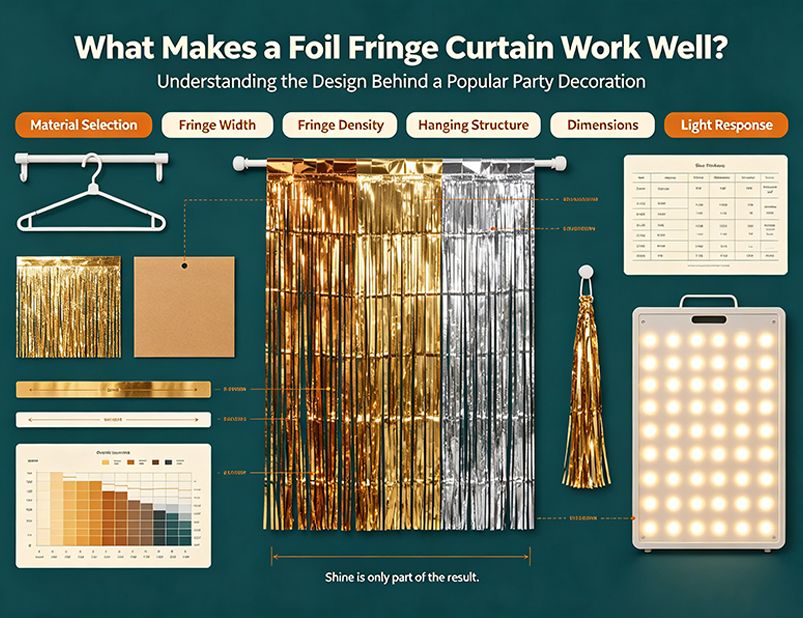
Although the design may appear simple, several factors determine how well a fringe curtain performs. Material selection, fringe width, cutting precision, hanging structure and overall coverage all influence its appearance and practical use.
For manufacturers and buyers, understanding these design elements provides a clearer way to evaluate the product beyond its color and price.
The material is one of the first considerations in foil fringe curtain production.
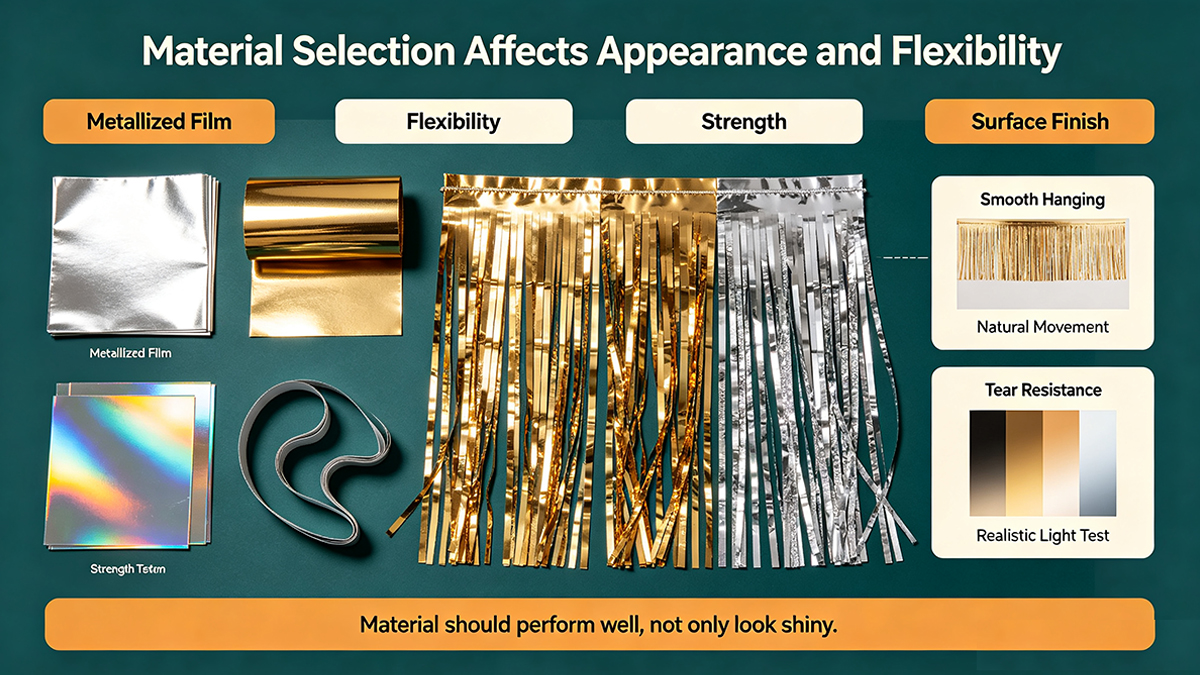
Many decorative fringe curtains use metallized plastic film to create a shiny, reflective surface. This material can produce different visual effects depending on its thickness, surface treatment and reflective finish.
A suitable material should offer enough flexibility for the individual strips to move naturally while maintaining sufficient strength for normal handling.
If the material is too stiff, the fringes may not hang smoothly. If it is too thin or fragile, the strips may tear more easily during installation or use.
Surface finish also influences the final appearance. Metallic gold and silver are common choices, while other colors and finishes can be used to match different event themes.
The important consideration is not simply how reflective the material looks under showroom lighting, but how it behaves in different environments.
The width of individual fringe strips has a direct influence on the curtain's appearance.
Narrow strips generally create a finer, more delicate visual texture. They can produce a dense reflective surface when arranged closely together.
Wider strips create a bolder appearance, with more noticeable individual movements and larger reflective sections.
Neither design is automatically better. The appropriate width depends on the intended application.
For example, a photo backdrop may benefit from a visually continuous surface, while a decorative installation designed to create movement may use a different fringe structure.
Manufacturers need to consider the relationship between strip width, spacing and the total curtain dimensions. These elements work together to determine how much of the background is covered and how the finished product looks from a distance.
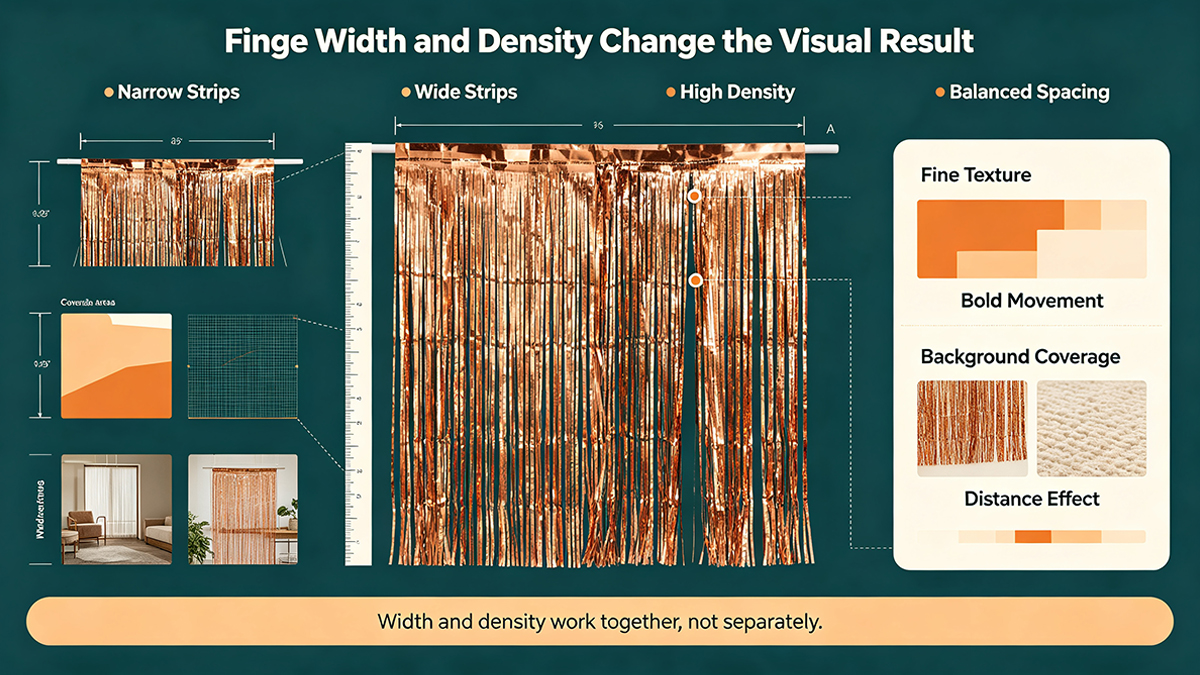
Fringe density is another important design characteristic.
It refers to how closely the individual strips are arranged across the curtain. Higher density generally creates more complete visual coverage, while wider gaps allow more of the background to remain visible.
This difference can influence the product's suitability for different settings.
For photography, a curtain with more continuous coverage may help create a stronger visual background. For decorative installations where movement and layering are important, a less compact arrangement may also be appropriate.
However, density should not be evaluated independently of material and strip width.
A curtain with narrow strips may still look sparse if the spacing is too wide. Similarly, wider strips arranged too closely may create a heavy appearance.
The design objective is to achieve a suitable balance between coverage, movement and visual texture.
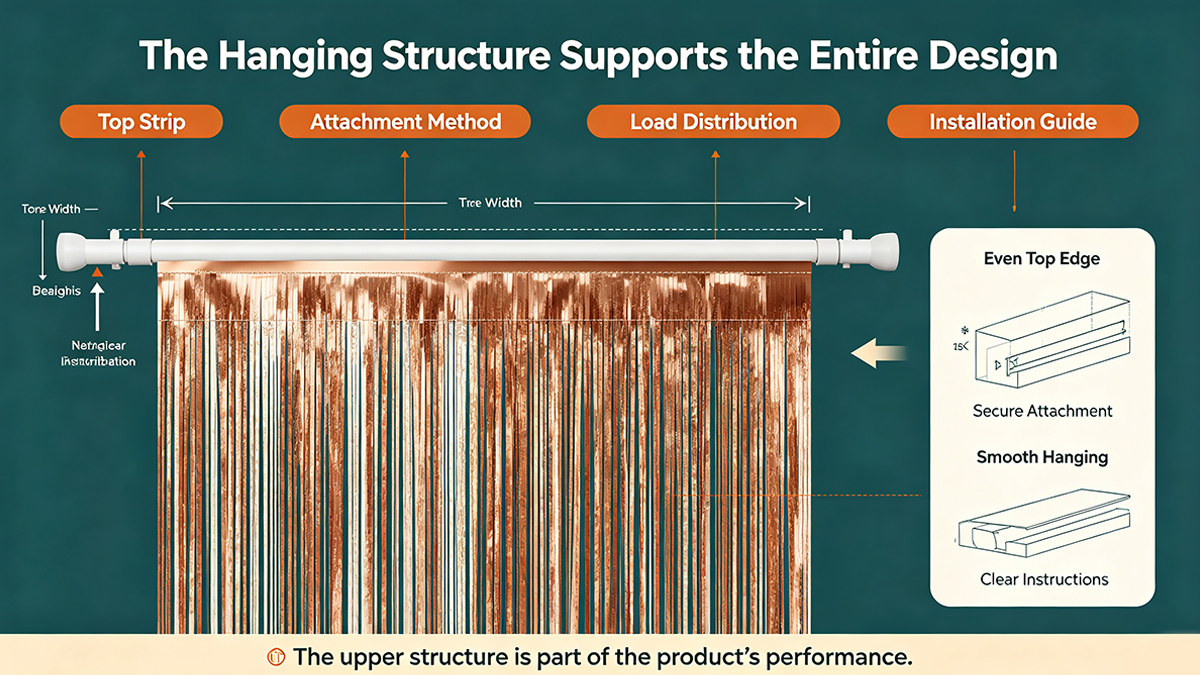
The upper section of a foil fringe curtain plays an important role in how the product is installed and displayed.
Many designs use an adhesive strip or another attachment structure along the top edge. This section needs to support the hanging decoration while allowing the fringe to remain properly positioned.
The strength and consistency of the attachment area matter because the weight of the curtain is distributed along its upper edge.
If the adhesive is unsuitable for the intended surface, installation may become difficult. If the top structure is uneven, the curtain may hang irregularly.
Manufacturers should therefore consider the attachment method, the width of the upper strip and the intended installation environment.
Clear installation instructions can also help users position the curtain correctly and reduce unnecessary handling.
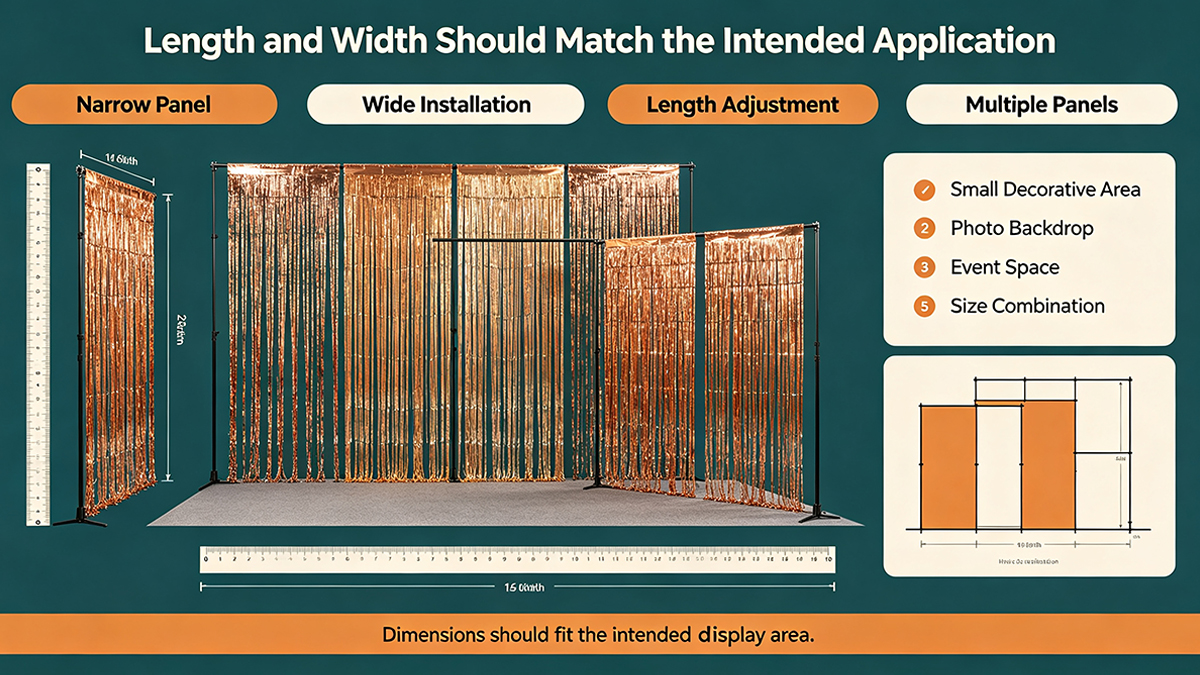
Curtain dimensions influence both the visual impact and the practical installation process.
A narrow curtain may be suitable for a small decorative area, while a wider installation may require multiple panels or a larger single piece.
Length is equally important. A curtain that is too short may leave unwanted gaps, while an excessively long design may require adjustment depending on the installation location.
For event planners and retailers, understanding the intended display area helps determine the appropriate dimensions.
For manufacturers, offering different size specifications can address different decorative applications without changing the fundamental product concept.
The relationship between width, length and fringe density should be considered together when developing a product specification.
One distinctive feature of foil fringe curtains is their interaction with light.
Unlike matte decorative materials, reflective surfaces respond to their surroundings. The same curtain can appear different under natural daylight, warm indoor lighting, cool LED lighting or camera flash.
The direction of the light source also matters. Front lighting can create a different visual result from side lighting, which may highlight the movement and texture of individual strips.
This is particularly relevant for photo backdrops and event decoration.
A product that looks attractive under one lighting condition may produce a different effect in another environment. Therefore, product photography and visual evaluation should consider realistic usage conditions.
For buyers selecting colors and finishes, it is useful to assess samples under more than one lighting condition rather than relying entirely on digital images.

The overall appearance of a foil fringe curtain depends on how several design elements work together.
Cutting consistency helps create a more uniform fringe pattern. An even upper edge supports a cleaner hanging appearance. Suitable material flexibility allows the strips to move naturally, while appropriate density contributes to background coverage.
These characteristics are interconnected.
For example, changing fringe width may affect the visual density of the curtain. Changing material thickness may influence flexibility and movement. Adjusting the overall dimensions may require a different attachment design.
For manufacturers, this means that product development should evaluate the complete structure rather than treating each specification as an isolated decision.
A foil fringe curtain may be a simple decorative item, but its visual performance depends on several carefully considered design elements.
Material flexibility, fringe width, density, hanging structure, dimensions and reflective properties all contribute to the final result.
Understanding these factors helps buyers evaluate decorative backdrops more effectively and gives manufacturers a clearer framework for product development.
Ultimately, a well-designed foil fringe curtain is not defined by its shine alone. It is the combination of material, structure and visual balance that makes it suitable for different celebration and decoration environments.
 Big size decorative scented candle
 Christmas Scented Candles Gifts Sets for Women
 happy birthday long thin glitter cake candles
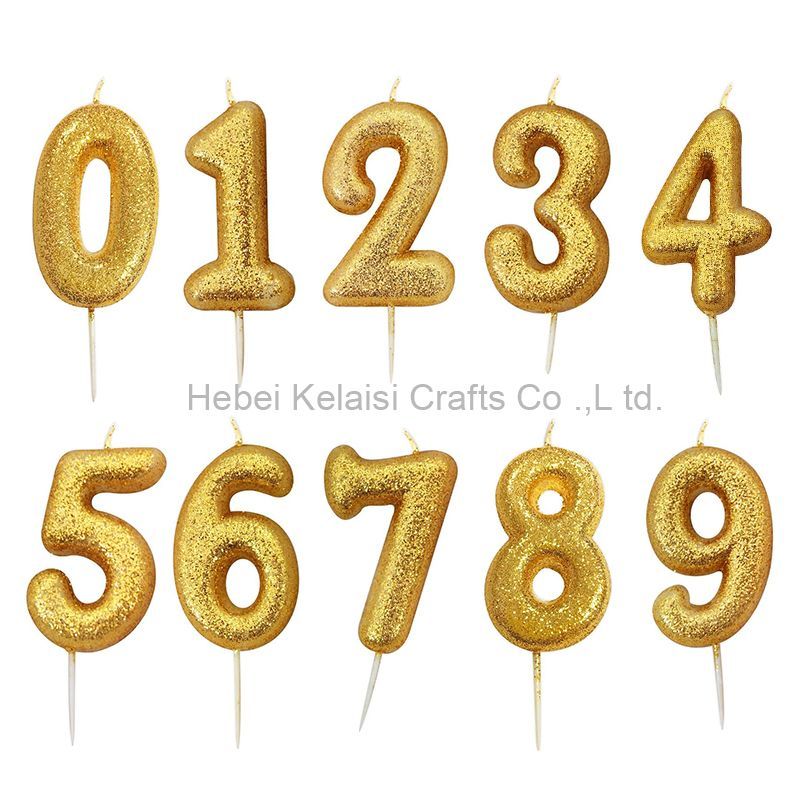 Luxury Golden Birthday Number Candle Sets
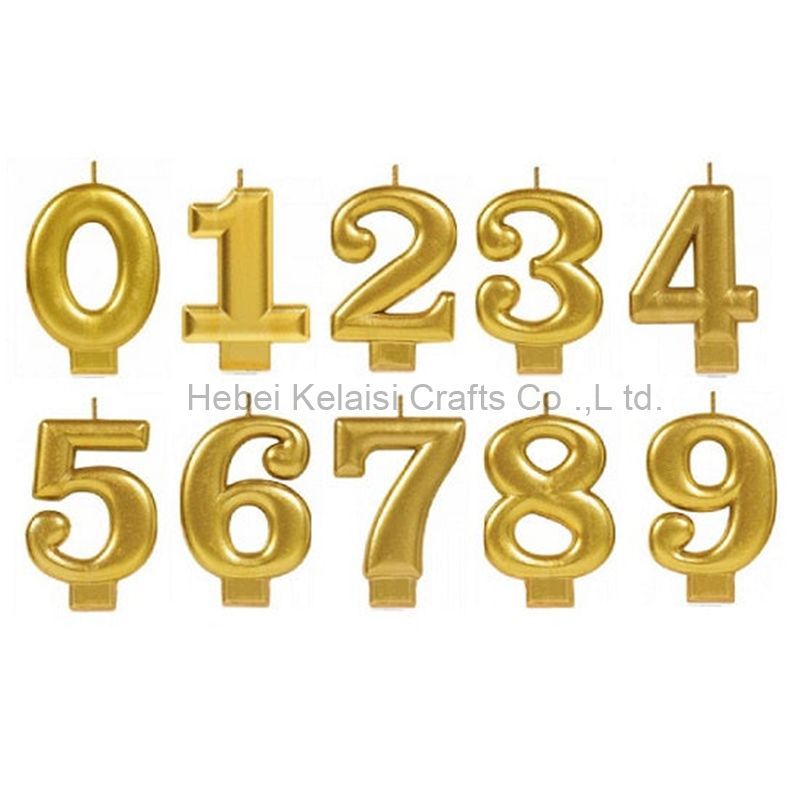 Fancy cake decoration number annual birthday candle
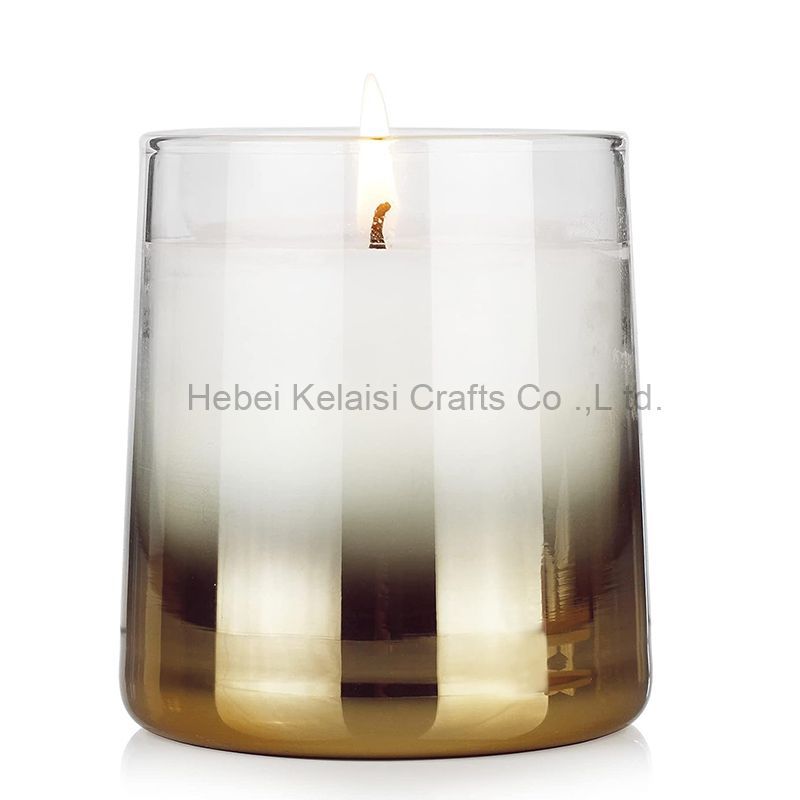 Gradient color Soy Wax Glass Jar Scented Candle
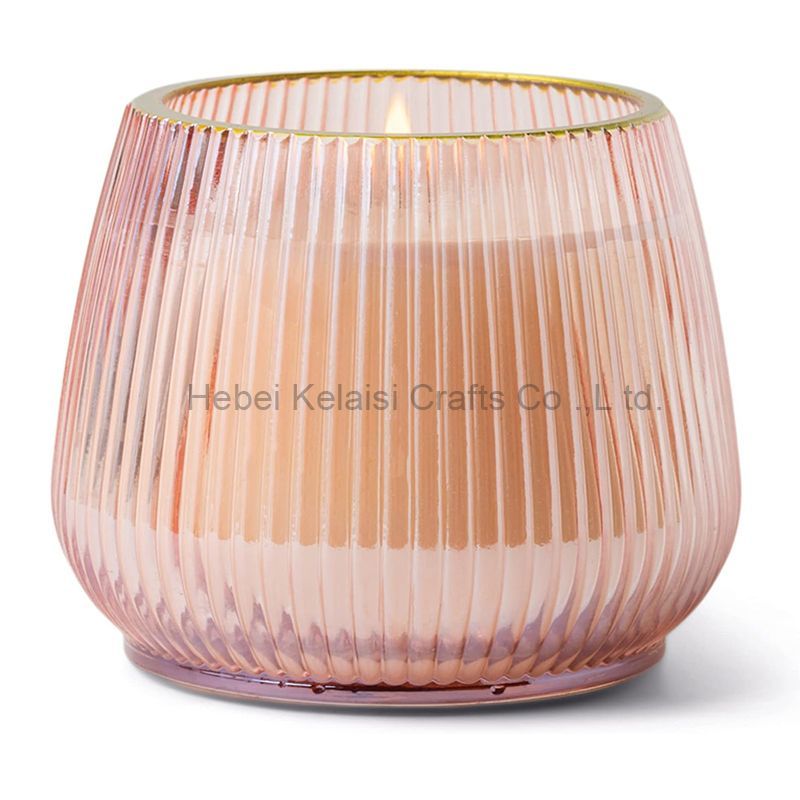 Origami Style Vertical Pattern Wine Glasses Jar Candles
 Custom Mini Glass Jar Scented Candle
 3D Letter Happy Birthday Candles
 Decorative Birthday Candles
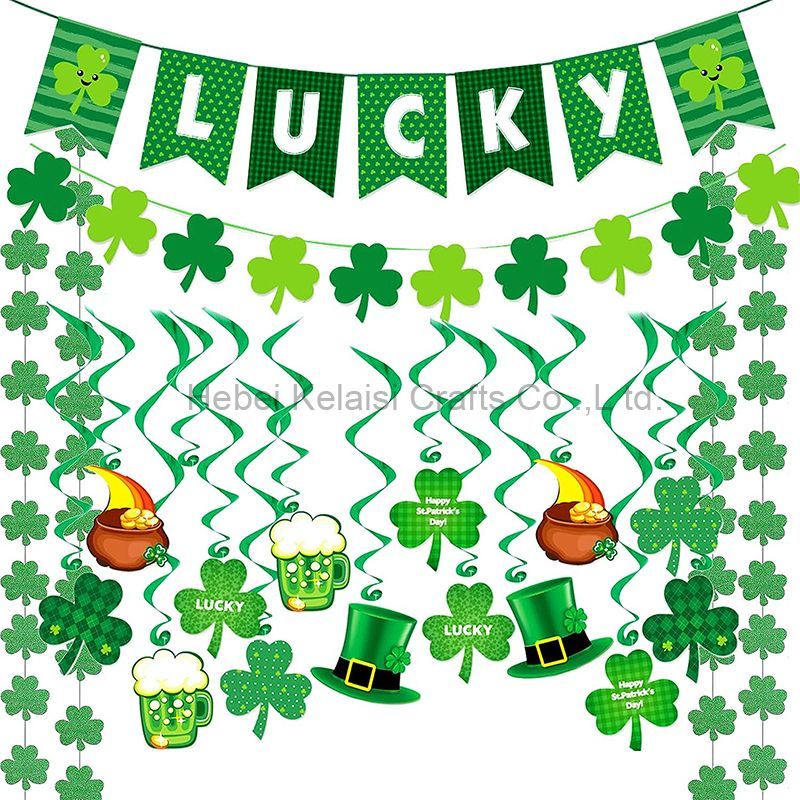 St. Patrick's Day Decorations Set
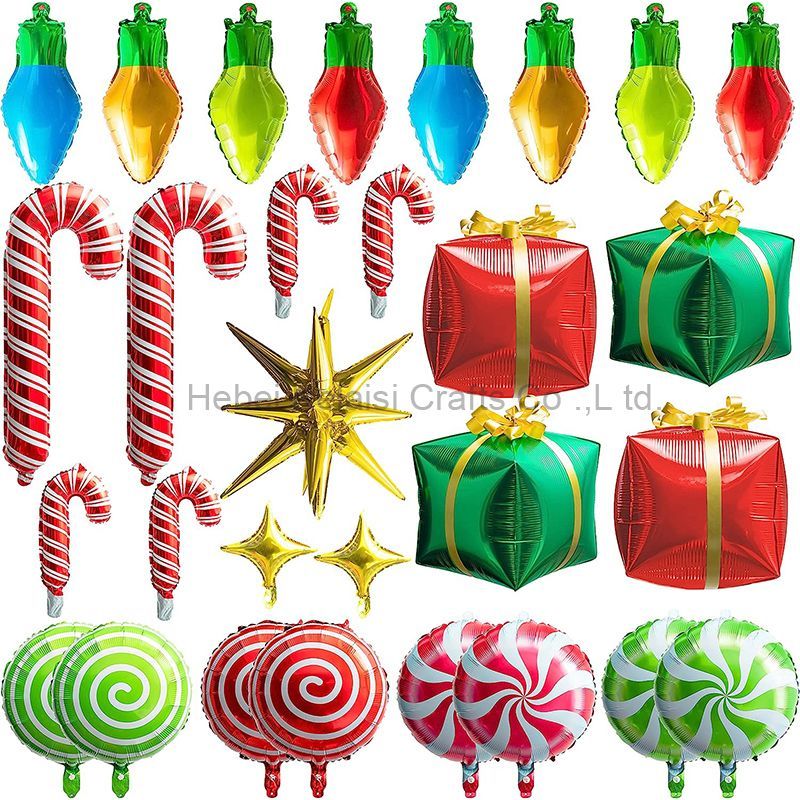 Christmas Party Balloons Supplies