Oct. 15, 2026
For a small e-commerce business, expanding a product range can open up new opportunities. But when a seller moves from local purchasing to importing directly from another country, choosing the right products is only part of the decision.
Jace, an e-commerce seller in Venezuela, wanted to expand the birthday candle selection in his online store. He had previously purchased products locally, but he was now considering sourcing directly from China.
His goal was straightforward: offer more choices to customers and test the local market to see which products sold best. The challenge was working out how to build a suitable assortment without overlooking minimum order quantities, shipping costs, customs clearance, and the other expenses involved in importing.
His experience illustrates several important considerations for small importers planning their first birthday candle order.
Before discussing the order in detail, Jace had already researched his market and selected 12 birthday candle products he wanted to purchase.
His selection reflected a common challenge for online sellers. Customers may look for different designs depending on the occasion, age, personal preference, or the style of a birthday celebration. Offering a wider range can help a store explore these different needs.
However, a larger assortment also means more purchasing decisions. Each product requires inventory investment, and a small seller may not yet know which designs will generate the most demand.
Rather than choosing products simply because they looked appealing, Jace wanted to use his initial assortment to explore what might work for his customers.
This is a reasonable starting point for a business expanding into a product category, but market research alone cannot guarantee sales. Product selection still needs to be balanced against the amount of stock the business can afford to hold.
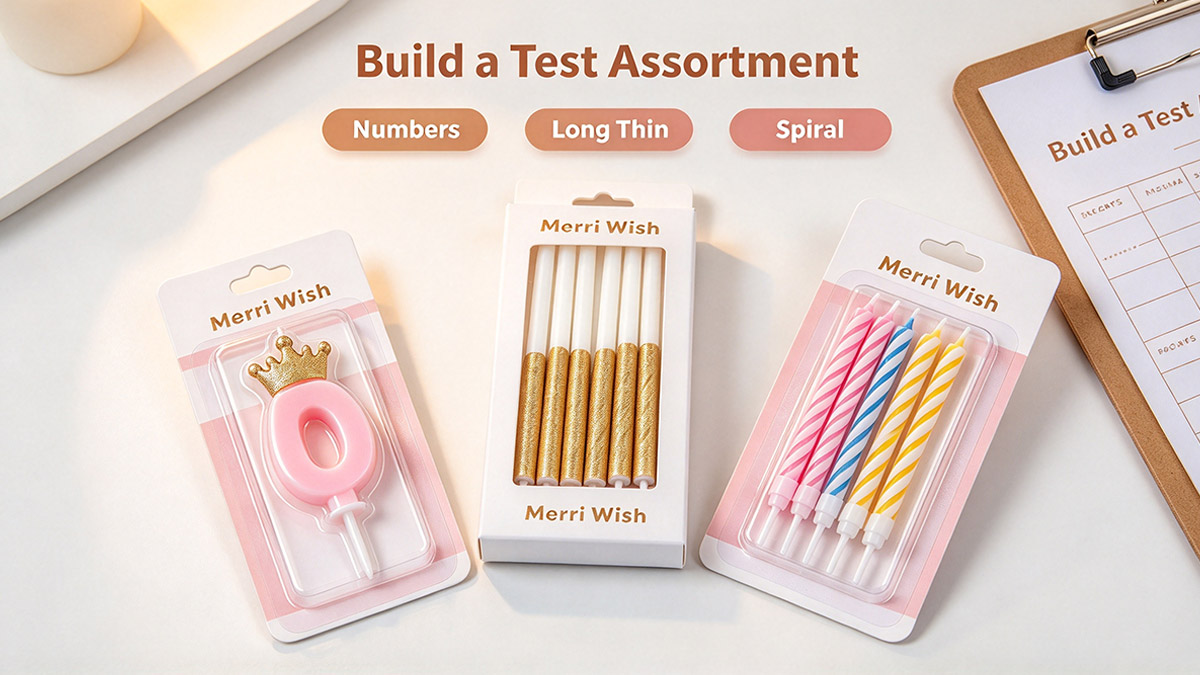
After reviewing Jace's initial selection and purchasing needs, we recommended eight additional birthday candle products. The proposed assortment grew from 12 products selected by the customer to 20 styles in total.
The final range covered three categories:
Eight spiral birthday candle styles
Six letter candle styles
Six number candle styles
The broader selection gave Jace more products to consider for his online store. At the same time, it made the purchasing calculation more important.
For a small importer, adding products is not simply a matter of filling a catalog. Every style needs to fit the overall buying plan, and the quantities must work with the supplier's minimum order requirements.
The purpose of the additional recommendations was to broaden the selection for consideration, not to assume that every product would become a bestseller. Actual performance would depend on local customer preferences and market demand.
That distinction matters when a seller is still testing a category. The first order should be planned around a realistic business objective, rather than an assumption that more products will automatically produce more sales.
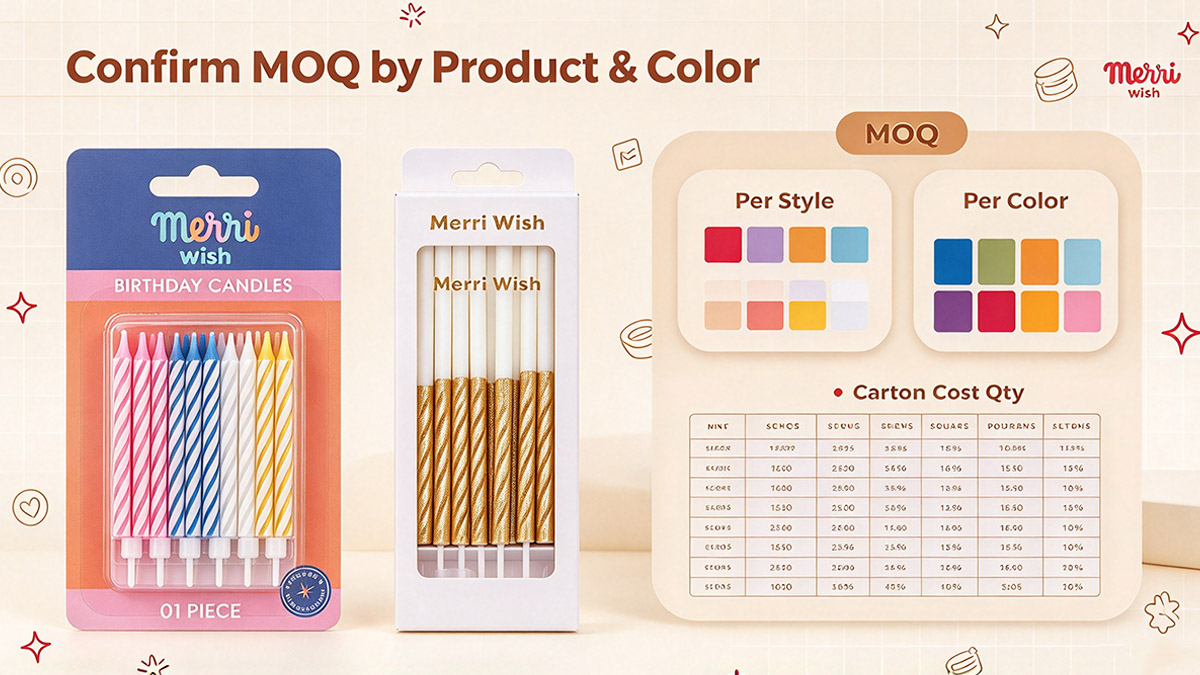
One of the main challenges was the minimum order quantity, commonly known as MOQ.
Jace's initial quantity plan did not meet the applicable minimum order requirements. The purchasing arrangement required at least one carton per color for each product.
This meant that the order could not be planned solely around the number of different designs Jace wanted to test. The required quantities for each product and color also had to be considered.
For a small e-commerce seller, this can create a difficult balance. Ordering smaller quantities may appear to be a safer way to limit inventory risk, especially when demand is uncertain. However, quantities below the supplier's MOQ may not be available under the proposed purchasing terms.
There are several questions buyers should clarify before confirming an order:
Is the MOQ calculated separately for each design?
Does each color have its own minimum quantity?
Can different colors or designs be combined?
Are there different minimums for standard and customized packaging?
How much inventory will the required quantities create?
The answers help buyers understand the actual size of the commitment before they place an order.
In Jace's case, the next step was not simply to remove products or request a lower minimum. It was to review the proposed assortment and determine whether the quantities could work within the overall purchasing budget.
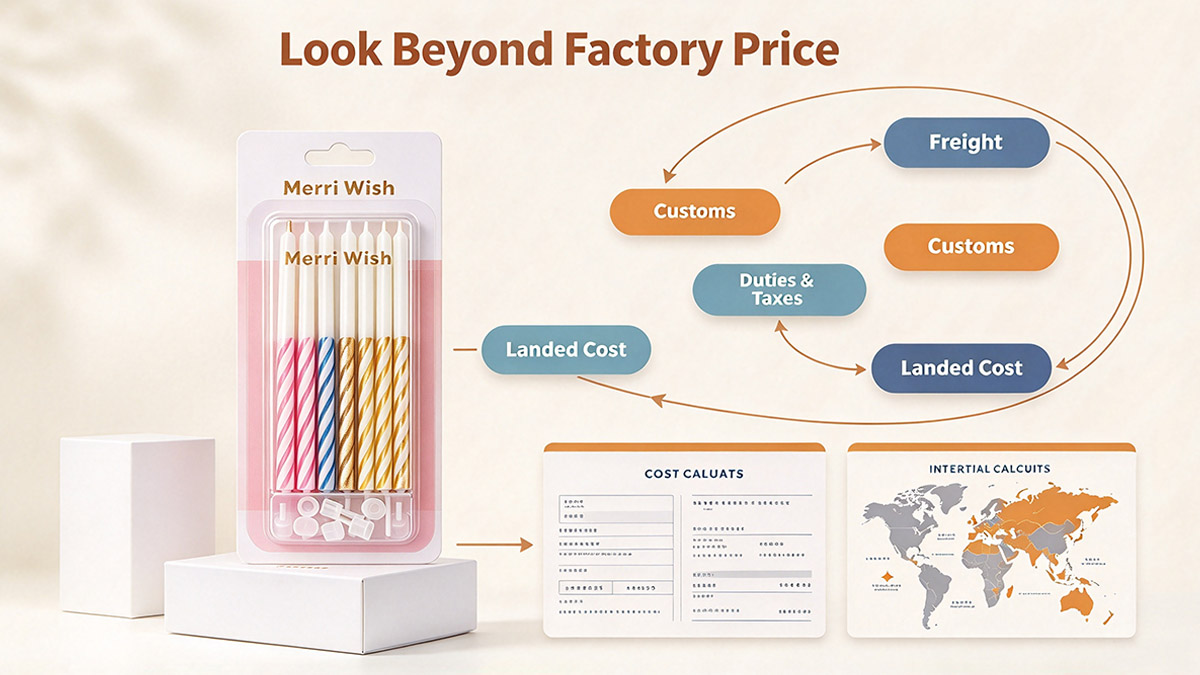
Jace was moving from local purchasing to direct importing from China. That change required him to consider costs beyond the price of the candles themselves.
An import order can involve international freight, customs clearance, applicable duties and taxes, and other destination-related expenses. Depending on the shipping arrangement, the buyer may also need to account for insurance, destination handling, and local delivery.
These costs affect the amount of money a small business needs before the products can be sold.
For Jace, the budget had to cover more than the product purchase. He needed to understand the overall cost of importing the selected products into Venezuela and how that cost would relate to potential retail prices.
This is where a landed-cost calculation becomes useful.
Rather than comparing products only by their quoted unit prices, buyers should estimate the total cost of getting the goods to their intended destination. They can then calculate the approximate cost per sellable unit or retail pack.
The exact calculation depends on the order, packaging, shipping terms, and applicable import charges. It is important to confirm which expenses are included in the supplier's quotation and which remain the buyer's responsibility.
For online sellers, other expenses may also matter, including marketplace fees, advertising, packaging for local fulfillment, and order handling.
A product may look affordable at the factory price but leave less room for operating expenses once all costs are included. Reviewing these numbers before confirming quantities helps buyers make a more informed decision.
Product costs and selling prices need to be considered together.
Jace wanted to test which birthday candle products would sell best in his market. However, a product's potential demand is only one part of the decision. The expected selling price also needs to support the total cost of purchasing and selling it.
During the purchasing discussion, we reviewed the market research, available sales information, product selection, and estimated costs with Jace. The aim was to understand whether the proposed quantities and overall order could make practical sense.
For a small importer, this analysis should address several questions:
What is the likely retail price for comparable products in the local market?
What will each product cost after import-related expenses?
What margin may remain after sales-channel fees and other operating costs?
How much cash will be tied up in the initial inventory?
Will the business have enough working capital for other expenses?
Market research and sales information can help guide these estimates, but they cannot guarantee future results. A product that performs well for one seller may not perform the same way for another business or market.
The objective is to make the purchasing decision with a clearer understanding of both the potential opportunity and the financial commitment.
After reviewing the product assortment, market information, and estimated costs, Jace increased the order quantities to meet the applicable purchasing requirements.
The final transaction covered 20 birthday candle styles and was worth approximately US$2,000.
The adjustment was not simply about purchasing more products. It reflected a decision to revise the original plan after considering the MOQ, the proposed assortment, and the additional expenses associated with importing.
For a small business, increasing quantities can mean committing more capital to inventory. That decision should not be made automatically. Buyers need to consider whether the revised quantities fit their budget and whether the expected selling prices leave sufficient room for the costs of doing business.
At the same time, keeping quantities below the supplier's minimum may prevent the order from moving forward under the proposed terms.
Jace's experience shows why the product selection, quantity requirements, and cost calculation need to be reviewed together rather than handled as separate decisions.
For businesses preparing to order birthday candles from overseas, several practical lessons stand out.
1. Research the market before selecting products.
Start by identifying the products that fit the intended customer base. A wider assortment can help a seller test different preferences, but every additional style requires purchasing capital and inventory management.
2. Confirm MOQ by product and color.
Do not assume that one minimum quantity applies to the entire order. Ask how minimums are calculated for each design, color, and packaging option before building the budget.
3. Calculate the full import cost.
Include the product cost and estimate freight, customs clearance, applicable duties and taxes, and other relevant expenses. Confirm which charges are included in the quotation and which must be paid separately.
4. Evaluate selling prices before committing to quantities.
Compare the estimated landed cost with realistic local selling prices. Account for marketplace fees and other operating expenses where applicable, while recognizing that actual demand may differ from market estimates.
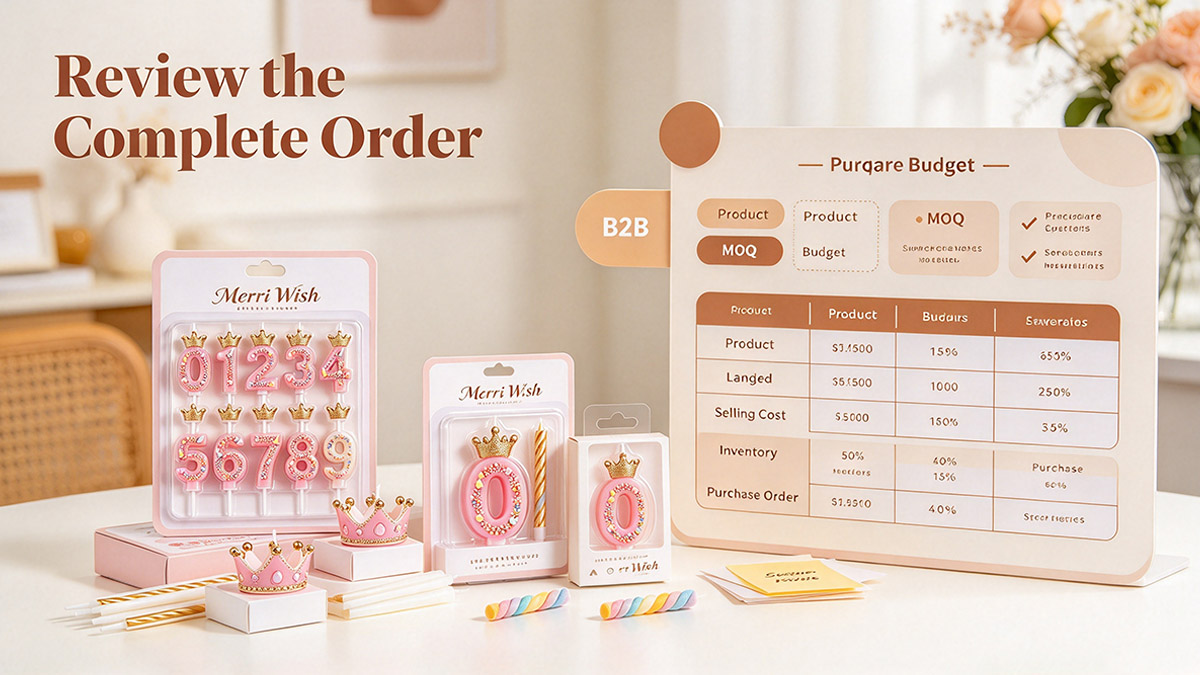
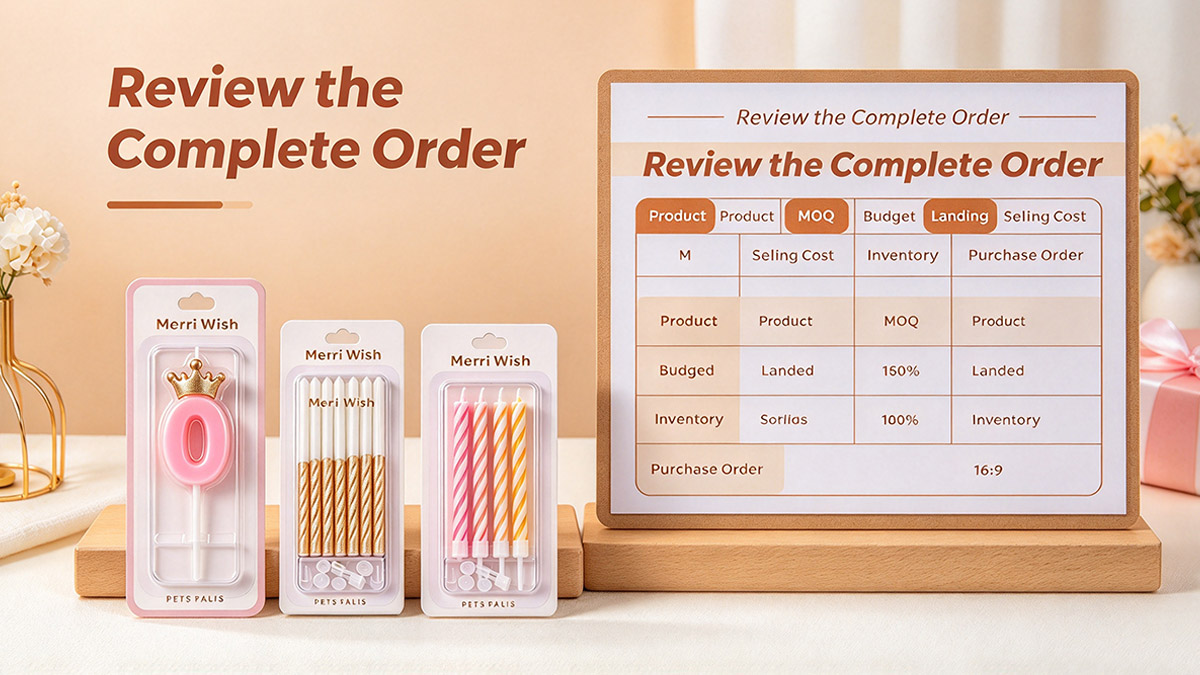
5. Review the order as a complete business decision.
The best assortment is not necessarily the largest one. Buyers need to balance product variety, MOQ, inventory risk, available capital, and expected demand.
6. Confirm product and shipping details in advance.
Before production, clarify samples, specifications, packaging, quality expectations, relevant compliance documents, lead times, carton dimensions, and shipping arrangements. The exact requirements will depend on the products and destination market.
Jace began with market research and 12 birthday candle products he wanted to purchase. After discussing the assortment with the supplier, he considered eight additional products, bringing the proposed range to 20 styles.
The next challenge was making the quantities work. His initial plan did not meet the applicable MOQ, and the budget needed to account for shipping, customs clearance, and other import-related costs.
By reviewing the assortment and estimated costs, he adjusted the order quantities. The final transaction was worth approximately US$2,000.
For small importers, the broader lesson is straightforward: choosing products is only the beginning. A workable order also depends on minimum quantities, landed cost, available capital, and a realistic understanding of the market.
The goal is not to buy the most products or the smallest possible quantity. It is to build an assortment that fits the business, understand the full financial commitment, and make the purchasing decision with as much reliable information as possible.
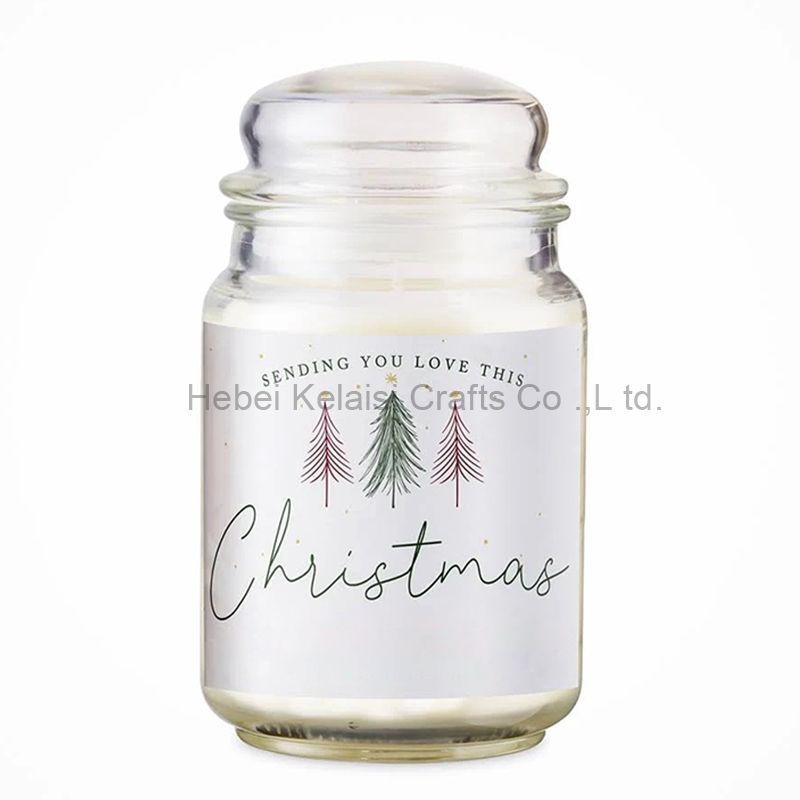 Big size decorative scented candle
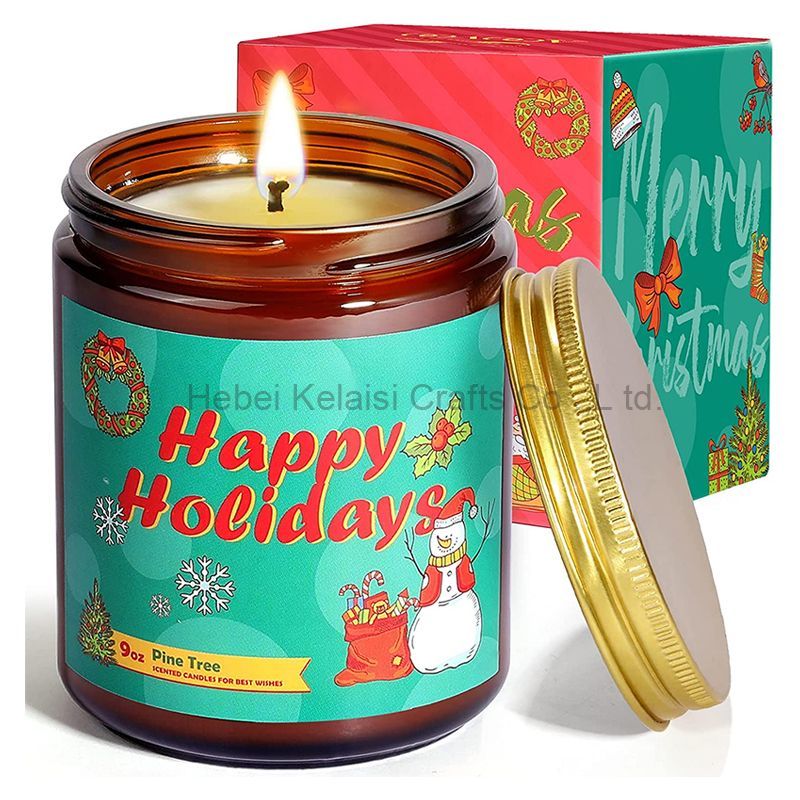 Christmas Scented Candles Gifts Sets for Women
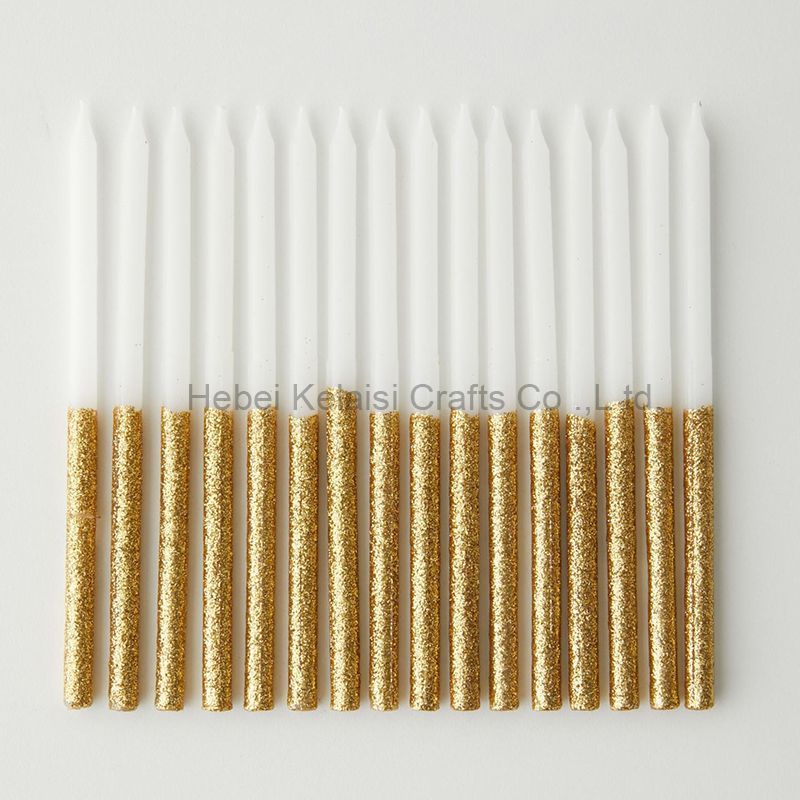 happy birthday long thin glitter cake candles
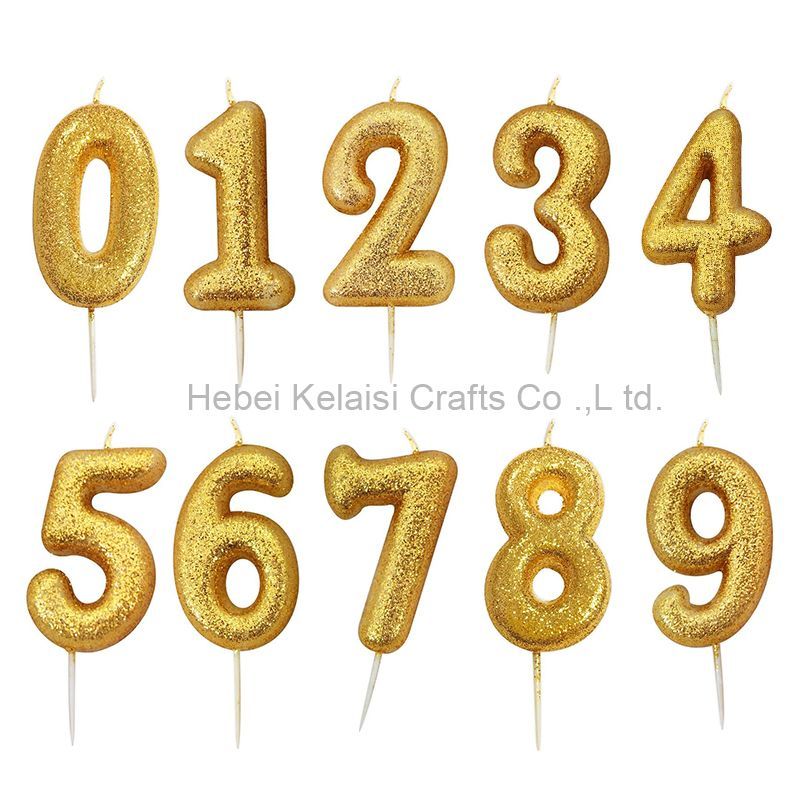 Luxury Golden Birthday Number Candle Sets
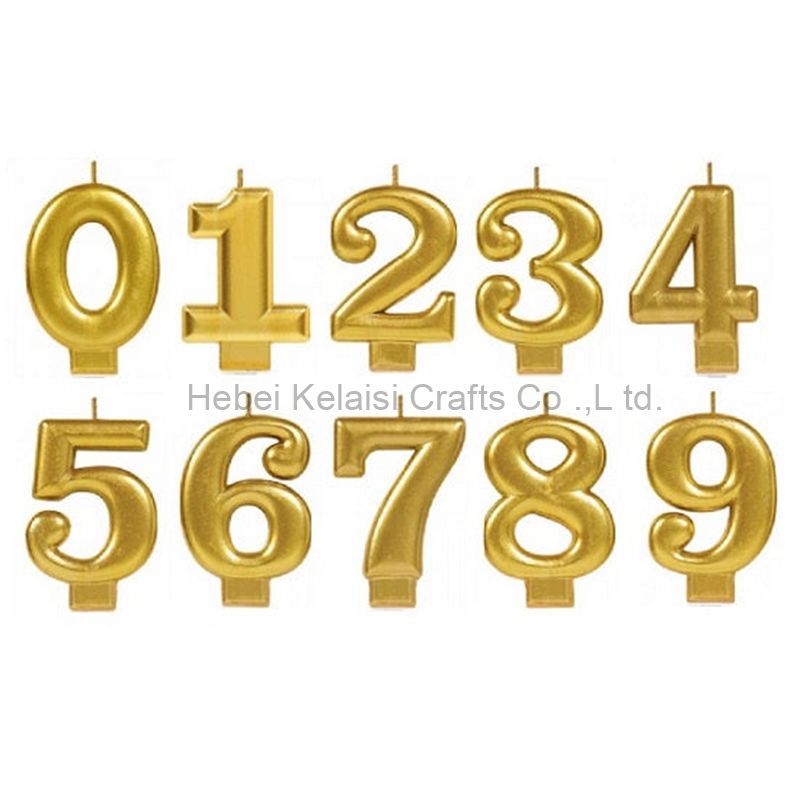 Fancy cake decoration number annual birthday candle
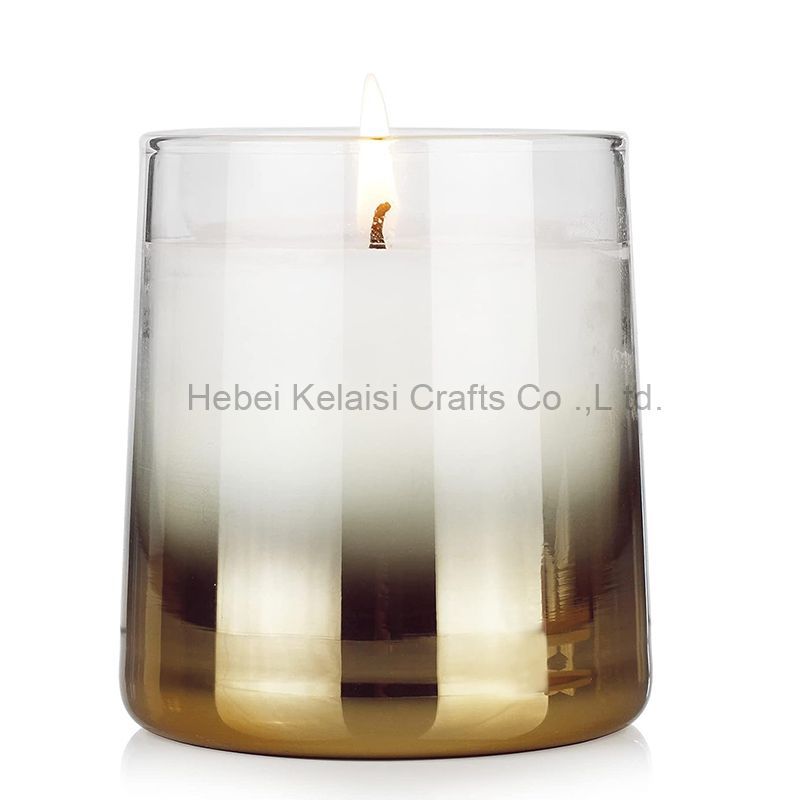 Gradient color Soy Wax Glass Jar Scented Candle
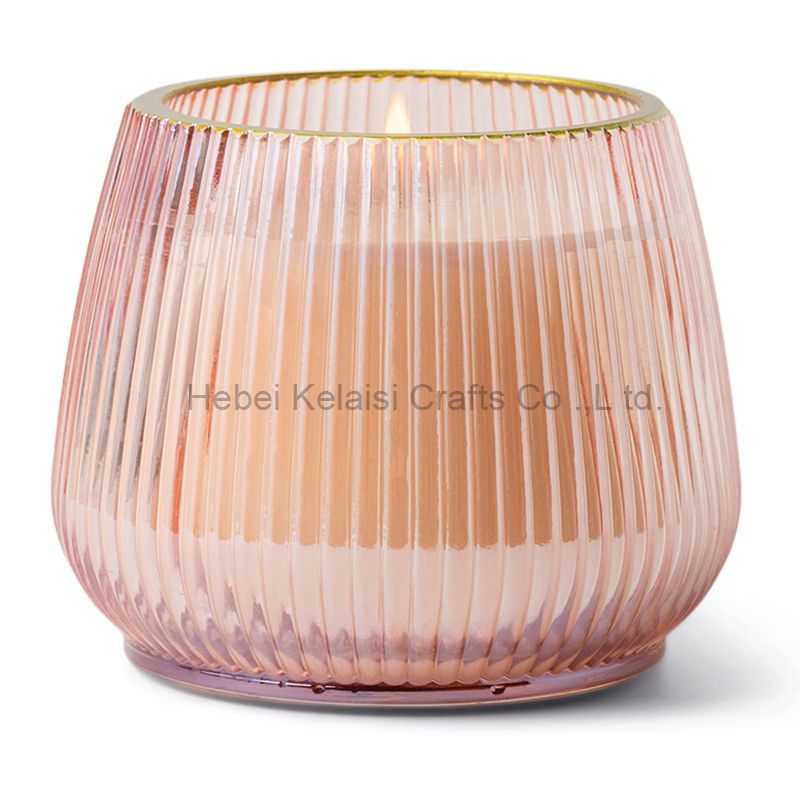 Origami Style Vertical Pattern Wine Glasses Jar Candles
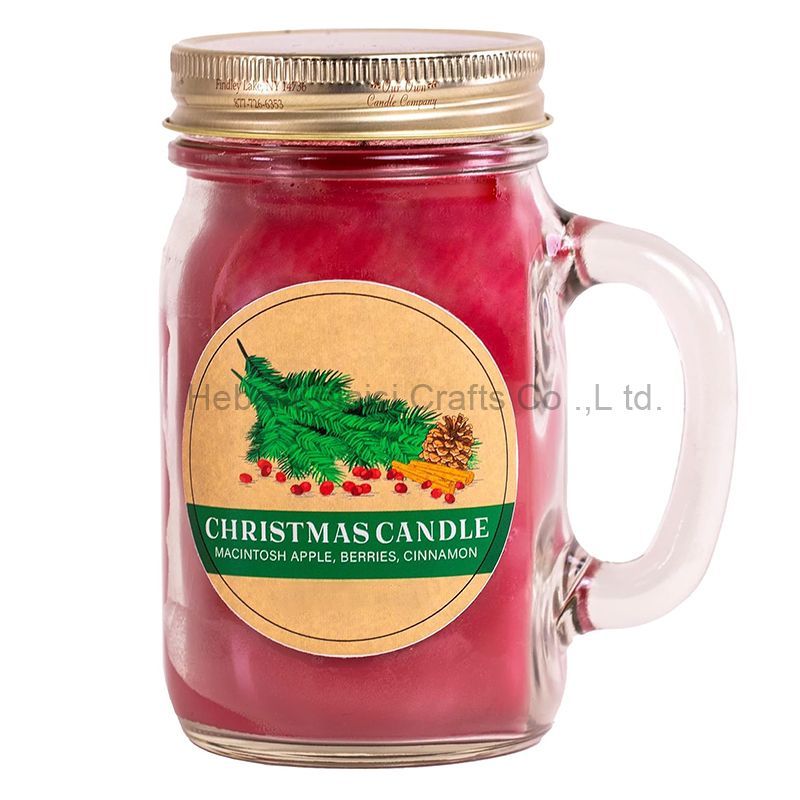 Custom Mini Glass Jar Scented Candle
 3D Letter Happy Birthday Candles
 Decorative Birthday Candles
 St. Patrick's Day Decorations Set
 Christmas Party Balloons Supplies