Jun. 24, 2026
It was 7:30 on a Thursday morning when the factory started coming to life.
The first shift workers were already in their uniforms. By 8:00, the production line was running. This is the routine at our Xingtai facility in Hebei — a factory that has been making candles since 1991.
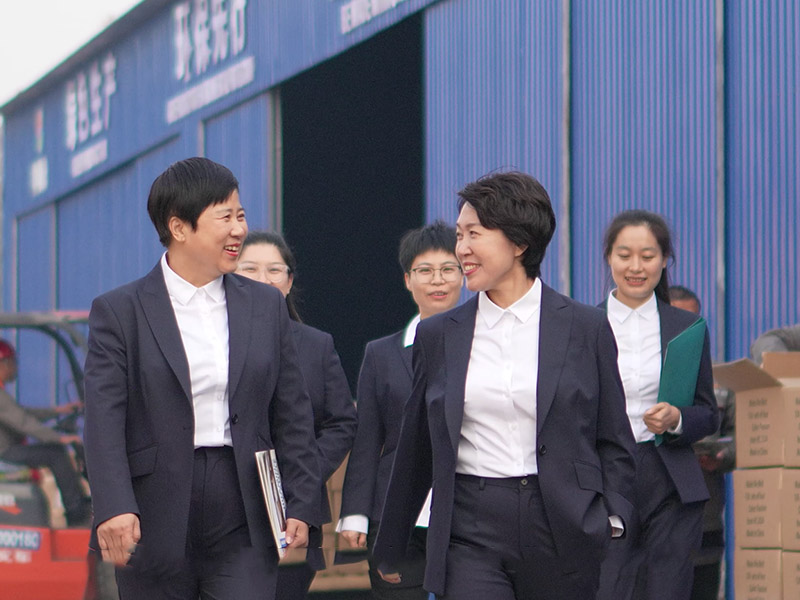
We are not a small workshop. We are a system built for retail supply chains. We are the kind of manufacturer that large retailers do not replace easily.
For over 30 years, we have been part of the supply chain behind international retail brands. Not as "a factory in China," but as a system that delivers consistently — at high volume, to high standards, order after order. This article takes you inside that system on an ordinary Thursday morning.
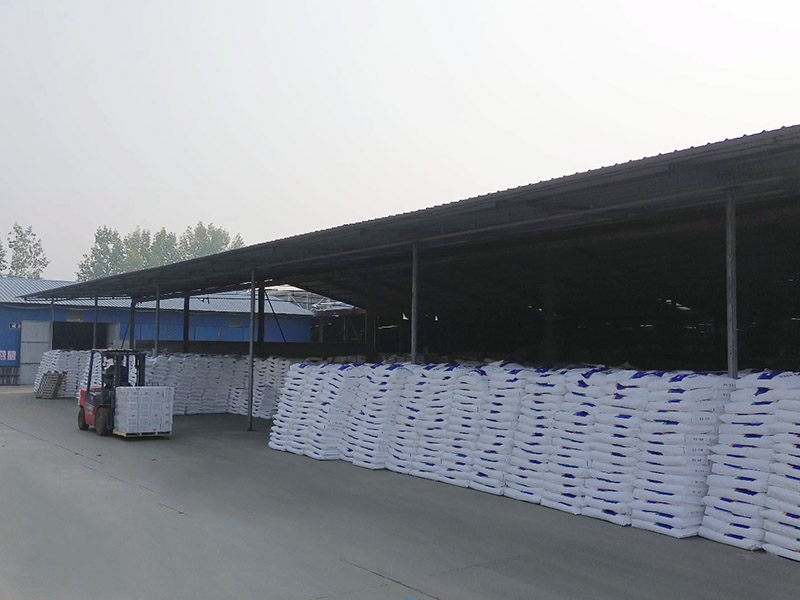
Wax Arrival
The morning started with a delivery.
A truck pulled up to the loading bay with pallets of food-grade paraffin wax. This is the raw material that everything else depends on. The wax comes in solid blocks. Workers unload them by hand, stacking pallet after pallet in the storage area. It is not glamorous work. But it is the first step in a process that ends up on retail shelves in the UK, the US, and across Europe.
We buy in bulk now. Consolidating orders across both of our factories — one in Xingtai, one in Shijiazhuang — saves us roughly 8 percent on material costs. But this is not just about saving money. Bulk purchasing means consistent raw material sources, stable quality, and predictable supply — three things that matter more to large-volume buyers than unit price alone.
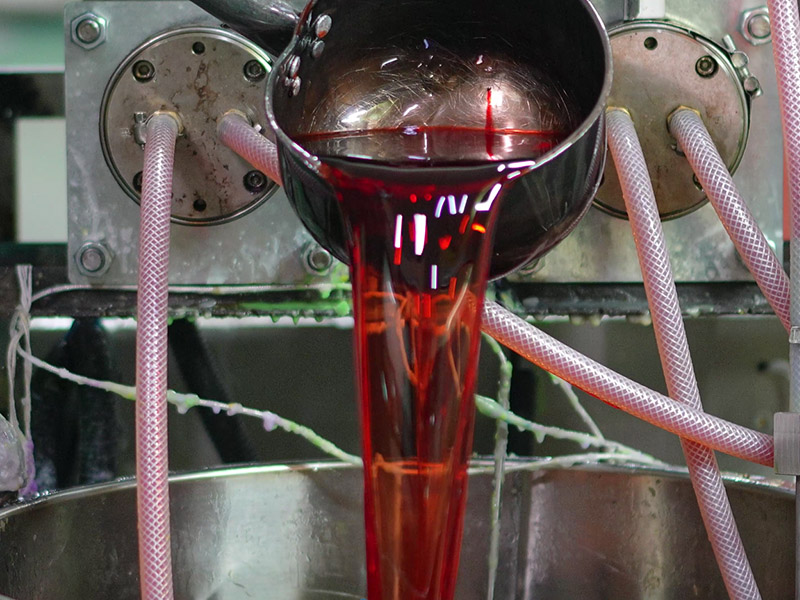
Wax Melting
Once the wax is unloaded, it moves to the melting area.
This is where you see the scale of the operation. Large melting tanks hold hundreds of kilograms of wax at a time. The temperature is controlled precisely — too hot and the wax degrades, too cool and it won't pour properly. It is chemistry, not guesswork.
The factory is climate-controlled year-round. Wax is a material that reacts to its environment — temperature changes affect its flow and solidification. Climate control is not about comfort. It is how dimensional consistency is maintained at scale. Stable temperature means every candle comes out with the same dimensions, shape, and density. And for retail buyers, consistency means predictability.
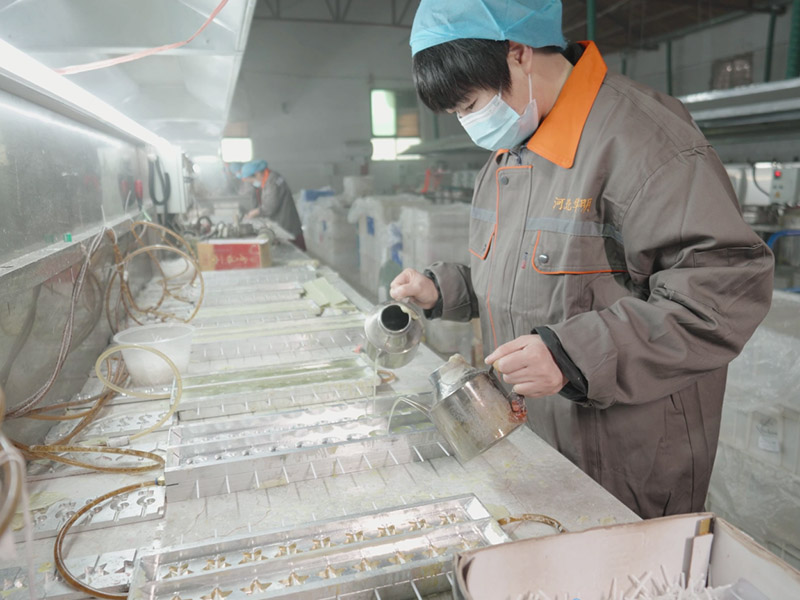
Number Candle Molding
This is where things get interesting.
Number candles are not poured into a standard mold. They are produced in a special mold that creates the shape of the number itself. One worker manages ten molds at once — coordinating the pour, cooling, and release cycle across each one. This is not heavy lifting. It is rhythm. A skilled worker produces twice as many units in the same time as a new hire, with a lower defect rate.
The machines we use are Chinese-made. They have been running for three years. They are not new, but they are reliable. Each one produces number candles in a continuous cycle. The wax goes in hot. The mold sets the shape. The cooling process begins.
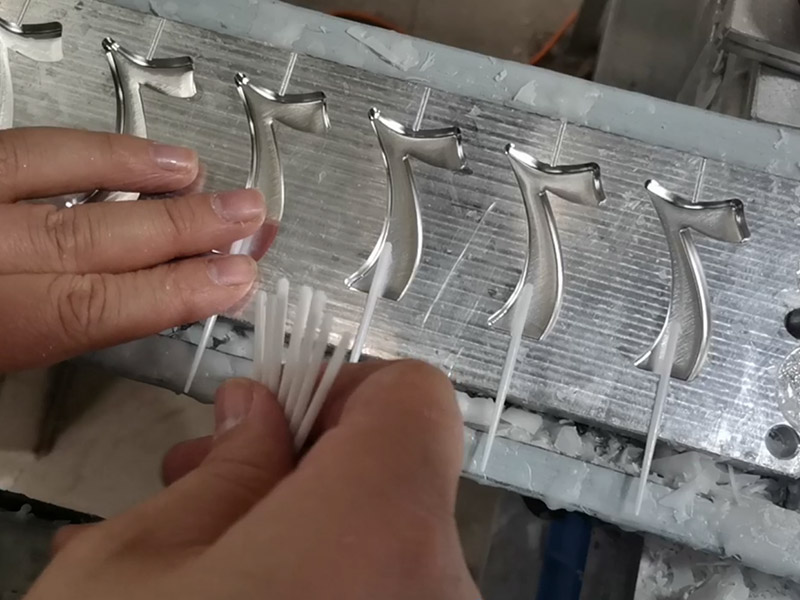
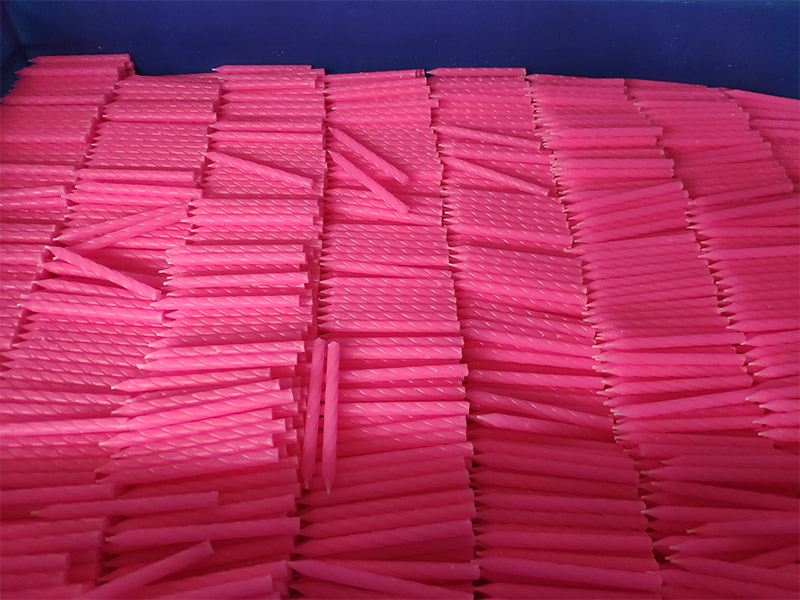
Demolding and Finishing
After the wax cools and hardens, it comes out of the mold.
This is where the candles stop being "wax" and start looking like products. The numbers come out clean — sharp edges, defined shapes. But they still need finishing work. Any rough edges are smoothed off. The surface is checked for imperfections.
The molds we use for number candles are hollow metal forms. The candle takes the shape of the cavity. There is a patent on this basic method — the concept of a hollow mold that creates three-dimensional number shapes for birthday candles. But the execution is what matters. And the execution happens here, at the demolding station, where workers check every single piece before it moves down the line.
This is also where you see the difference between automation and craftsmanship. The mold does the heavy lifting. The worker does the quality check. It is a partnership, not a replacement.
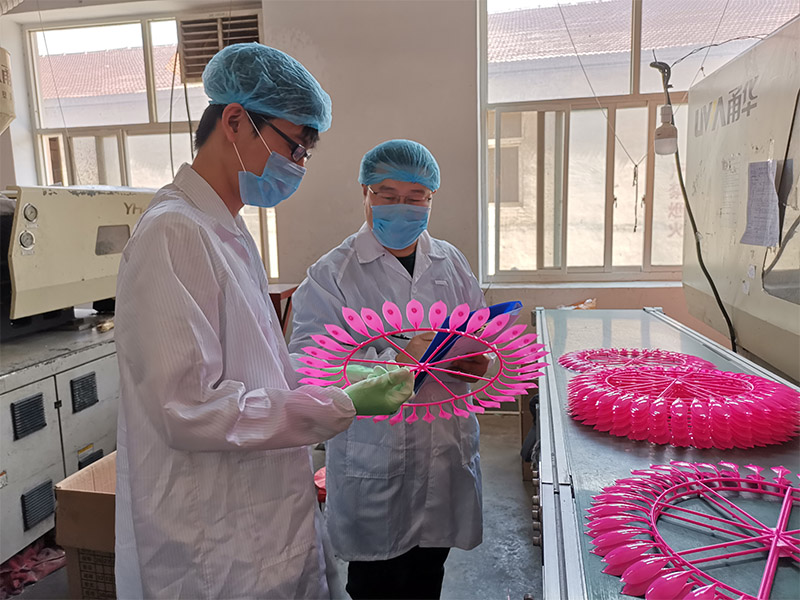
Quality Control
This is the part that buyers do not see, but it is the part that matters most.
Our factory operates with BSCI, SEDEX, CE, RoHS, EN71, and ASTM F963 certifications. That is not a marketing list. It is a set of standards that apply at every stage of production.
The quality control station is a designated area. Workers check candles in batches. They measure dimensions. They inspect surfaces. They test for defects. The 0.3 percent defect rate is not a target we set ourselves. It is the entry ticket to retail supply chains. Factories that can hold this number are the ones that qualify for large-scale retail supply chains.
We have three inspection points across the production process: after pouring, after molding, and after packaging. Catching defects early means less waste. Less waste means better cost control. Better cost control means we can meet retail price points without cutting corners on the product.
One detail that stands out: every product has a "process card" attached to the machine. It lists everything — the color formulation, the pouring temperature, the cooling time. The specifics that make this batch exactly what the buyer ordered. The same specifications, batch after batch.
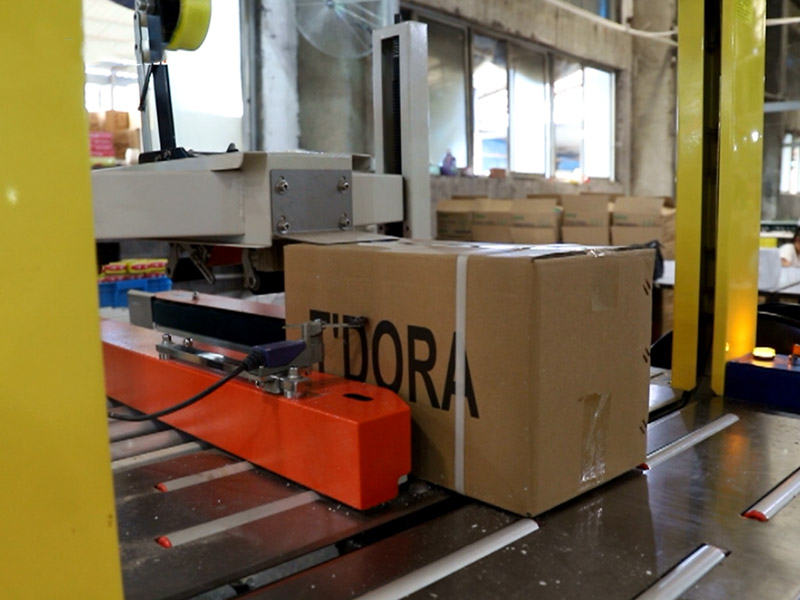
Boxing and Palletizing
The final stop is the packaging area.
This is where the finished candles get packed into boxes and stacked onto pallets. The packaging line is mostly women — they work fast, their hands moving with the speed of routine. The blister trays go in. The color boxes are folded. The candles are sealed and ready for shipment.
By 3:00 in the afternoon, the team is usually preparing for the day's shipment. The timing matters — the truck needs to leave in time to catch the port cutoff at Tianjin. Miss that window and the whole container gets delayed.
We ship in 40HQ containers now. Consolidating orders from both factories into full container loads reduces freight and handling costs. But full-container shipping is not just a cost decision — it is a control mechanism for delivery reliability. Large buyers do not care about freight savings. They care about on-time delivery. Full-container shipping is one of the ways we ensure that.
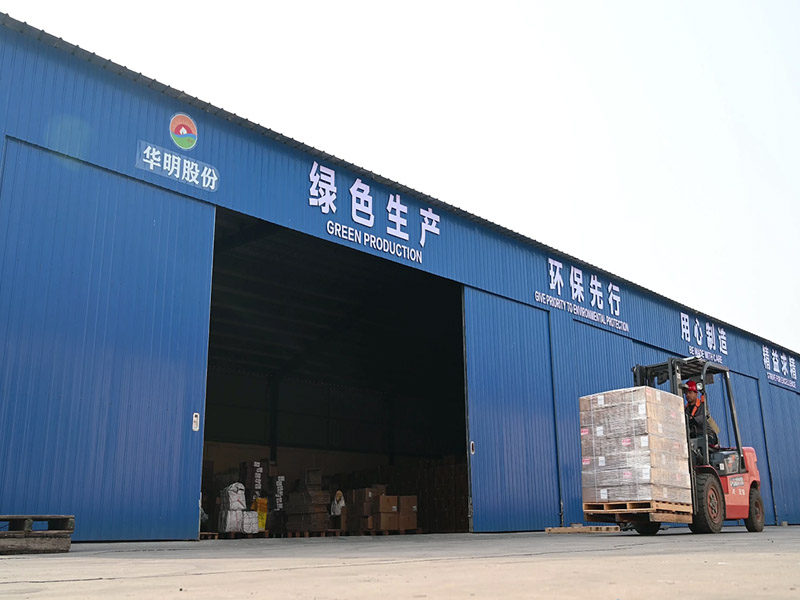
The Bigger Picture
This is what a Thursday morning looks like at the Xingtai factory.
Two factories working in coordination — Xingtai and Shijiazhuang — allow us to consolidate purchasing volume, flex production capacity, and optimize cost structures. For large-volume buyers, this means stable supply, predictable pricing, and lower risk. Once integrated into a retail supply chain, our role is not easily substituted.
We do not optimize for the lowest cost. We optimize for consistency over time.
Since 1991, the standards have gotten stricter, the machines have gotten more automated, but the core has never changed: making a product that works, that is safe, that meets the requirements.
That is the real story behind the scenes. Not the drama. The discipline.
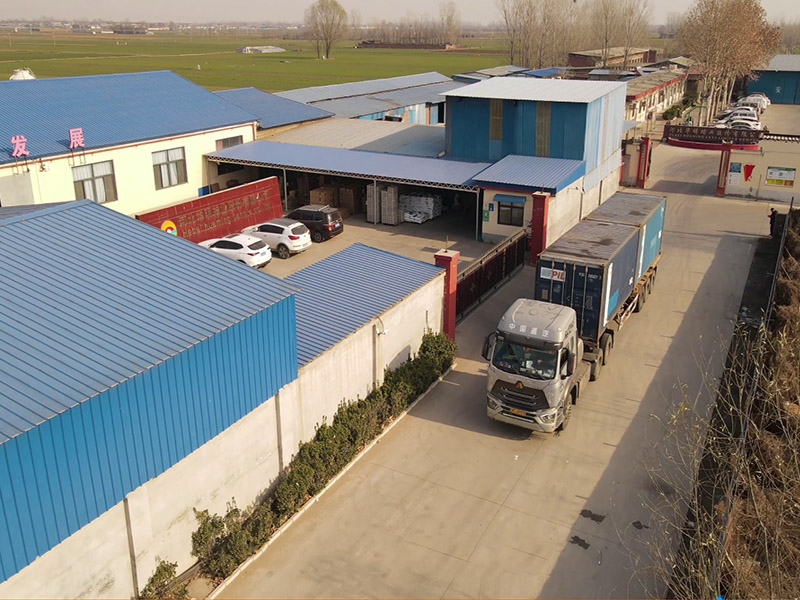
If you are a buyer and you have never visited a candle factory, you should. Not because you need to be impressed. Because you need to understand what you are paying for when you buy a candle that has been made to European safety standards, with BSCI audits, with the material quality that your retail customers expect.
It does not happen by accident. It happens on Thursday mornings, in factories like this one, with people who have been doing the same job for years and still check every single candle before it goes in the box.
This is what reliability looks like — not in theory, but in daily operation. This is what large-scale retail supply chains are built on. It starts at 7:30 in the morning.
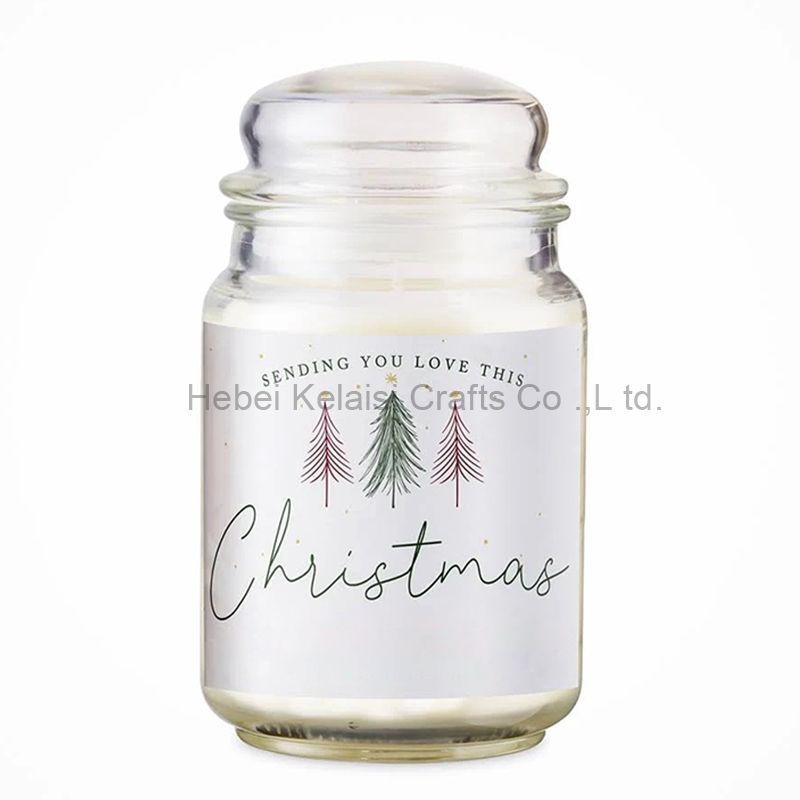 Big size decorative scented candle
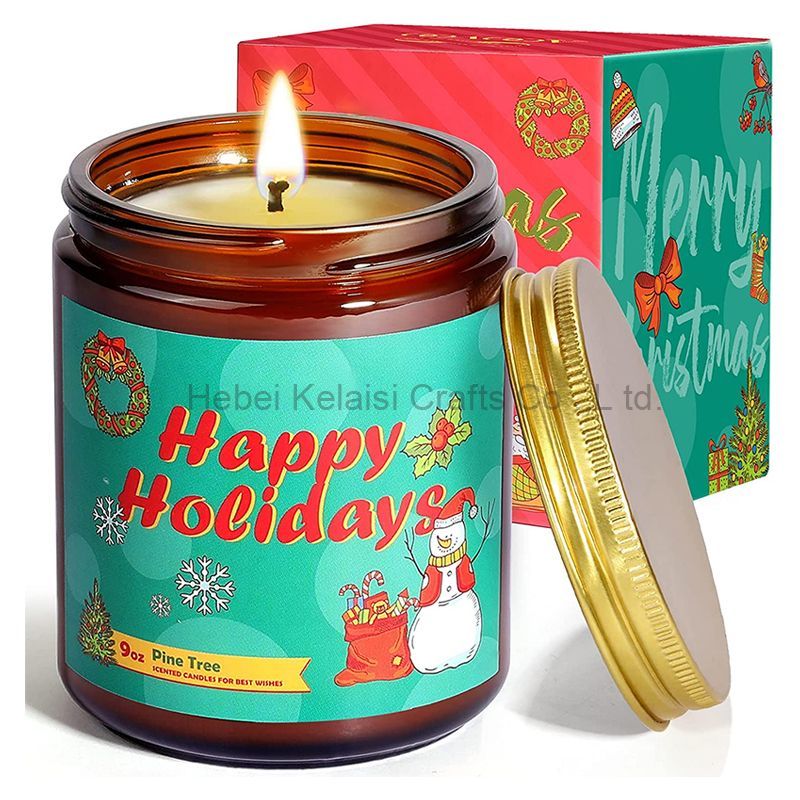 Christmas Scented Candles Gifts Sets for Women
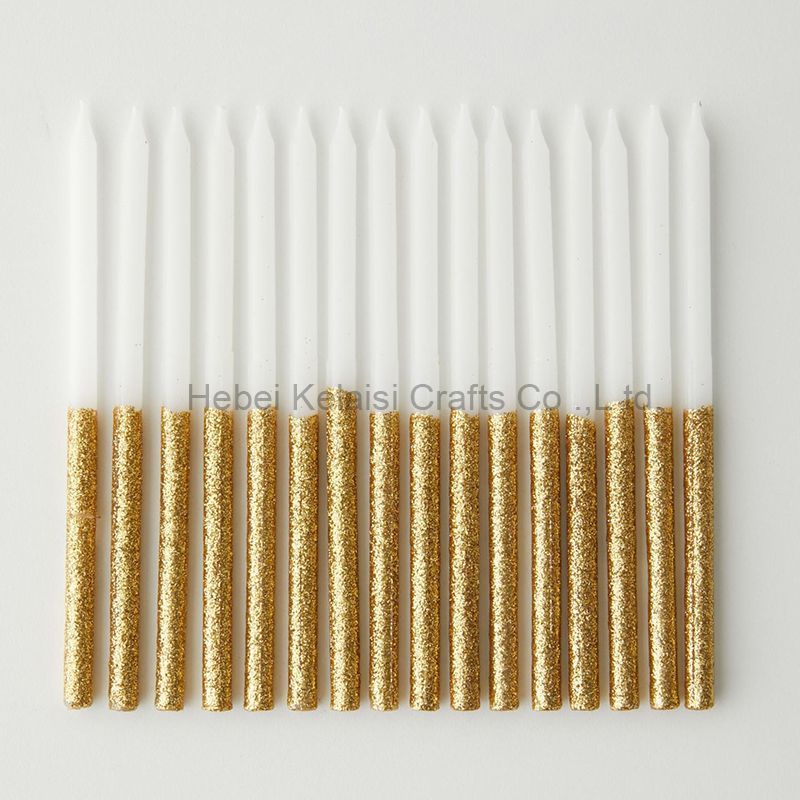 happy birthday long thin glitter cake candles
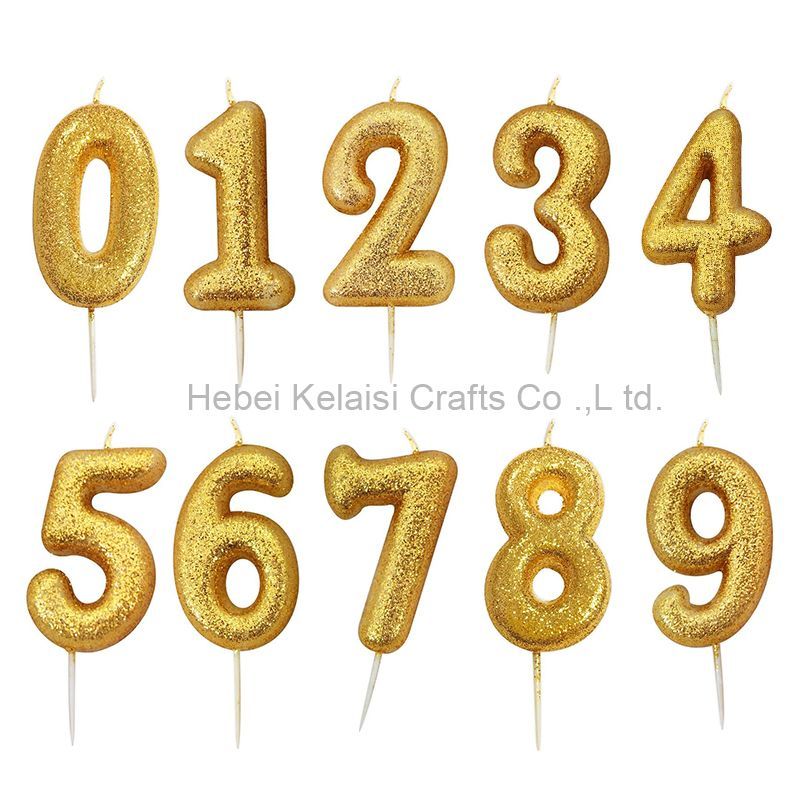 Luxury Golden Birthday Number Candle Sets
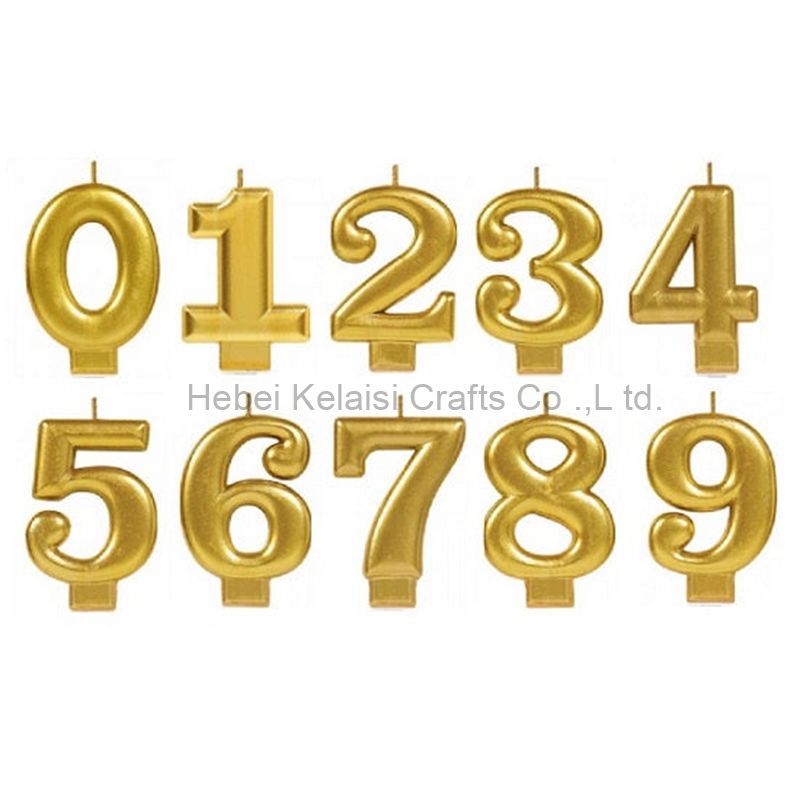 Fancy cake decoration number annual birthday candle
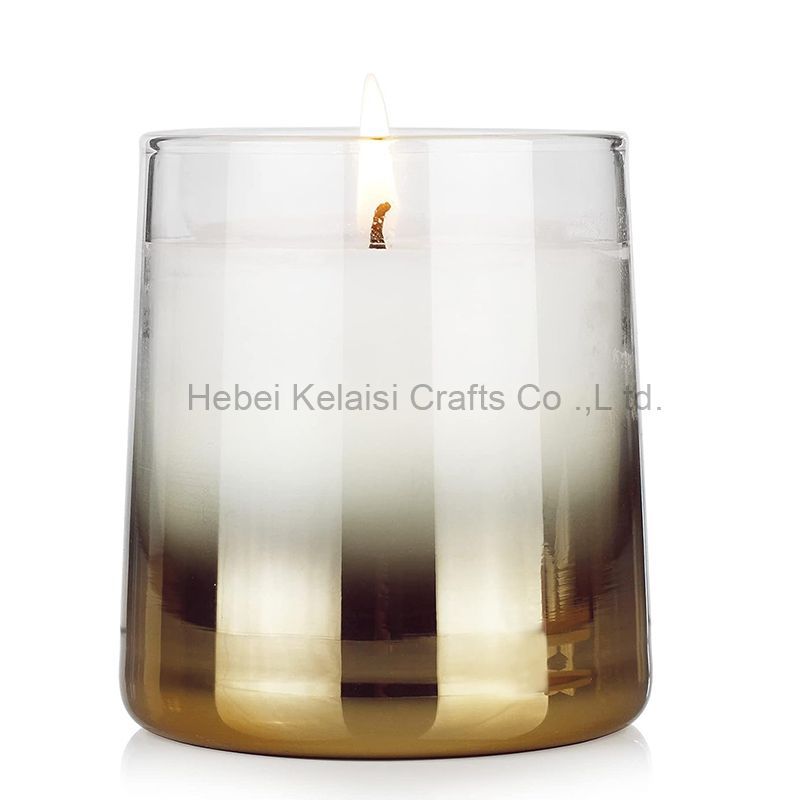 Gradient color Soy Wax Glass Jar Scented Candle
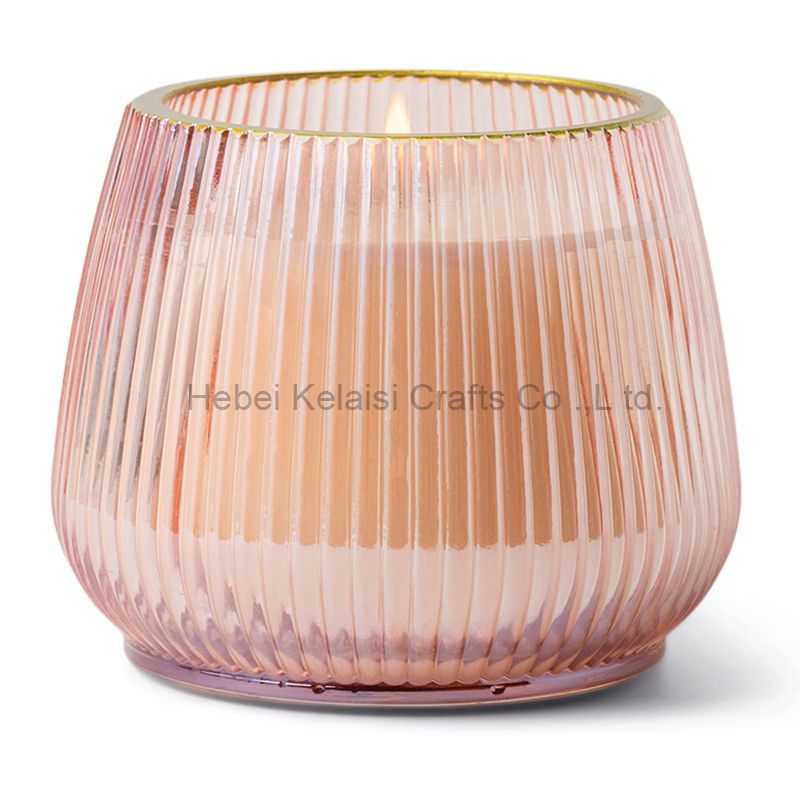 Origami Style Vertical Pattern Wine Glasses Jar Candles
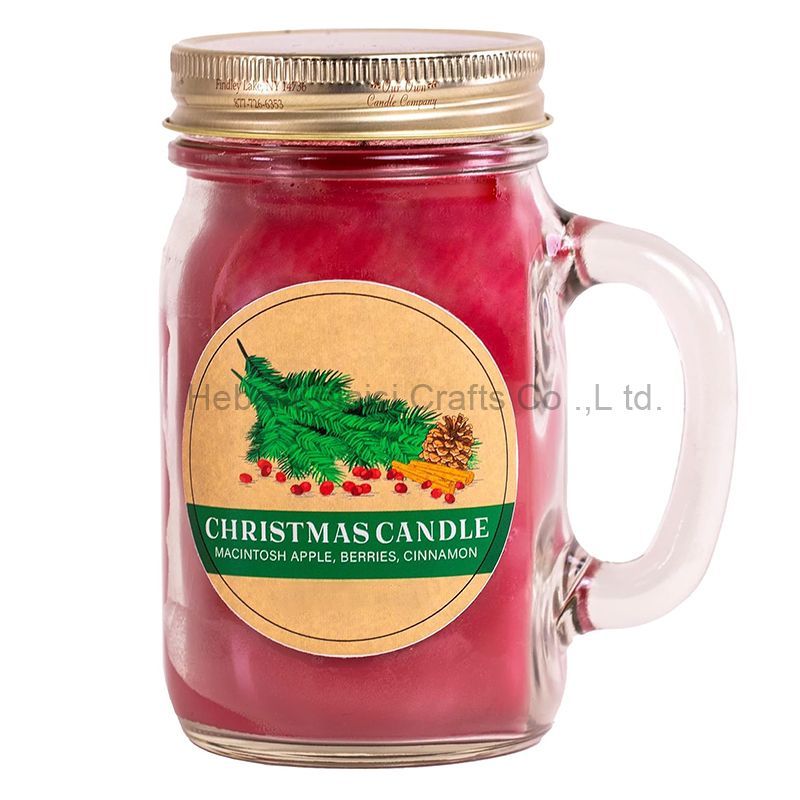 Custom Mini Glass Jar Scented Candle
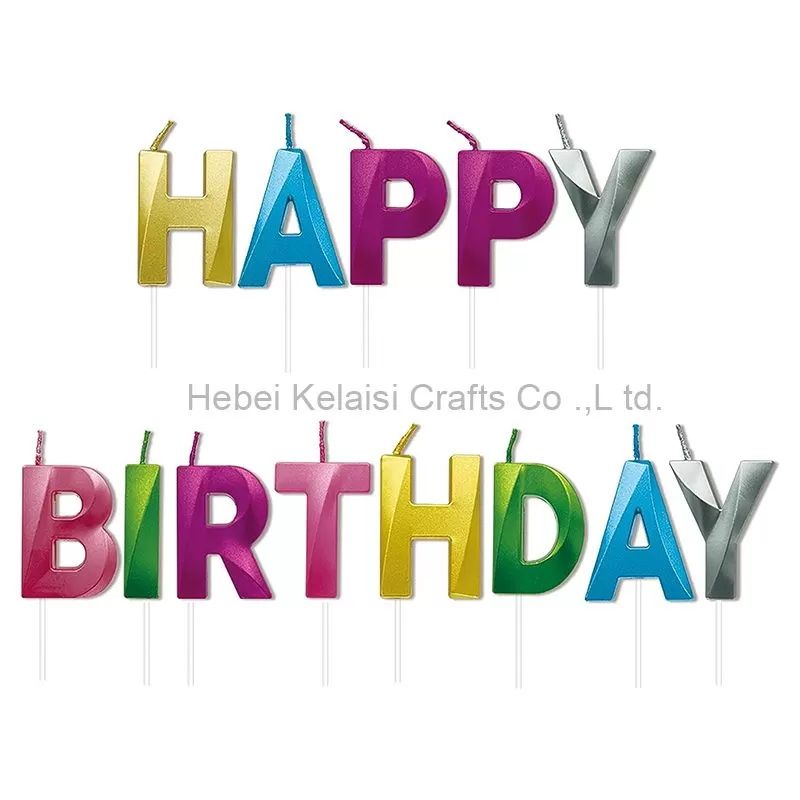 3D Letter Happy Birthday Candles
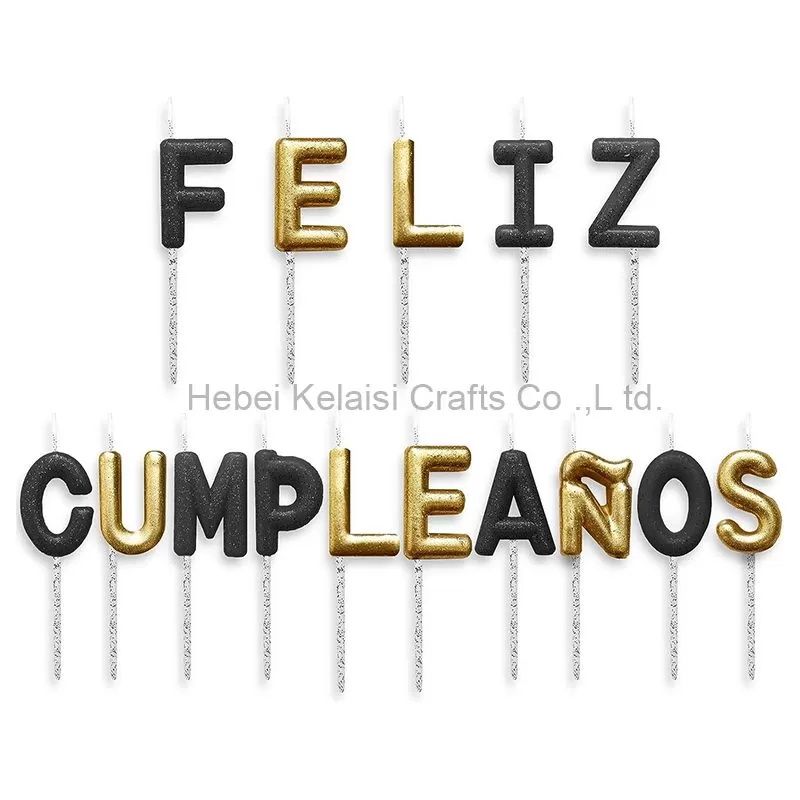 Decorative Birthday Candles
 St. Patrick's Day Decorations Set
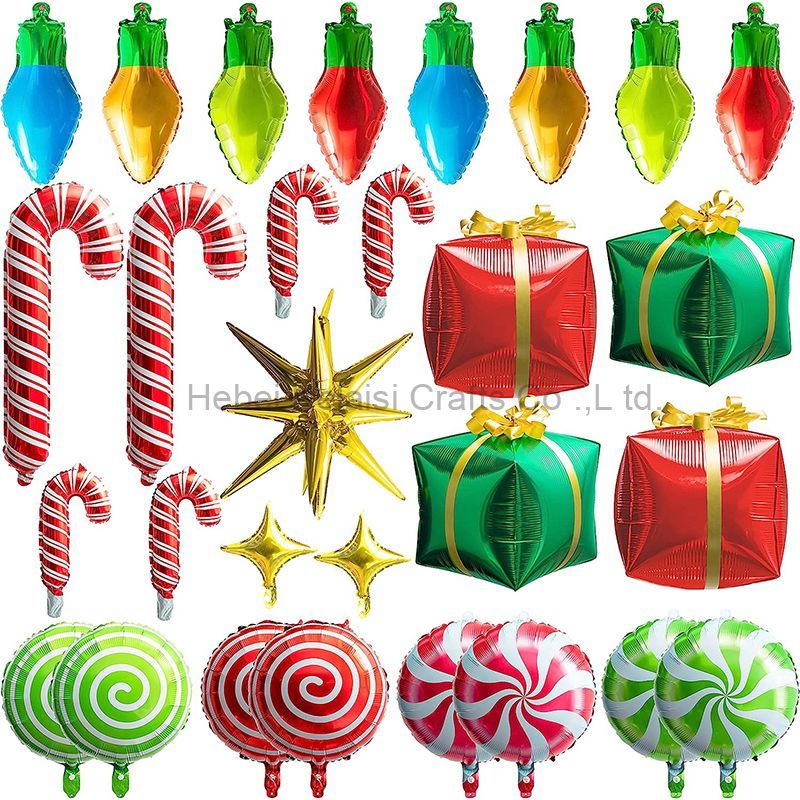 Christmas Party Balloons Supplies