Jul. 23, 2026
A candle looks simple. Wax. Wick. Color. But a surprising number of things can go wrong. A wick that is not centered will cause uneven burning. A flame that is too high can cause a fire. Poor wax quality can produce excessive soot — and fail EU safety standards.
Most factories test their candles after production. If something fails, they rework or discard it. That is reactive quality control.
We do something different. We test before, during, and after production. Our in-house laboratory is not a showpiece. It is the system that ensures every order meets the same standards, batch after batch.
Here is what we test, how we test it, and what happens if we do not.

Burn Performance
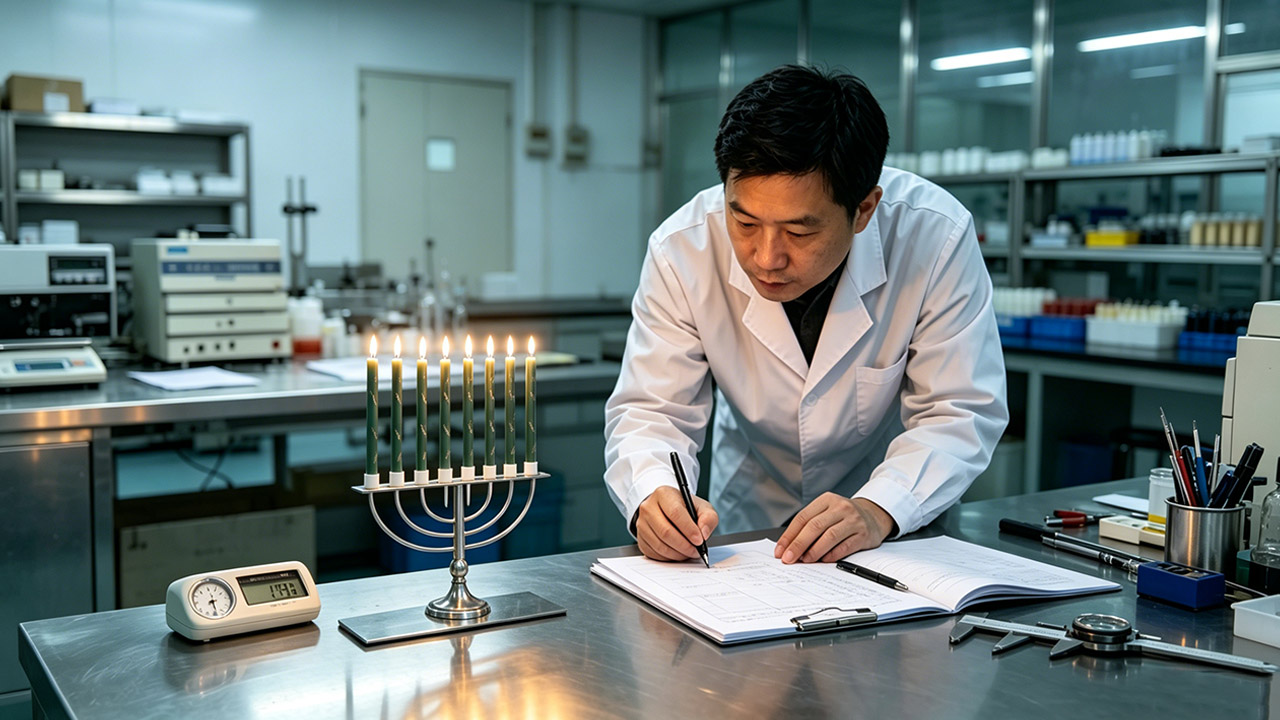
We test every batch for flame height, burn rate, and stability. A candle that burns too fast will not last. A flame that is too high creates a fire risk. A flame that flickers excessively indicates poor wick quality or unstable wax formulation.
According to EN 15493 (European standard for candle fire safety) and ASTM F2417 (US standard for candle fire safety), acceptable flame height is generally between 10mm and 30mm, depending on candle diameter. We test each batch against these limits.
Soot Emissions
Excessive soot is not just a quality issue. It is a compliance issue. The EN 15426 standard specifies limits for soot emissions from candles. If a candle fails this test, it cannot be legally sold in the EU.
We test soot emissions by burning candles in a controlled chamber and measuring particulate output. If a batch exceeds the limit, it does not ship.
Color Consistency
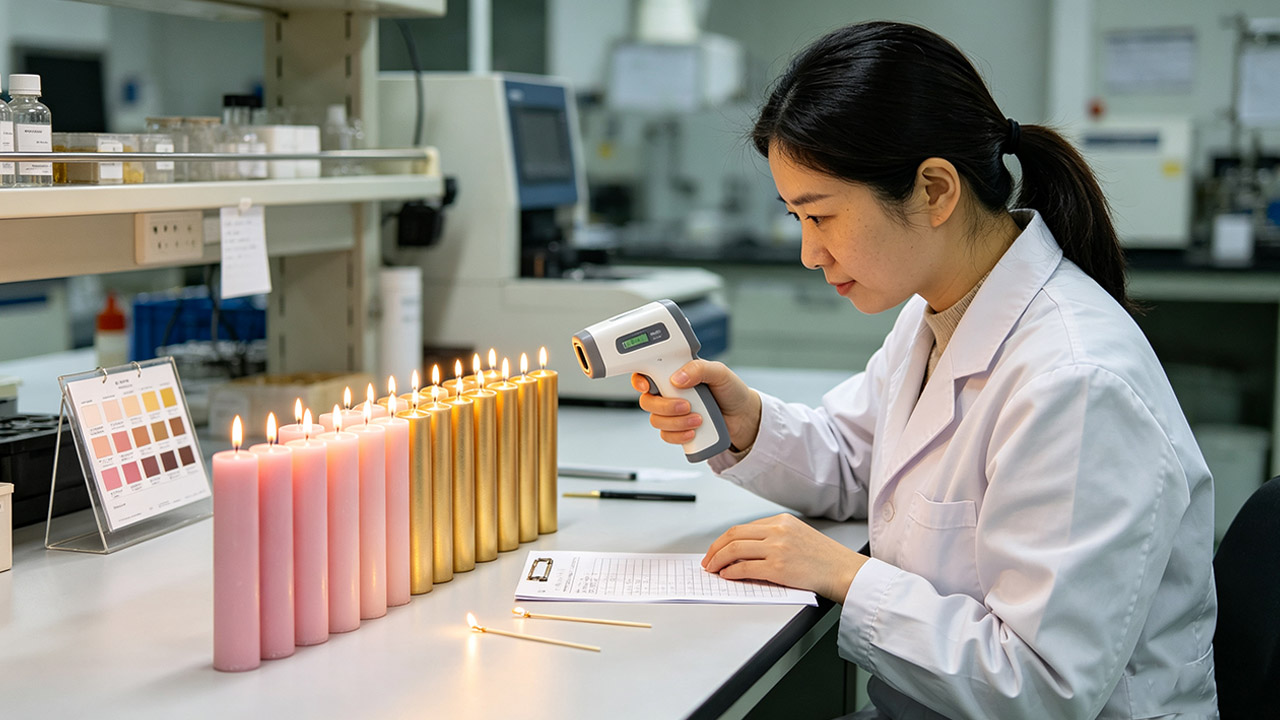
Color is visual, but we measure it numerically. Our laboratory uses a spectrophotometer to measure L*a*b* values (lightness, red-green, yellow-blue) against the approved color sample. A ΔE value above 3.0 is generally considered visible to the human eye — and is rejected before packaging.
Wick Integrity
The wick must stay centered and secure. We test wick adhesion and pull strength using a calibrated force gauge. If the wick detaches or shifts, the candle will not burn evenly. The test ensures the wick remains properly positioned through the candle's entire life.
If a candle fails in production, we lose a batch. If it fails on a retail shelf, we lose a customer.
Here is what happens when testing is skipped:
| What Is Not Tested | What Can Go Wrong | Commercial Consequence |
|---|---|---|
| Flame height | Flame too high, risk of fire or ignition of surrounding materials | Product recall, liability claims, reputational damage |
| Soot emissions | Candle fails EU standards | Shipment rejected at port |
| Wick integrity | Uneven burning, tunneling | Customer complaints, lost repeat orders |
| Color consistency | Wrong shade on shelf | Returns, damaged brand trust |
One of our buyers previously worked with a supplier that did not test soot emissions. A shipment of 80,000 candles was rejected at Rotterdam because the batch failed EN 15426. The buyer had to reorder at a higher cost and lost the retail window entirely.
That buyer now works with us.

Our laboratory is staffed by a dedicated quality control team of five technicians. Each shift begins with equipment calibration to ensure measurement accuracy.
Every production batch is tested at three points:
Stage 1: Incoming raw materials. Wax, wicks, and pigments are sampled and tested before they enter production. If a batch of wax fails the melt flow or color baseline test, it does not enter the factory.
Stage 2: During production. Samples are pulled from the line at regular intervals. Burn tests, color checks, and wick integrity tests are performed while production is running.
Stage 3: Before packaging. A final random sample is pulled from each completed batch. Full testing is repeated. Only when all tests pass does the batch move to packaging.
This cycle runs every day, for every order. There is no "skip" button.
1. You receive what you approved.
Every batch is tested against the same standard as the original sample. Not "close enough." The same.
2. You avoid surprise delays at customs.
Our tests are aligned with EN 15493, EN 15426, EN 15494, ASTM F2417, and ASTM F2601. When we say a batch is compliant, we have the data to prove it.
3. You do not need to audit every shipment.
Our laboratory is our first quality checkpoint — not your last one. If we sign off on a batch, it is because it passed every test.
4. You reduce your own testing burden.
Many buyers send incoming goods for third-party testing. Because we test at production stage, we can provide batch-level test reports on request — reducing your sampling and lab costs.

A laboratory is not a marketing tool. It is a decision-making system.
When we detect a wick deviation during pre-production testing, we fix it before you see it. When we reject a batch of wax for color inconsistency, we replace it before it enters production. When we run a full burn test on every batch, we know — not guess — that the product will perform as expected on a retail shelf.
We have been manufacturing candles since 1991. We hold BSCI, SEDEX, CE, RoHS, EN71, and ASTM F963 certifications. Our in-house laboratory is not a separate department. It is the system that makes our consistency repeatable.
For buyers, this means one less variable to manage. One less risk to price into the order. And one less thing to worry about when the container arrives.
Kelaisi Candle has manufactured candles and party supplies since 1991, with facilities in Xingtai and Shijiazhuang, Hebei. We hold BSCI, SEDEX, CE, RoHS, EN71, and ASTM F963 certifications.
 Big size decorative scented candle
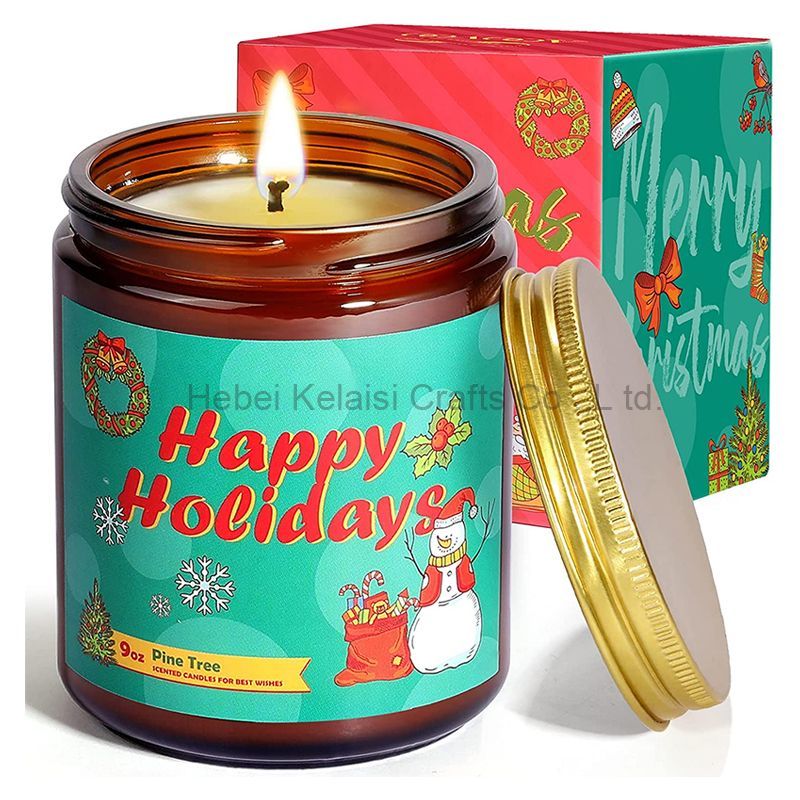 Christmas Scented Candles Gifts Sets for Women
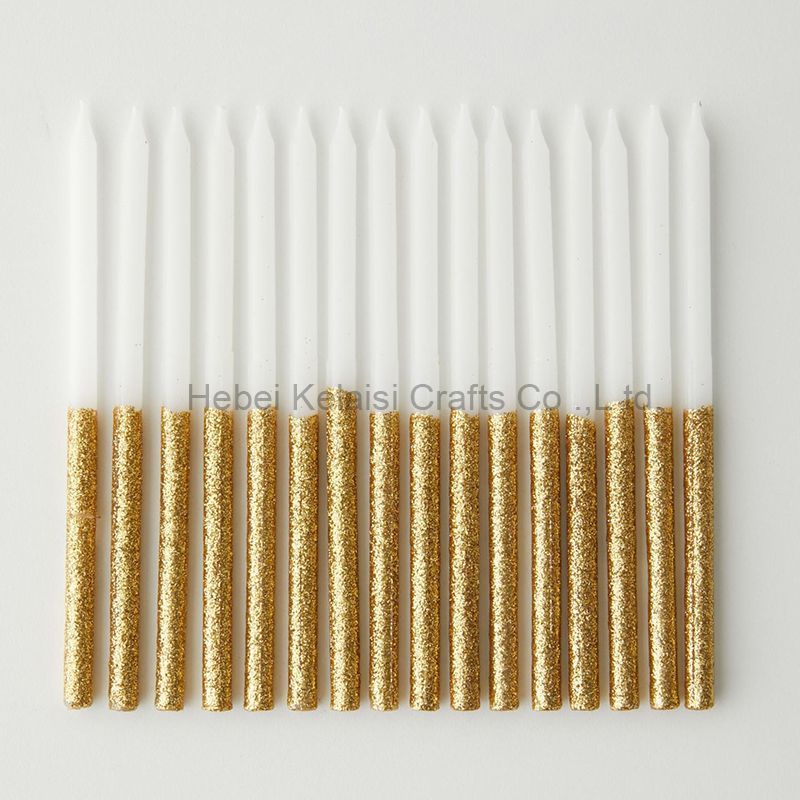 happy birthday long thin glitter cake candles
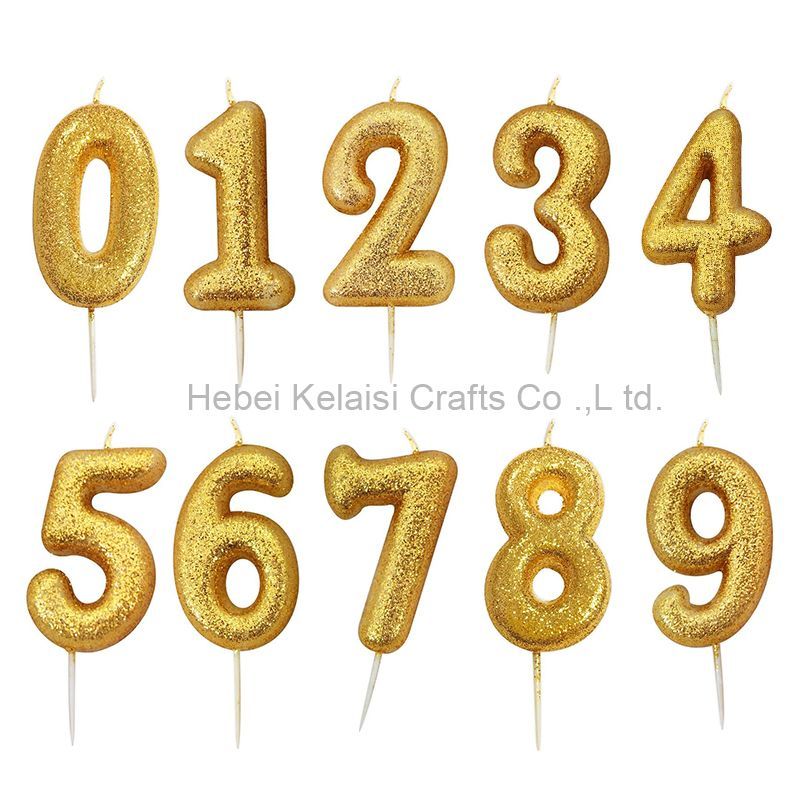 Luxury Golden Birthday Number Candle Sets
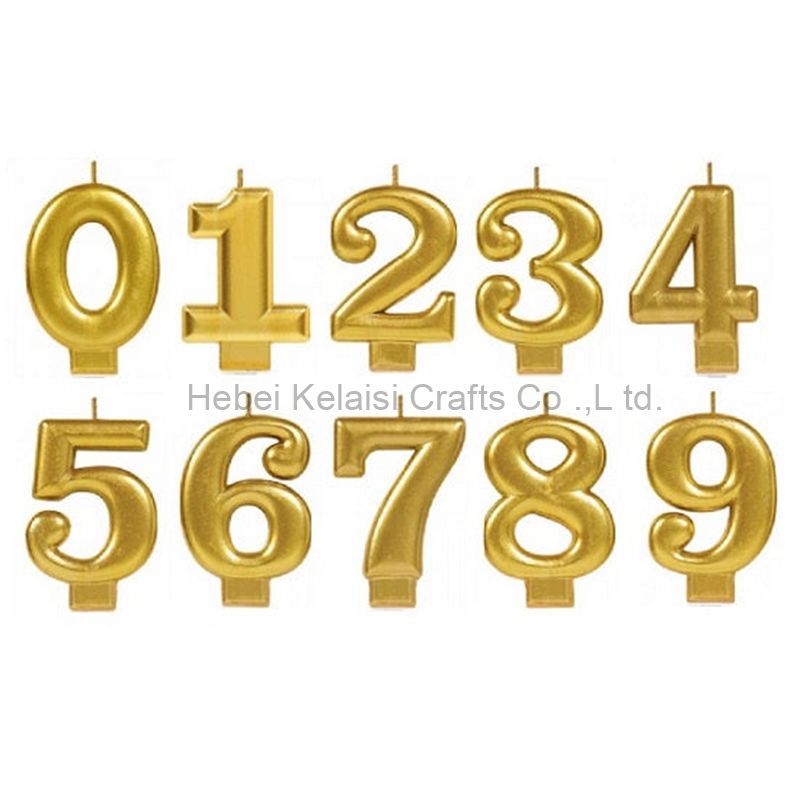 Fancy cake decoration number annual birthday candle
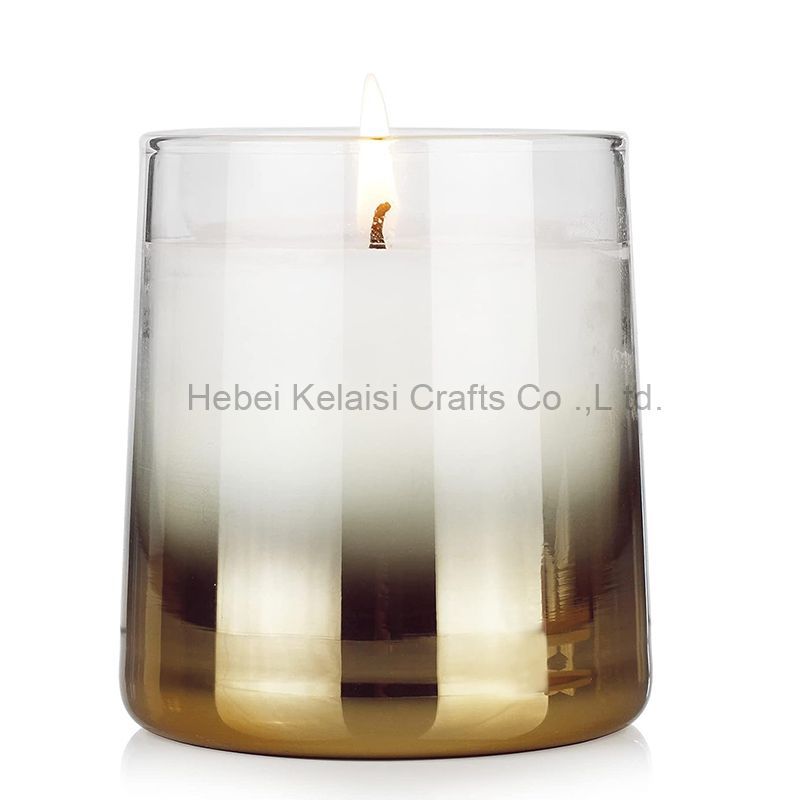 Gradient color Soy Wax Glass Jar Scented Candle
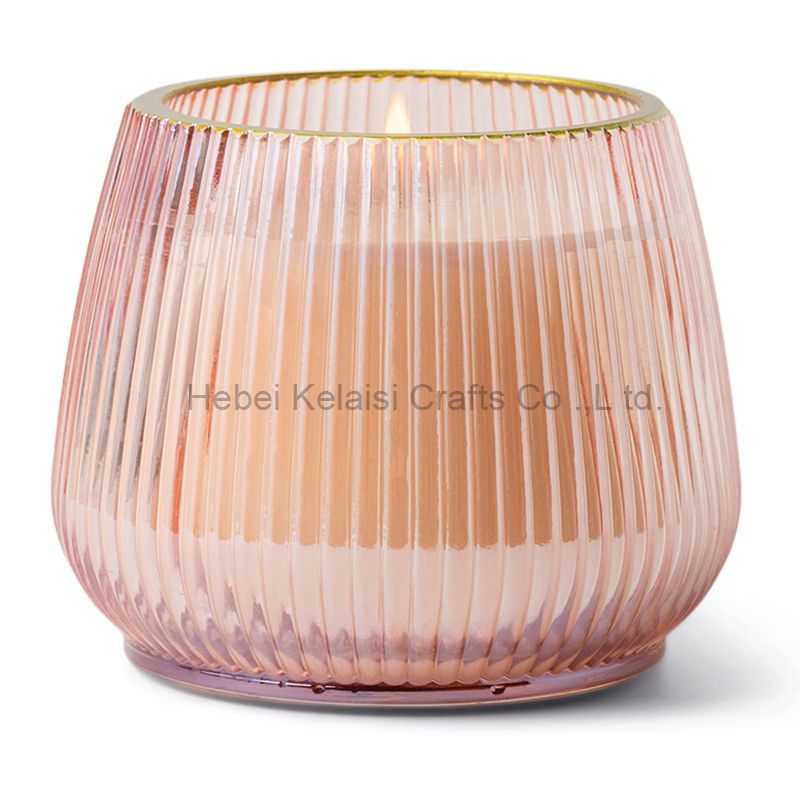 Origami Style Vertical Pattern Wine Glasses Jar Candles
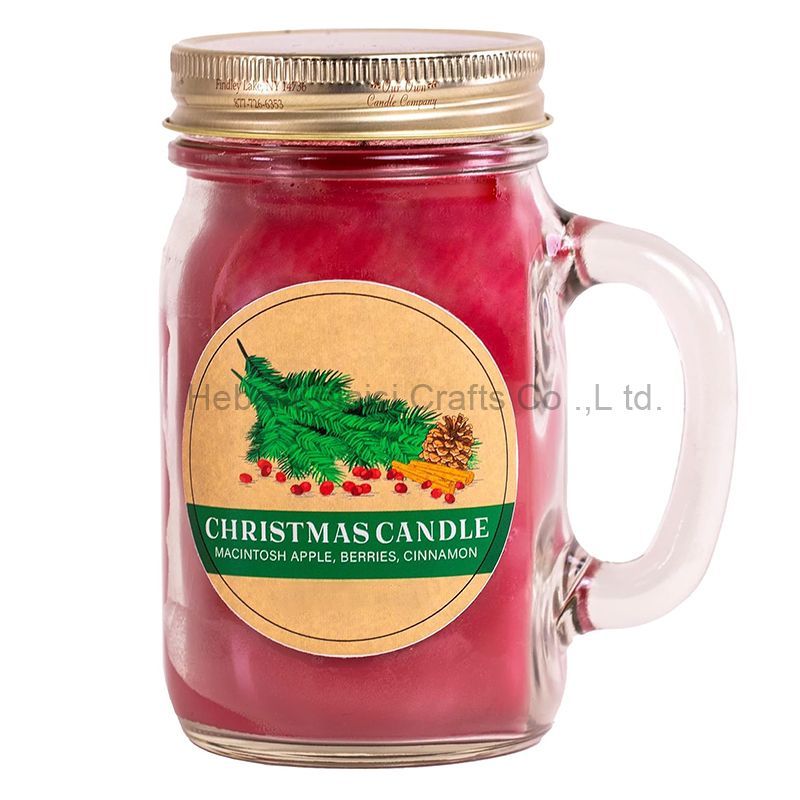 Custom Mini Glass Jar Scented Candle
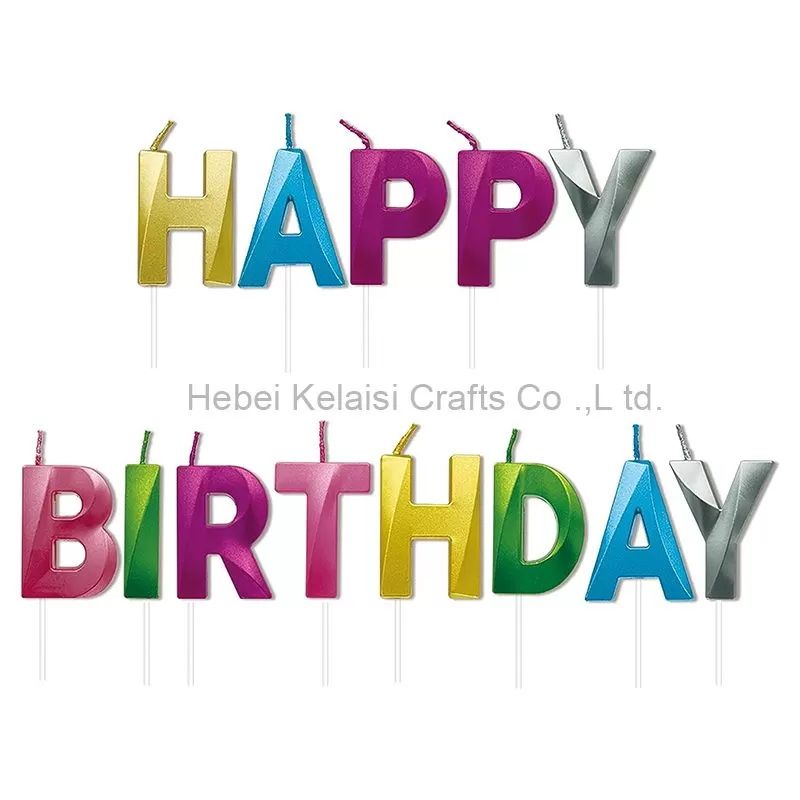 3D Letter Happy Birthday Candles
 Decorative Birthday Candles
 St. Patrick's Day Decorations Set
 Christmas Party Balloons Supplies