Aug. 07, 2026
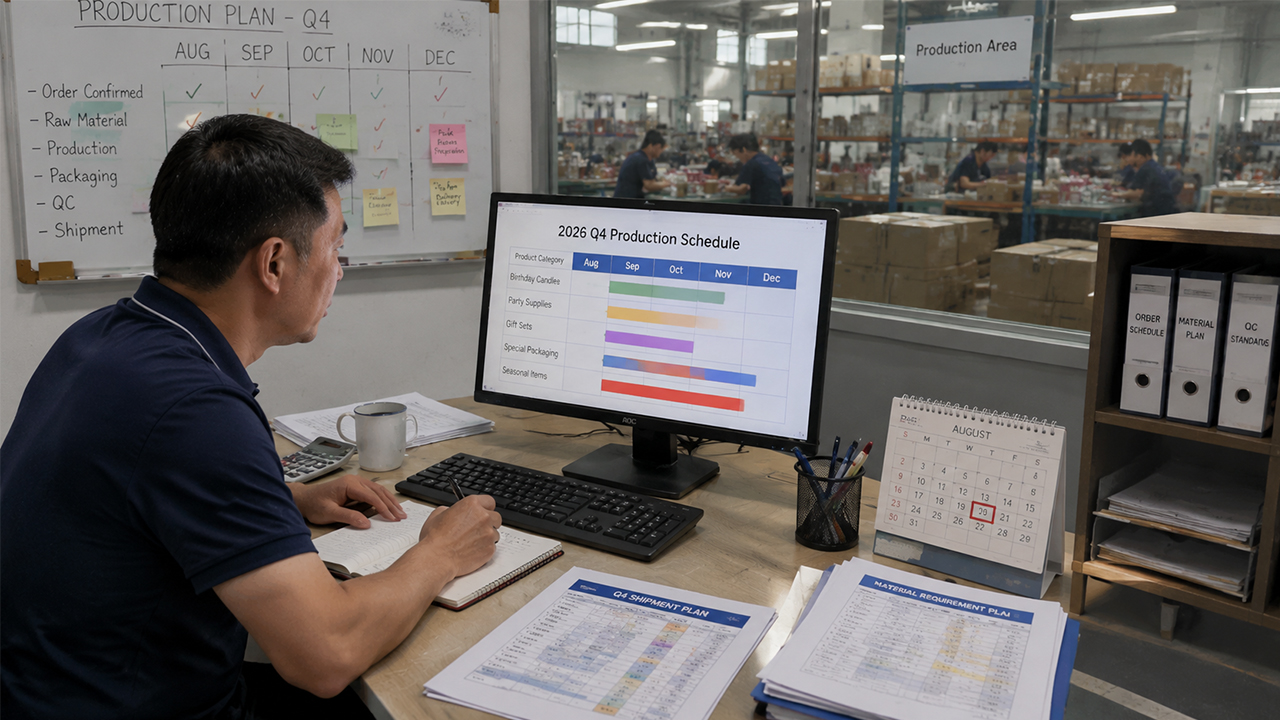
August is the month when Q4 planning moves from the calendar to the production floor.
For buyers sourcing candles and party supplies from China, the next few weeks represent a critical window. Holiday orders that are not in production by September risk missing peak-season distribution windows entirely. With retailers bringing forward their holiday orders and shipping capacity tightening, early planning is no longer optional — it is the difference between having products on shelves and watching from the sidelines.
This is an update on the current production schedule, the market conditions shaping Q4, and what buyers should consider in the weeks ahead.

The traditional shipping peak — the Q3 rush as shippers prepare for the holiday season — has already begun. But 2026 is shaping up differently than previous years.
US retailers have brought forward their holiday order timelines, driven by a combination of consumer demand patterns and broader supply chain concerns. The incentive to secure inventory earlier is clear, and this front-loading has shifted the entire supply chain calendar. Containers departing after mid-October risk missing peak-season distribution windows. The peak season has effectively moved earlier, and capacity is tightening across the board.
From a manufacturing perspective, the pattern is consistent with what we have observed over the past 18 months — buyers are confirming peak season orders earlier than in previous years. Those who wait until late September to plan Q4 will face limited capacity and longer lead times.
Several factors are converging in August 2026 that buyers should be aware of.
Ocean freight and capacity. Peak season surcharges have been introduced by major carriers, and shipping costs are expected to become less predictable as demand increases. Space is tightening across Asia to Europe and North America. Buyers should secure space well in advance — this is not the year for last-minute bookings.
US port labor uncertainty. Potential port disruptions may create additional uncertainty during October shipping schedules. Even if production is completed on time, shipments arriving in early October could face delays. Buyers should plan accordingly — either by shipping earlier or by building in contingency time.
Tariff uncertainty. Ongoing tariff discussions are driving some buyers to front-load orders to avoid potential cost increases later in the year.

Both of our factories — in Xingtai and Shijiazhuang, Hebei — are operating with full production schedules as Q4 orders begin to enter the production cycle.
What we are seeing from the production floor:
Peak season orders are being confirmed earlier. Buyers who typically placed orders in September are now booking in July and August.
Multi-SKU orders are increasing. Retailers are ordering more variety per shipment rather than large quantities of single items.
Custom packaging requests are growing. Buyers are asking for more personalized packaging to differentiate their holiday offerings.
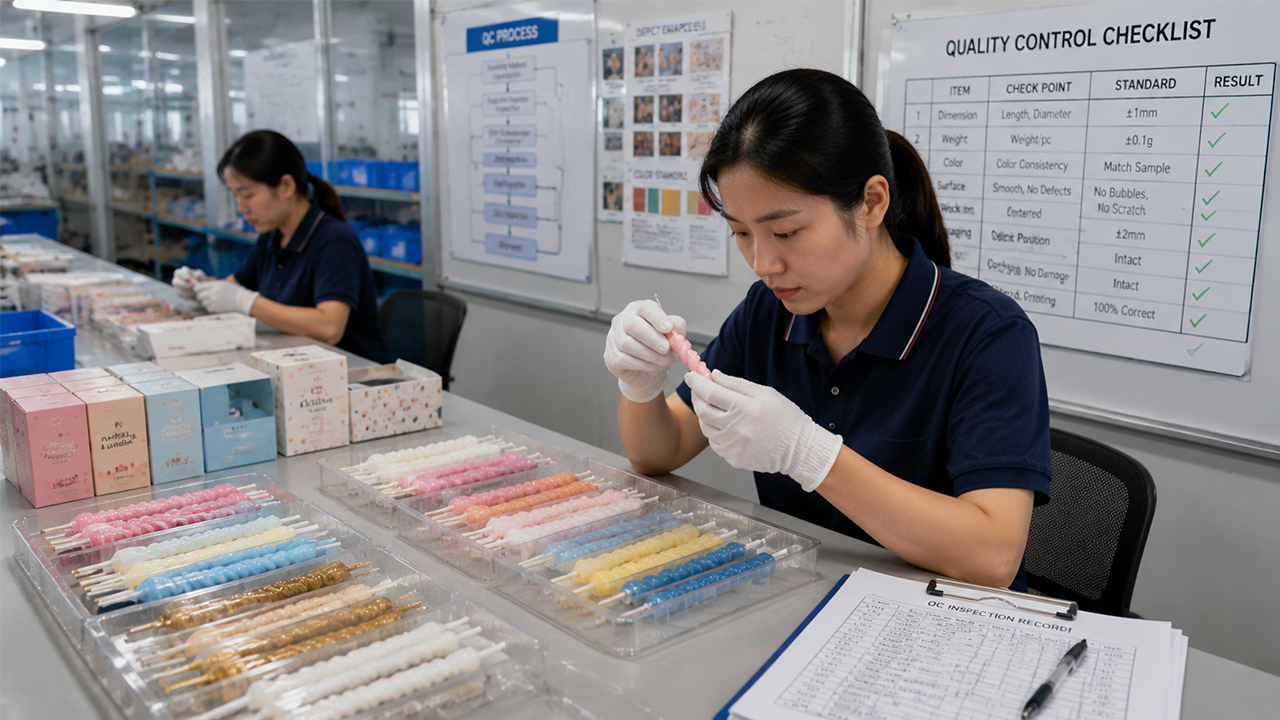
Lead times are tightening. The combination of higher order volume and material procurement lead times means that production slots are filling up faster than in previous years.
Current lead time estimates:
| Order Type | Estimated Production Lead Time |
|---|---|
| Standard candles (existing packaging) | 15–20 days |
| Custom candles (new packaging/design) | 20–25 days |
| Custom candles + custom packaging | 25–30 days |
These lead times do not include shipping. Buyers should add 30–45 days for ocean freight to the US or Europe.
1. Confirm Q4 orders early.
Production slots are filling up. Buyers who wait until late September will face limited availability and may need to pay rush fees for expedited production.
2. Plan for shipping delays.
With potential port disruptions and tightening capacity, shipments should be booked earlier than usual. Consider shipping by mid-September to avoid the October risk window.
3. Review packaging and compliance requirements early.
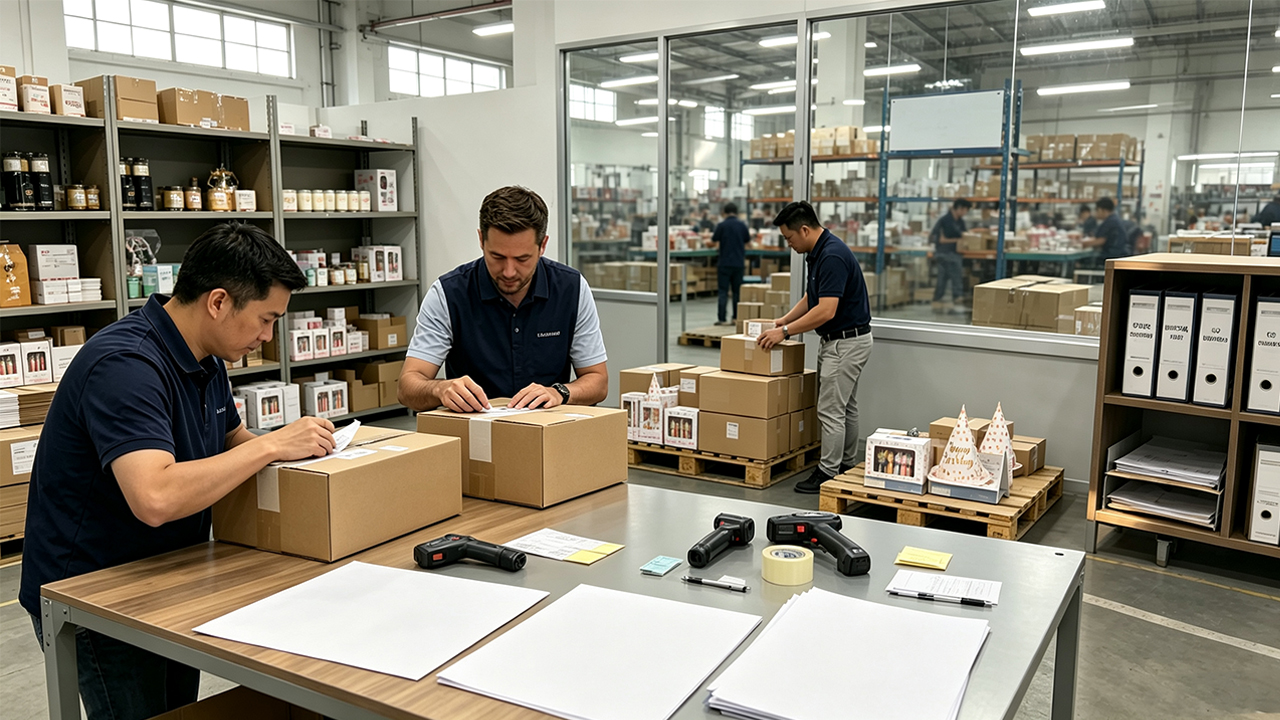
Custom packaging and compliance documentation take time. Buyers who submit artwork and specifications early will avoid delays later in the process.
4. Consider consolidating orders.
Multiple small orders spread across the Q4 period increase per-unit shipping costs and create production inefficiencies. Buyers who consolidate into fewer, larger shipments will save on freight and simplify production scheduling.
5. Communicate with your supplier.
The more visibility suppliers have into order volume and timing, the better they can plan production capacity. Buyers who share their forecasts early will secure better production slots.
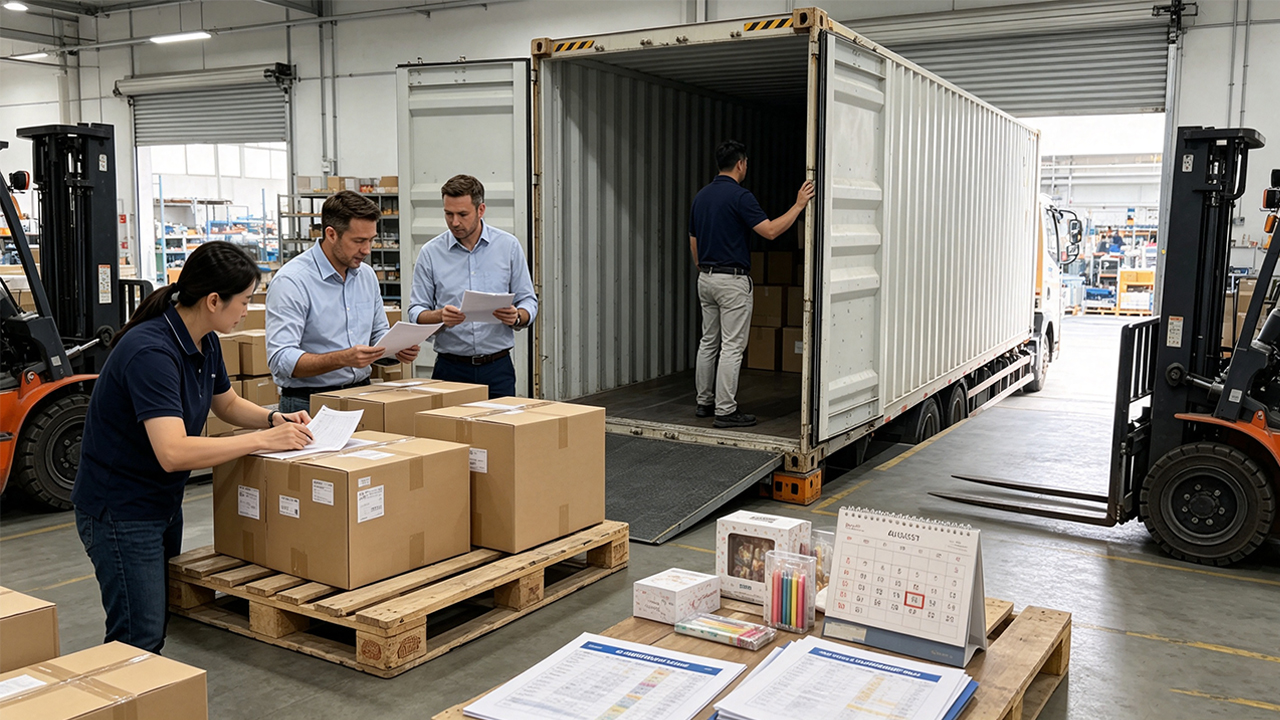
The Q4 production window is not a fixed date. It is a moving target shaped by order volume, material availability, production capacity, and shipping schedules.
This year, the window is narrower than usual. The combination of front-loaded retail demand, tightening shipping capacity, and potential port disruptions means that buyers who delay will face higher costs and greater uncertainty.
Based on current production planning, buyers who have Q4 programs should review their timelines early to avoid unnecessary pressure during the peak season. The window will not stay open much longer.
Kelaisi Candle has manufactured candles and party supplies since 1991, with facilities in Xingtai and Shijiazhuang, Hebei. We hold BSCI, SEDEX, CE, RoHS, EN71, and ASTM F963 certifications.
 Big size decorative scented candle
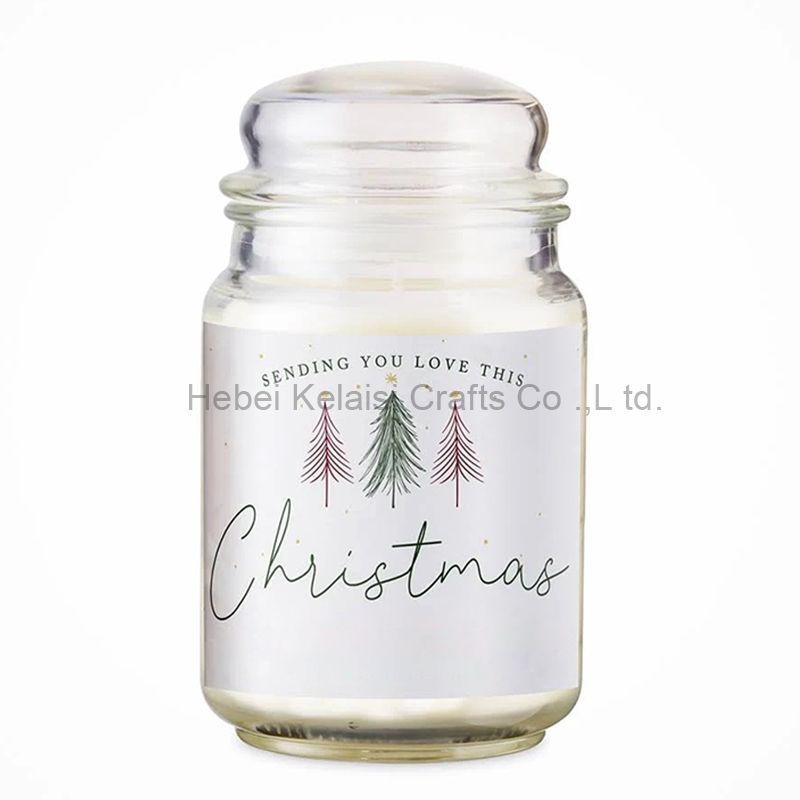
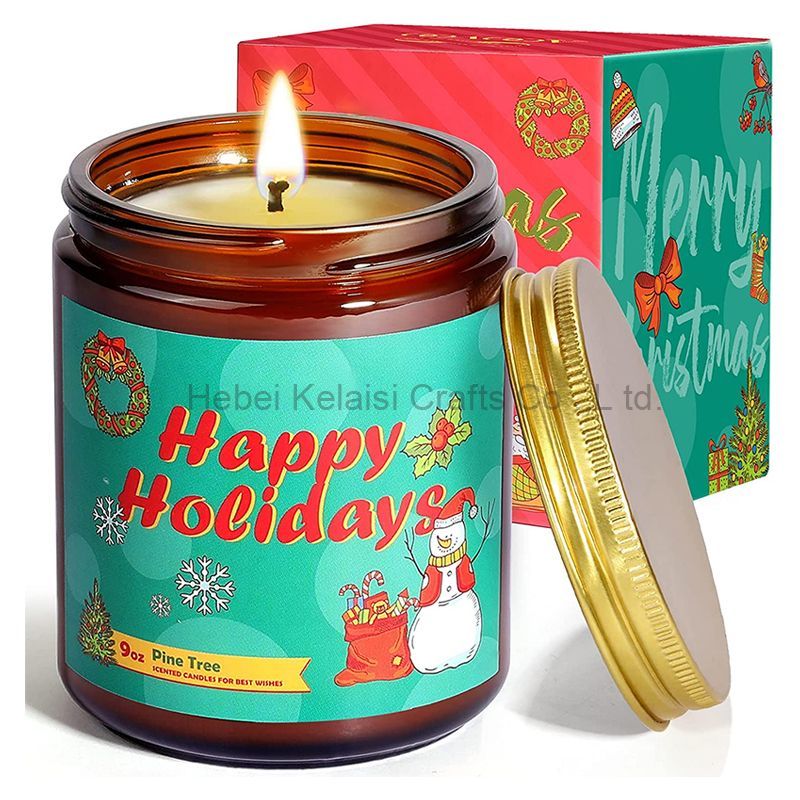 Christmas Scented Candles Gifts Sets for Women
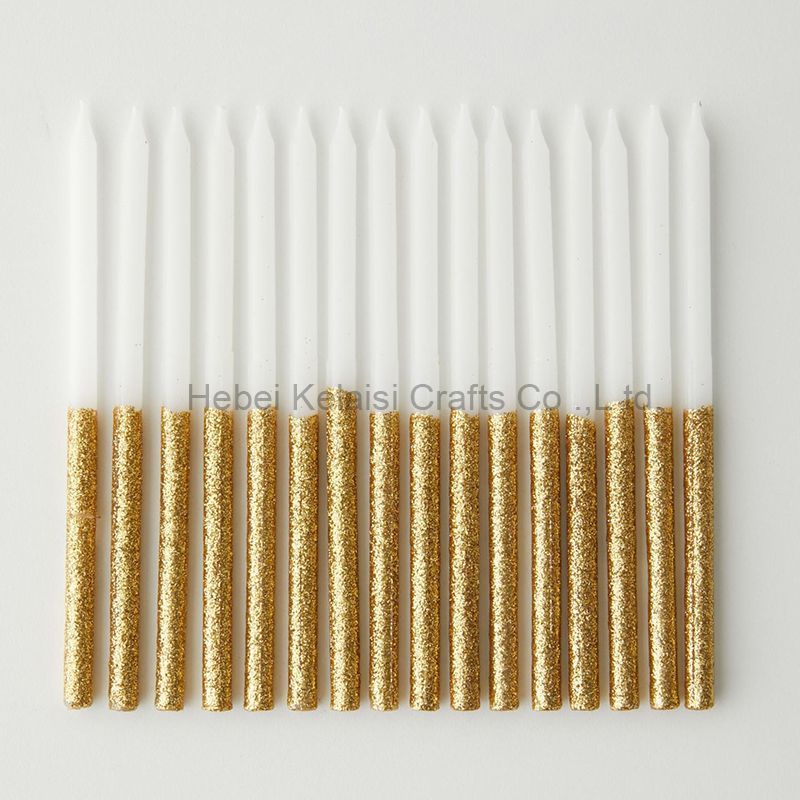 happy birthday long thin glitter cake candles
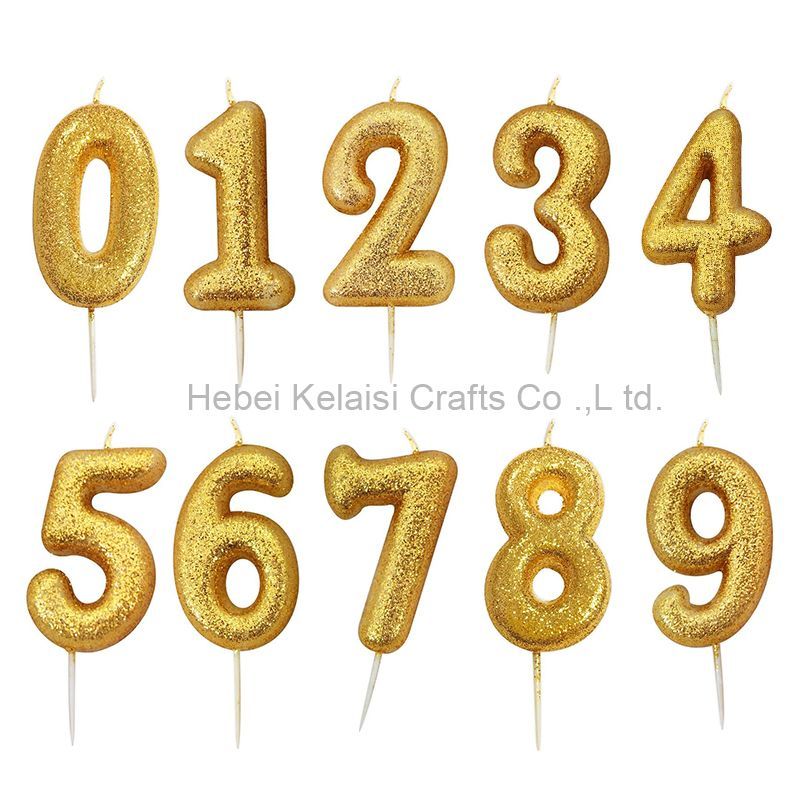 Luxury Golden Birthday Number Candle Sets
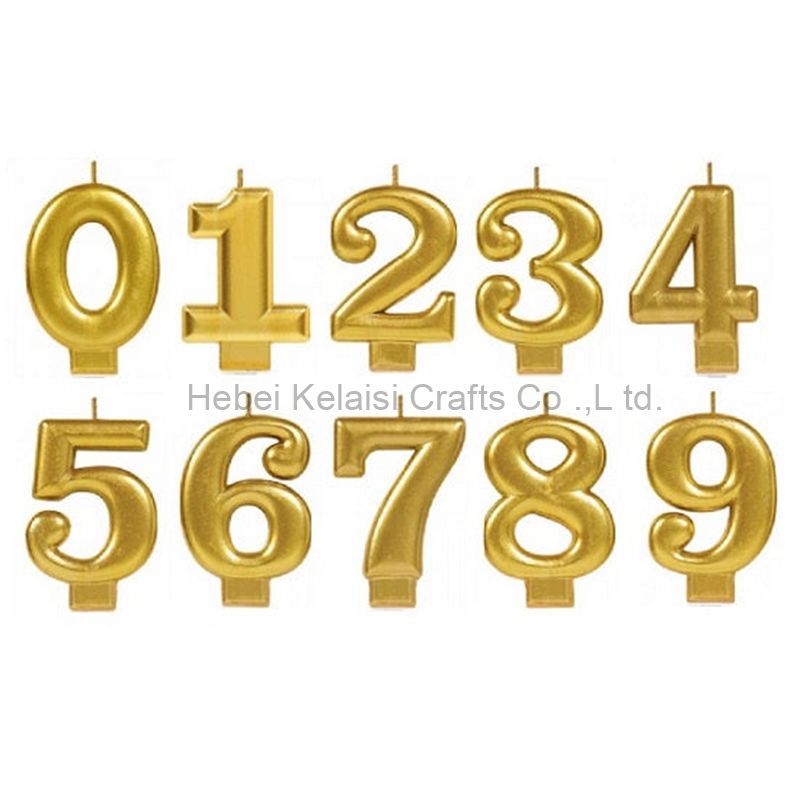 Fancy cake decoration number annual birthday candle
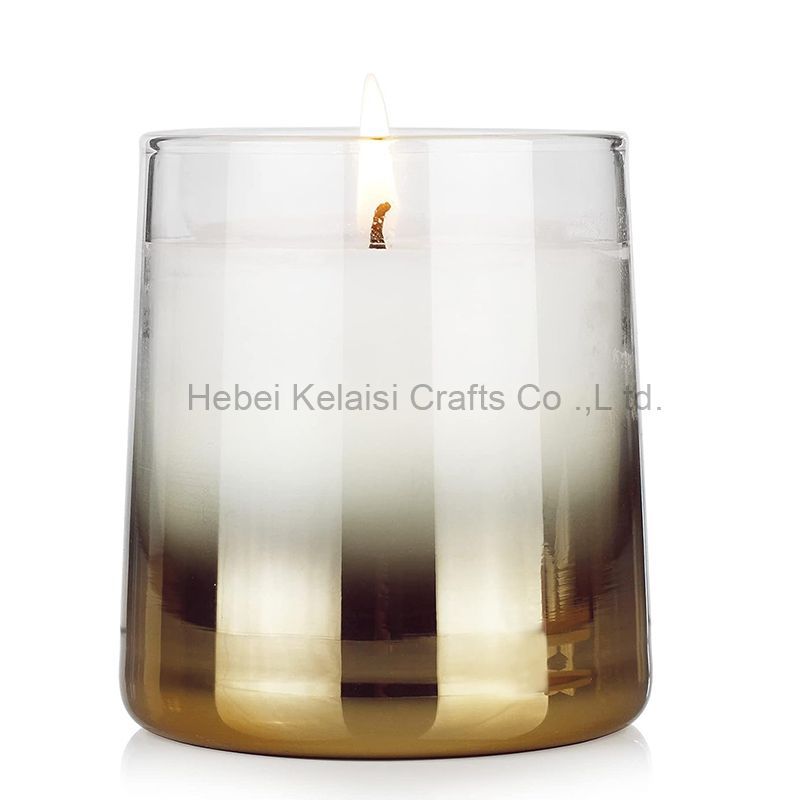 Gradient color Soy Wax Glass Jar Scented Candle
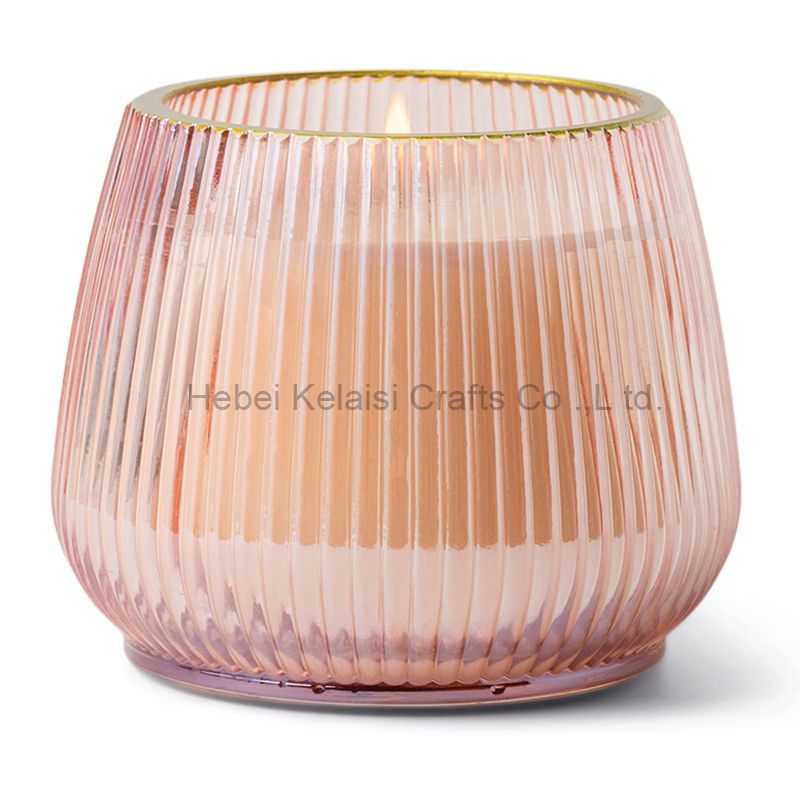 Origami Style Vertical Pattern Wine Glasses Jar Candles
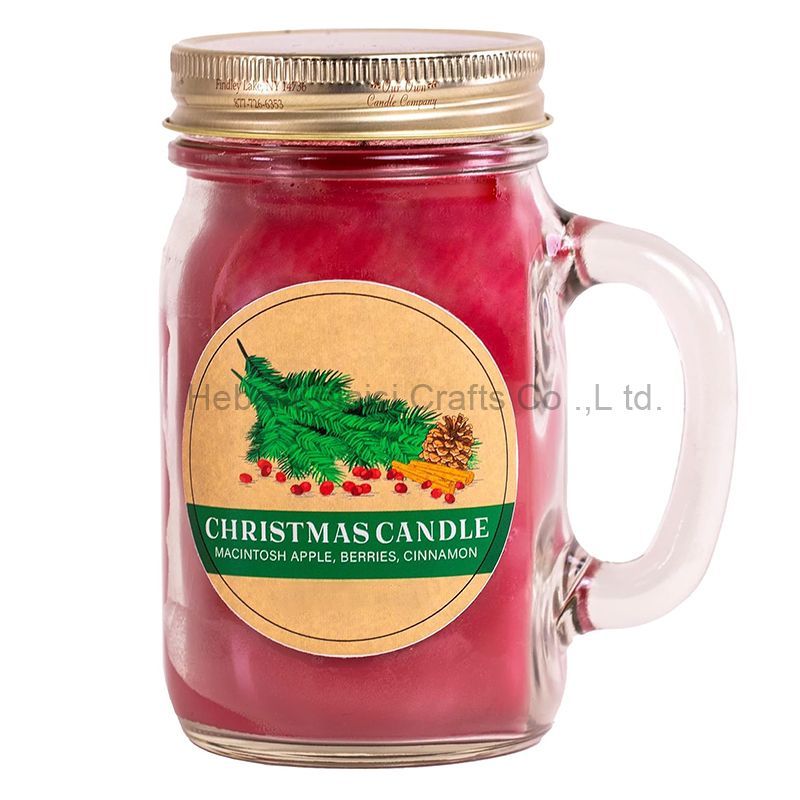 Custom Mini Glass Jar Scented Candle
 3D Letter Happy Birthday Candles
 Decorative Birthday Candles
 St. Patrick's Day Decorations Set
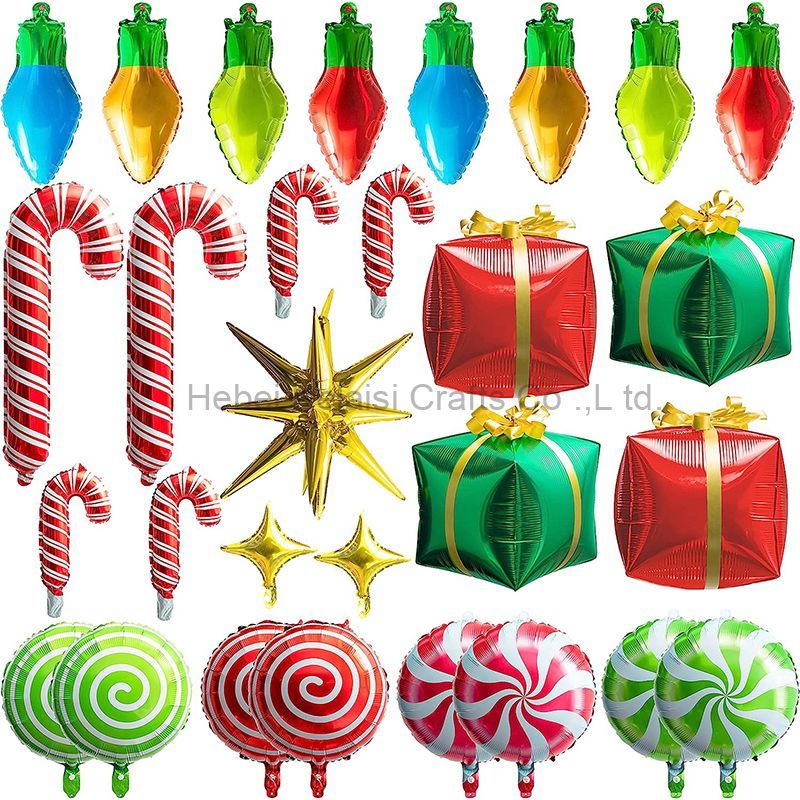 Christmas Party Balloons Supplies