Oct. 23, 2026
Candle safety requirements continue to evolve as product designs and manufacturing practices change. For manufacturers, importers, and retailers selling candles in Europe, keeping track of relevant standards is an important part of product development and sourcing.
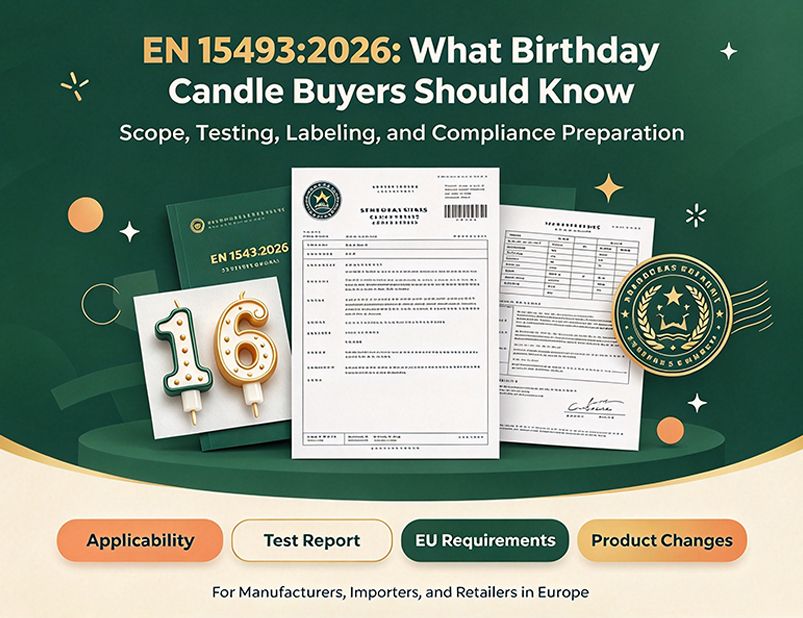
In September 2026, the European standard EN 15493:2026, Candles – Specification for Fire Safety, was published, replacing EN 15493:2019. The revised edition introduces new provisions for container candle flammability, multiple-wick candles, and test reporting. These changes are particularly relevant to businesses working with candle designs covered by the standard.
For birthday candle buyers, however, one question comes first: does the standard apply to the specific product being purchased? Understanding the scope of a standard is just as important as knowing that it has been updated.
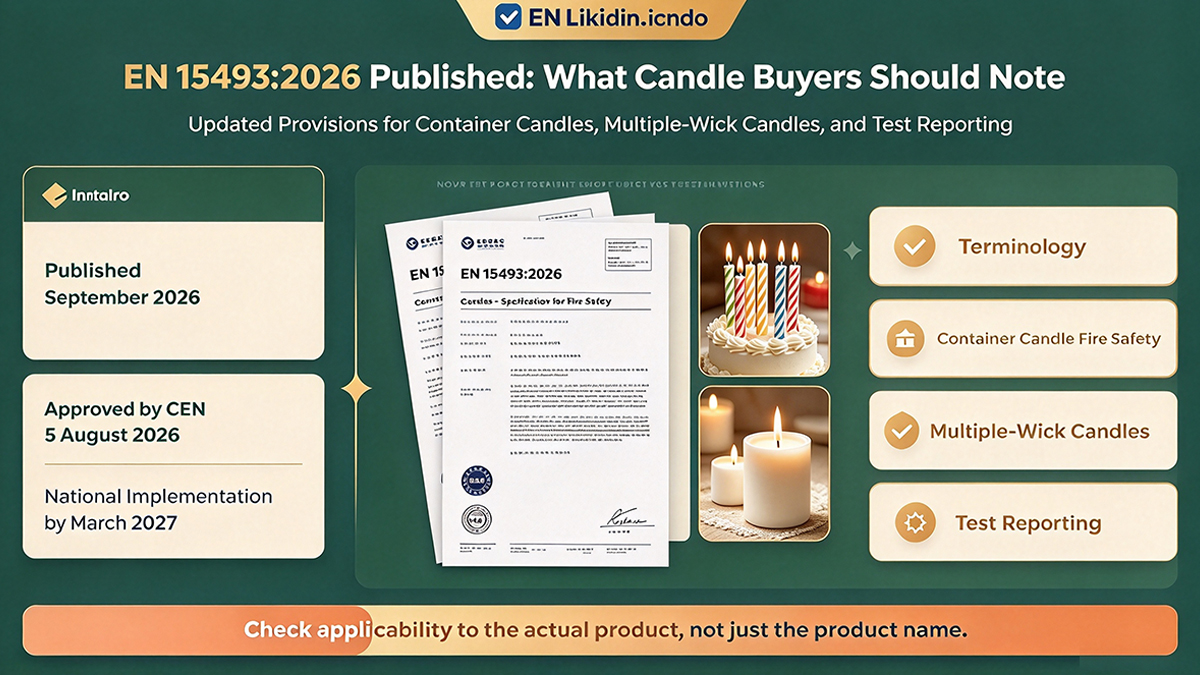
EN 15493 specifies fire safety requirements and test methods for candles intended to be burned indoors.
According to the published standard and TÜV SÜD's technical update, the 2026 edition introduces several important changes:
Updated terminology and definitions: The standard clarifies concepts used in candle fire safety, including multiple-wick candles and sustained flaming.
Additional requirements for container candles: New provisions address container flammability, supported by specific test methods.
Requirements for multiple-wick candles: The revised standard addresses potential fire hazards associated with interactions between multiple flames.
More detailed test reporting: Expanded reporting requirements support clearer documentation and better traceability of test results.
These updates reflect differences in candle construction and the need to assess relevant fire hazards using appropriate test methods.
The standard was approved by CEN on 5 August 2026 and published in September 2026. CEN states that national standards bodies must give it the status of a national standard by March 2027 at the latest and withdraw conflicting national standards by that deadline.
This is a standards implementation milestone, not a universal deadline that automatically determines every business's legal obligations. Companies should confirm the applicable requirements for their products and markets.
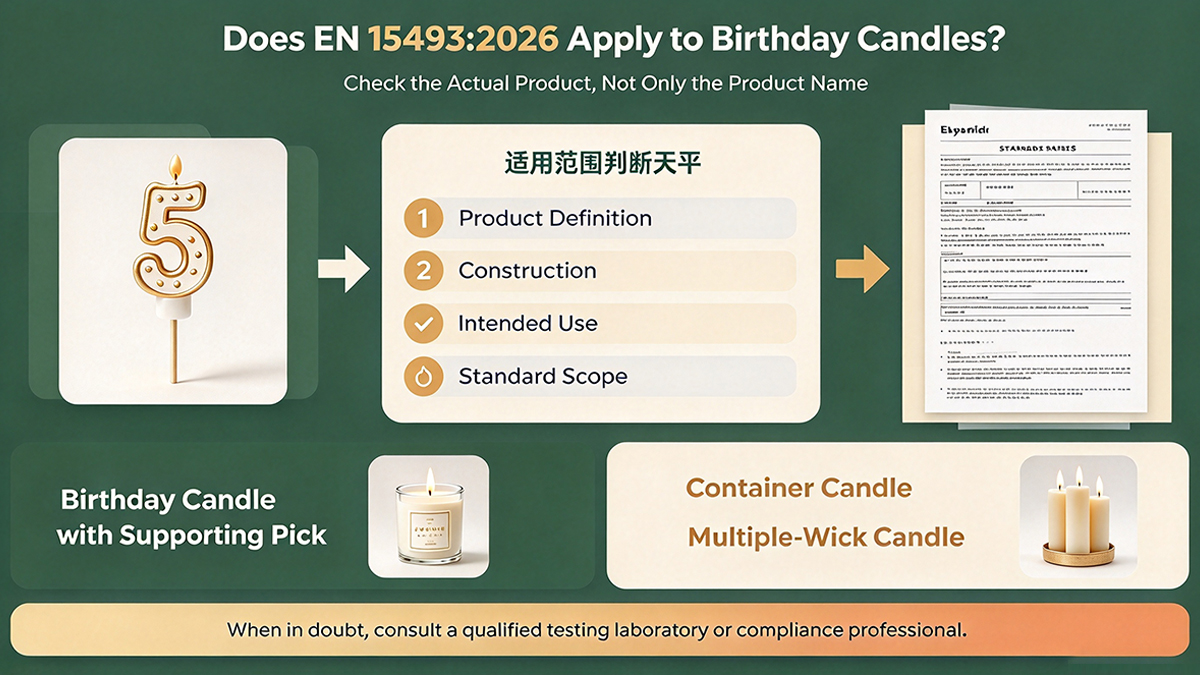
Not every candle product has the same construction or intended use. Birthday candles commonly feature narrow wax bodies and supporting picks, while container candles and multiple-wick candles have different physical characteristics and burning conditions.
Because EN 15493 covers candles intended to be burned indoors, businesses should not decide applicability solely from a product's commercial name. The actual product definition, construction, intended use, and the standard's formal scope must be considered.
For example, a small birthday candle designed to be placed on a cake may require a different assessment from a candle manufactured and used in a container. A product with multiple wicks also raises different technical questions from a single-wick design.
This does not mean birthday candles are automatically excluded from EN 15493. Nor does it mean every birthday candle must undergo every test described in the standard. Buyers and manufacturers should establish whether the particular product falls within scope and identify the requirements relevant to its design.
Where the answer is uncertain, a qualified testing laboratory or compliance professional can help assess the product against the applicable standard and other relevant rules.
A standards update gives buyers a practical reason to review product specifications and compliance documentation before placing repeat orders or launching new designs.
Confirm the product specification. Document the candle's dimensions, materials, wick construction, surface treatments, and intended use. These details help identify the product configuration that needs to be assessed.
Check the applicable standard and edition. Ask which safety requirements were considered and whether EN 15493:2026 is relevant to the specific product. Do not assume that a report based on a different product design automatically covers every variation.
Review the test report. Confirm the product identity, test method, standard edition, and scope of the report. If the design or materials have changed, determine whether the existing evidence remains appropriate.
Review labeling and product information separately. Fire safety testing and product safety labeling are related but distinct matters. Buyers should also check the requirements applicable to warnings, instructions, traceability, and other product information in the destination market.
Assess changes before production. A change in wick construction, wax formulation, dimensions, coatings, or other important characteristics may affect the relevance of previous assessments. The need for additional testing should be determined according to the nature of the change and applicable requirements.
These steps help buyers make better-informed sourcing decisions without assuming that one document or test covers every compliance obligation.
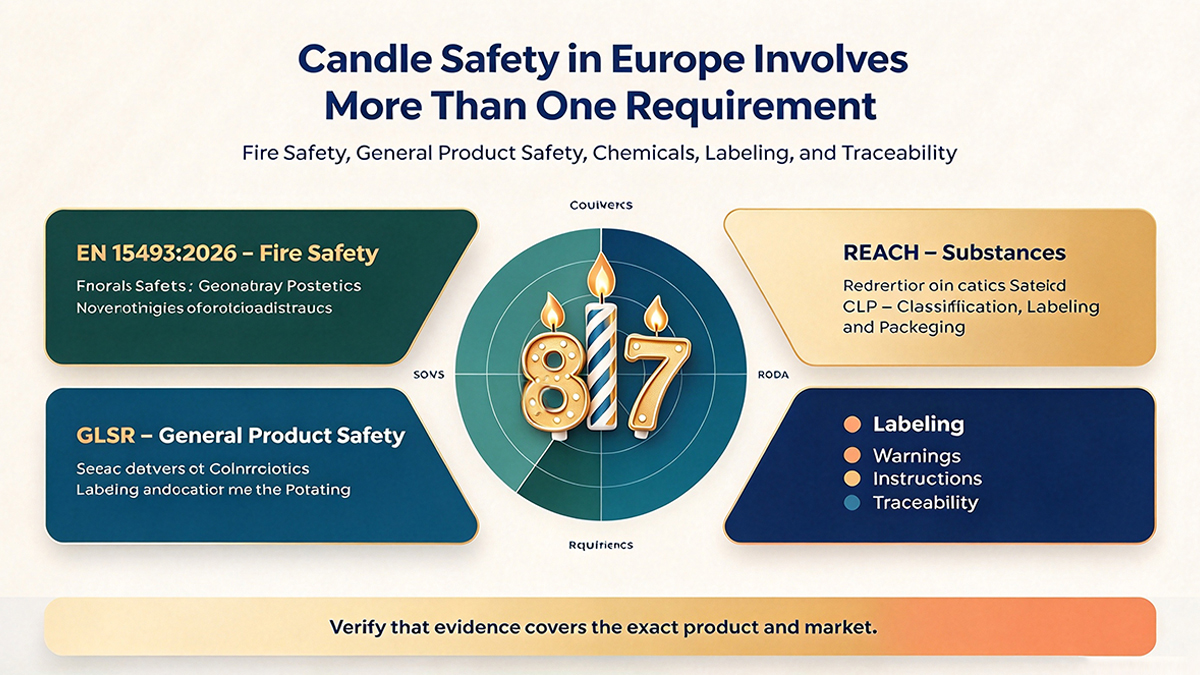
EN 15493 addresses candle fire safety, but it should not be treated as a complete statement of every legal obligation that may apply to a product.
The EU General Product Safety Regulation (GPSR), Regulation (EU) 2023/988, establishes a general framework for consumer product safety within its scope. Other rules may apply depending on the product's composition, characteristics, and intended use.
For example, REACH may be relevant to certain substances in materials or products. CLP obligations may apply to substances or mixtures that meet the regulation's conditions. Their applicability should be assessed against the actual formulation and relevant legal provisions, rather than assumed for every candle.
For birthday candle buyers, the practical approach is to distinguish between fire safety, chemical requirements, labeling, traceability, and other applicable obligations. A supplier's general statement that a product is “compliant” does not explain which requirements were assessed or whether the evidence covers the exact item being purchased.
Buyers should request relevant documentation and verify that its scope matches the product and market in question.
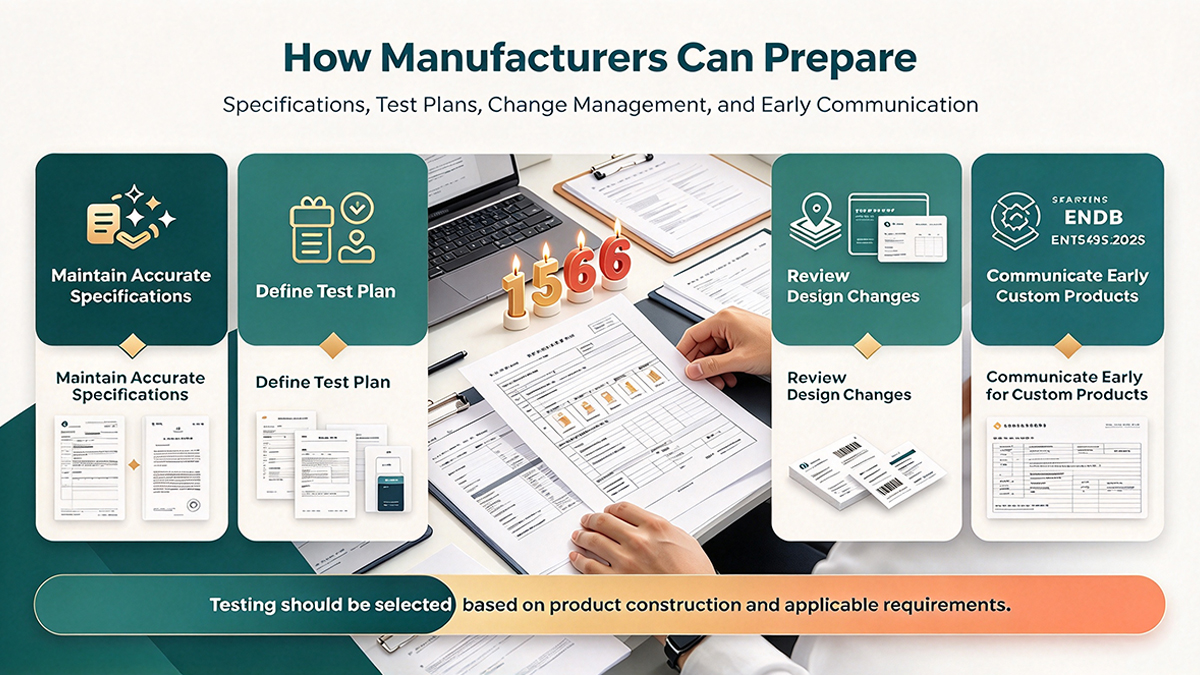
Manufacturers and suppliers can respond to standards updates by keeping product information accurate and establishing a clear review process.
Maintaining specifications for materials, dimensions, wick details, surface treatments, and packaging helps identify which product versions may be affected by a change in requirements. Approved samples and records of design changes can also support communication between buyers and production teams.
Where testing is needed, the test plan should reflect the product's construction and the hazards addressed by the applicable requirements. Testing should not be selected simply because a standard exists; its scope and relevance must first be established.
For customized birthday candles, buyers and manufacturers should discuss the intended destination market early in the development process. This allows both sides to identify relevant requirements, confirm product details, and determine what documentation may be needed before mass production.
Clear communication is particularly important when a product is modified after a sample has been approved. Changes to materials, wick design, or other significant features should be reviewed to determine whether existing assessments remain suitable.
The publication of EN 15493:2026 is an important development for businesses working with candles intended for indoor burning. Its revised provisions make it timely for manufacturers, importers, and retailers to review relevant product specifications and safety documentation.
For birthday candle buyers, the first step is not to assume that every new provision applies to every product. It is to identify the product's construction and intended use, confirm the relevant standards and regulations, and review evidence that relates to the actual item being sourced.
A well-managed compliance process is specific, documented, and proportionate to the product. By combining clear specifications, appropriate testing, and careful review of destination-market requirements, buyers and manufacturers can make more informed decisions and manage product safety responsibilities more effectively.
Editorial note: This article provides general industry information, not legal advice. Businesses should consult the official standard and relevant authorities or qualified compliance professionals to confirm current requirements for their specific products.
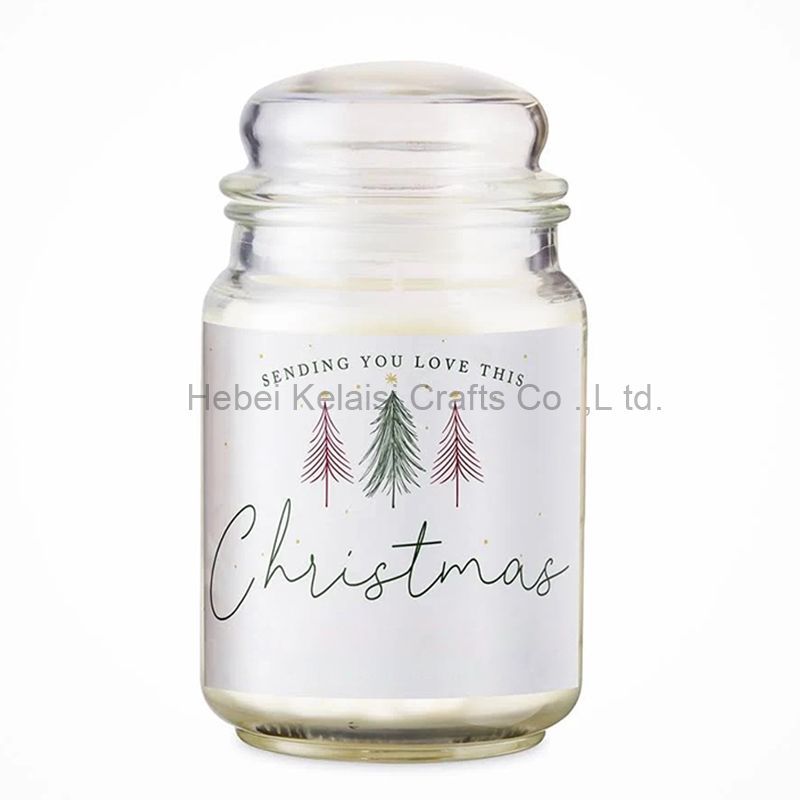 Big size decorative scented candle
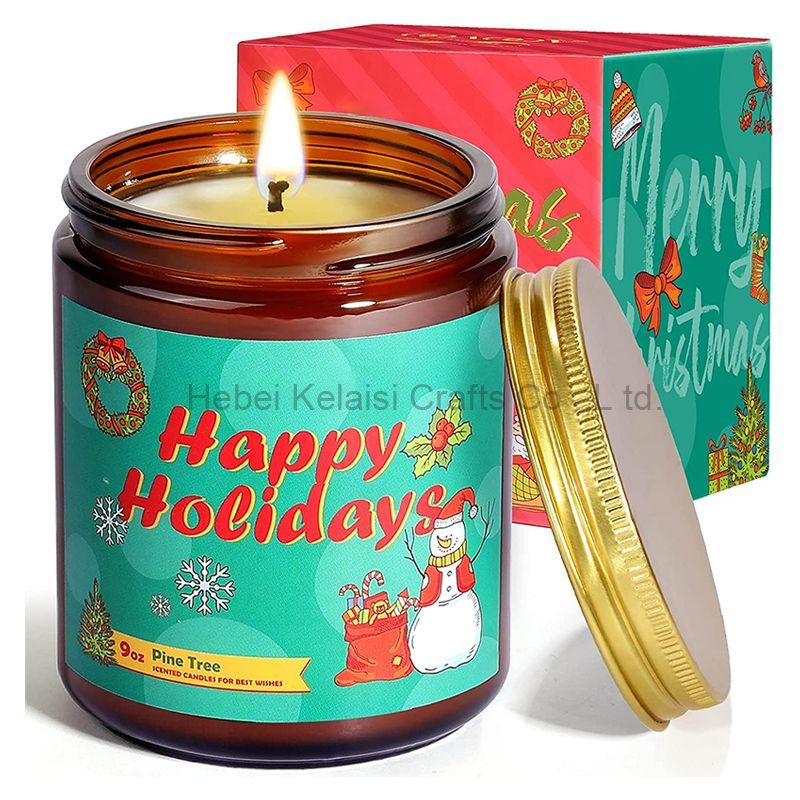 Christmas Scented Candles Gifts Sets for Women
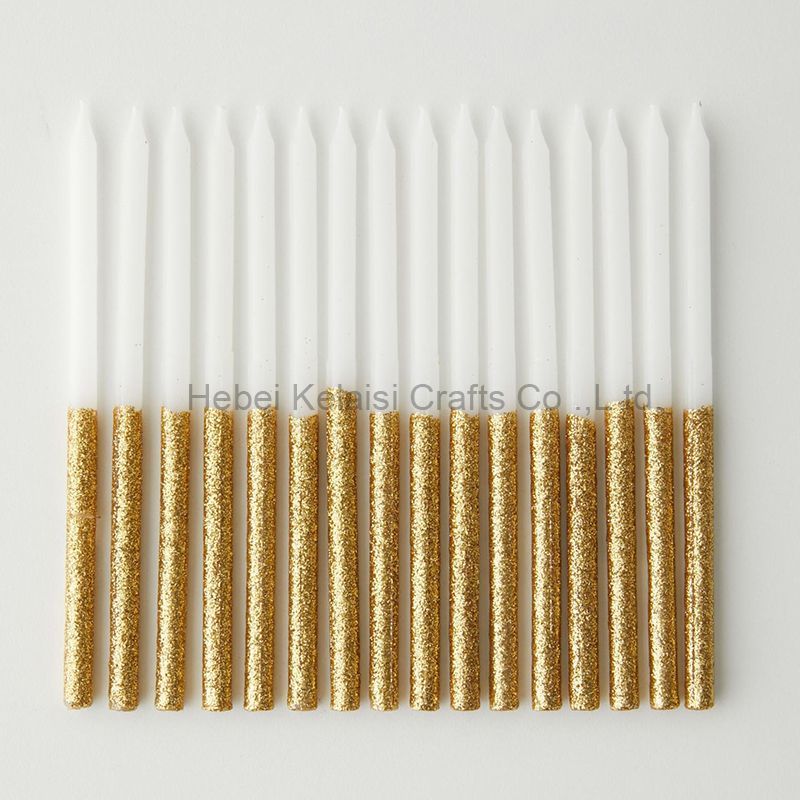 happy birthday long thin glitter cake candles
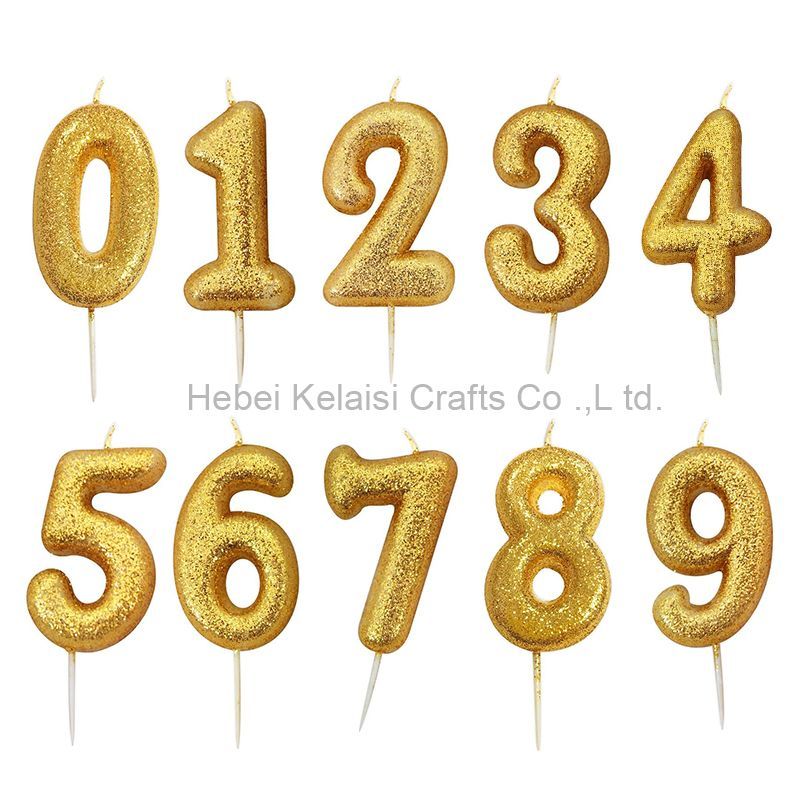 Luxury Golden Birthday Number Candle Sets
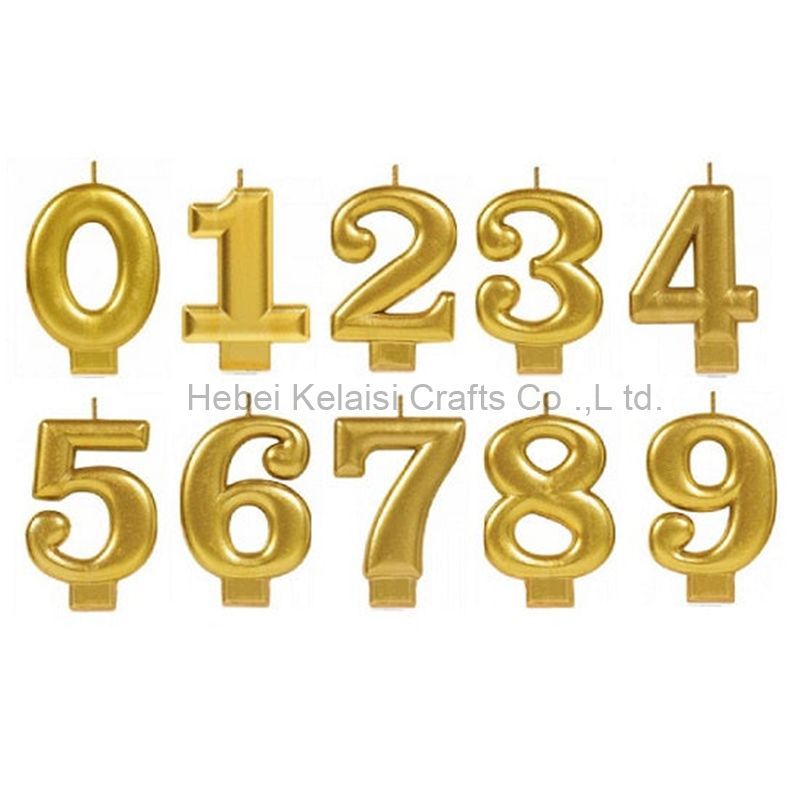 Fancy cake decoration number annual birthday candle
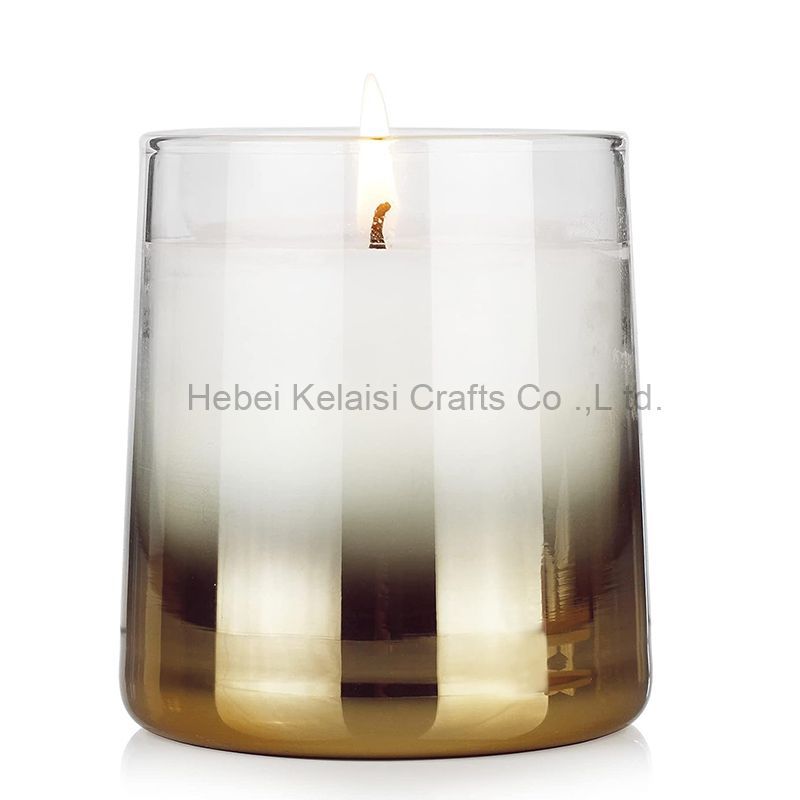 Gradient color Soy Wax Glass Jar Scented Candle
 Origami Style Vertical Pattern Wine Glasses Jar Candles
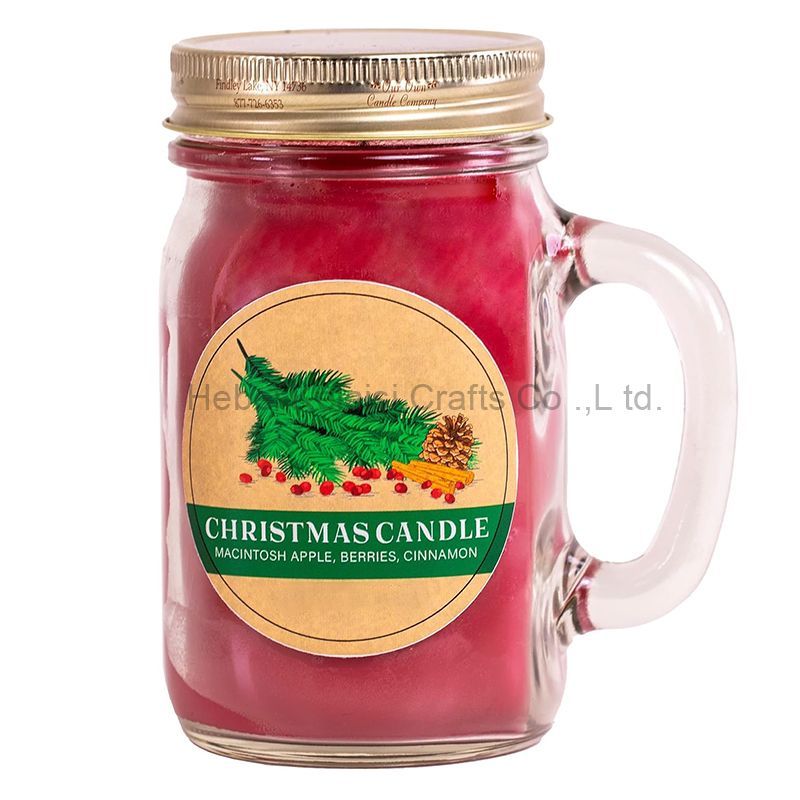 Custom Mini Glass Jar Scented Candle
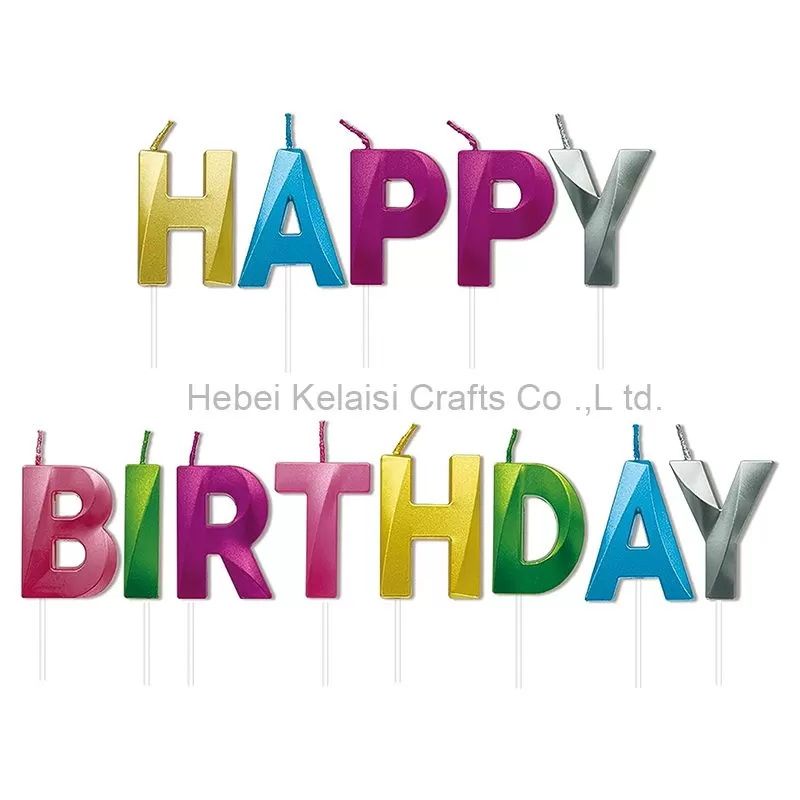 3D Letter Happy Birthday Candles
 Decorative Birthday Candles
 St. Patrick's Day Decorations Set
 Christmas Party Balloons Supplies