Sep. 07, 2026
The first three articles in this series examined how celebration is changing. Gen Z is reshaping how people party. Micro-celebrations are changing when people celebrate. Personalization is changing what people want.
Together, these shifts create a new problem for the party supplies industry: more fragmented demand.
When consumers celebrate more often, for more personal reasons, with more specific themes, the number of possible product combinations expands rapidly. More occasions create more assortment requirements. More personalization creates more variations. More variations can quickly lead to more SKUs—far more than many buyers can efficiently manage without increasing inventory and procurement complexity.
The result is a growing tension between consumer expectations and supply chain reality. Consumers want choice. Buyers need efficiency. The solution is not simply to add more individual products. It is to rethink how products are organized, sourced, and sold.
The industry is not moving away from individual SKUs—but buyers are increasingly looking beyond individual products toward coordinated collections, party kits, and sourcing solutions.
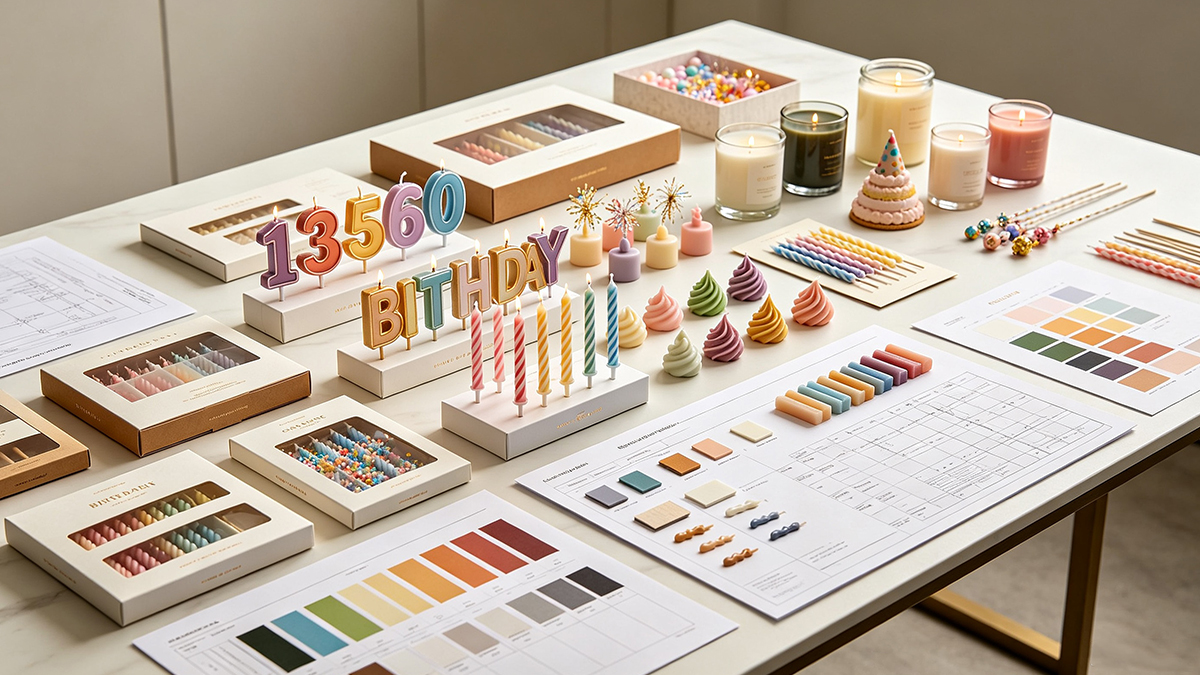
For buyers, the shift toward more occasions, more themes, and more personalization creates a familiar but intensifying problem: SKU proliferation.
If every consumer wants something slightly different, and every theme requires its own set of products, the number of SKUs expands rapidly. A single banner with 10 messages, 5 colors, and 3 sizes is not one SKU—it is 150 possible variations. Apply that logic across candles, tableware, decorations, and favors, and the numbers can quickly become difficult to manage efficiently.
The traditional response—simply carrying more products—can become increasingly difficult to sustain. More SKUs mean more inventory, more complexity, more forecasting difficulty, and more risk. Buyers are discovering that offering endless choice is not the same as offering better choice.
More SKUs are not the answer. More flexibility is.
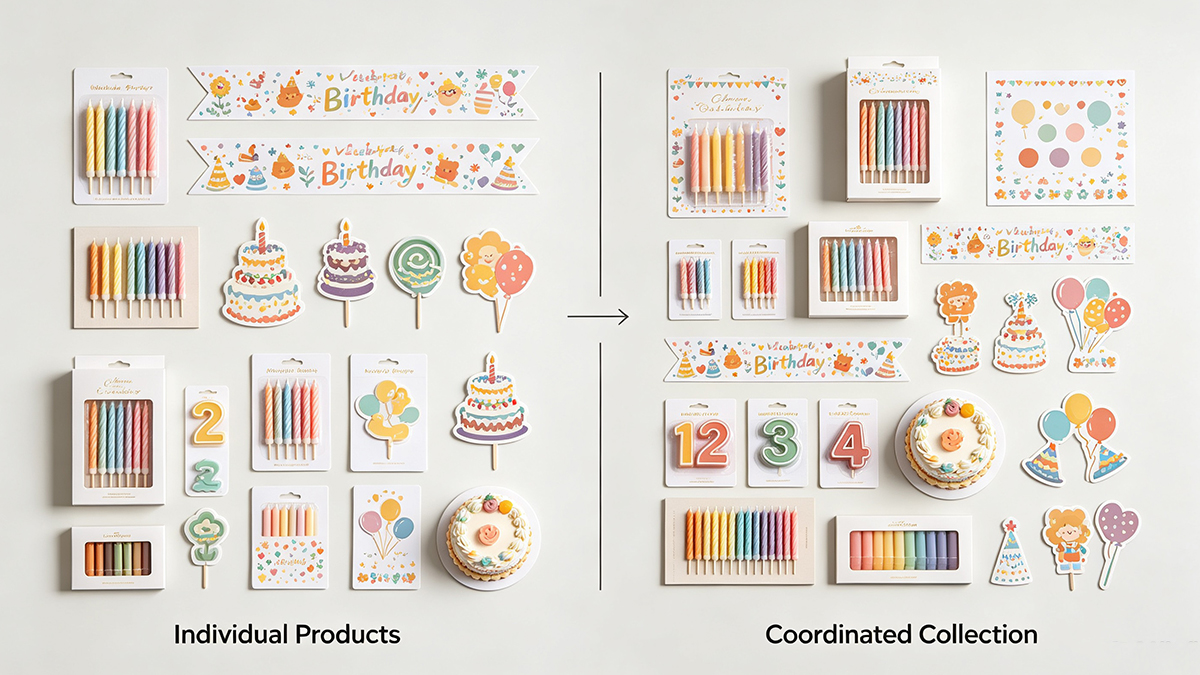
The shift toward personalization and themed celebrations has created a new approach: coordinated collections.
Instead of sourcing individual products separately—candles from one supplier, banners from another, tableware from a third—buyers are increasingly looking for products that work together as a complete collection. A single theme, a consistent color palette, a unified design language.
Coordinated collections can create a more cohesive consumer experience than disconnected individual products. When products are designed to work together, they can create a more cohesive and intentional celebration experience. When products are sourced separately without a coordinated design approach, maintaining that consistency can become more difficult.
For buyers, the value is equally practical: coordinated collections can simplify assortment planning, reduce supplier fragmentation, and make theme-based merchandising easier to execute.
This is not just about convenience. It is about meeting consumer expectations. Consumers increasingly expect products that feel curated, not cobbled together. Recent market analysis also points to growing interest in themed products, coordinated décor, and ready-to-use party kits.
Coordinated collections are one response to this complexity. Party kits take the idea one step further by turning coordinated products into a ready-to-buy assortment.
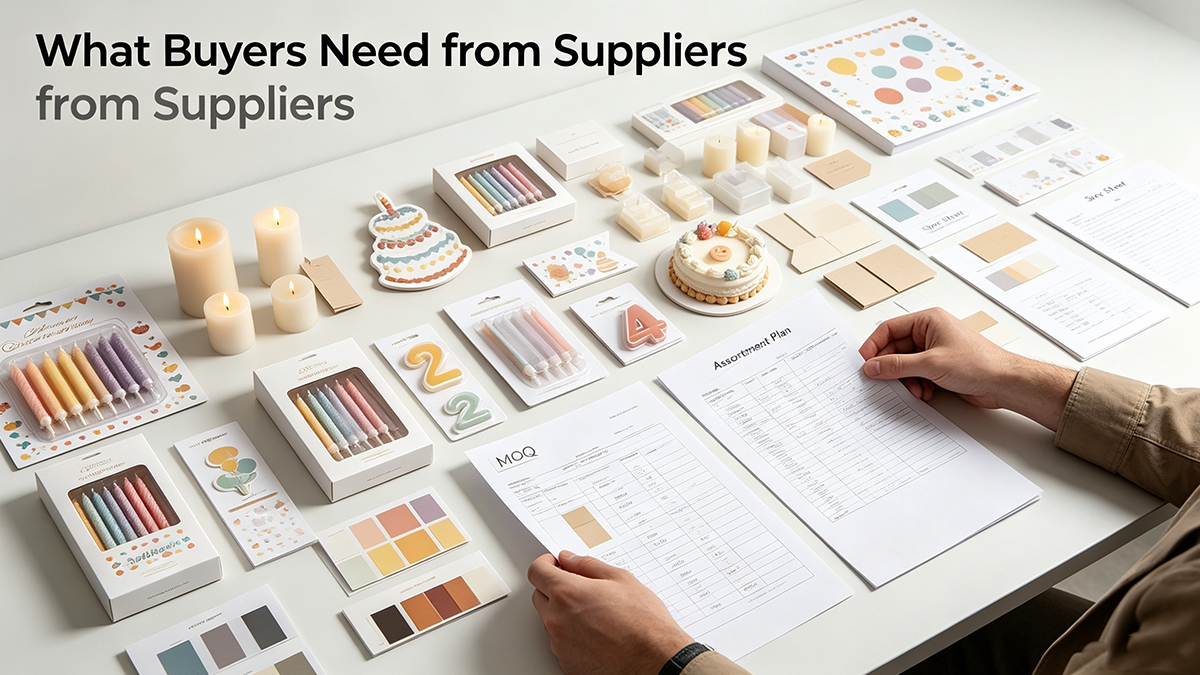
The rise of niche themes, micro-celebrations, and personalization has made party kits increasingly relevant.
To understand the opportunity, it helps to distinguish between four levels of product organization:
| Level | Definition |
|---|---|
| Bundle | Several products sold together |
| Coordinated Collection | Several products designed to work visually and functionally together |
| Party Kit | A curated set designed to solve a specific celebration need with minimal additional sourcing |
| Solution | A sourcing approach that helps the buyer build, customize, coordinate, and manage an assortment around a specific need |
This distinction matters because it clarifies what buyers are actually looking for—not just more products in a box, but products that work together to create a complete experience.
A party kit is not simply a bundle of products. It is a curated assortment designed around a specific theme or celebration need, with the individual components selected to work together. A coordinated collection helps products fit together; a party kit takes that coordination one step further by turning it into a ready-to-buy assortment. It ensures visual consistency. It simplifies the purchasing decision for consumers who do not have the time or expertise to assemble products from multiple sources.
This format aligns with several trends driving the party supplies market:
Niche themes. A themed party collection, for example, might combine decorations and accessories around a single concept. For buyers, the value lies not in the novelty of the theme itself, but in the ability to source a coordinated assortment around it.
Micro‑celebrations. Smaller, more frequent celebrations create opportunities for smaller, more focused assortments rather than full‑scale party setups.
Personalization. Collections can be customized at the assortment level—different messages, different color combinations, different themes—without requiring each individual product to be customized separately. Personalization does not have to mean customizing every SKU. It can mean customizing the collection itself.
For e‑commerce, curated collections can also simplify product discovery by reducing the number of individual purchasing decisions consumers need to make.
For buyers sourcing party supplies, the shift toward coordinated collections changes how to think about assortment planning.
Think in themes, not categories. The traditional approach groups products by type: candles, tableware, decorations. A more theme‑based approach groups products around an occasion or theme rather than treating each category separately. A "baby shower collection" includes candles, tableware, and decorations—all coordinated around a single design language.
Prioritize visual consistency. When products are purchased together, they need to look like they belong together. Color matching, design language, and packaging consistency are becoming as important as individual product quality.
Look for suppliers that offer coordinated collections. Instead of evaluating individual products separately, buyers can look for suppliers that offer coordinated collections or ready‑to‑build kits. This reduces the burden on consumers and creates a stronger value proposition.
Test smaller collections. Not every theme needs a full product line. Buyers can test new occasions with smaller, focused collections before committing to broader assortments.
When evaluating a party supplies supplier, buyers should look beyond product price and SKU count. The shift toward coordinated collections changes the criteria for evaluating suppliers:
| Capability | Why It Matters |
|---|---|
| Multiple complementary categories | Can the supplier provide complementary products—either through its own production or a reliable supply network? |
| Flexible customization | Can the supplier adapt colors, messages, packaging, and themes to specific occasions and personal preferences? |
| Consistent quality across the collection | When products are part of a collection, they need to meet the same quality standards |
| Mixed‑SKU and flexible MOQ | Coordinated collections often require smaller quantities of multiple items |
| Coordinated packaging | The packaging of a collection is part of the product |
| One‑stop sourcing | Reducing supplier complexity is a key advantage |
| Reliable production and delivery coordination | A collection is only valuable if all components arrive together and meet the same specification |
For buyers looking to reduce supplier complexity, suppliers that can coordinate multiple categories, customization, packaging, and logistics can offer significant sourcing advantages.
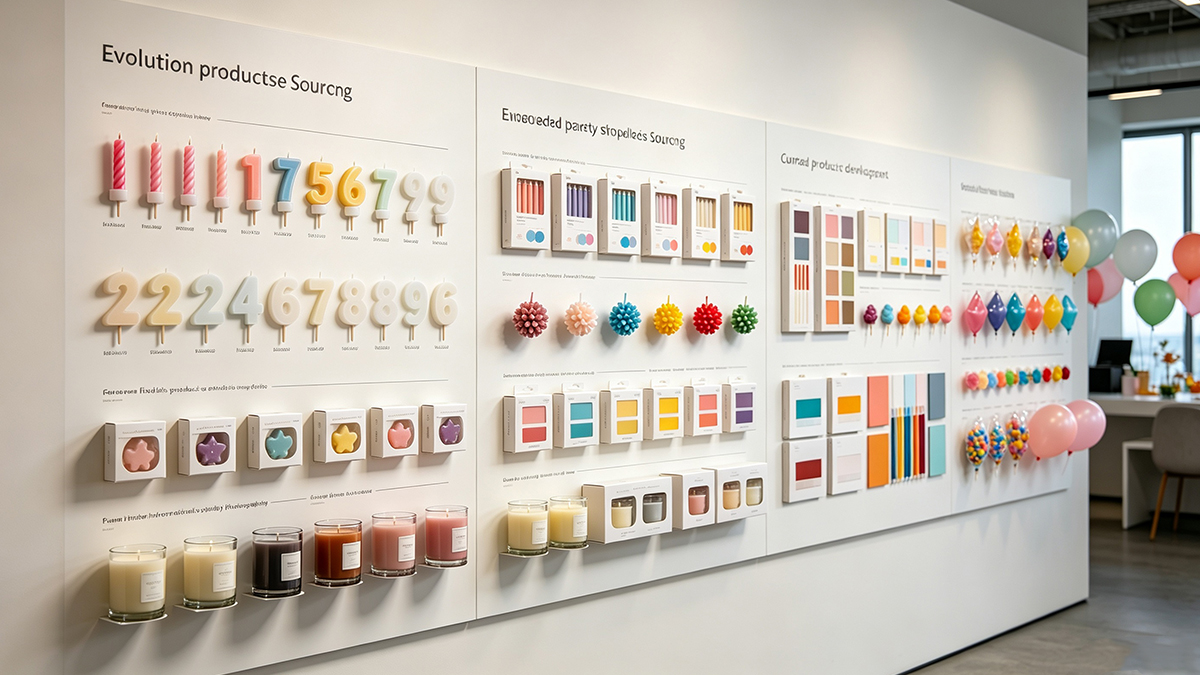
The shift from individual‑SKU thinking toward coordinated collections represents an important change in how buyers approach party‑supplies assortment.
Buyers are no longer simply sourcing products. They are increasingly sourcing solutions.
A solution is not a catalog of individual items. It is a curated assortment designed around a specific consumer need. It reduces complexity for the buyer. It reduces effort for the consumer. And it creates a stronger, more consistent brand experience.
This is where the industry is heading. The buyers who adapt—who move from product sourcing to solution sourcing—will be better positioned to meet evolving consumer expectations.
This gives suppliers that can deliver coordinated collections a potential advantage in an increasingly fragmented market.
| Traditional Assortment Thinking | Solution‑Oriented Assortment Thinking |
|---|---|
| Individual SKUs | Coordinated collections |
| More product variations | More flexibility |
| Large quantities | Flexible quantities |
| Multiple suppliers | Fewer, coordinated suppliers |
| Product‑by‑product sourcing | Theme‑based sourcing |
The future may not be about carrying more products. It may be about creating more possibilities from fewer, more flexible products.
Kelaisi Candle has manufactured candles and party supplies since 1991, with facilities in Xingtai and Shijiazhuang, Hebei. We support international buyers with social‑compliance, product‑testing, and quality documentation covering requirements such as BSCI, SEDEX, CE, RoHS, EN71, and ASTM F963, where applicable.
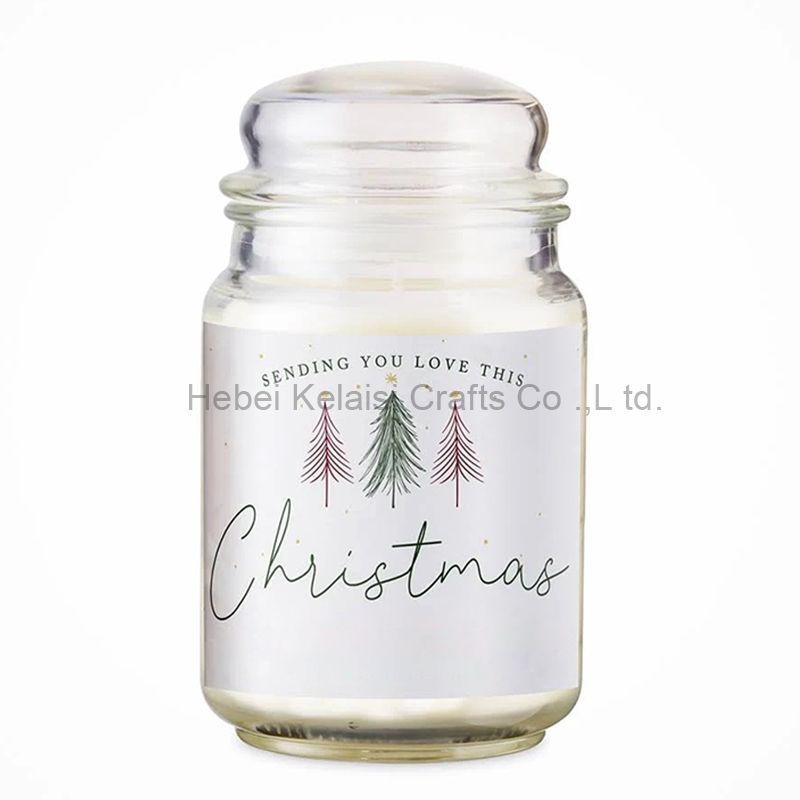 Big size decorative scented candle
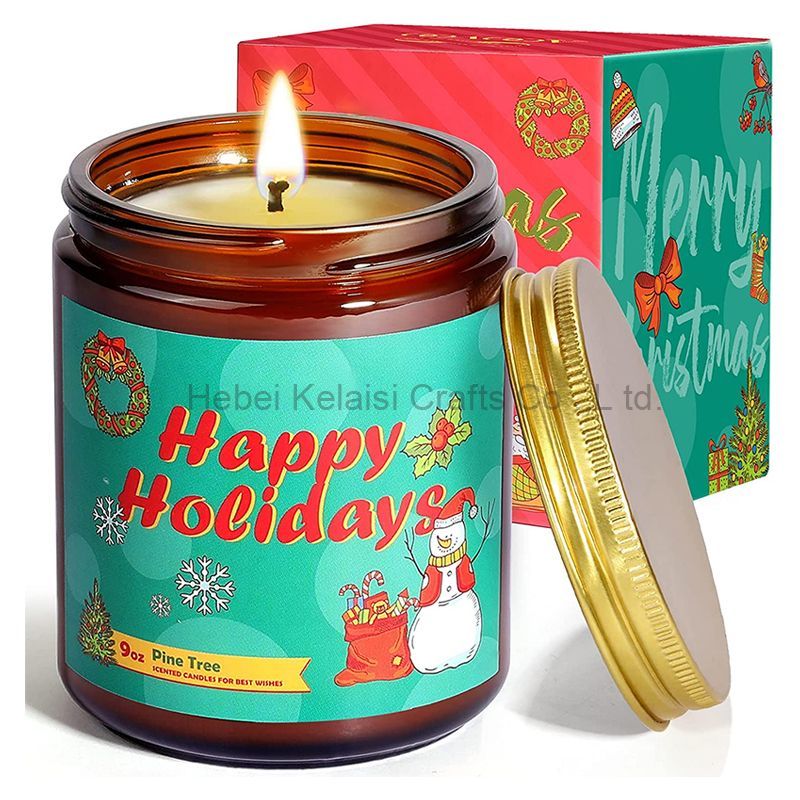 Christmas Scented Candles Gifts Sets for Women
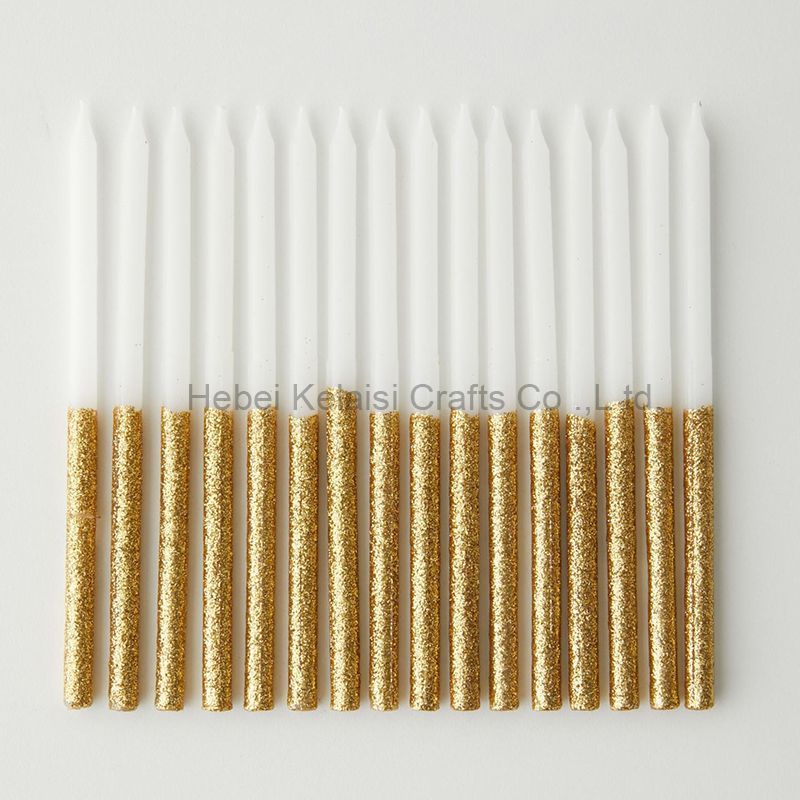 happy birthday long thin glitter cake candles
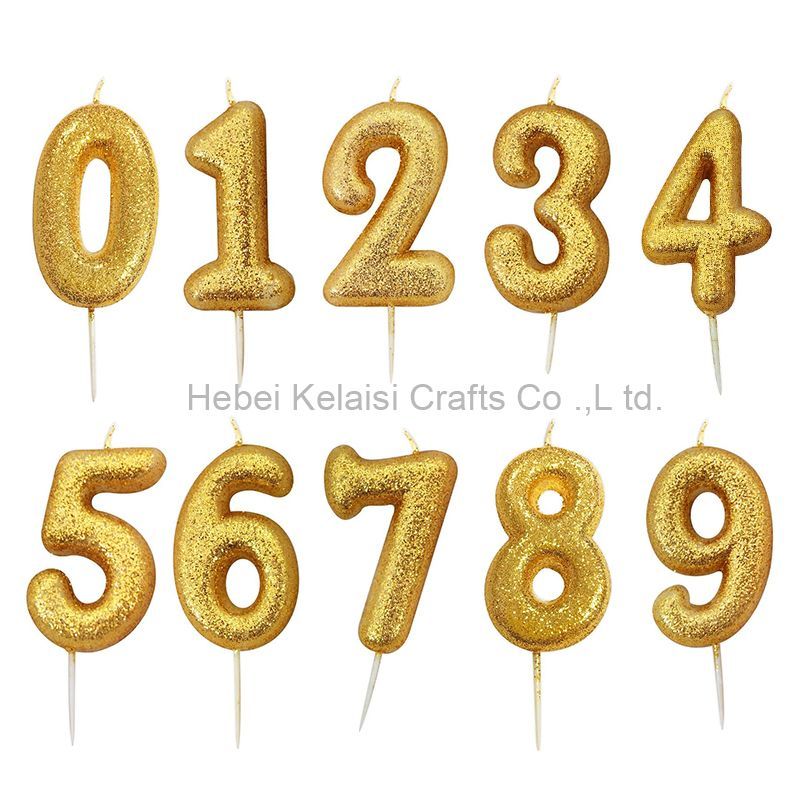 Luxury Golden Birthday Number Candle Sets
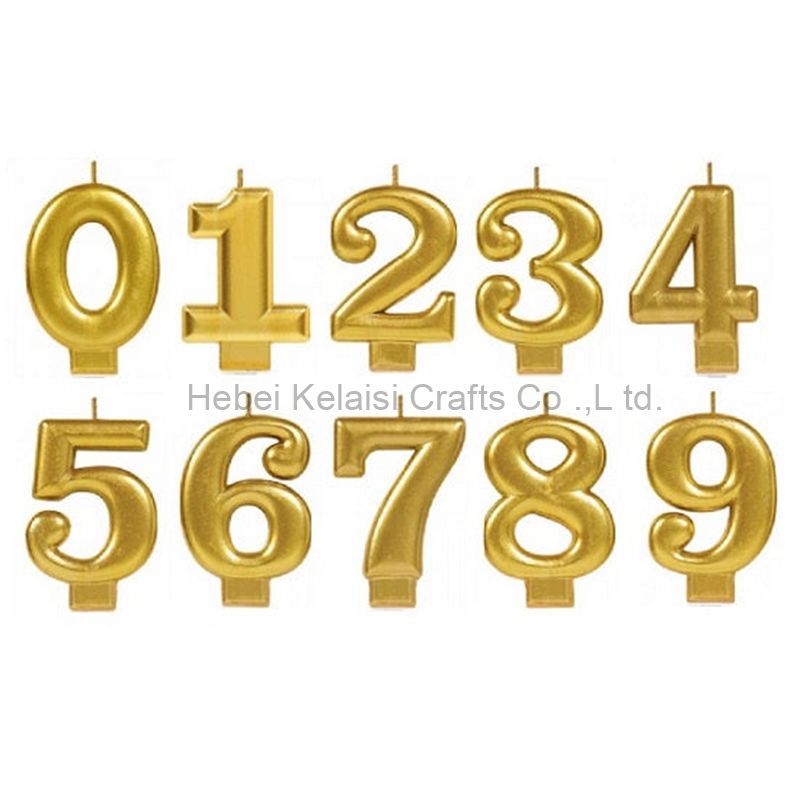 Fancy cake decoration number annual birthday candle
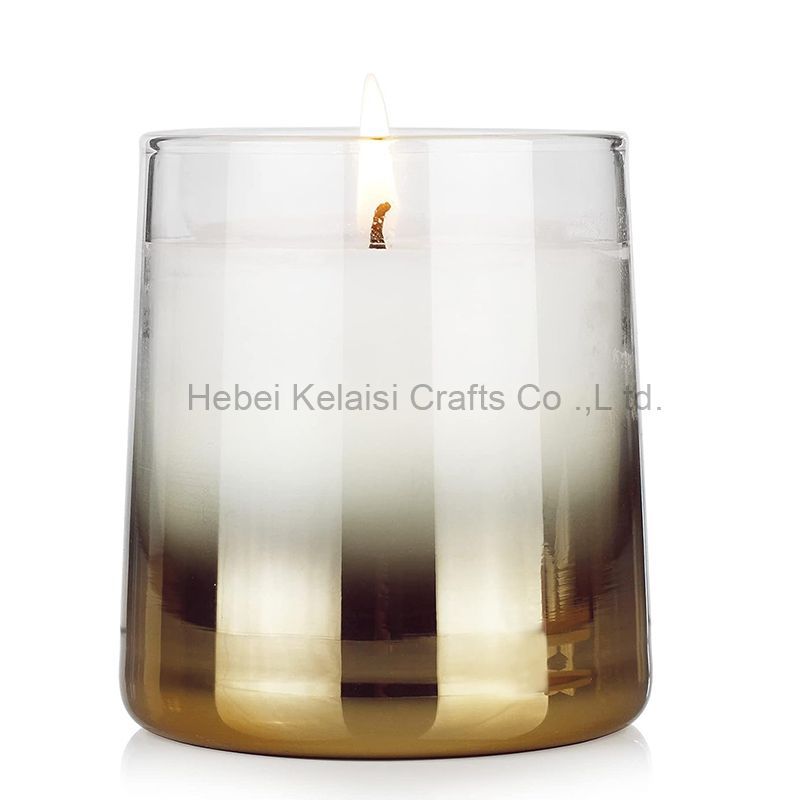 Gradient color Soy Wax Glass Jar Scented Candle
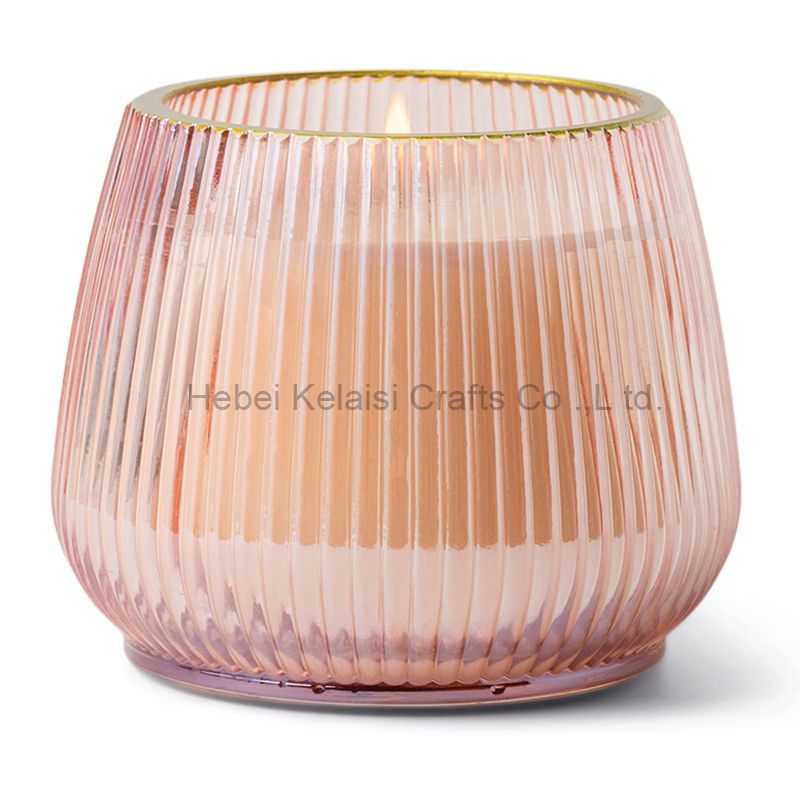 Origami Style Vertical Pattern Wine Glasses Jar Candles
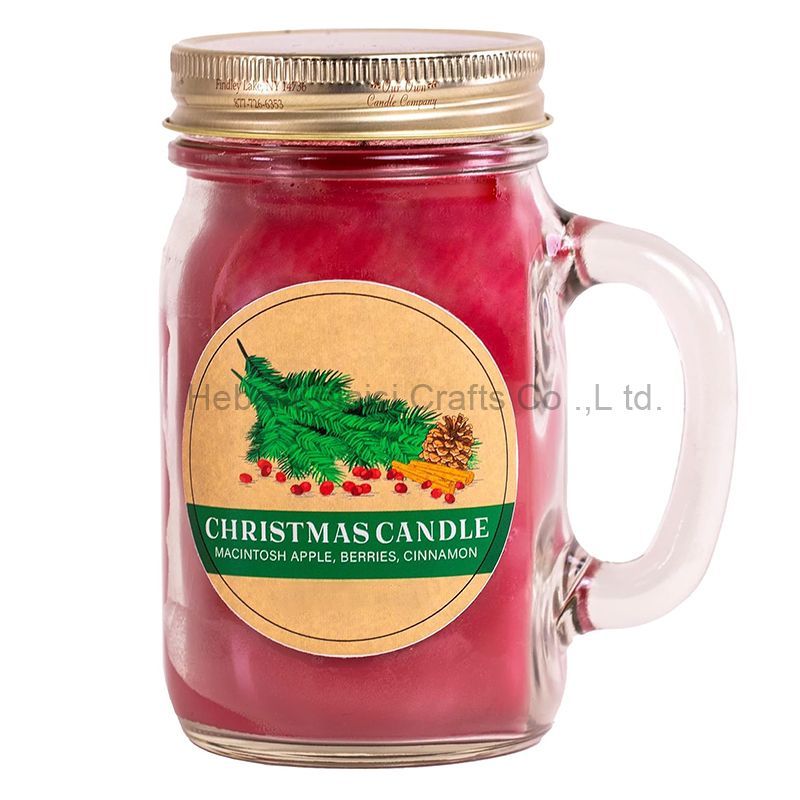 Custom Mini Glass Jar Scented Candle
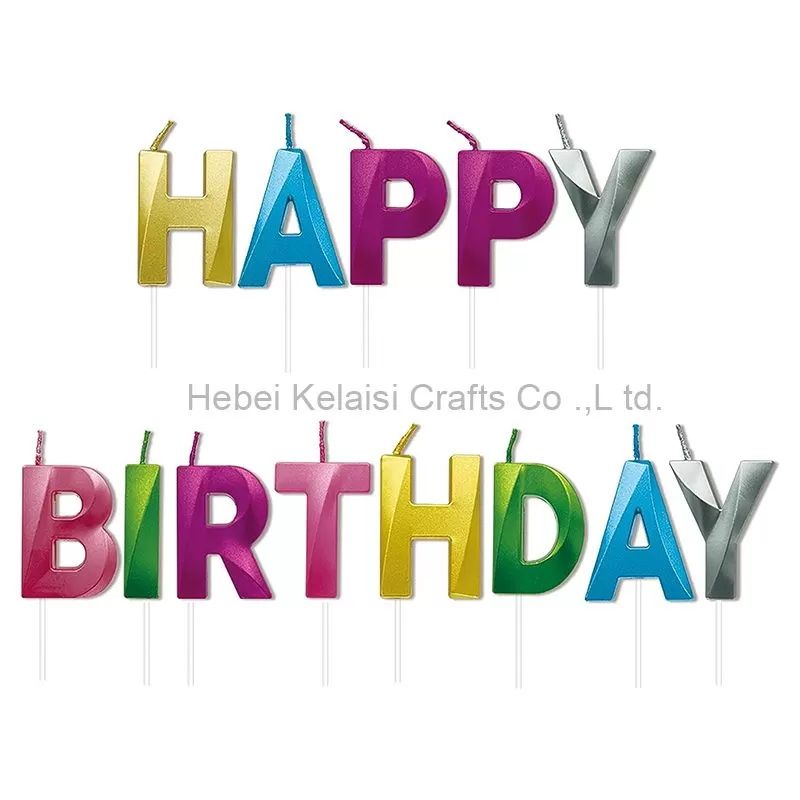 3D Letter Happy Birthday Candles
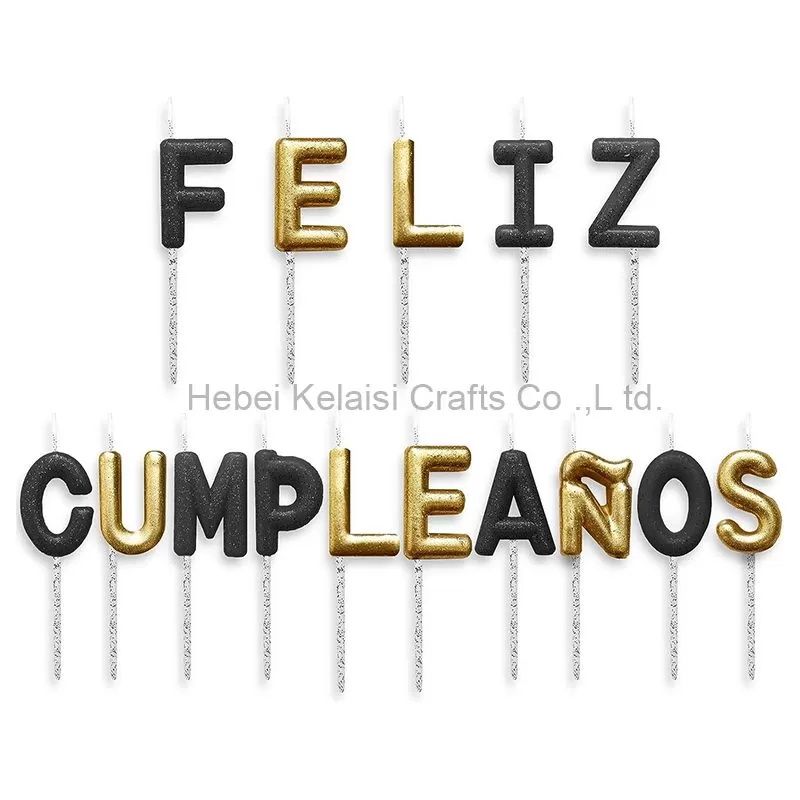 Decorative Birthday Candles
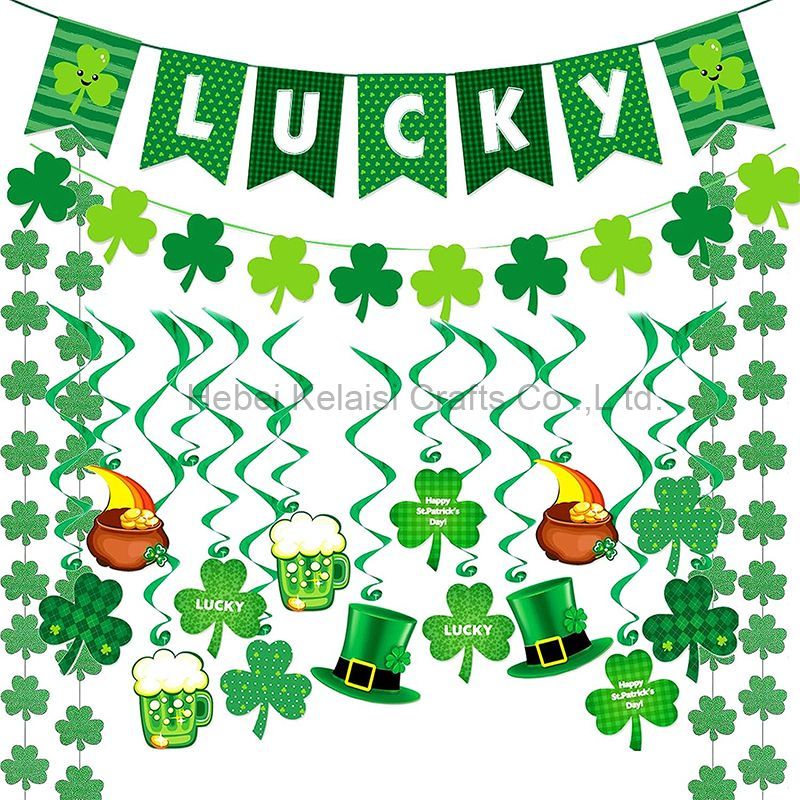 St. Patrick's Day Decorations Set
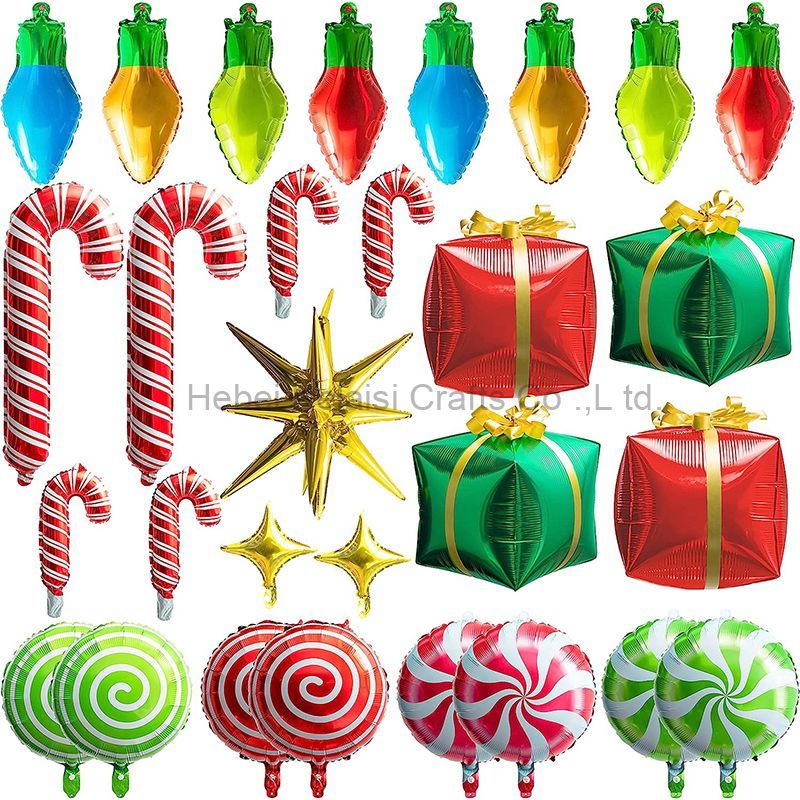 Christmas Party Balloons Supplies