Sep. 02, 2026
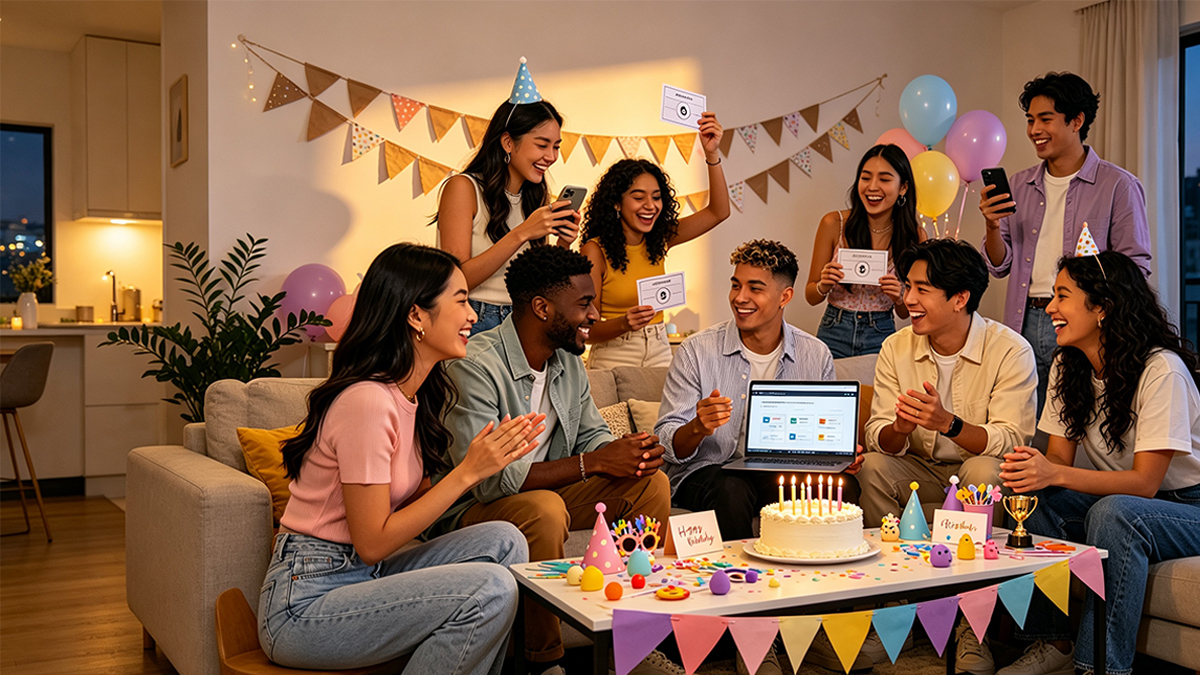
For decades, the party supplies industry operated on a simple formula. Birthdays required candles. Holidays required themed tableware. Weddings required coordinated colors. The occasion determined the product.
That formula is breaking down.
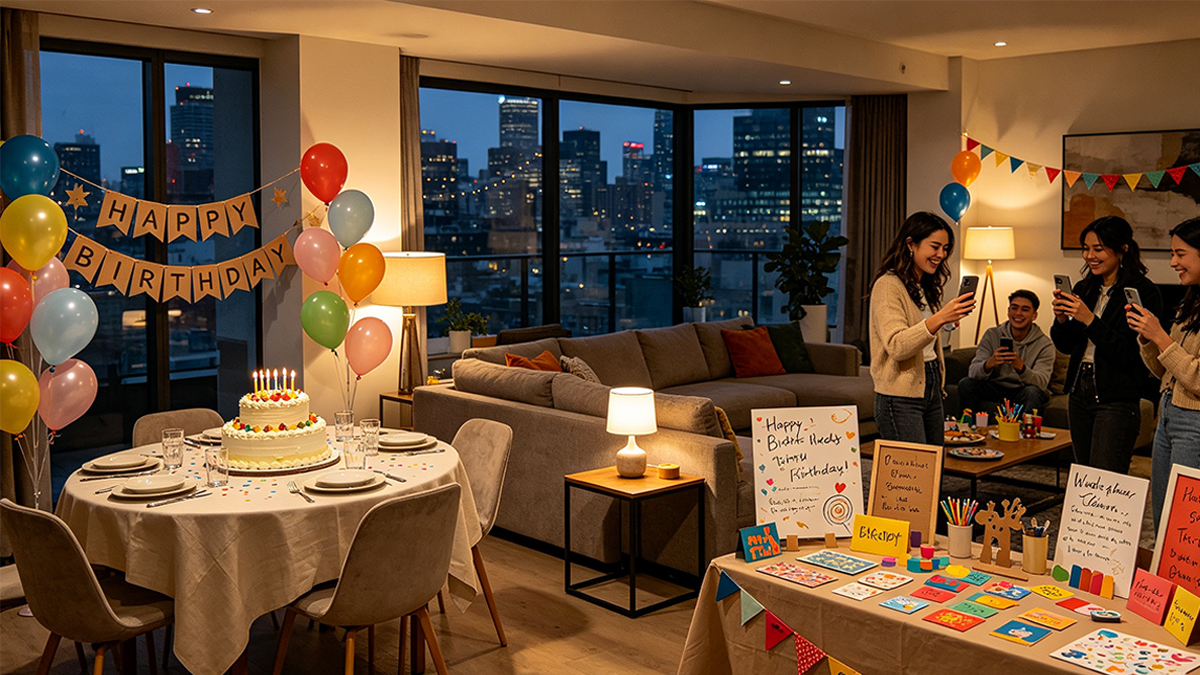
In August 2026, The Atlantic published a feature titled "Gen Z Is Testing the Limits of How Weird Parties Can Get," documenting a phenomenon that has been building over the past two years. Young people are hosting hyper-specific, niche-themed gatherings that differ significantly from the traditional celebrations that have long shaped party-supply demand.
The examples: a PowerPoint party where guests presented on "historically bad decisions"; a "dress like your favorite Metro stop" theme; a farewell party for Spirit Airlines after it went bankrupt. Alexa Jordan, a 25-year-old law student, told The Atlantic that eight out of every 10 parties she is invited to now have a theme.
This is not a niche. It is a structural shift in how a generation chooses to gather—and it has direct implications for anyone selling party supplies.
But this is not only an American phenomenon. From India to South Korea to Pakistan, similar patterns are emerging. The shift is global.
The appeal of niche parties is not simply that they are fun. They serve a deeper social function.
Partiful CEO Shreya Murthy explained it this way: a regular happy hour requires you to perform yourself from scratch—"Where do you work? Where are you from?" A niche party gives everyone instant shared context. You show up already having something in common with every person in the room.
For young adults whose social lives were disrupted during the pandemic, structured activities can provide an easier way to reconnect in person. The specificity also solves another problem: the more specific the plan, the harder it is to cancel. You made a costume. You prepared a presentation. You are invested.
At the same time, some young consumers are exploring alternatives to alcohol-centered socializing. Coffee raves, daytime gatherings, and activity-based parties give people another reason to meet without making drinking the central activity.
The underlying driver is a search for face-to-face connection in an age of digital saturation. Young people are looking for reasons to gather in person—and niche themes provide a compelling reason.
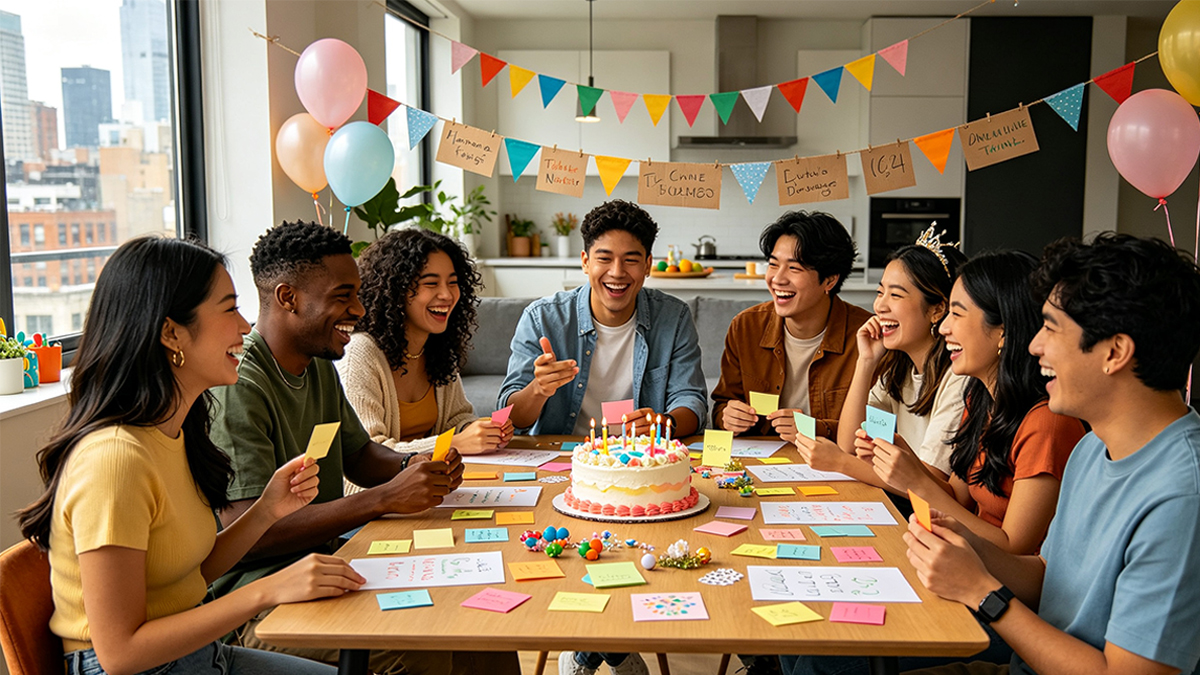
Technology is helping accelerate this trend. Platforms such as Partiful make it easier to create, promote, and organize highly specific events, while TikTok and Instagram give unusual party formats a much wider audience.
Partiful has become "the way Gen Z plans just about everything," from parties to weddings. The "vast majority" of its users are Gen Z. The app lowers the barrier to creativity—and raises the expectation that a party should be memorable, shareable, and distinct.
Instagram, TikTok, and Partiful have created a feedback loop. A unique theme is easy to photograph, easy to share, and easy to replicate. The "dress like your favorite Metro stop" party generates photos that inspire others to host their own version.
This visual amplification has two effects on the party supplies market.
First, it increases the volume of themed events. The more people see niche parties online, the more they want to host them. This creates demand for products that support these themes—not just balloons and banners, but props, costumes, and decor that align with hyper-specific concepts.
Second, it increases the expectation of visual quality. A party that will be photographed and shared needs to look good. "Good enough" is no longer sufficient when the photos will be viewed by hundreds or thousands of people. Shareability is becoming a product attribute as important as quality or price.
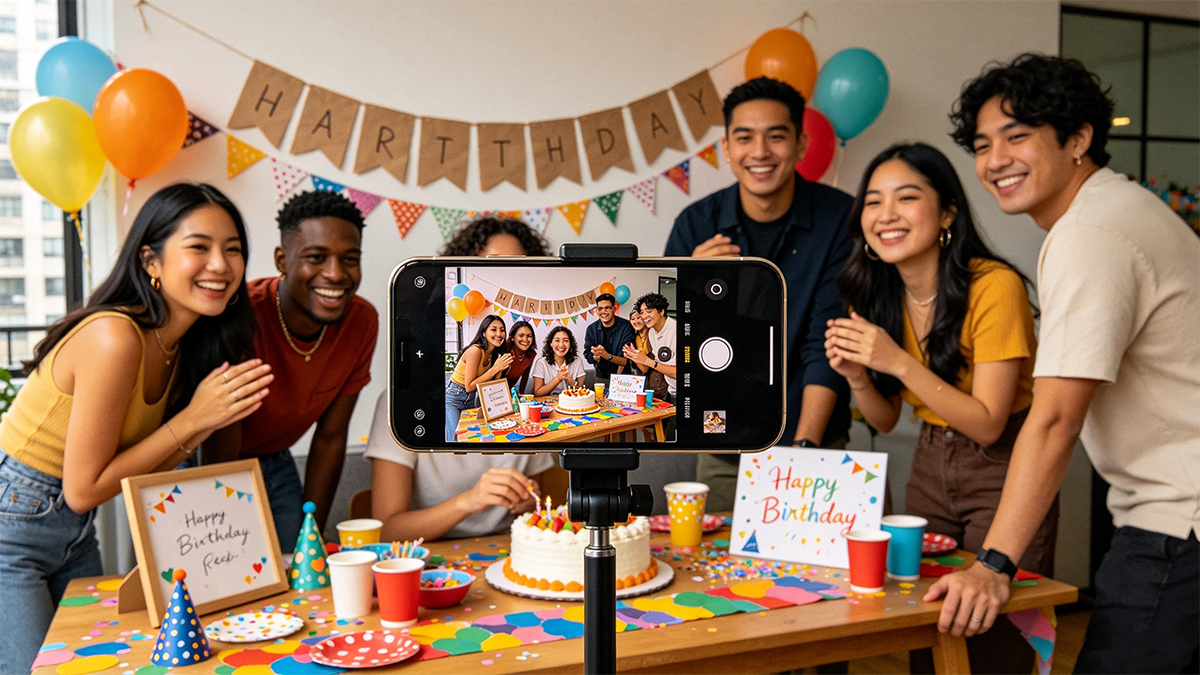
The niche-party trend is not limited to the United States. Similar patterns are emerging globally.
In India, "fake wedding" parties have become a visible Gen Z trend. Young attendees recreate the music, fashion, food, and spectacle of a traditional wedding—without the bride, groom, or family obligations. The format turns a familiar cultural celebration into an experience designed around friendship, entertainment, and participation.
In Pakistan, a growing number of Gen Z are opting for "sober socialising," with alcohol-free parties popping up in sports clubs, cafes, and galleries across Karachi.
In South Korea, Seoul's Coffee Rave format has attracted hundreds of participants, turning the traditional late-night rave into an alcohol-free morning social experience.
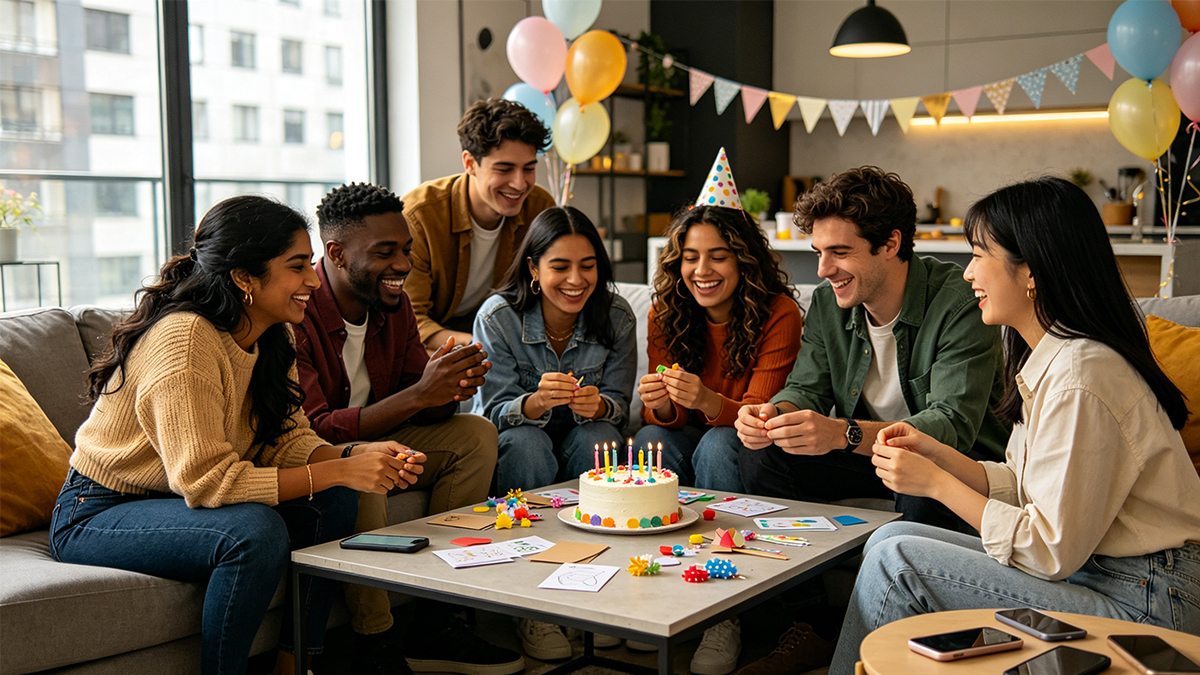
Globally, the "phone-free" movement is also growing. According to Eventbrite data, phone-free experiences rose 567% globally between 2024 and 2025. A separate survey found that 79% of Gen Z and Millennial adults say it is important for events to "feel spontaneous and unpredictable."
What ties these together is not the format itself. It is the underlying need: people are looking for more intentional offline experiences. Whether it is a PowerPoint party, a fake wedding, a coffee rave, or a phone-free dinner, the common thread is a desire for social connection that feels authentic, participatory, and distinct from the digital default.
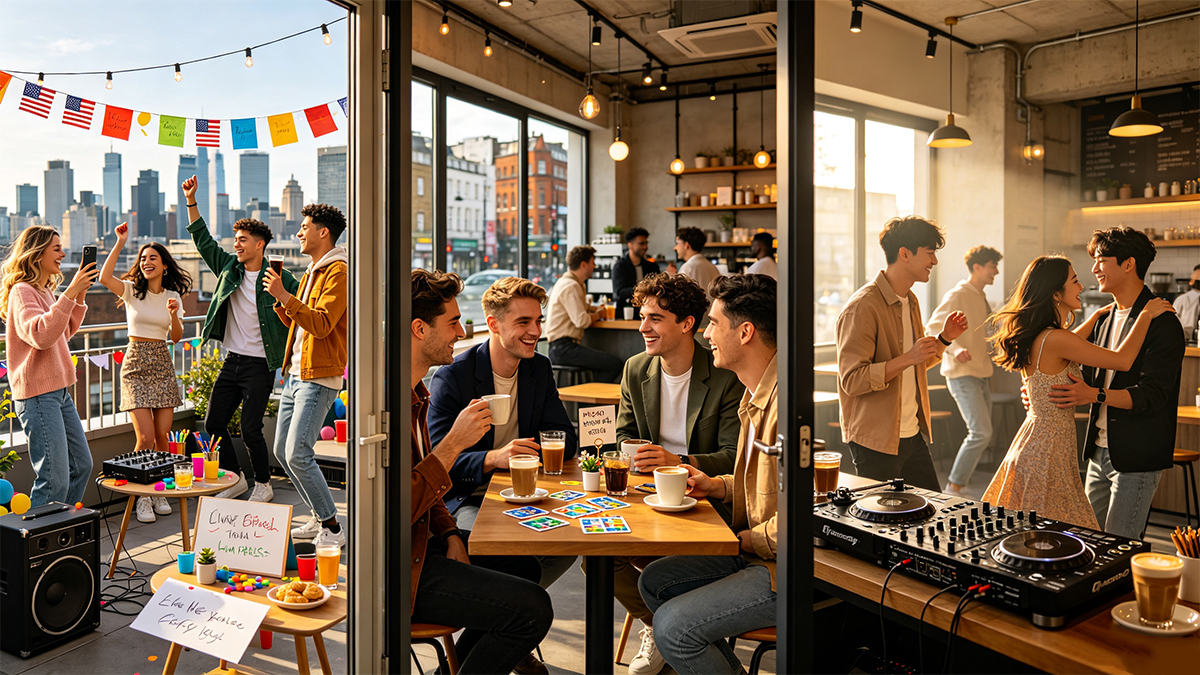
The shift from "occasion-driven" to "theme-driven" partying has several implications.
1. Demand is fragmenting into more occasions. The old model assumed a limited set of party types: birthdays, holidays, weddings. The new model opens up an almost infinite range of themes. A "farewell to Spirit Airlines" party requires different decor than a PowerPoint party or a coffee rave.
2. The "complete kit" model becomes more valuable. As themes become more specific, coordinated product collections can become more valuable because they reduce the effort required to build a consistent visual experience.
3. Customization and personalization become essential. A generic "Happy Birthday" banner does not work for a "bad decisions" PowerPoint party. Suppliers need modular, customizable products that can adapt to an expanding universe of themes.
4. Shareability becomes a product attribute. In the social media era, products that are photogenic, theme-consistent, and likely to generate organic social posts have a distinct advantage. For B2B buyers, this means evaluating suppliers not just on manufacturing capability but on design sensibility and trend responsiveness.
5. Speed-to-market becomes a competitive advantage. Niche themes can emerge quickly and fade just as quickly. Buyers need suppliers that can move from trend identification to sampling, customization, and production without long development cycles. Flexible manufacturing and responsive product development can become as important as unit cost.
6. The "occasion" is becoming the "experience." Party supplies are no longer just products that support an occasion. They are becoming part of the experience itself. The party supplies are the party. The industry is moving from products that support the party to products that create the party experience.
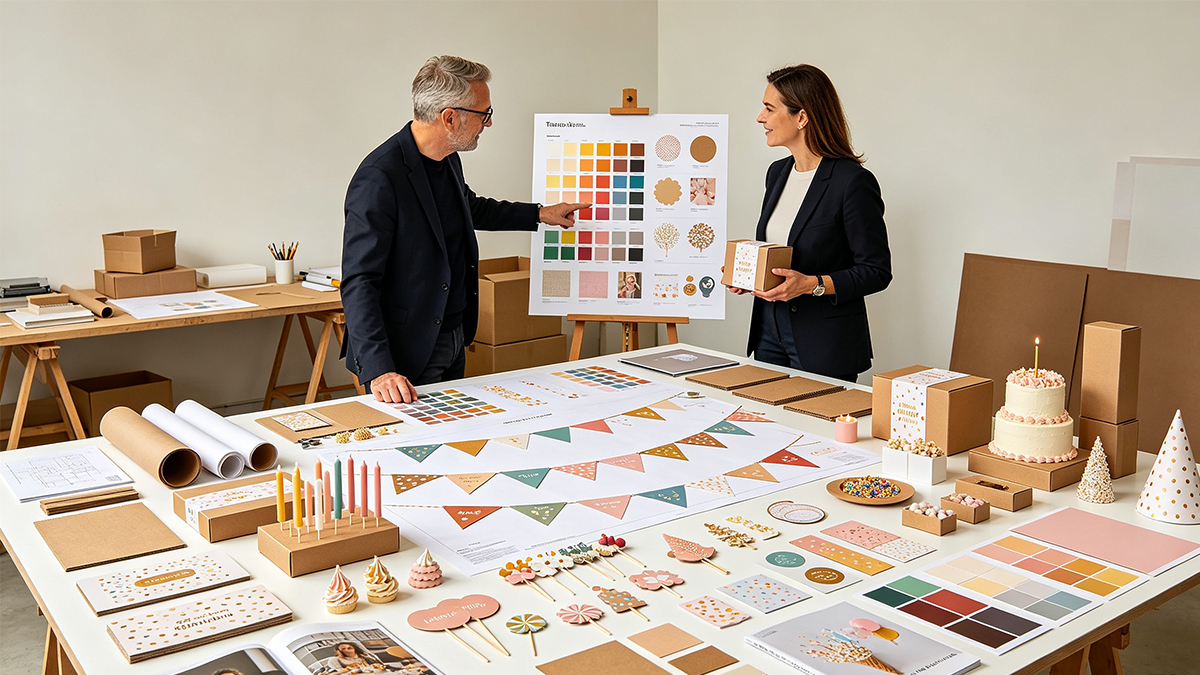
| Traditional Sourcing | Emerging Sourcing |
|---|---|
| Occasion-based | Theme-based |
| Fixed designs | Modular designs |
| Individual SKUs | Coordinated collections |
| Seasonal inventory | Trend-responsive assortment |
| Price / quality focus | Price / quality / visual appeal / speed |
| Large established themes | Emerging micro-themes |
For buyers sourcing party supplies internationally, the implications are clear:
First, demand is expanding beyond traditional categories. Buyers should consider product lines that support niche themes, not just birthdays and holidays.
Second, flexibility is a competitive advantage. Suppliers who can offer customizable, modular products will be better positioned than those who only offer fixed, occasion-specific items.
Third, social media readiness is a selling point. Products that photograph well and align with current aesthetics will outperform those that do not. Buyers should evaluate suppliers on how their products will perform in the visual economy.
Fourth, speed matters as much as price. As themes come and go faster, buyers need suppliers who can respond quickly—from sampling to production to delivery. The ability to move fast on new trends is becoming a core capability.
Fifth, the market is becoming more global. A trend that starts in Washington, D.C., can appear in Gurgaon, India, within months. Buyers who track international youth culture—and work with suppliers capable of responding quickly to emerging themes—will capture demand that slower competitors miss.

The party supplies industry has historically been built around predictability. Consumers celebrate the same occasions, at the same times, in the same ways. That predictability made inventory planning straightforward.
Gen Z is dismantling that predictability.
A "bad decisions" PowerPoint party, a "dress like your favorite Metro stop" gathering, a fake wedding in India, a coffee rave in Seoul—these are not anomalies. They are signals of a deeper shift in how a generation chooses to connect. The party itself is the point. The products are the tools that make it possible.
The opportunity is not in predicting the next party theme. It is in building a supply chain flexible enough to respond when that theme appears.
The question is not whether Gen Z will keep throwing niche parties. They will. The question is whether the party supplies industry is ready to supply them.
Kelaisi Candle has manufactured candles and party supplies since 1991, with facilities in Xingtai and Shijiazhuang, Hebei. We support international buyers with social-compliance, product-testing, and quality documentation covering requirements such as BSCI, SEDEX, CE, RoHS, EN71, and ASTM F963, where applicable.
 Big size decorative scented candle
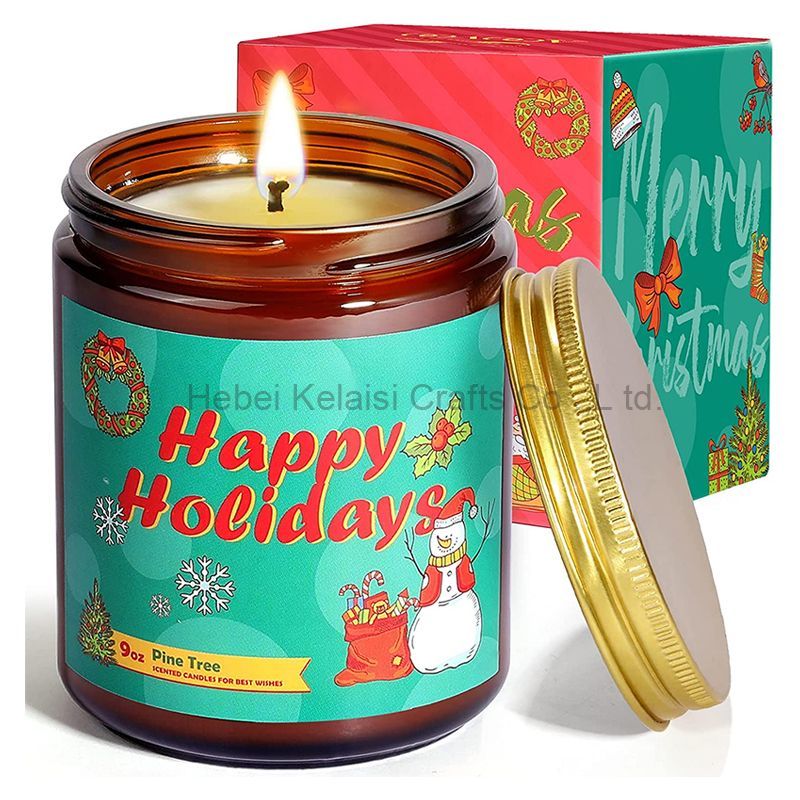 Christmas Scented Candles Gifts Sets for Women
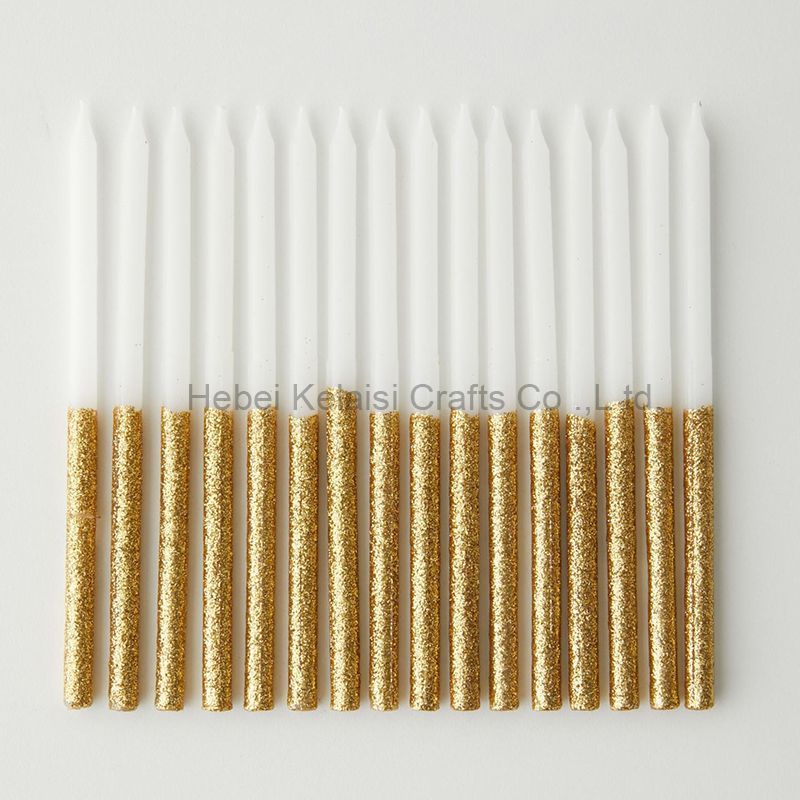 happy birthday long thin glitter cake candles
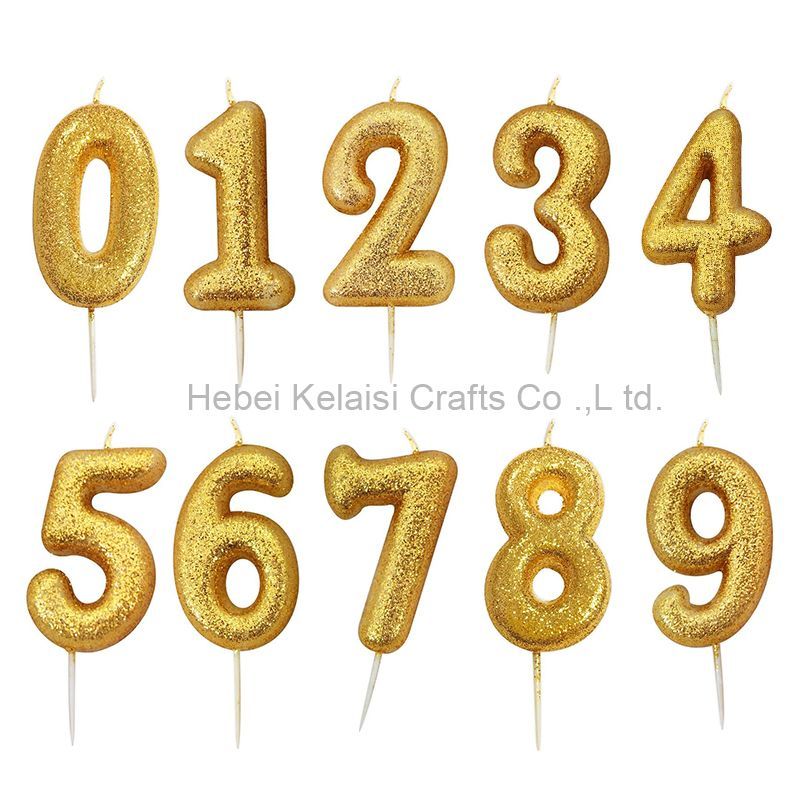 Luxury Golden Birthday Number Candle Sets
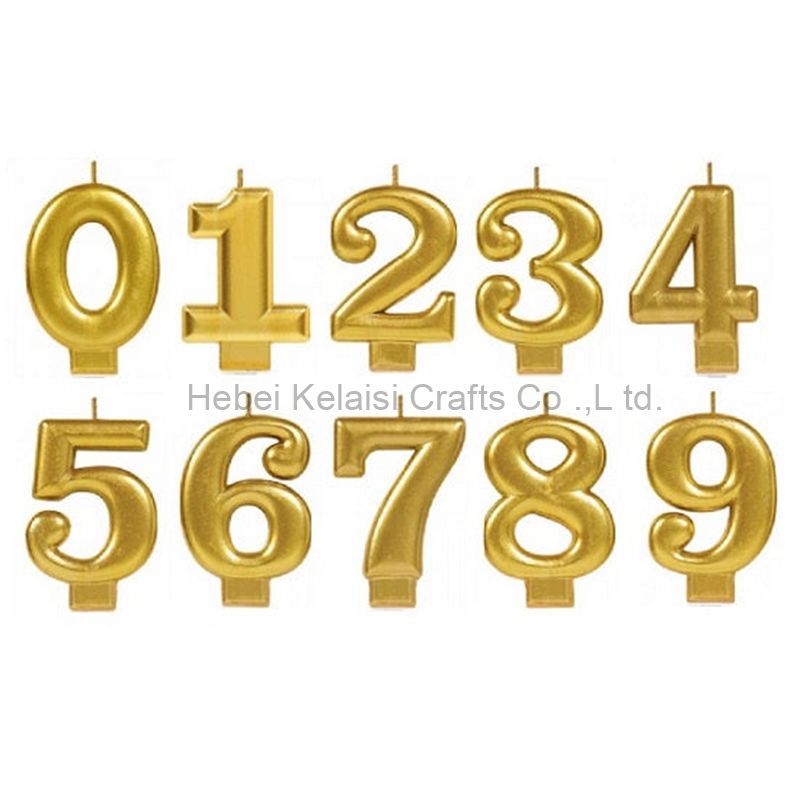 Fancy cake decoration number annual birthday candle
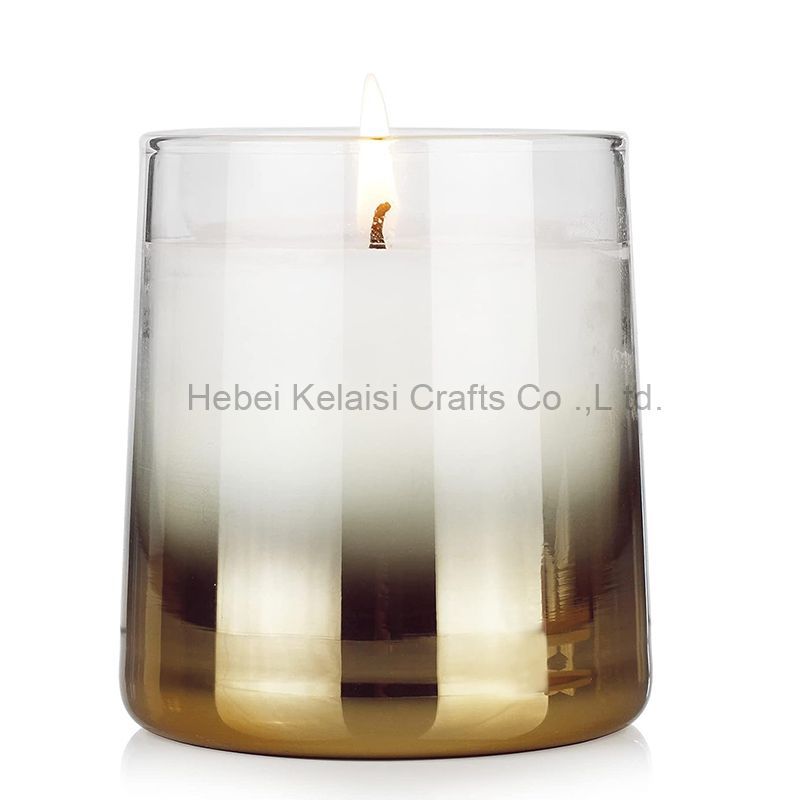 Gradient color Soy Wax Glass Jar Scented Candle
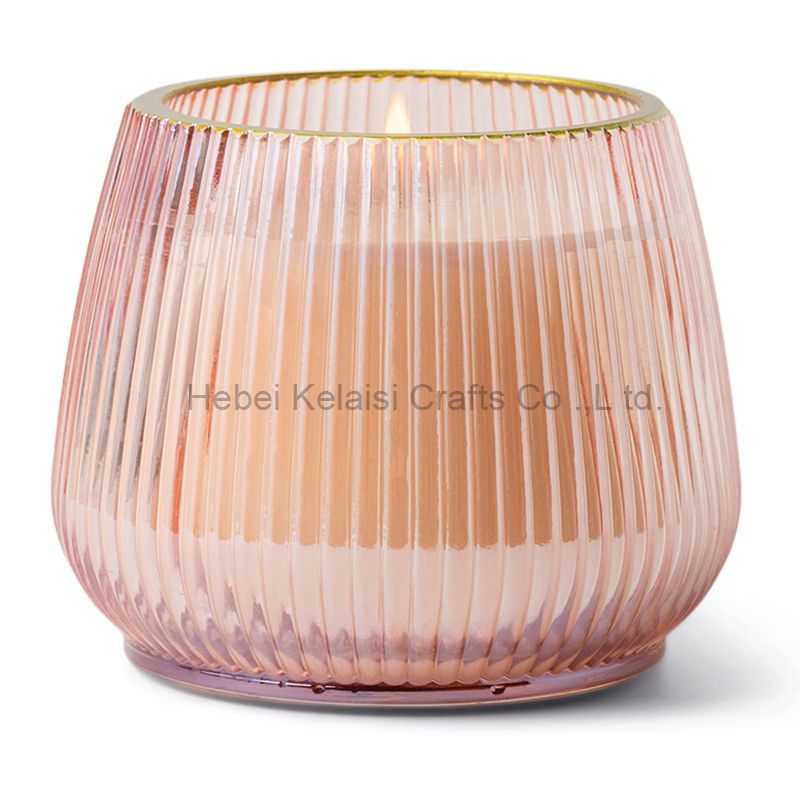 Origami Style Vertical Pattern Wine Glasses Jar Candles
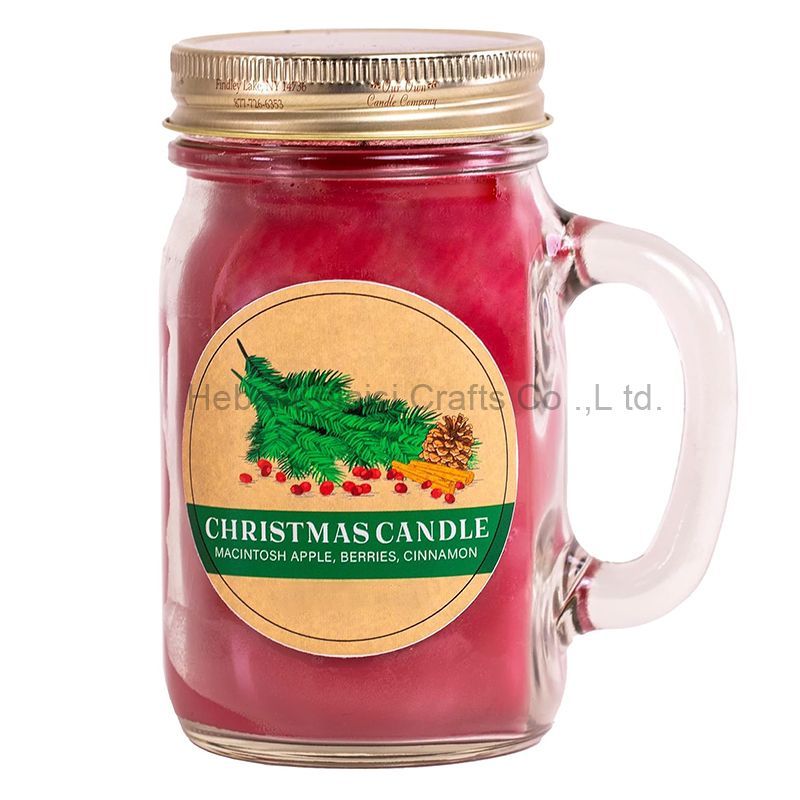 Custom Mini Glass Jar Scented Candle
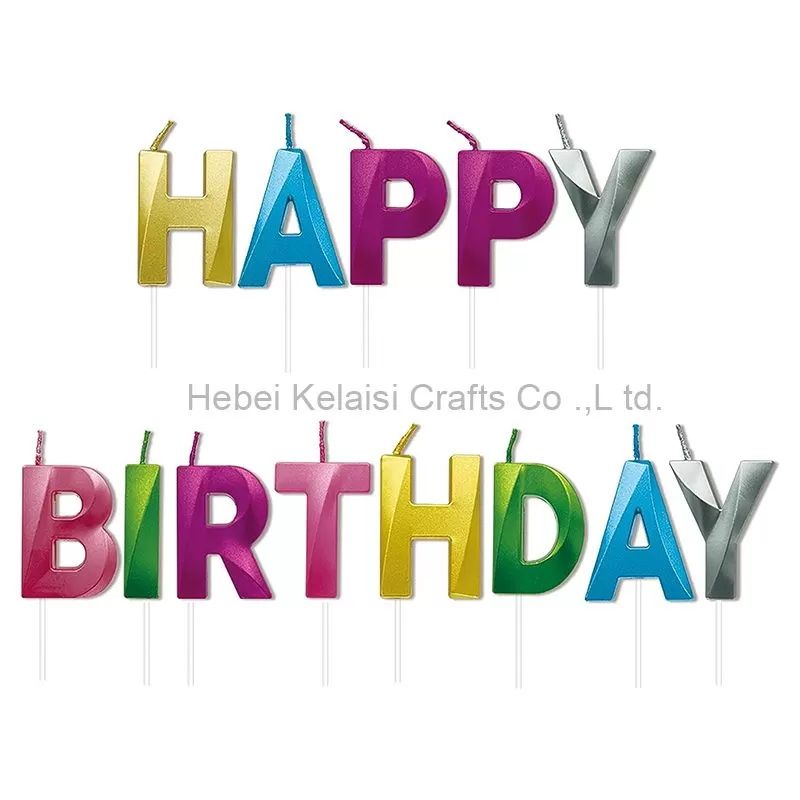 3D Letter Happy Birthday Candles
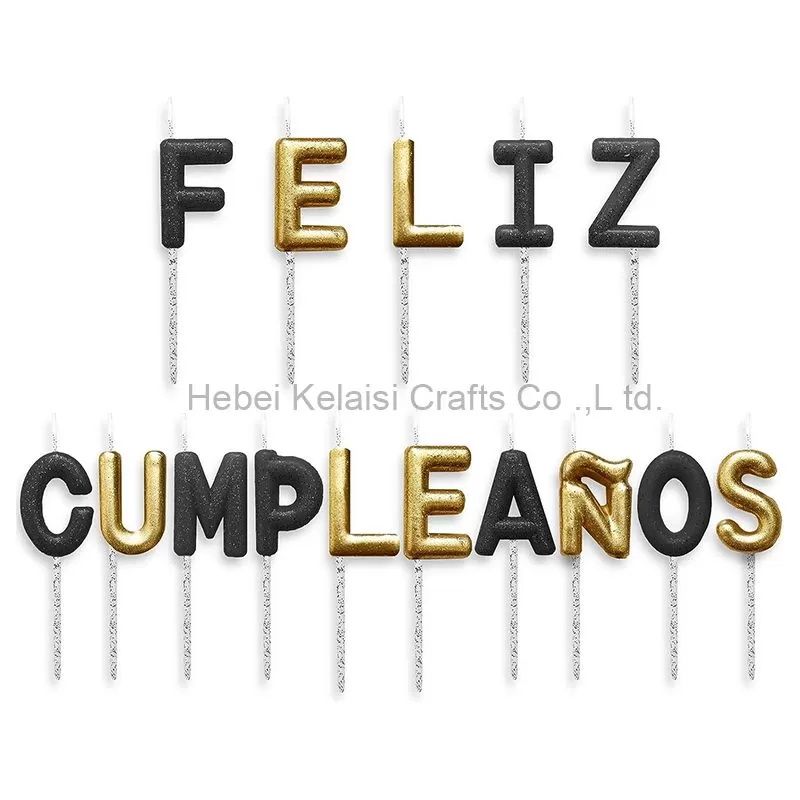 Decorative Birthday Candles
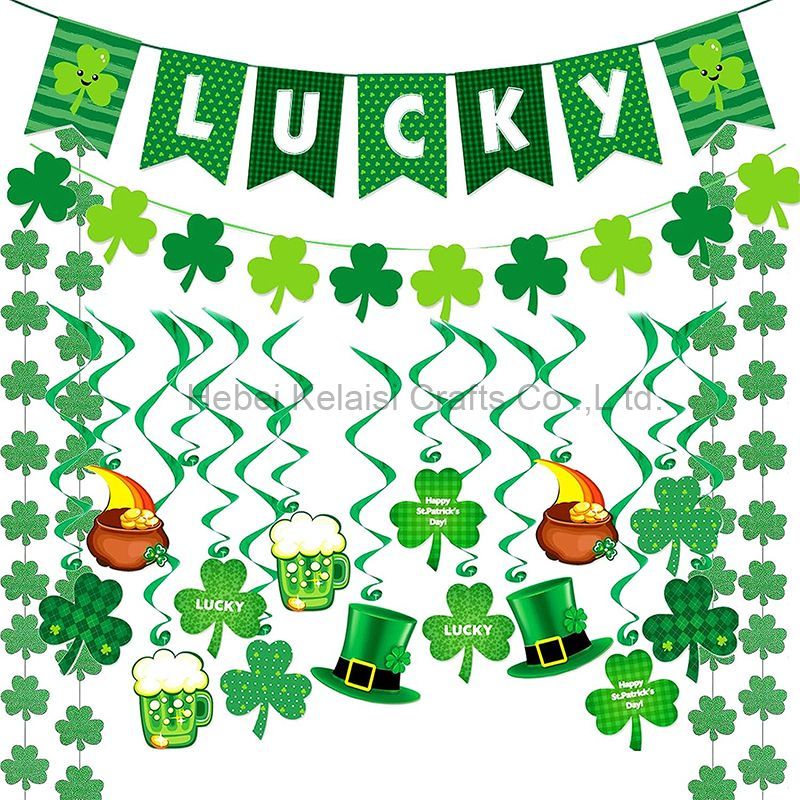 St. Patrick's Day Decorations Set
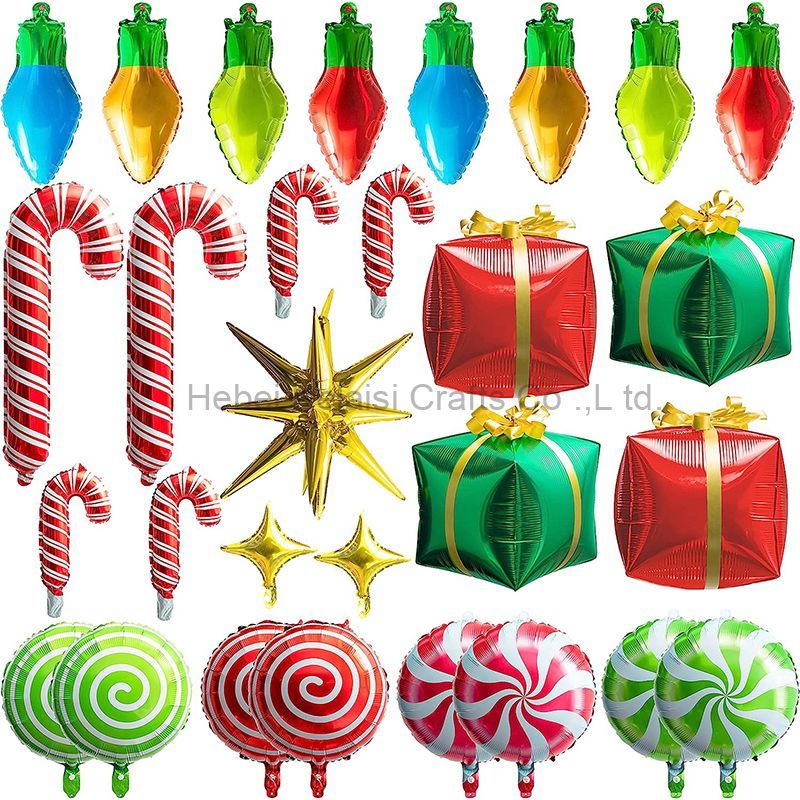 Christmas Party Balloons Supplies