Aug. 10, 2026
Labor Day has traditionally marked the end of summer in the United States. However, the holiday is becoming more than a final summer weekend—it is becoming a seasonal transition point where consumer habits, family gatherings, and celebration patterns begin to change.
This article explores how Labor Day fits into the broader shift toward more frequent, smaller-scale celebrations—and what that means for the party supplies market as summer transitions into fall.
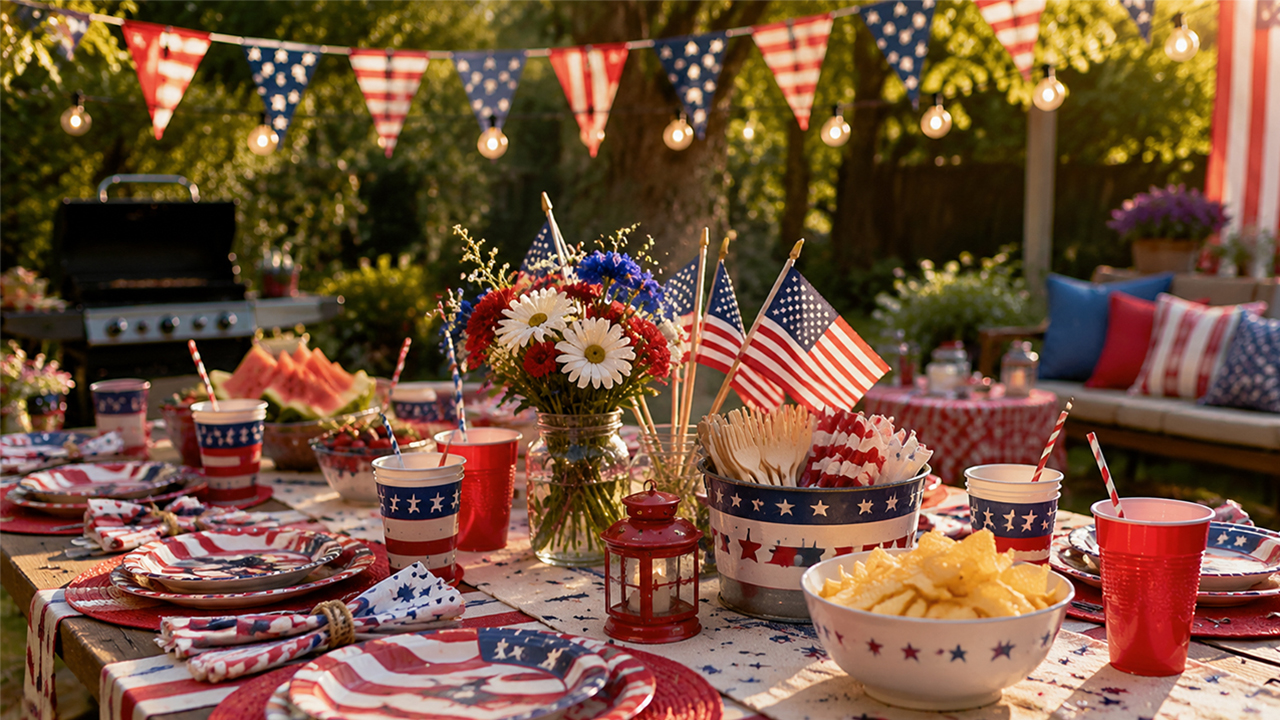
Labor Day marks the end of summer in the United States. It is the last long weekend when Americans host barbecues, attend picnics, and gather with friends and family before the fall schedule takes over. The holiday has gradually developed several recognizable celebration patterns:
Outdoor entertaining — BBQs, cookouts, and backyard gatherings
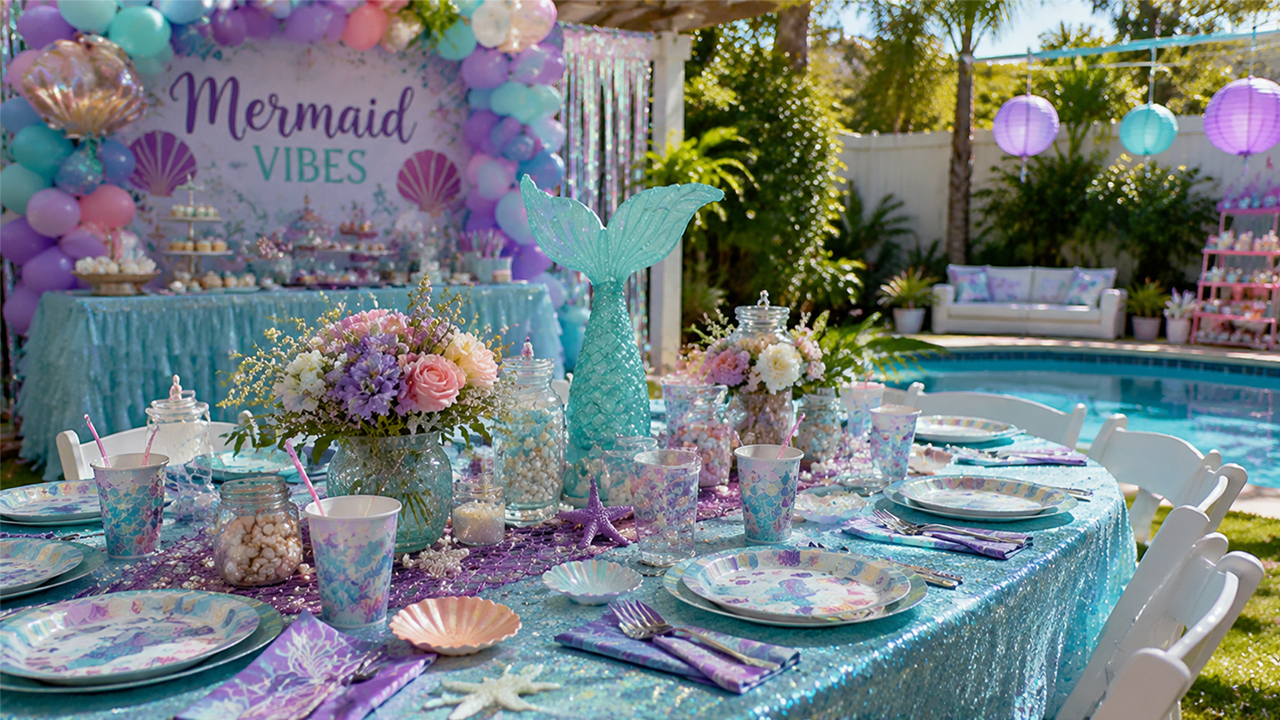
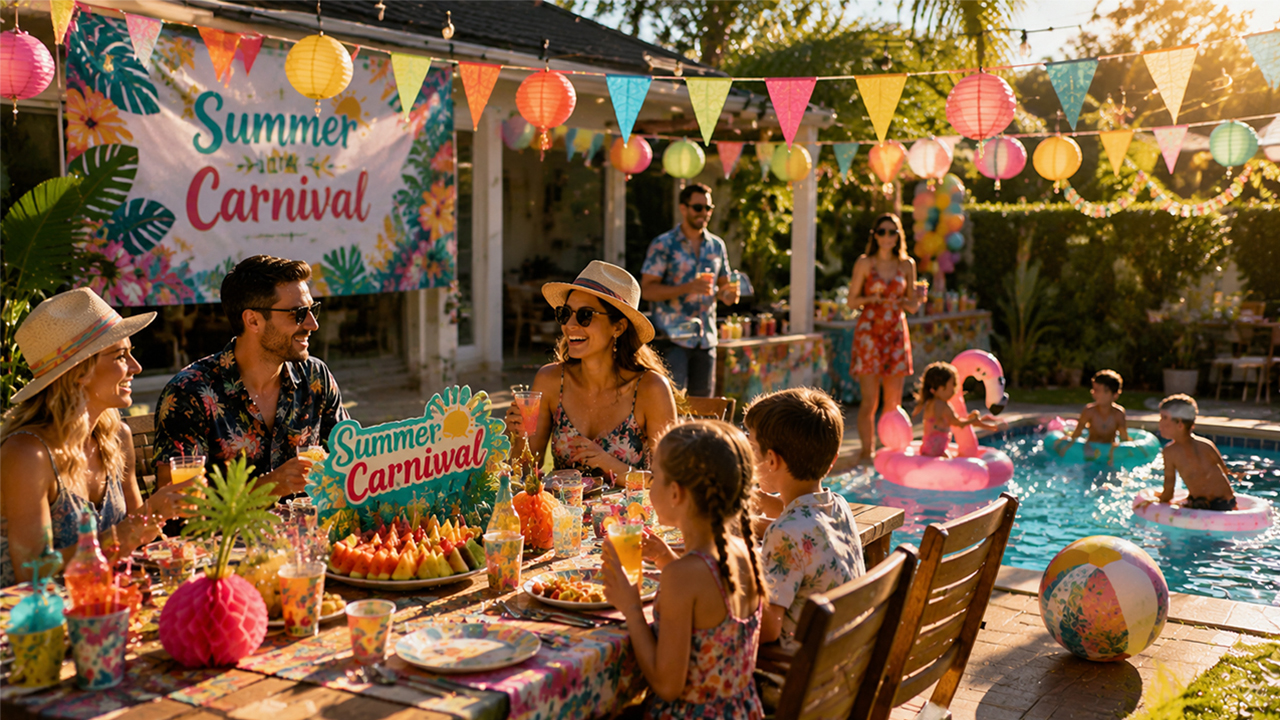
End-of-summer celebrations — pool parties, family reunions, and community events
Patriotic themes — red, white, and blue decorations remain popular
Transitional occasions — "Hello September" and "Last Summer" themed items
For the party supplies industry, Labor Day represents one of the last high-volume opportunities before the Q4 holiday season. Consumers are still spending on discretionary items, but the window is closing.
CivicScience research from August 2026 found that Labor Day shoppers showed stronger income confidence than the general population, with 55% expecting their income to increase over the next six months compared with 37% overall. While income confidence does not directly determine every purchase decision, it provides useful context for understanding consumer willingness to participate in seasonal gatherings and discretionary activities.
The way Americans celebrate Labor Day has been changing. The holiday has moved beyond its traditional roots into a broader cultural moment centered around social connection and seasonal transition.
Family gatherings remain the core activity. Barbecues and cookouts continue to drive demand for disposable tableware, decorations, and outdoor entertaining products. The convenience of ready-to-use party kits has made it easier for hosts to organize gatherings with minimal preparation.
Community events are expanding. Many towns and cities host Labor Day parades, festivals, and community picnics. These events create additional demand for decorations, party supplies, and themed products.
End-of-summer celebrations have become a distinct occasion. The final weekend before fall is increasingly treated as a moment to gather friends and family for one last warm-weather celebration. This has created a new product category centered around transitional themes.
The Labor Day market has shifted from a single holiday focus to a broader end-of-summer celebration period, creating more consistent demand across the late August to early September timeframe.
Several consumer trends are shaping the Labor Day party supplies market in 2026.
Convenience is driving product choice. Consumers are looking for easy-to-use solutions that require minimal setup. Pre-packaged party kits, coordinated tableware sets, and ready-to-hang decorations are gaining popularity over individual items that need to be assembled or matched.
Sustainability is becoming an important consideration. Paper-based tableware, reusable decorations, and environmentally conscious materials are receiving increasing attention, especially for disposable tableware and event decorations.
Themed products continue to attract interest. Patriotic themes remain the standard for Labor Day, but there is also demand for more creative end-of-summer concepts. Themed products for children's activities, family gatherings, and social media-worthy celebrations are gaining traction.
Smaller, more frequent celebrations are driving demand. Consumers are creating more celebration moments throughout the year, and Labor Day fits into this pattern as a natural gathering point at the end of summer. This trend supports consistent demand for party supplies across multiple occasions rather than concentrated peaks around traditional holidays.
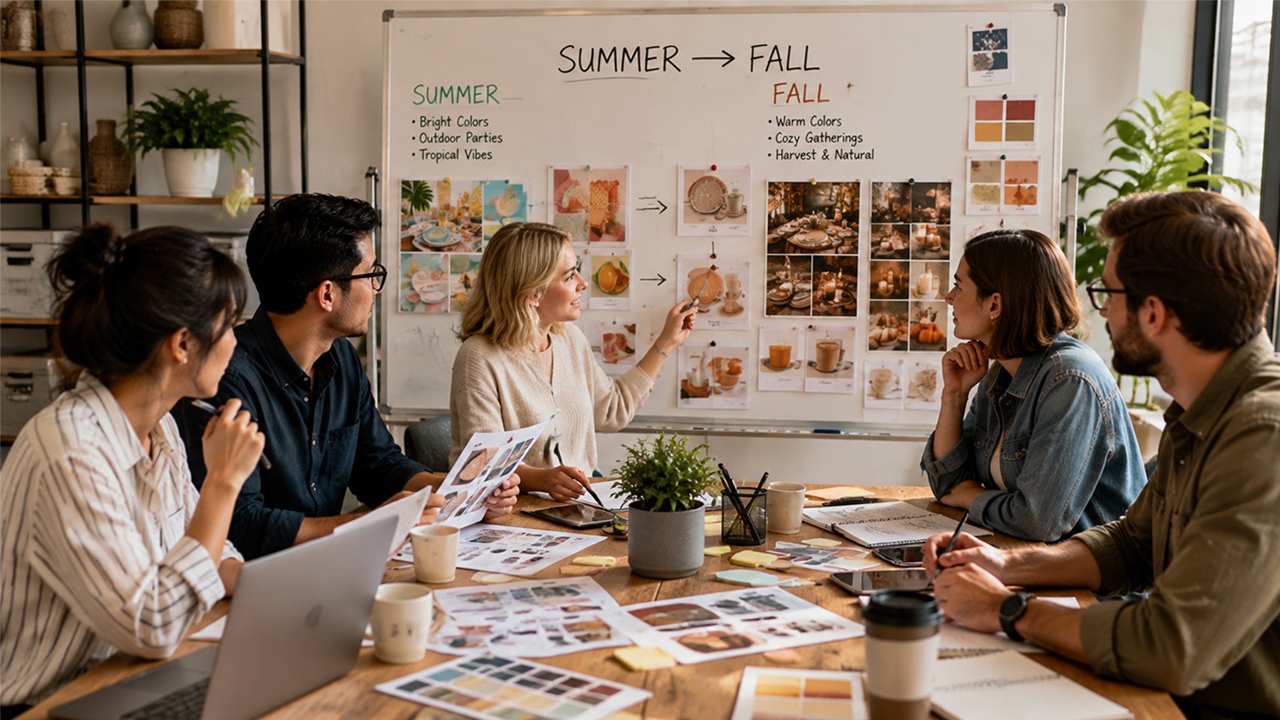
Behind these changing consumer behaviors is another important factor: seasonal supply chain timing. Seasonal products like Labor Day party supplies have a limited sales window, creating specific challenges for manufacturers, distributors, and retailers.
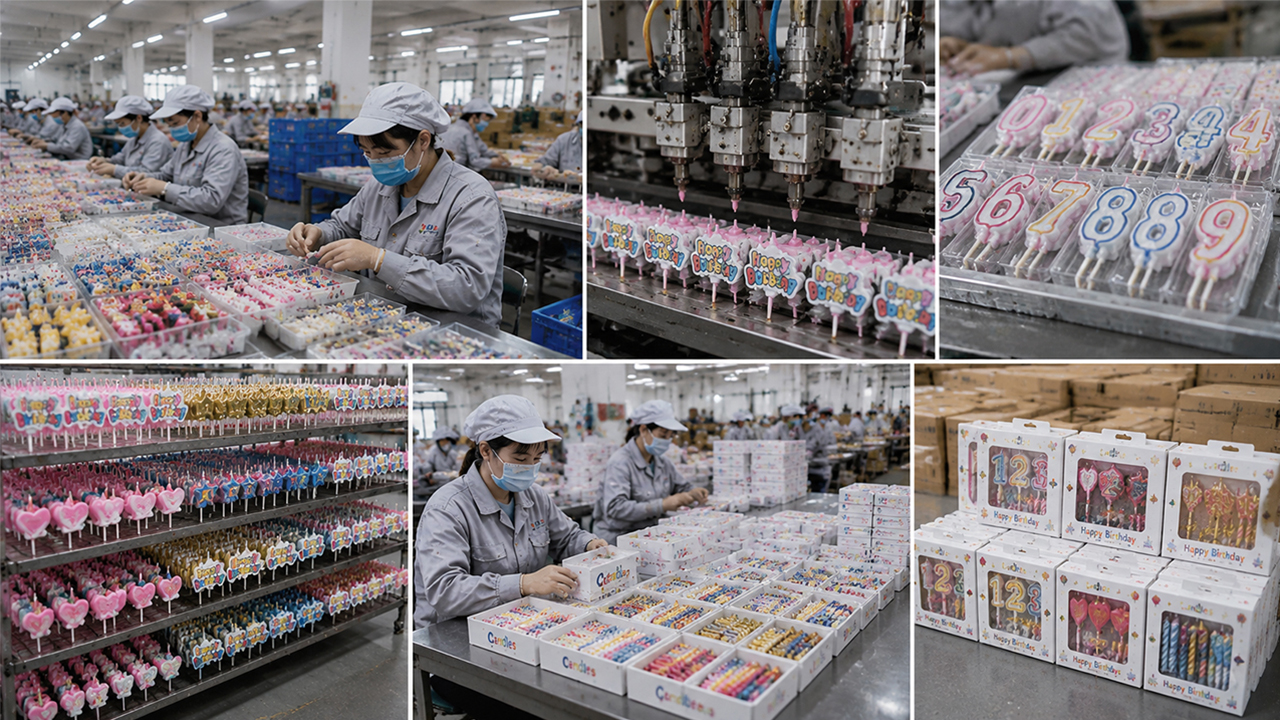
Production schedules must align with seasonal demand. Factories need to produce Labor Day items early enough to reach retailers before the holiday, but not so early that storage costs become excessive. This timing requires careful coordination between buyers and suppliers.
Shipping windows are tighter than they appear. Ocean freight from Asia to the US typically takes 25–40 days, plus customs clearance and distribution time. Products that are not shipped by early August may not reach shelves before the holiday weekend.
Material availability can affect production timing. Seasonal decorations often use specific materials, colors, and packaging that may not be available year-round. Advance planning is essential to secure materials and production capacity.
For businesses that missed the Labor Day window entirely, the lesson is clear: seasonal planning for Labor Day should begin in June or early July.
Labor Day is more than a single holiday. It is a marker of seasonal transition that shapes how consumers, retailers, and manufacturers think about the shift from summer to fall.
For party supplies businesses, understanding this seasonal moment is not only about selling products for a specific weekend. It is about recognizing how consumer behavior changes as the summer season ends—and how to plan inventory and production accordingly.
Two broader trends are worth noting:
Celebrations are becoming more frequent and smaller in scale. Consumers are creating more occasions to gather throughout the year, which supports consistent demand for party supplies across multiple seasons.
Seasonal transition periods create distinct product opportunities. The shift from summer to fall is not just about clearing summer inventory—it is about understanding what consumers need as their occasions change.
From a manufacturing perspective, understanding seasonal changes is essential for planning product development, production schedules, and supply chain coordination. With more than 30 years of experience in candle and party supply manufacturing, Kelaisi Candle has observed how seasonal occasions influence product development and consumer preferences across different markets.
The Labor Day market will continue to evolve as consumer habits change. The businesses that pay attention to these shifts—and plan accordingly—will be better positioned to meet demand when it arrives.
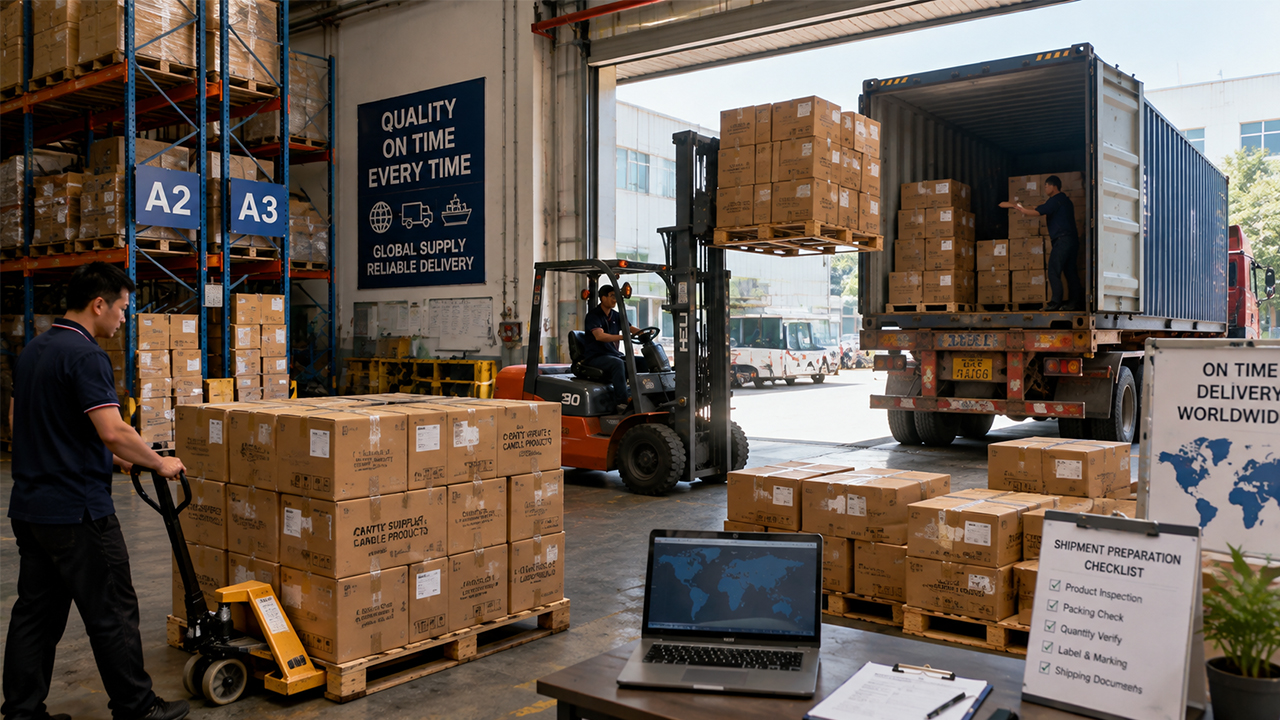
Kelaisi Candle has manufactured candles and party supplies since 1991, with facilities in Xingtai and Shijiazhuang, Hebei. We hold BSCI, SEDEX, CE, RoHS, EN71, and ASTM F963 certifications.
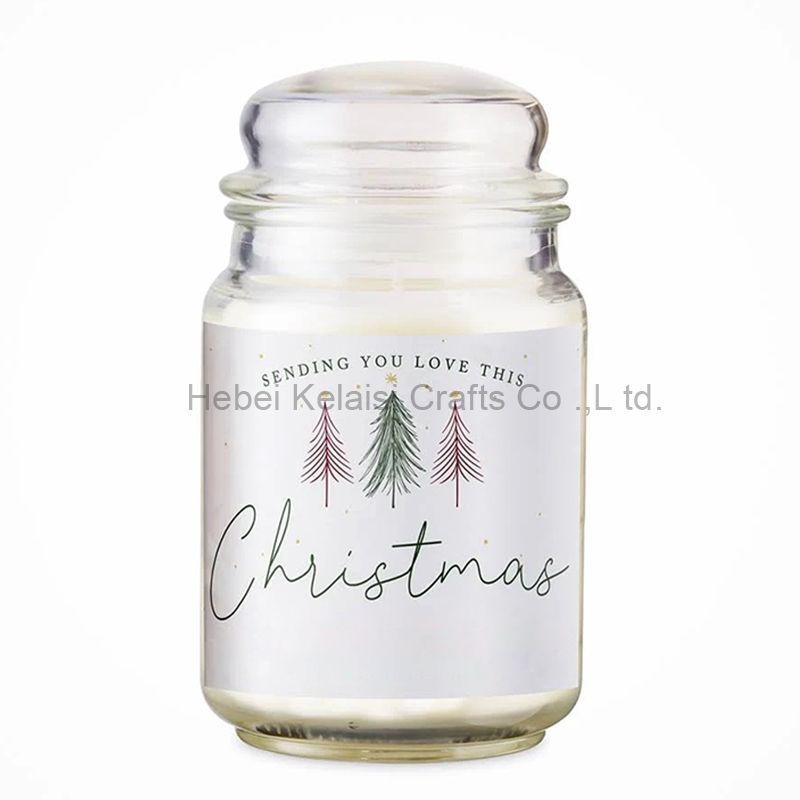 Big size decorative scented candle
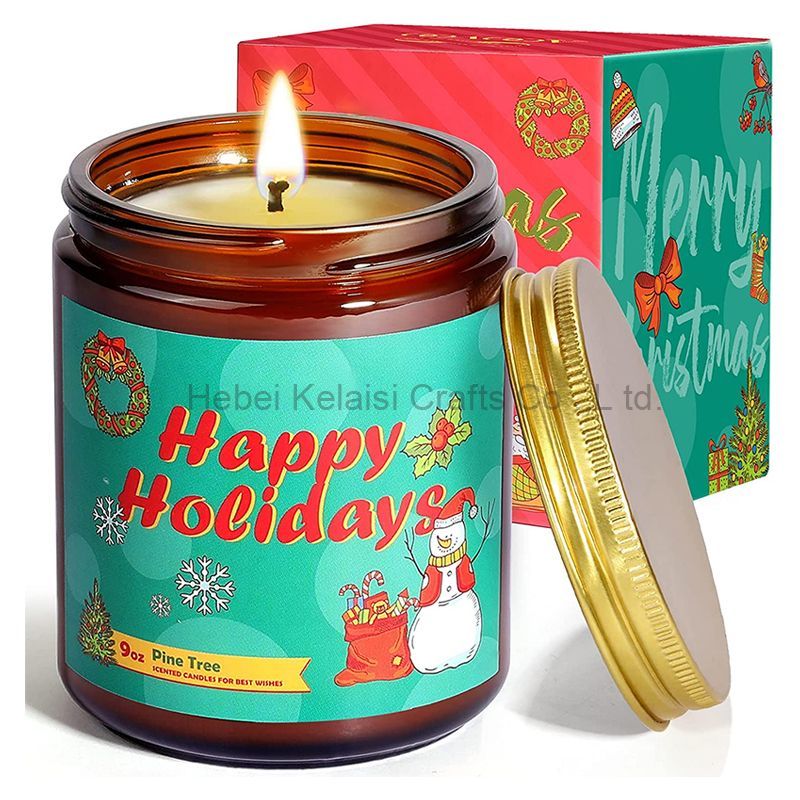 Christmas Scented Candles Gifts Sets for Women
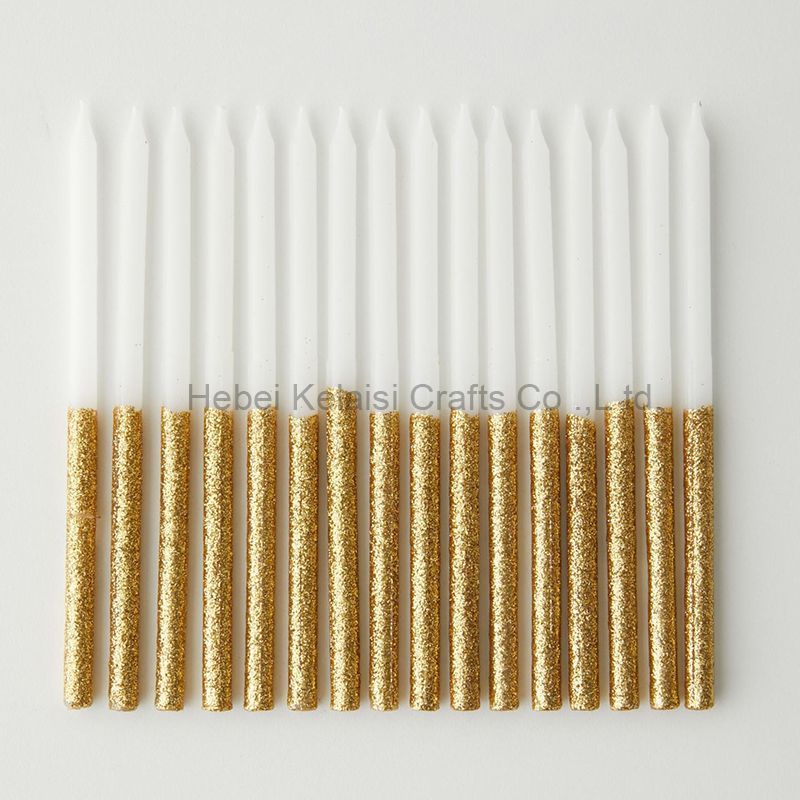 happy birthday long thin glitter cake candles
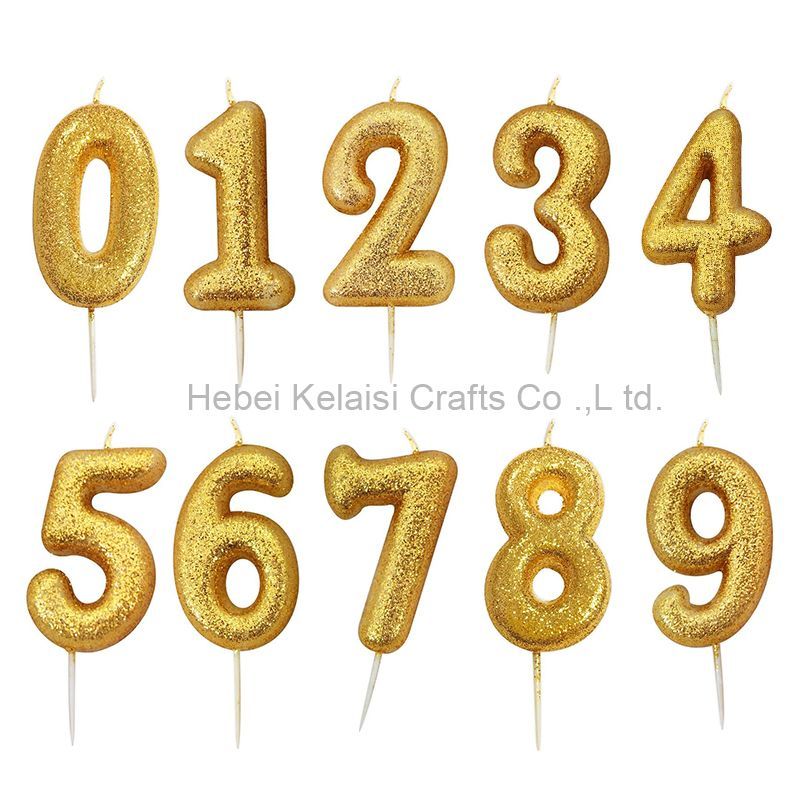 Luxury Golden Birthday Number Candle Sets
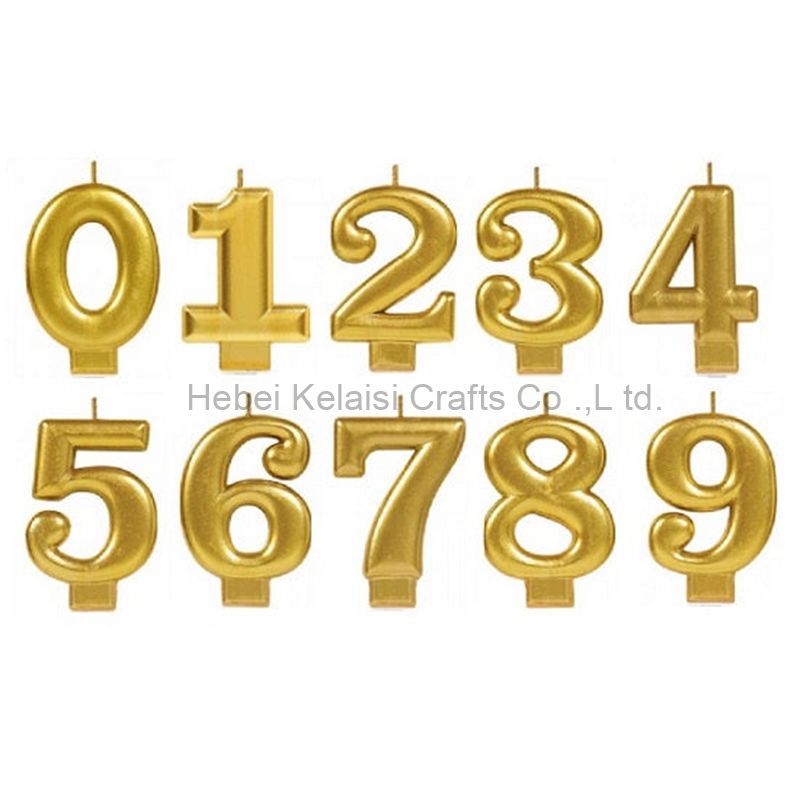 Fancy cake decoration number annual birthday candle
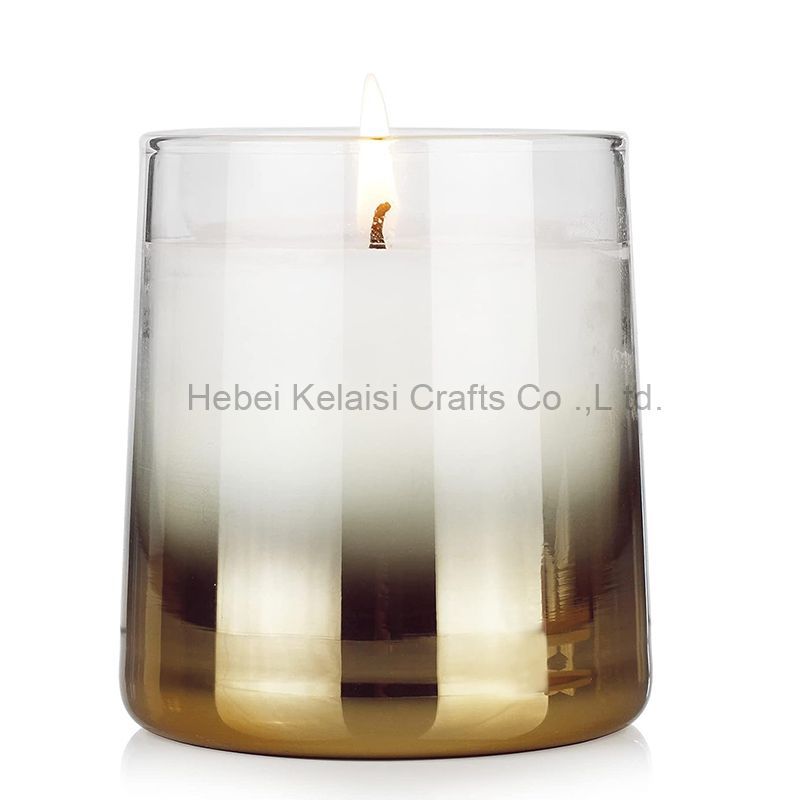 Gradient color Soy Wax Glass Jar Scented Candle
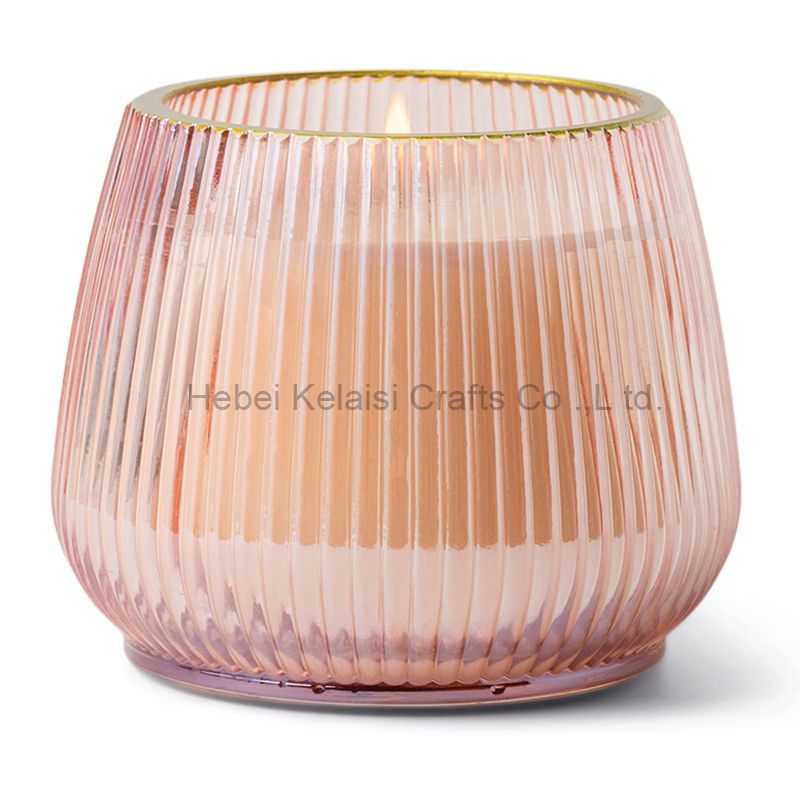 Origami Style Vertical Pattern Wine Glasses Jar Candles
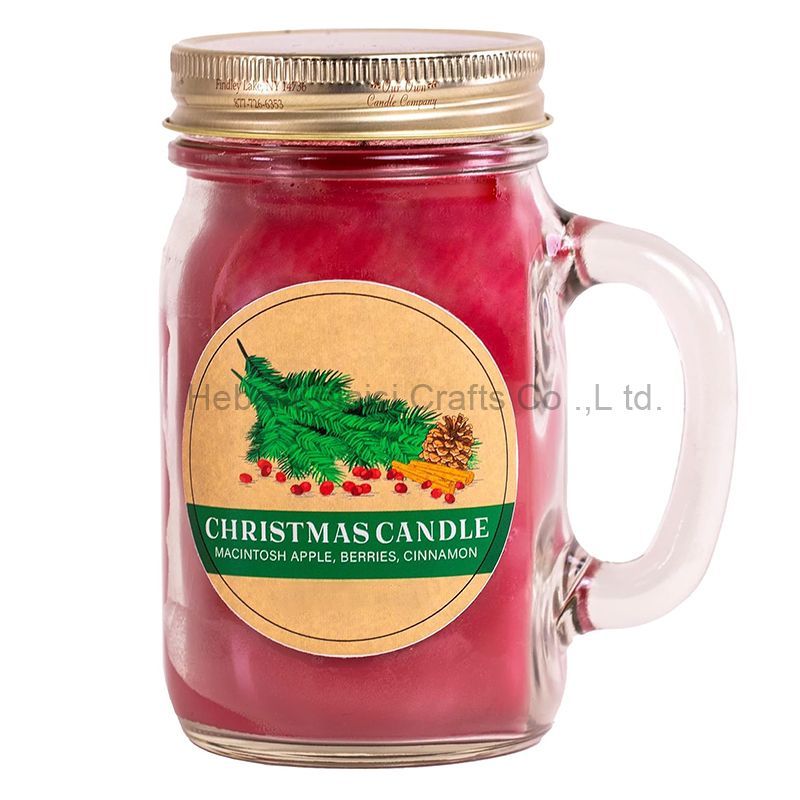 Custom Mini Glass Jar Scented Candle
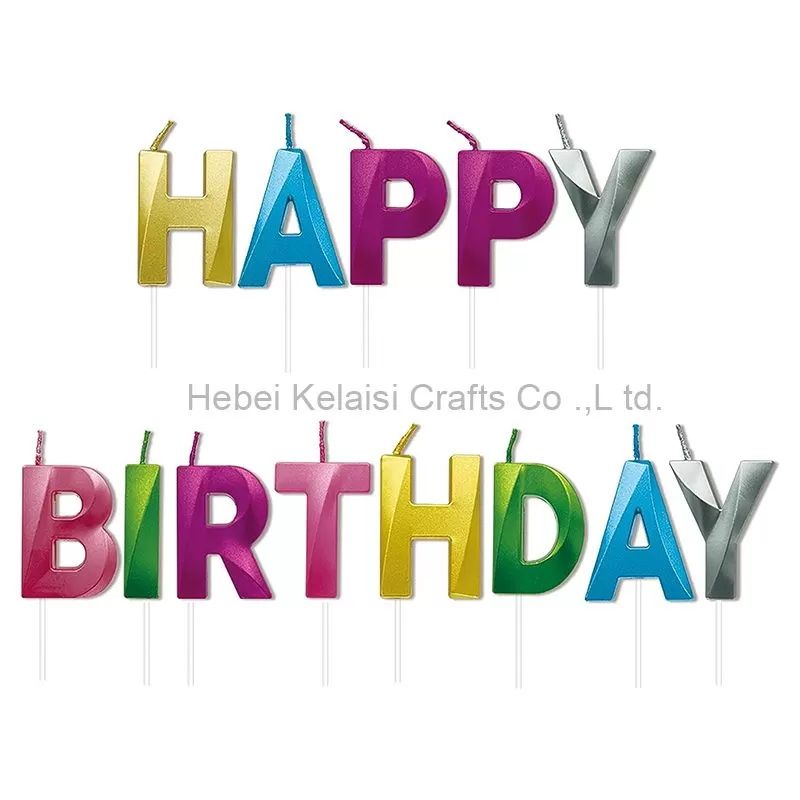 3D Letter Happy Birthday Candles
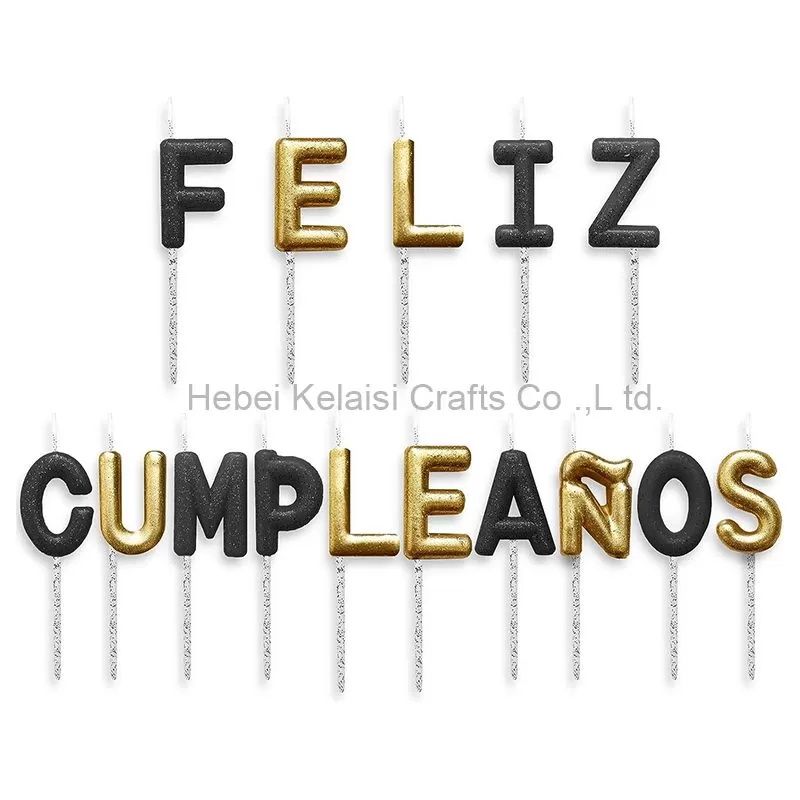 Decorative Birthday Candles
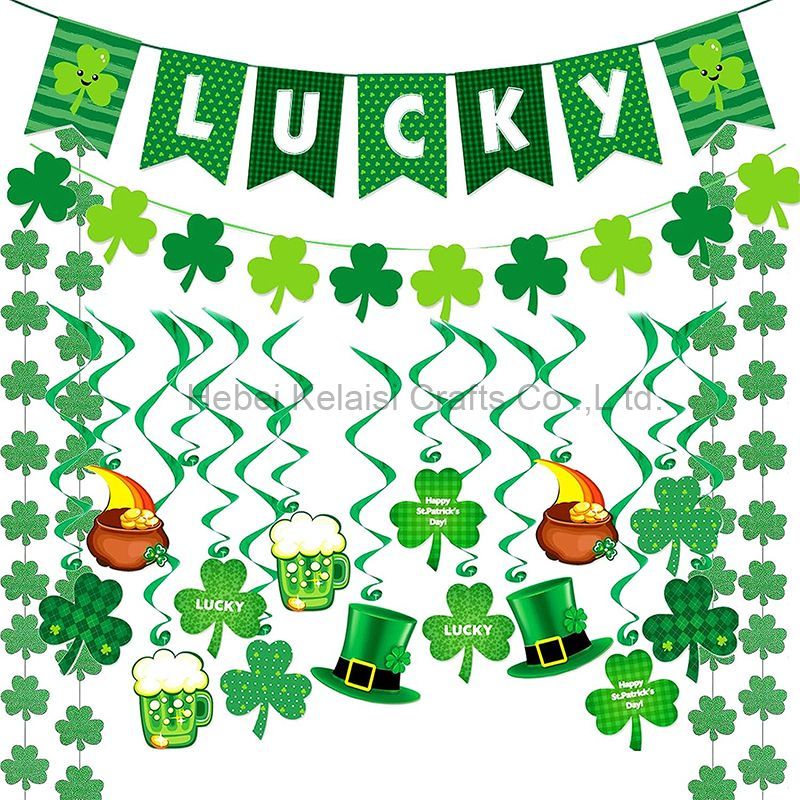 St. Patrick's Day Decorations Set
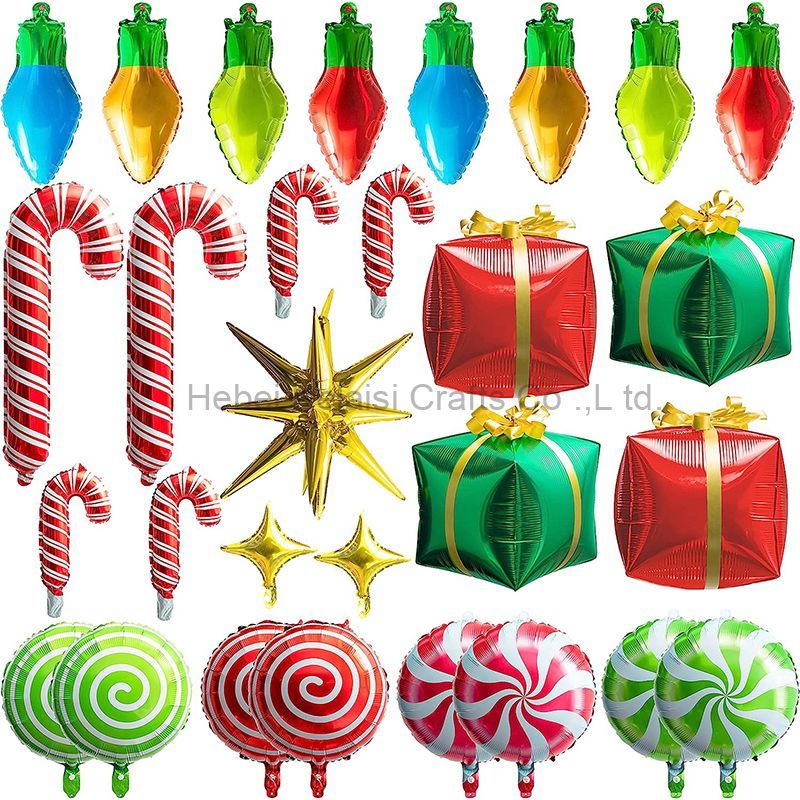 Christmas Party Balloons Supplies