Sep. 09, 2026
This case study is based on an anonymized customer project and reflects a sourcing scenario observed in the party supplies market.
A US-based party supplies distributor won a new retail account by moving beyond generic party products and offering coordinated, customizable collections that addressed needs the retailer's existing suppliers could not fully meet.
The account had been supplied by the same vendor for over five years. The new sourcing arrangement was based on product differentiation rather than price alone.
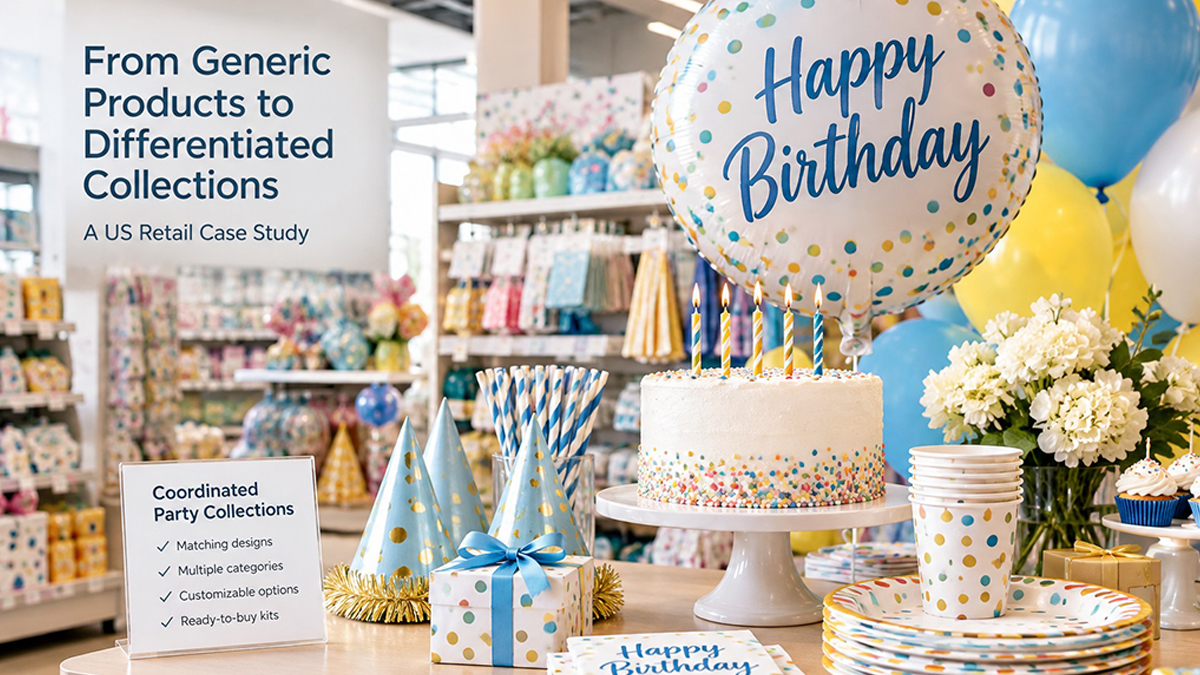
The buyer was a regional retail chain operating approximately 80 stores across the Midwest. Its party supplies section had stable sales but limited growth, with an assortment that had changed little over the years.
The existing supplier offered standard party products: basic birthday candles, generic banners, and mass-market tableware. The products were functional and affordable, but they did not help the retailer stand out from competitors.
When the category manager began reviewing supplier options, the evaluation criteria had shifted. Price remained important, but the retailer was also looking for products that could create differentiation.
The party supplies market was undergoing significant retail change. In 2025 and 2026, Party City and Joann exited physical retail, while Michaels expanded its in-store party assortment by 60% and added nearly 600 products. Party City also began reemerging through a shop-in-shop partnership with Staples in more than 700 stores.
This restructuring prompted retailers to reevaluate party supplies sourcing. The distributor therefore began looking for a manufacturing partner that could deliver more than generic products.
The distributor faced three main challenges.
First, the retailer had a long-standing supplier relationship. The incumbent offered reliable delivery and competitive pricing, so the distributor needed to provide value beyond price.
Second, the existing assortment was not creating strong customer engagement. The party supplies section generated steady revenue, but customers did not specifically seek out the retailer for party products. The category manager wanted an assortment that could make the section more distinctive.
Third, the distributor needed differentiation at scale. A few unique products were not enough. The retailer needed coordinated collections, multiple themes, and consistent quality across categories.
The distributor had previously used separate suppliers for candles, decorations, and tableware. This fragmented approach made coordinated product development and quick responses to retailer requests more difficult.
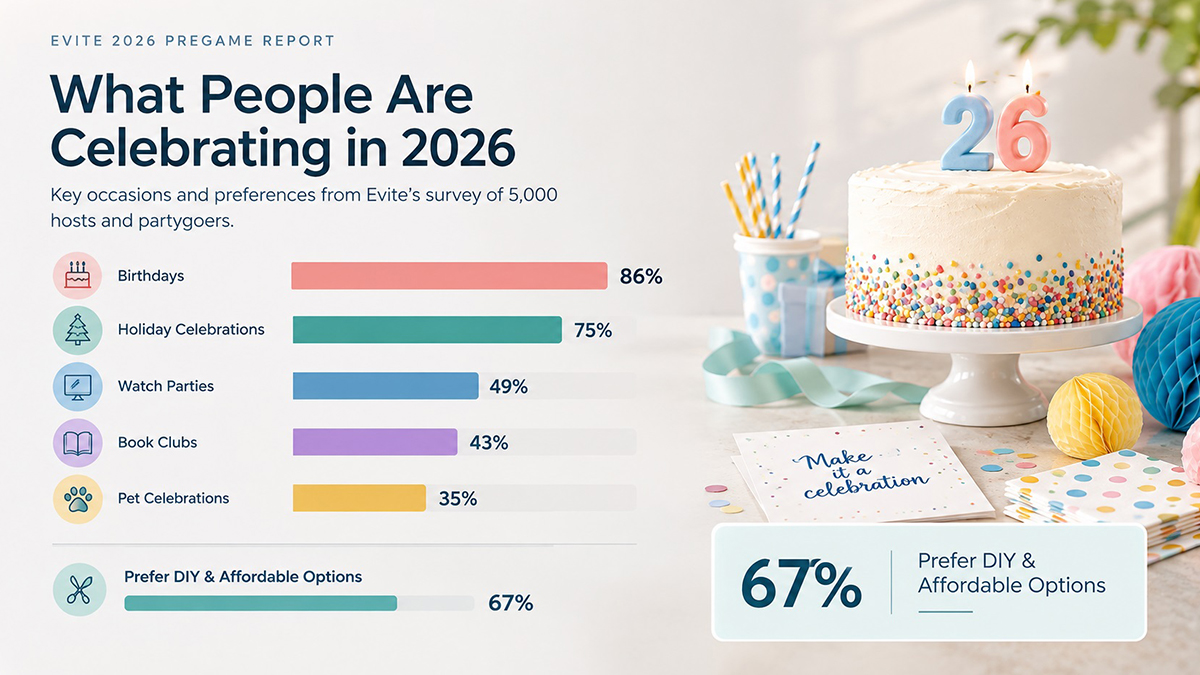
The approach began by understanding the retailer's requirements. Three priorities stood out:
Visual consistency. Products needed to look like they belonged together. Color matching, design language, and packaging consistency were as important as individual product quality.
Customization capability. The retailer wanted products that reflected its store identity. This included private label options, custom packaging, and adaptations for different themes and occasions.
Variety without complexity. The category manager wanted more choice without managing hundreds of additional SKUs. Coordinated collections offered a way to expand variety around themes while keeping the assortment more manageable.
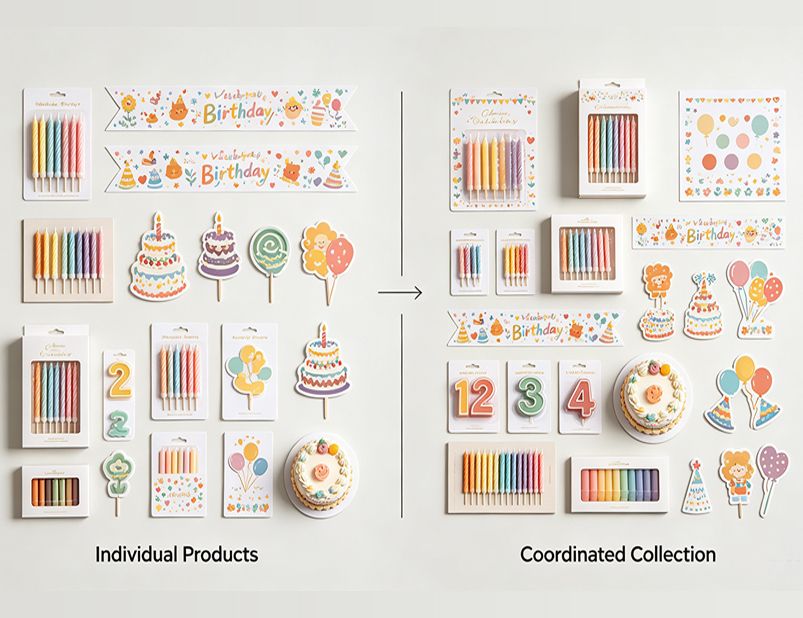
Instead of focusing only on individual products, the program developed collections around specific occasions and themes.
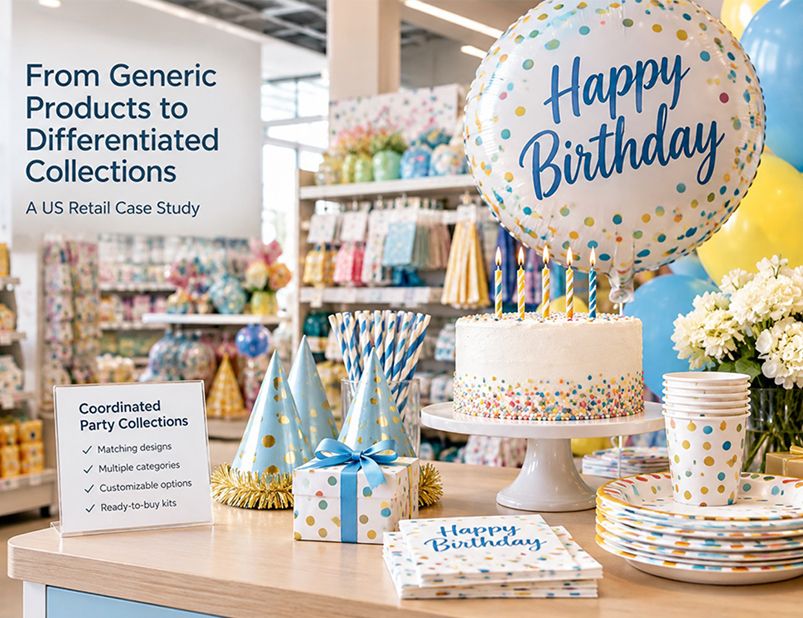
Birthday collections included number candles, themed banners, cake decorations, and tableware, using a consistent color palette and design language. Customers could find complementary products within one collection rather than assembling them from different parts of the store.
Seasonal collections were developed for Halloween, Thanksgiving, and Christmas, combining coordinated decorations, tableware, and party supplies.
Customizable collections allowed private label branding, custom packaging, and theme-specific variations, helping the retailer offer products that felt more exclusive while still being manufactured at scale.
The retailer had been hesitant to pursue private label with its previous supplier because of large minimum order quantities and limited design flexibility.
The new sourcing program included flexible minimum order quantities, private-label packaging, and customization options. This allowed the retailer to test smaller quantities before scaling successful products and reduced the risk of committing to unproven private-label products.
Customization also covered product design, including color combinations, theme variations, and packaging formats.
Previously, the distributor managed multiple suppliers for different categories. This created inconsistent quality, varying lead times, and higher coordination costs.
By consolidating sourcing with a single manufacturing partner, the distributor reduced supplier complexity. Coordinated collections could be produced across categories with consistent quality and packaging, while aligned lead times simplified warehouse receiving and inventory planning.
The retailer also benefited from having a single point of contact for its party supplies assortment, reducing administrative work and making changes easier to coordinate.
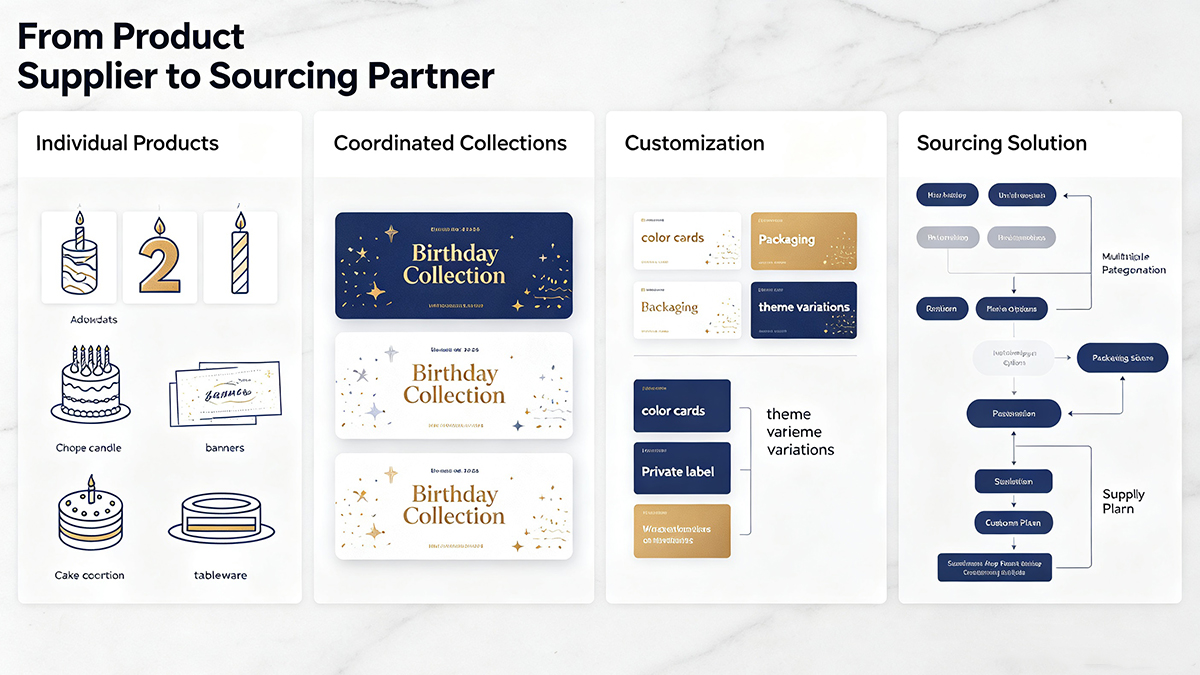
The distributor's proposal addressed the retailer's key concerns.
Product differentiation was achieved through coordinated collections. Instead of individual products, the retailer could offer complete, coordinated assortments that created a stronger shopping experience.
Customization capability gave the retailer more exclusive products. Private-label packaging and custom designs helped differentiate its party supplies section from competing retailers.
Sourcing consolidation reduced complexity. One point of contact could coordinate the assortment across candles, decorations, and tableware.
The category manager noted that the difference was ultimately about more than products. The distributor was helping the retailer move from selling individual party products to offering a more complete party experience.
Within months of the new assortment launching:
The retailer expanded the coordinated collection approach to additional stores
New seasonal collections were introduced
The retailer began exploring private-label product lines
The party supplies section became a destination category rather than a convenience purchase
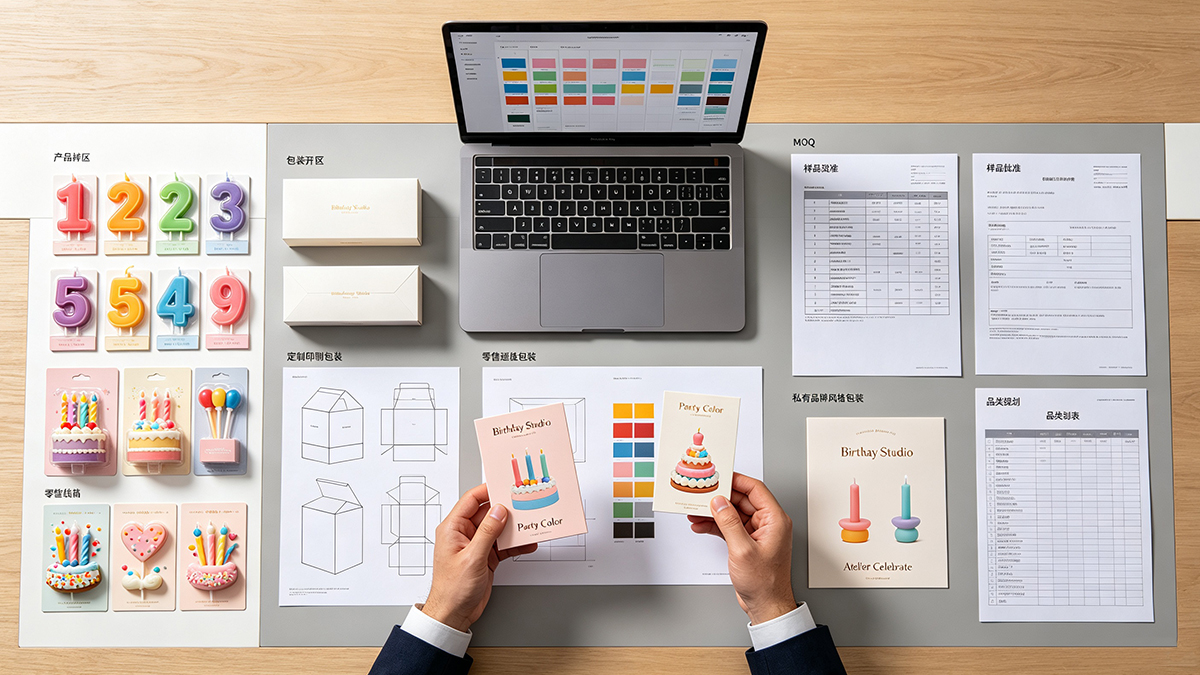
Product differentiation is not limited to having unusual products. For retailers, differentiation can come from how products are designed, coordinated, customized, packaged, and sourced.
In a fragmented party supplies market, suppliers that connect these elements may offer buyers more value than suppliers competing primarily on individual SKU pricing. Suppliers that can provide coordinated collections, customization, and sourcing consolidation may be better positioned to capture new retail accounts.
Price is still important. But it is no longer the only factor. Product differentiation is becoming the new competitive advantage.
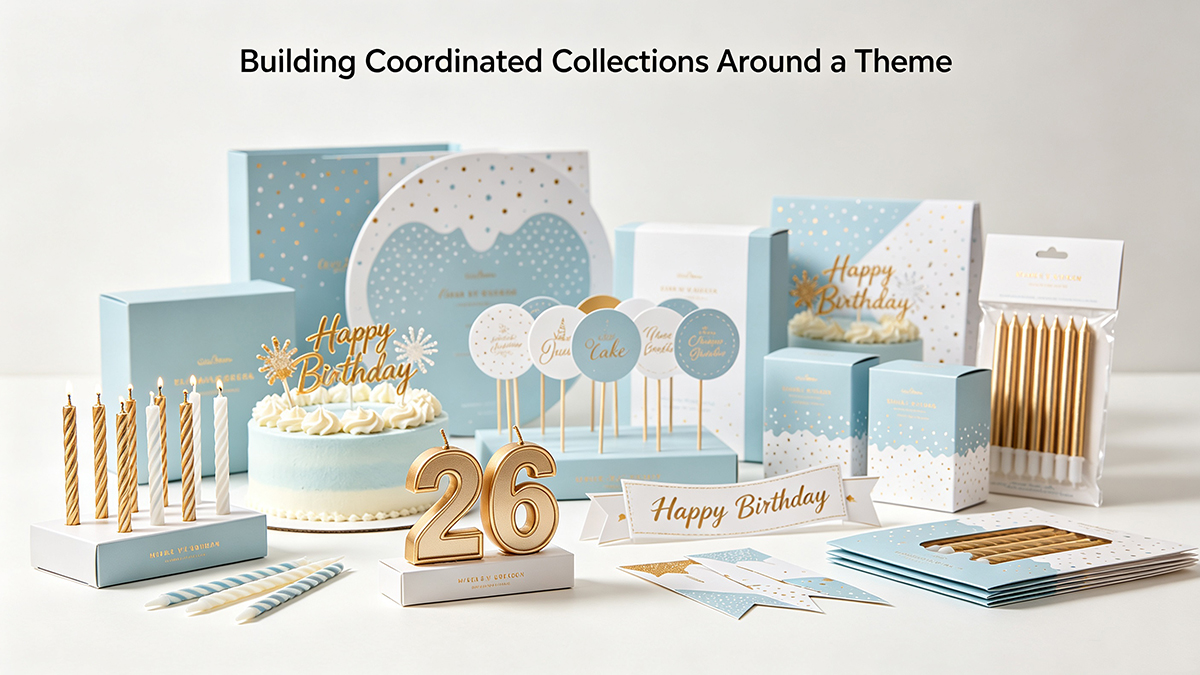
This case illustrates a broader shift in party supplies sourcing. Retailers are increasingly looking for partners who can help them differentiate, rather than suppliers who simply deliver products at the lowest price.
The distributor won the account by offering something the incumbent could not match: a complete, coordinated, customizable party supplies program that helped the retailer stand out.
As retail demand becomes more fragmented across occasions, themes, and product categories, suppliers that can offer coordinated collections, customization, and sourcing consolidation may be better positioned to capture new retail opportunities.
Kelaisi Candle has manufactured candles and party supplies since 1991, with facilities in Xingtai and Shijiazhuang, Hebei. We support international buyers with social-compliance, product-testing, and quality documentation covering requirements such as BSCI, SEDEX, CE, RoHS, EN71, and ASTM F963, where applicable.
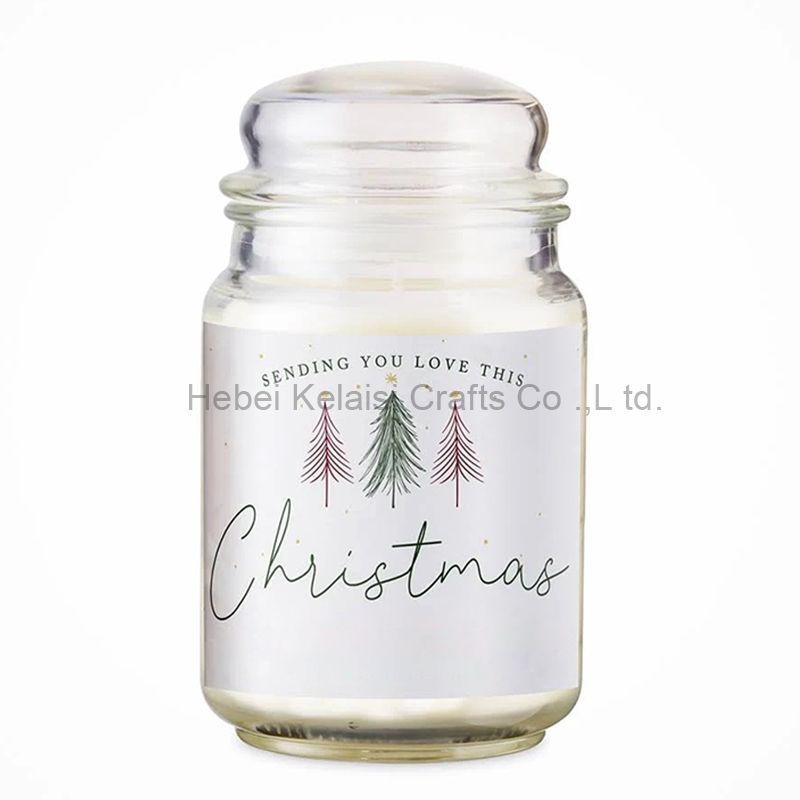 Big size decorative scented candle
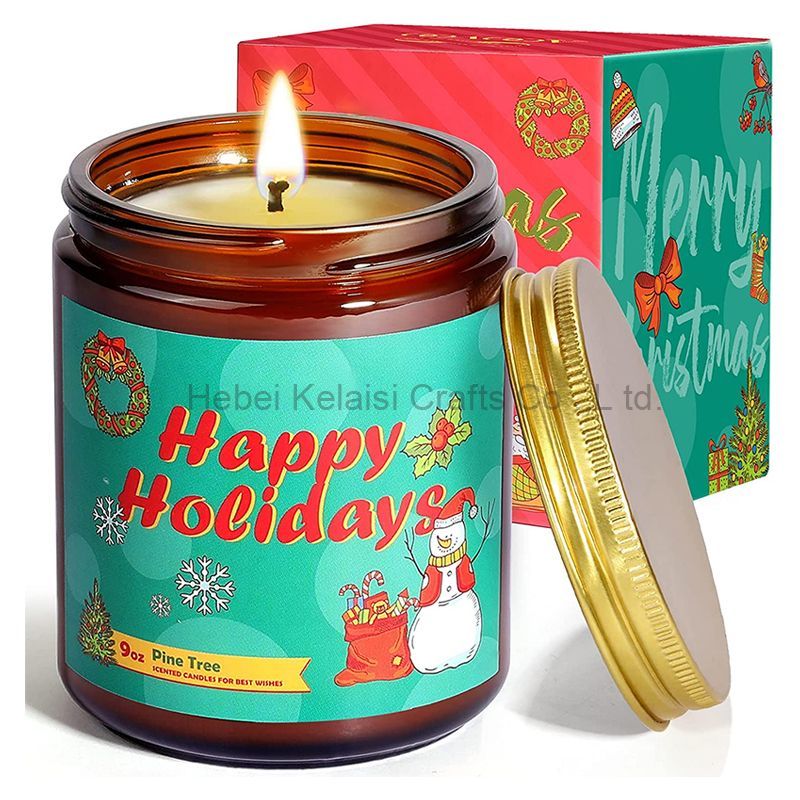 Christmas Scented Candles Gifts Sets for Women
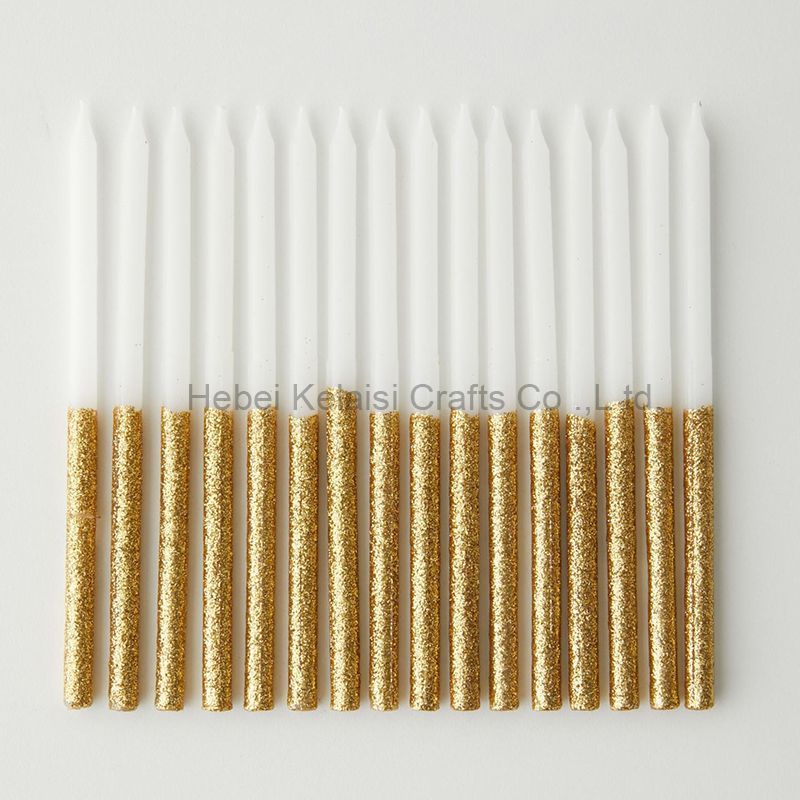 happy birthday long thin glitter cake candles
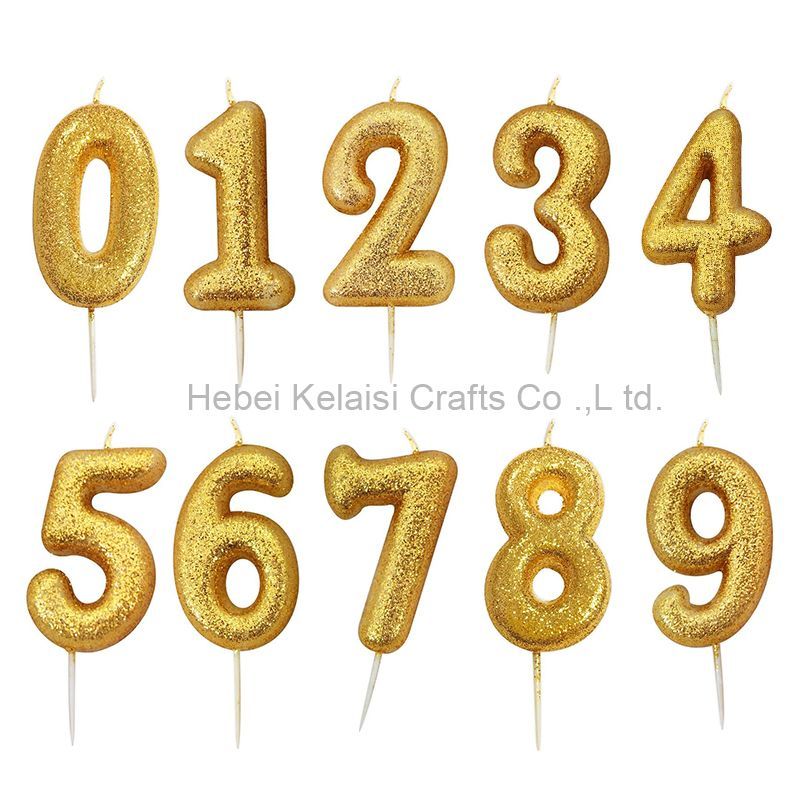 Luxury Golden Birthday Number Candle Sets
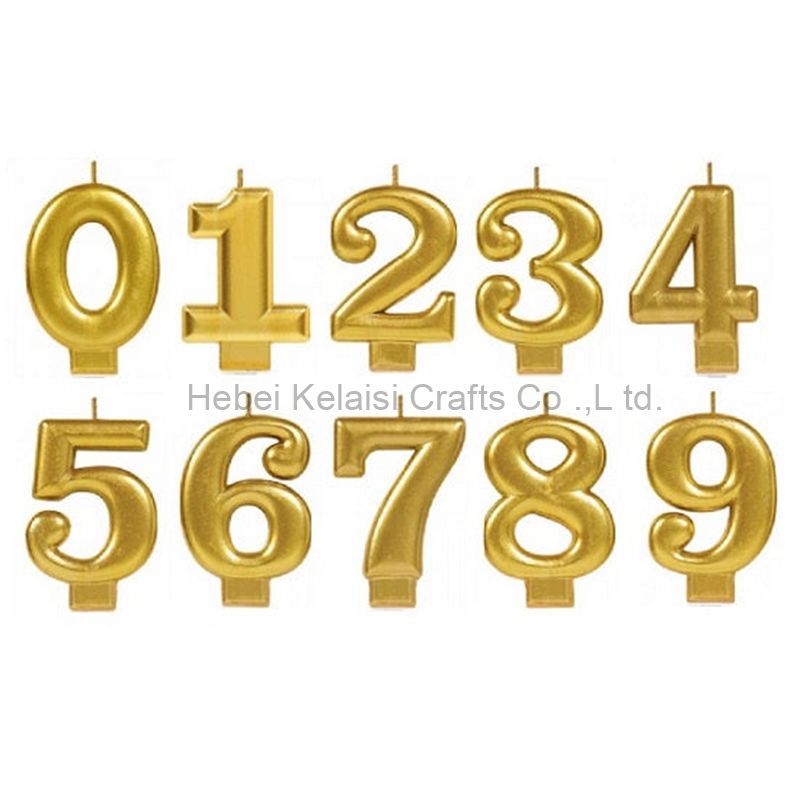 Fancy cake decoration number annual birthday candle
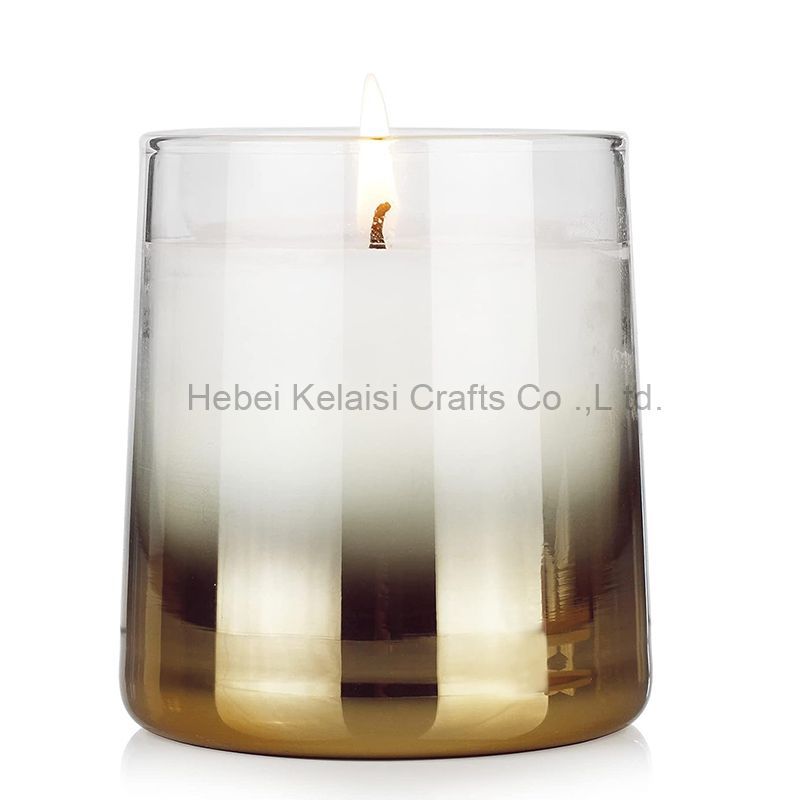 Gradient color Soy Wax Glass Jar Scented Candle
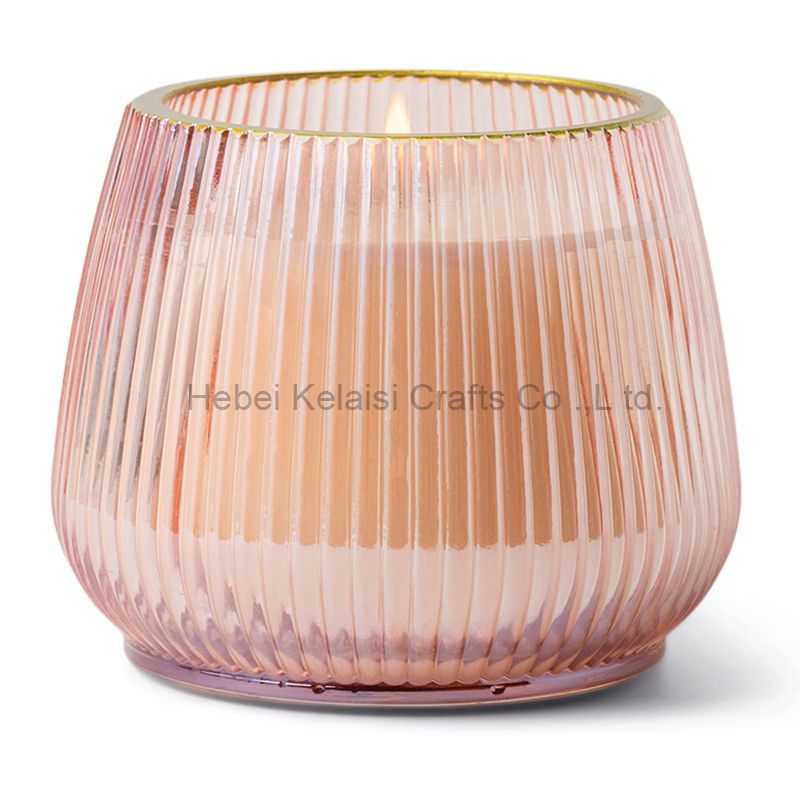 Origami Style Vertical Pattern Wine Glasses Jar Candles
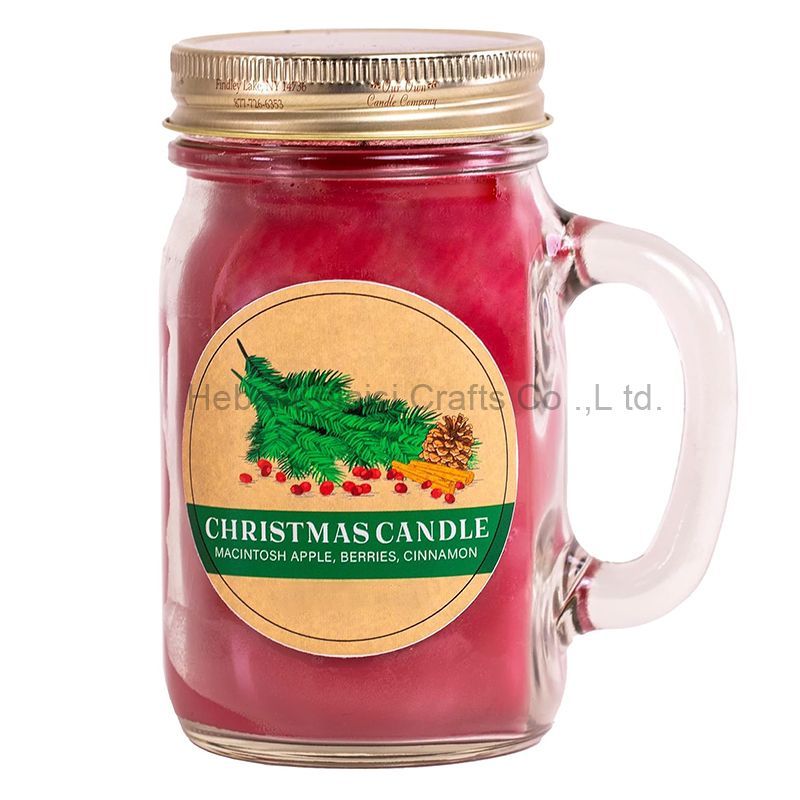 Custom Mini Glass Jar Scented Candle
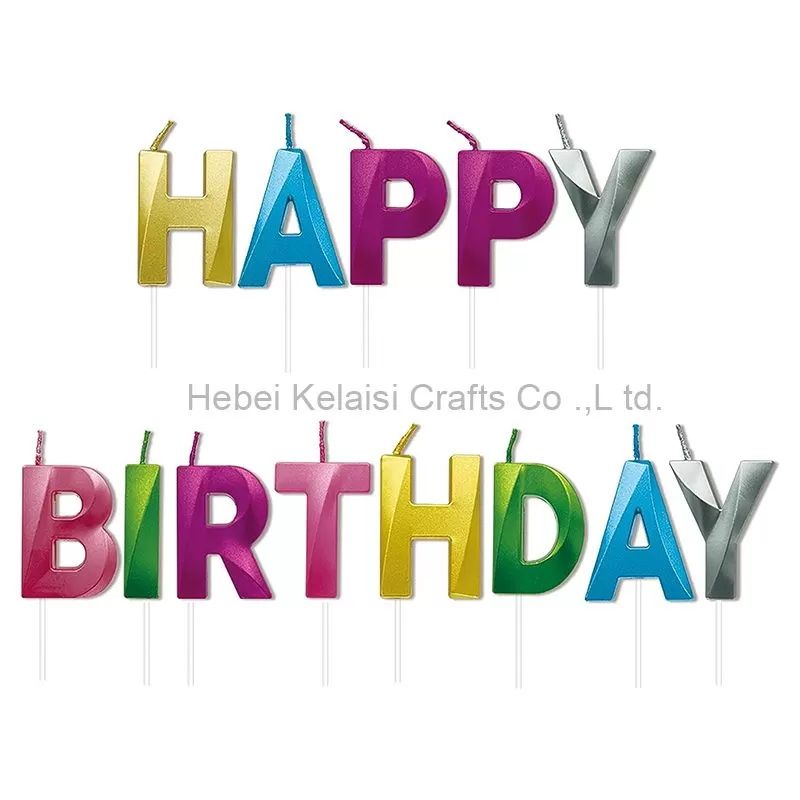 3D Letter Happy Birthday Candles
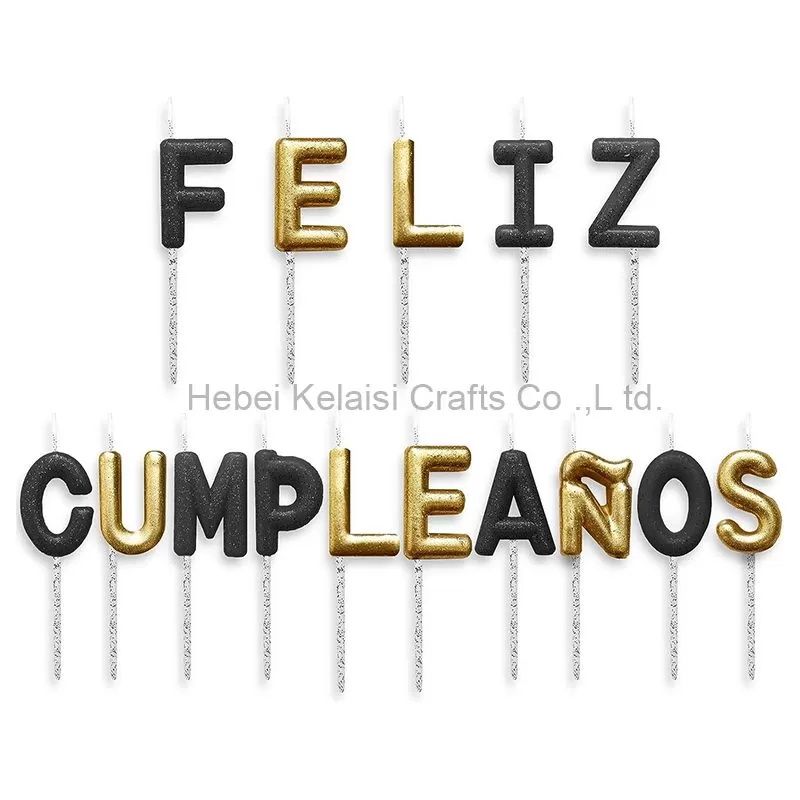 Decorative Birthday Candles
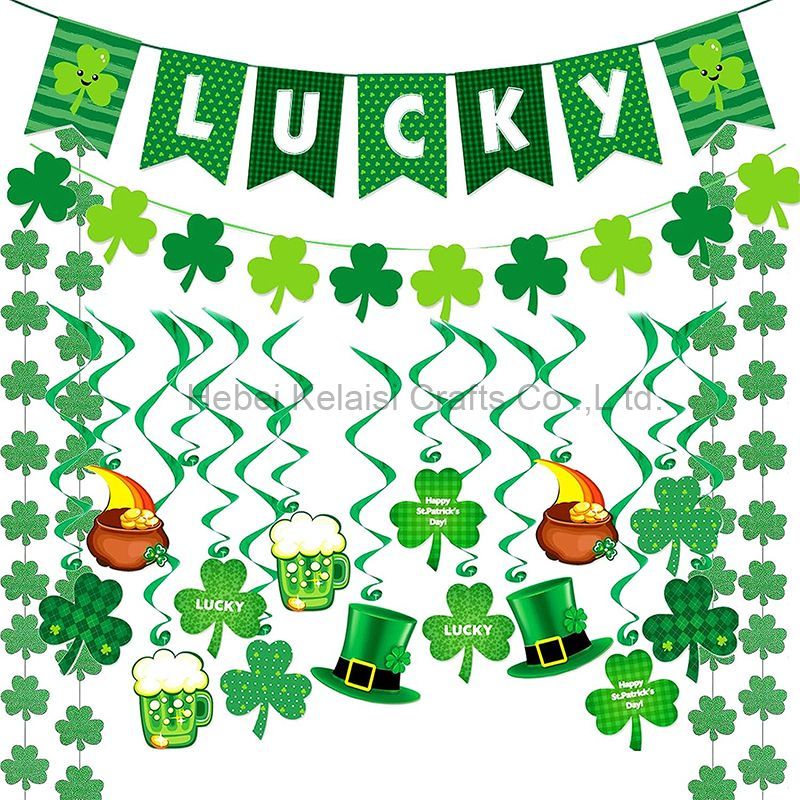 St. Patrick's Day Decorations Set
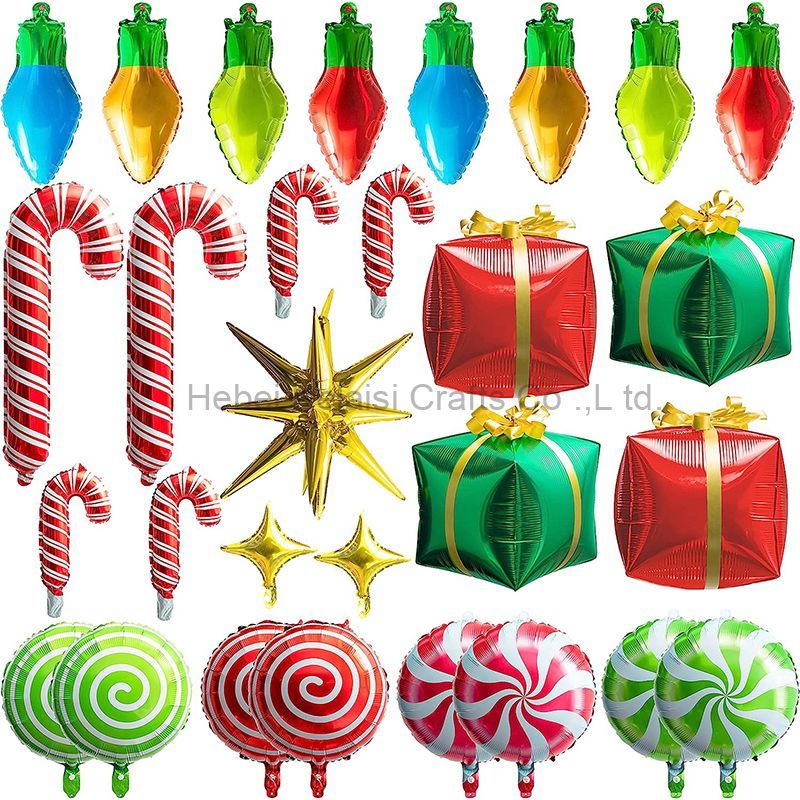 Christmas Party Balloons Supplies