Sep. 10, 2026
For brands in the celebration industry, September 11 presents a unique challenge.
Their products symbolize joy—birthdays, weddings, holidays, and gatherings. September 11 is the opposite of a celebration. It is a day of remembrance for the nearly 3,000 people who died in the terrorist attacks of 2001, the many people who were injured, and the survivors and first responders who continue to live with the consequences of that day.
Patriot Day is a day of remembrance, not a commercial occasion. For celebration brands, the boundary is particularly important—and particularly easy to cross by accident.
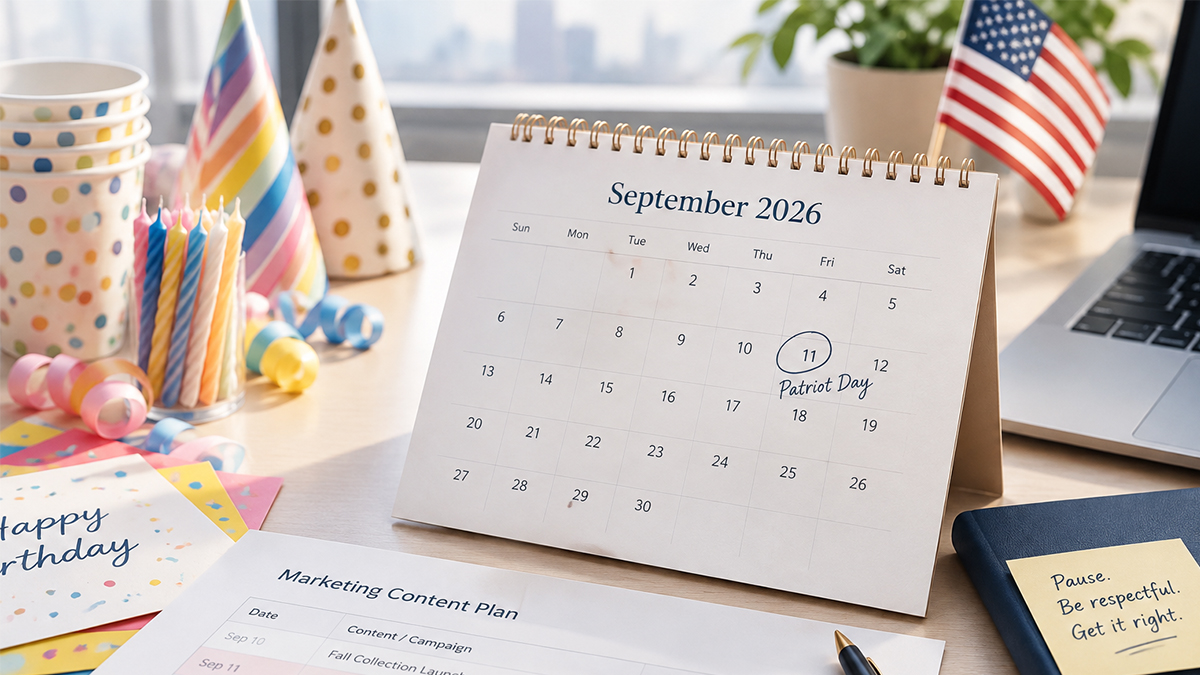
Most calendar events that appear in marketing plans—Valentine's Day, Halloween, Christmas—are commercial and celebratory occasions. Promotions and product-related messaging are generally expected.
September 11 is different. It is a solemn anniversary associated with grief, loss, trauma, and collective memory.
For brands whose products are associated with celebration, the contrast is even sharper. A brand whose products symbolize joy must be especially careful not to appear to be using a day of remembrance for commercial purposes.
For brands, the issue goes beyond reputation. It is also about recognizing the meaning of the day and communicating with appropriate sensitivity.
When brands make mistakes on September 11, the problems often follow a few predictable patterns.
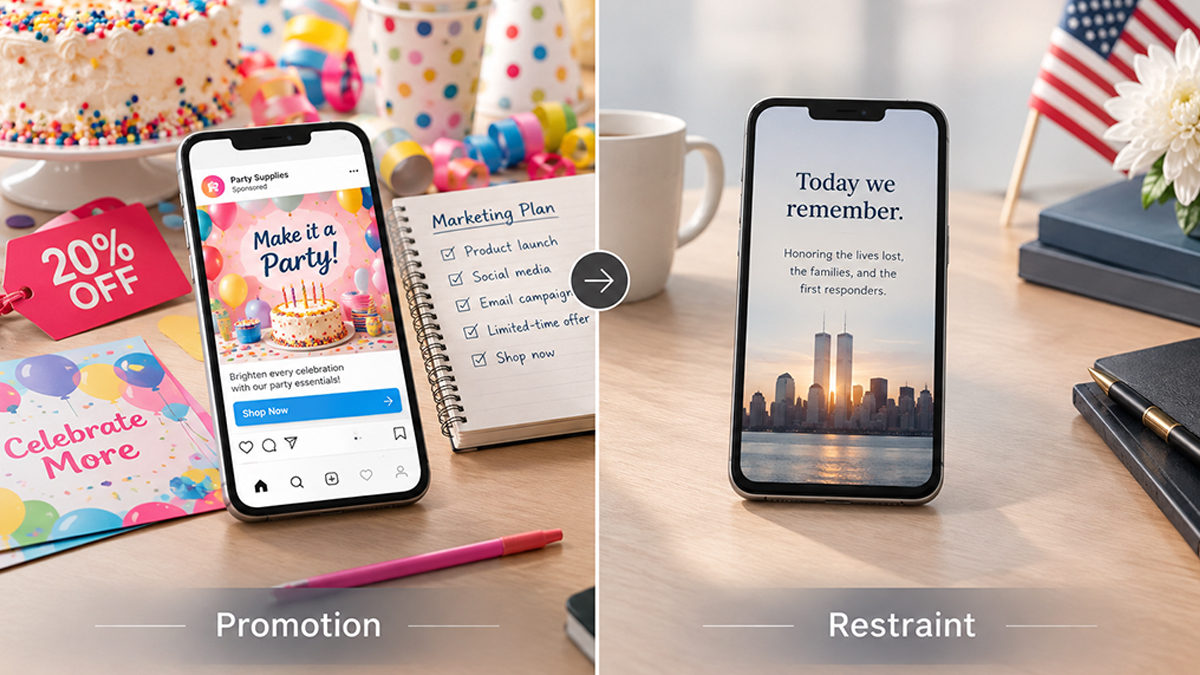
They treat it like a sales opportunity. Discounts, promotions, product launches tied to the date. Promotional messaging on a solemn anniversary can easily be perceived as insensitive or opportunistic. Such messaging can create unnecessary reputational risk.
They force a connection that does not exist. A candle company might think "candles are about remembrance" and run a campaign. A party supplies brand might think "we help people gather" and frame it around unity. These connections often feel forced and can appear to exploit tragedy.
They compete for attention. When multiple brands post about September 11, the day becomes about brands competing to appear patriotic or empathetic rather than about the people affected. Even well-intentioned posts can contribute to this dynamic.
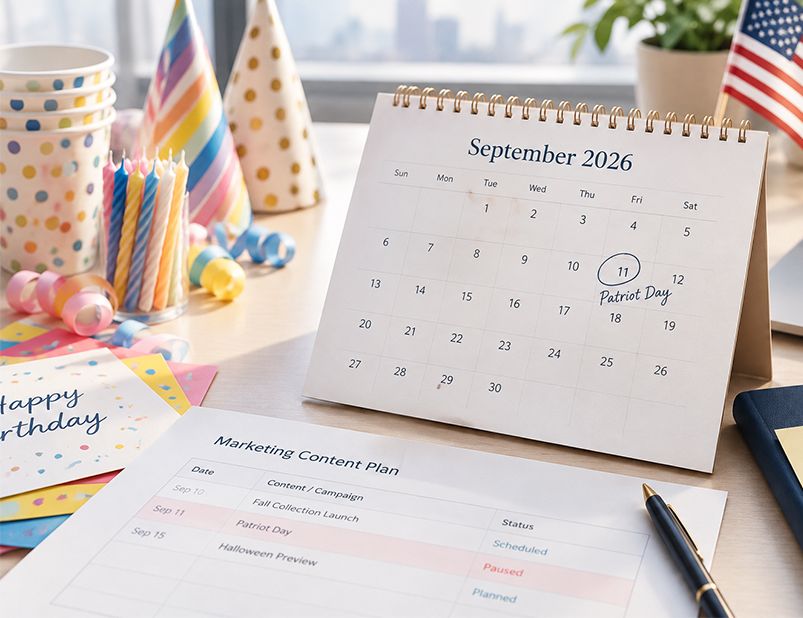
They post without thinking. A scheduled social media post goes live because no one remembered to pause the content calendar. A promotional email goes out because the marketing team did not check the date. These errors are avoidable but still occur.
They over-explain. A simple, respectful acknowledgment is fine. A lengthy post about the brand's values, its commitment to community, or its founder's personal connection to September 11 often reads as self-serving.
For marketing teams, the most useful question is not "what should we say?" but "should we say anything at all?"
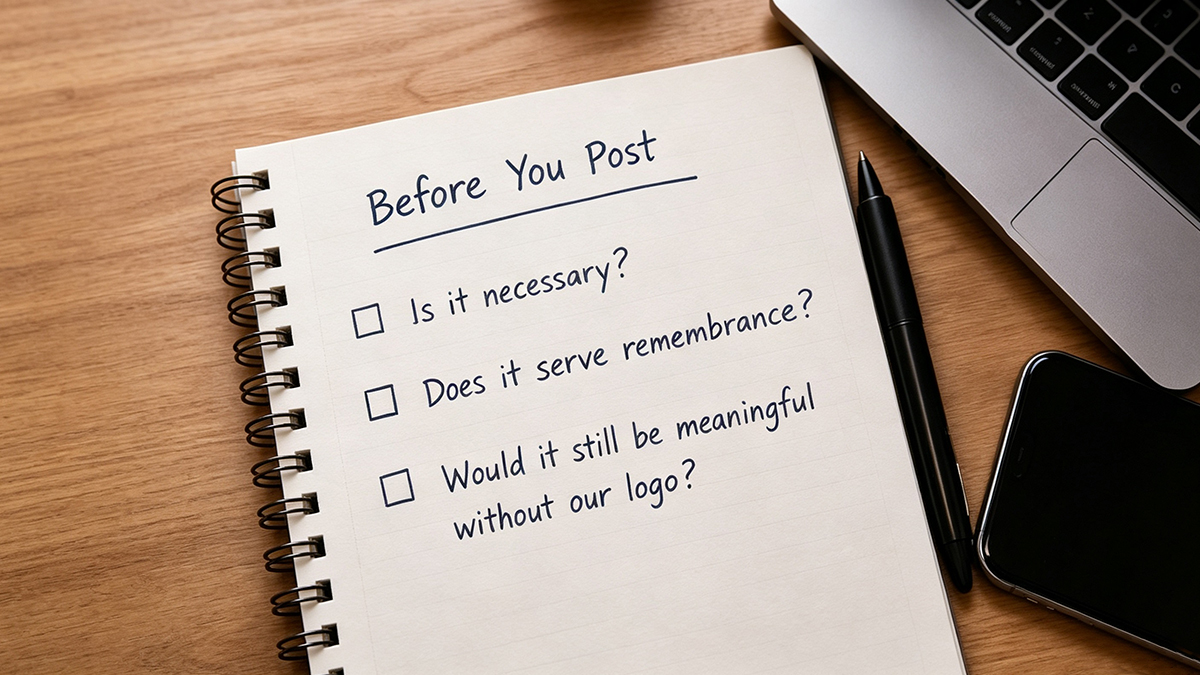
Before posting on September 11, ask three questions:
1. Is there an authentic reason for our brand to speak?
If the brand has no genuine connection to the day—no employee connection, no charitable partnership, no relevant community relationship—then a post may not be necessary. The pressure to "say something" is driven by marketing norms, not by what is actually appropriate.
2. Does the message serve remembrance rather than promotion?
The focus should be on the people affected, not on the brand. Support for first responders, acknowledgment of victims and families, and respect for the day's meaning should be the center of any communication. No product mentions. No calls to action. No "shop now" buttons.
3. Would the post still make sense if our logo were removed?
This is the most important question. If a message about September 11 would still be meaningful without the brand's logo attached, it is likely appropriate. If removing the logo makes the post meaningless, the brand is probably using the day for visibility rather than remembrance.
| Before Posting | Ask |
|---|---|
| Product mention | Is it necessary? |
| Promotion | Is there any sales message? |
| Call to action | Does it ask people to buy, click, or engage? |
| Visual | Is it respectful and appropriate? |
| Brand logo | Is the brand taking too much attention? |
| Scheduled posts | Have promotional posts been paused? |
| Timing | Does the message acknowledge the meaning of the day? |
If a brand decides to participate in September 11, here is what it can look like:
A simple statement of remembrance. One or two sentences acknowledging the day and honoring those affected. No product mention. No brand story. No call to action.
Support for organizations that serve survivors and first responders. This can be done without a public campaign. A quiet donation, a commitment to employee volunteer time, or internal fundraising can be meaningful without being promotional.
Amplification of official remembrance activities. Sharing information about local ceremonies, moments of silence, or charitable organizations that support survivors is appropriate. The brand serves as a channel for information, not as the center of attention.
Employee-led participation. If employees want to organize a moment of silence, a volunteer activity, or a discussion, the brand can support those efforts internally. The initiative should come from employees, not from a marketing strategy.
Nothing at all. If there is no authentic reason to speak, silence can be the most respectful choice.
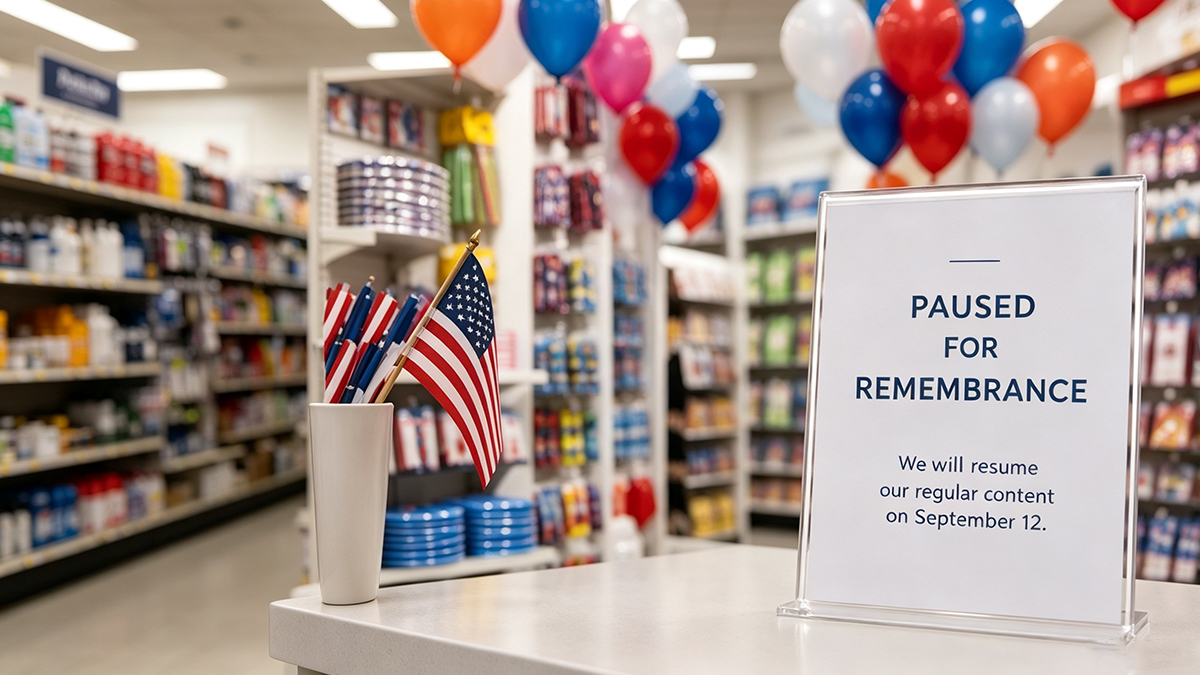
For party supplies and celebration brands, September 11 requires particular care. Three principles matter most:
1. Keep products out of the message. The contrast between celebration products and a day of mourning is too stark. A brand that sells celebration products should not attempt to link those products to September 11.
2. Pause promotional activity. On September 11, the default should be to pause all promotional content. Regular promotional content can resume afterward, according to the brand's normal content calendar.
3. Consider internal support first. A note to employees, a moment of silence, or support for charitable organizations may be more appropriate than a public social media post.
The brands that understand this distinction are the ones that build long-term trust—not because they posted something, but because they knew when not to.
Some dates on the marketing calendar are opportunities. Others are boundaries. September 11 is one of them.
It is not a holiday to be celebrated, a trend to be leveraged, or a sales moment to be captured. It is a day of remembrance that calls for restraint, respect, and humility.
The best way to honor September 11 is to remember what it was. Not what it could do for your brand.
Kelaisi Candle has manufactured candles and party supplies since 1991, with facilities in Xingtai and Shijiazhuang, Hebei. We support international buyers with social-compliance, product-testing, and quality documentation covering requirements such as BSCI, SEDEX, CE, RoHS, EN71, and ASTM F963, where applicable.
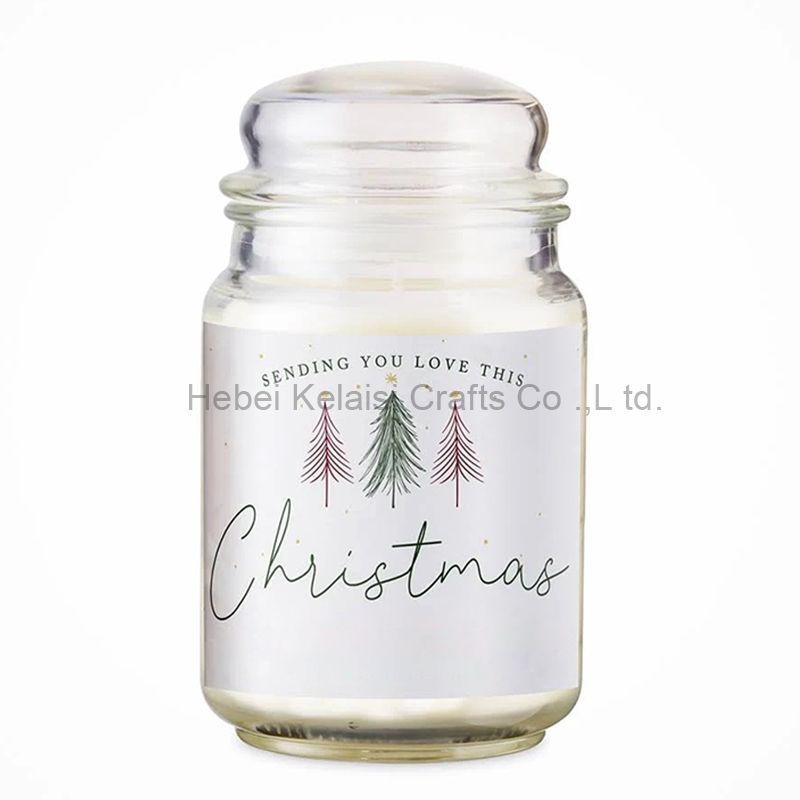 Big size decorative scented candle
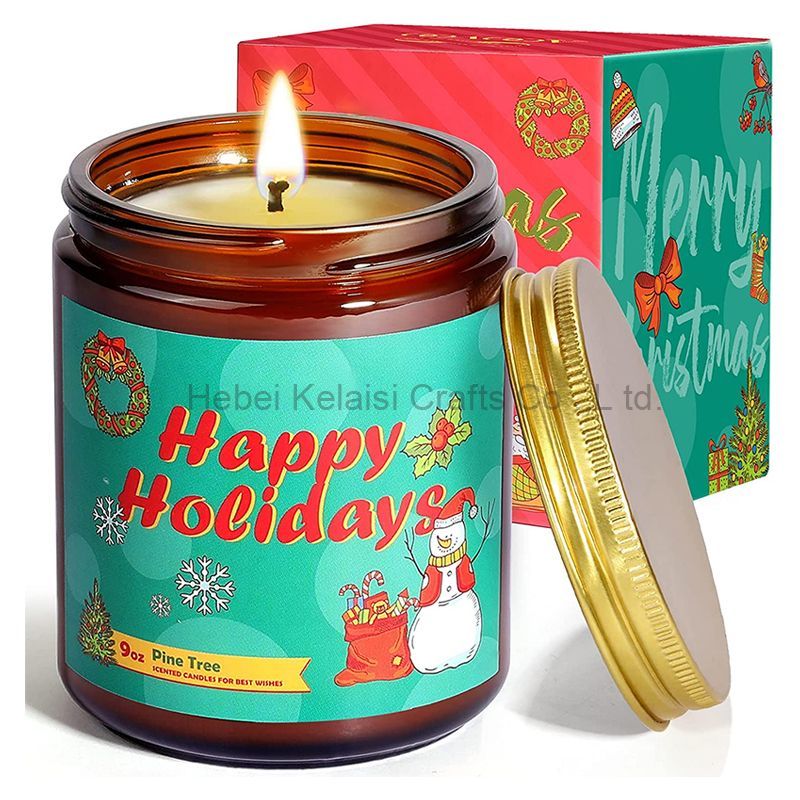 Christmas Scented Candles Gifts Sets for Women
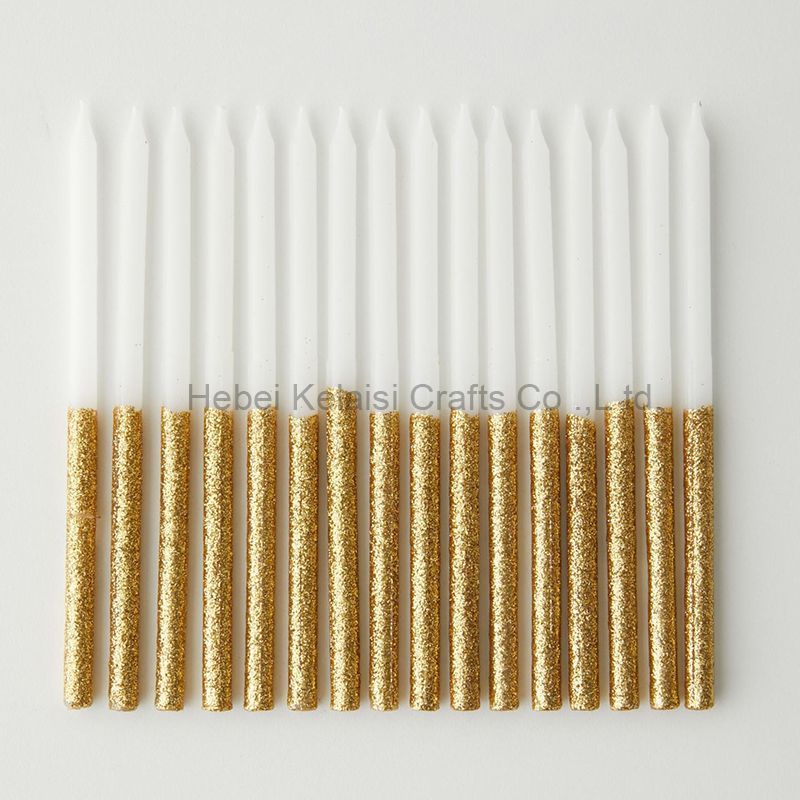 happy birthday long thin glitter cake candles
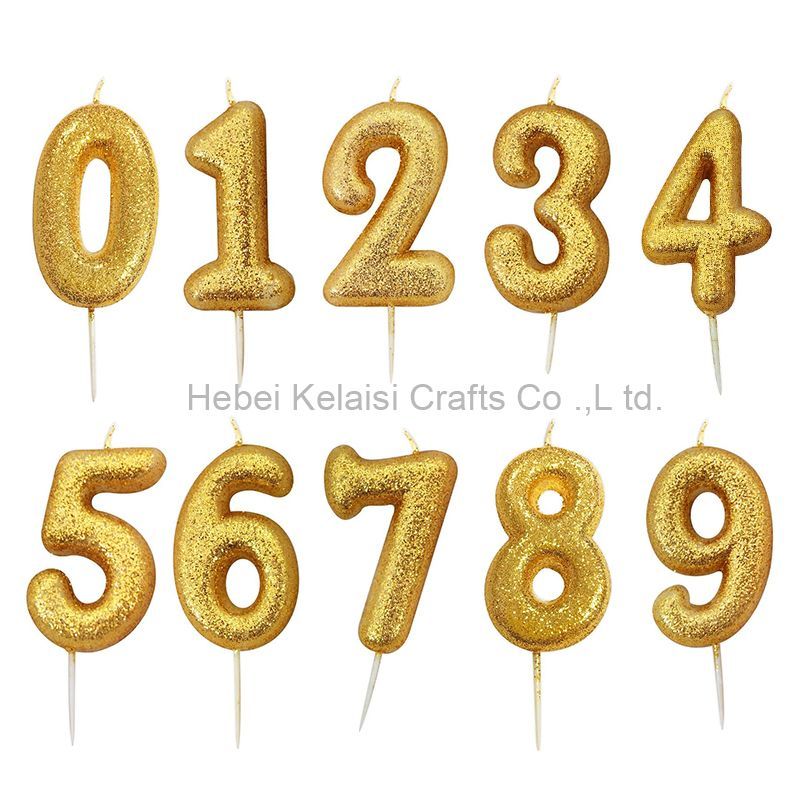 Luxury Golden Birthday Number Candle Sets
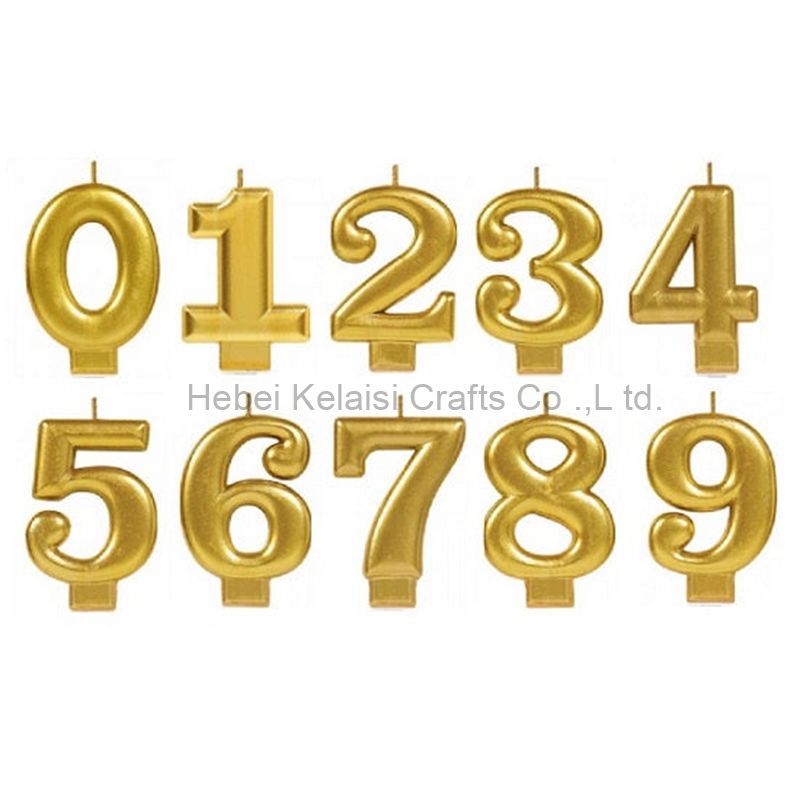 Fancy cake decoration number annual birthday candle
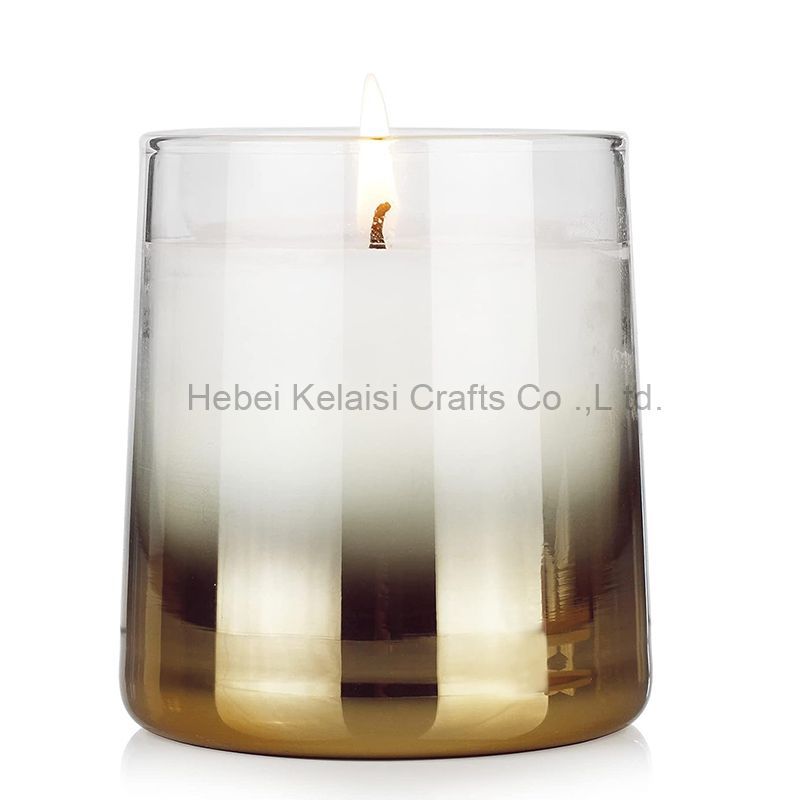 Gradient color Soy Wax Glass Jar Scented Candle
 Origami Style Vertical Pattern Wine Glasses Jar Candles
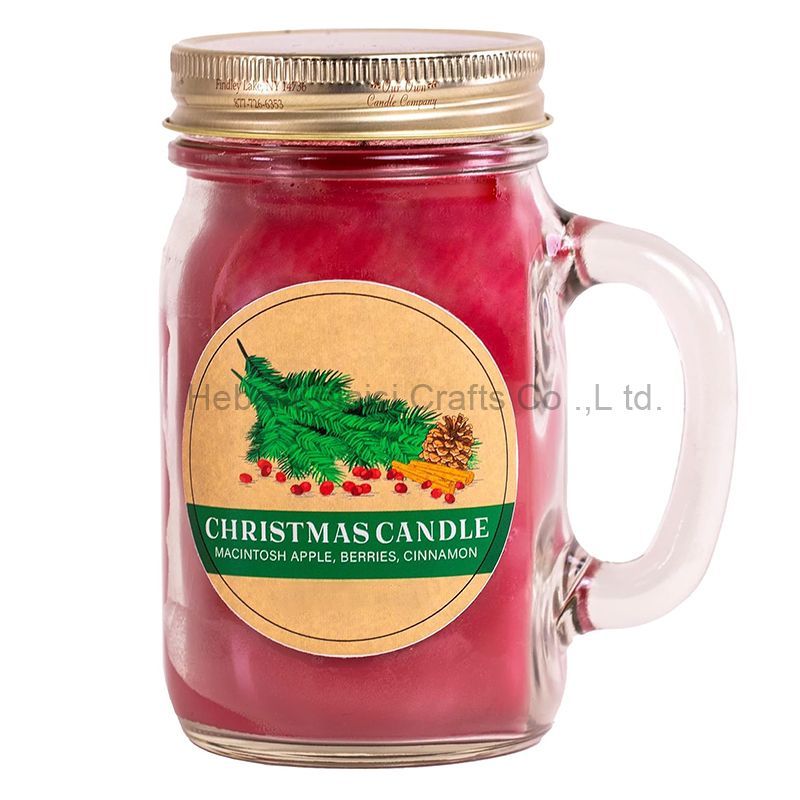 Custom Mini Glass Jar Scented Candle
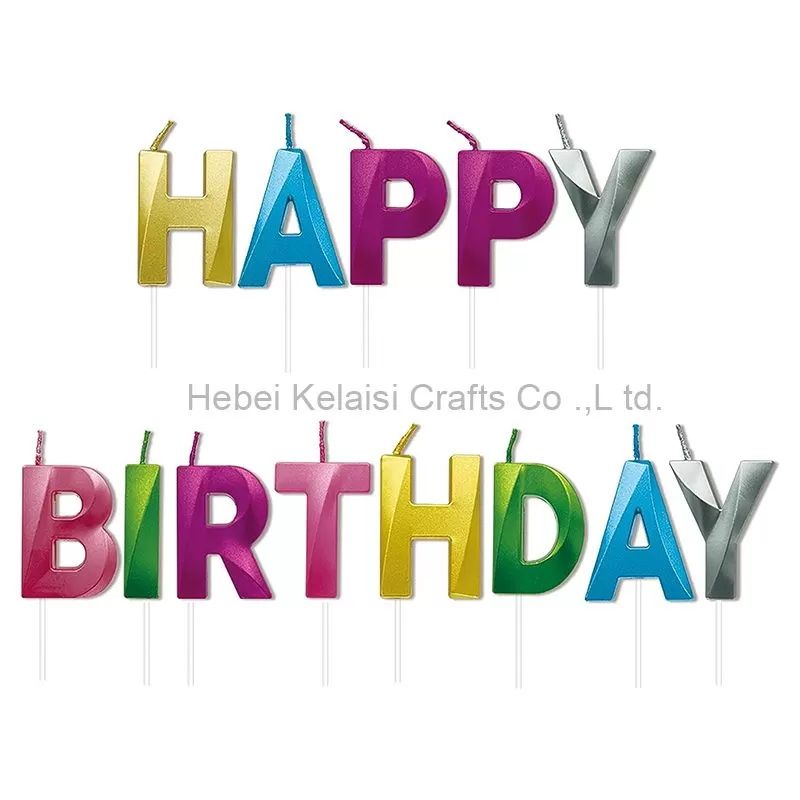 3D Letter Happy Birthday Candles
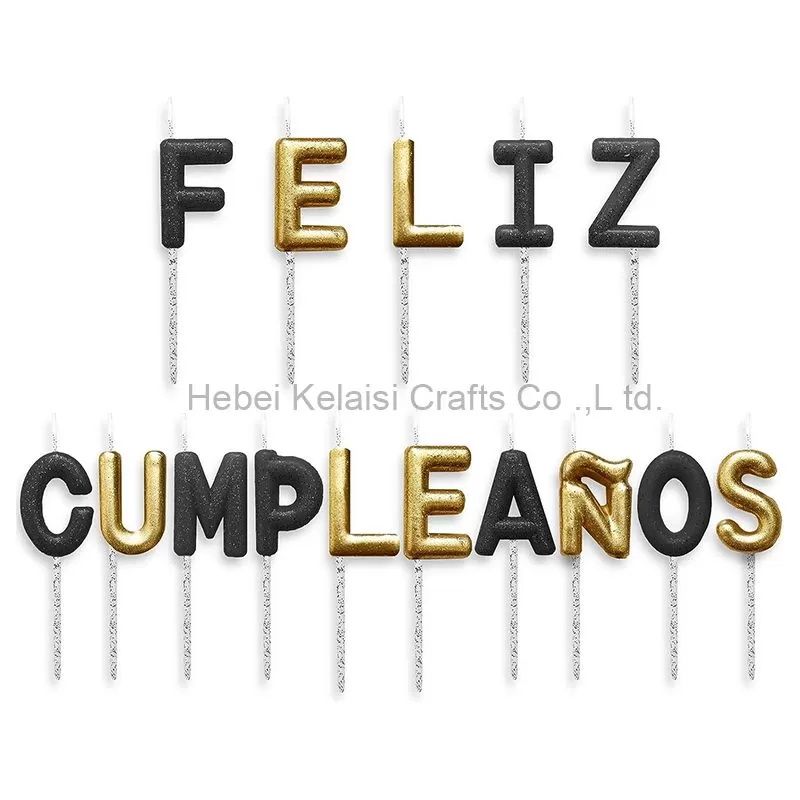 Decorative Birthday Candles
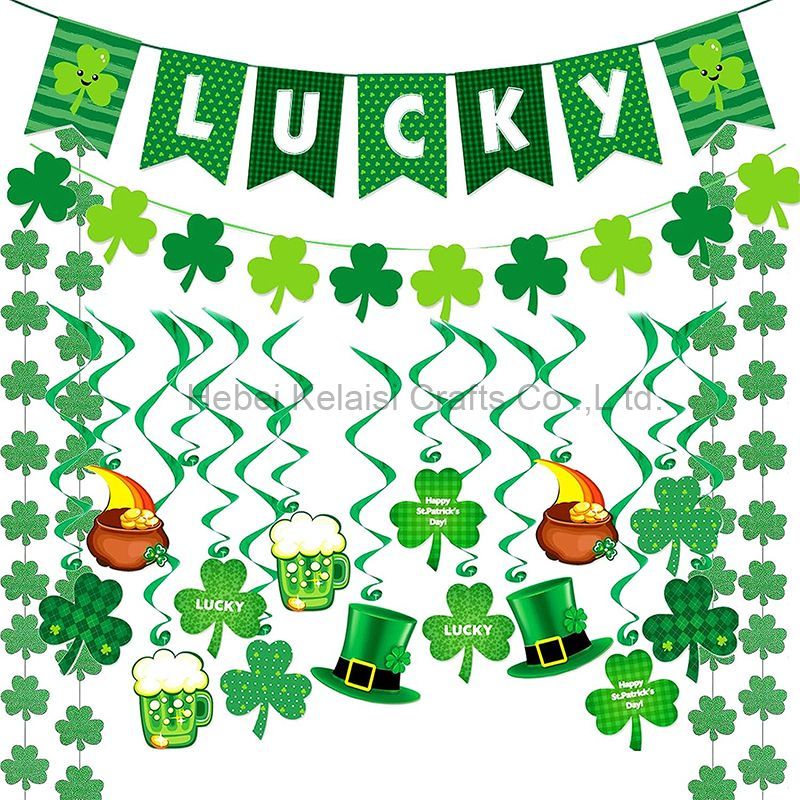 St. Patrick's Day Decorations Set
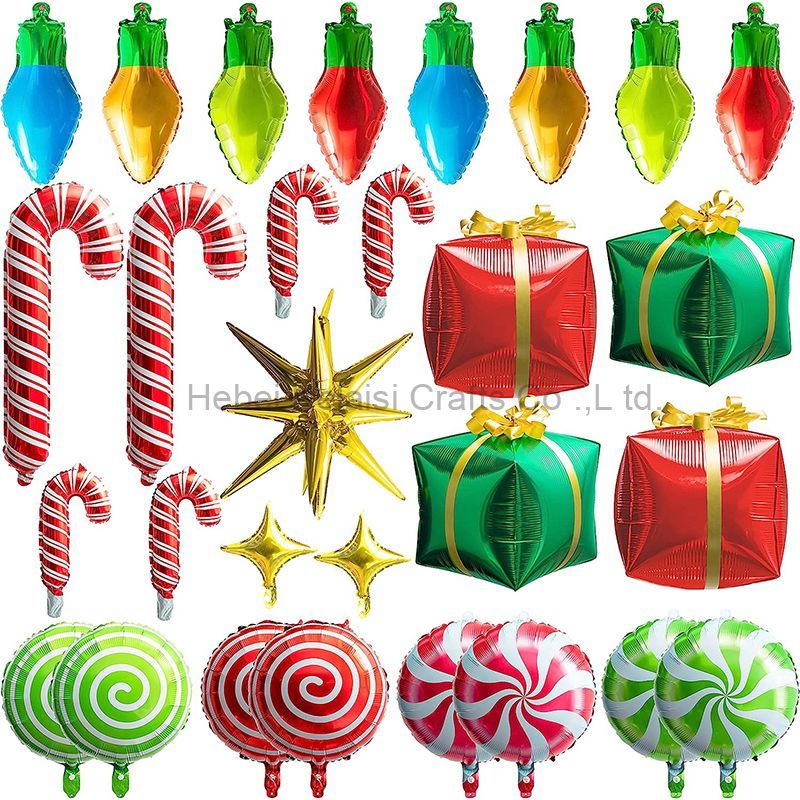 Christmas Party Balloons Supplies