Nov. 19, 2026
Party banners are widely used to decorate birthday celebrations, seasonal events, retail displays and other special occasions. They can introduce a theme, highlight an important message or help define a decorative area.
However, choosing a suitable banner involves more than selecting an attractive design. The available display space, viewing distance, banner dimensions, layout and hanging method all influence how effectively a banner works in its intended environment.
For importers, wholesalers and party supply retailers, understanding these factors can help when selecting banner specifications and planning product ranges.
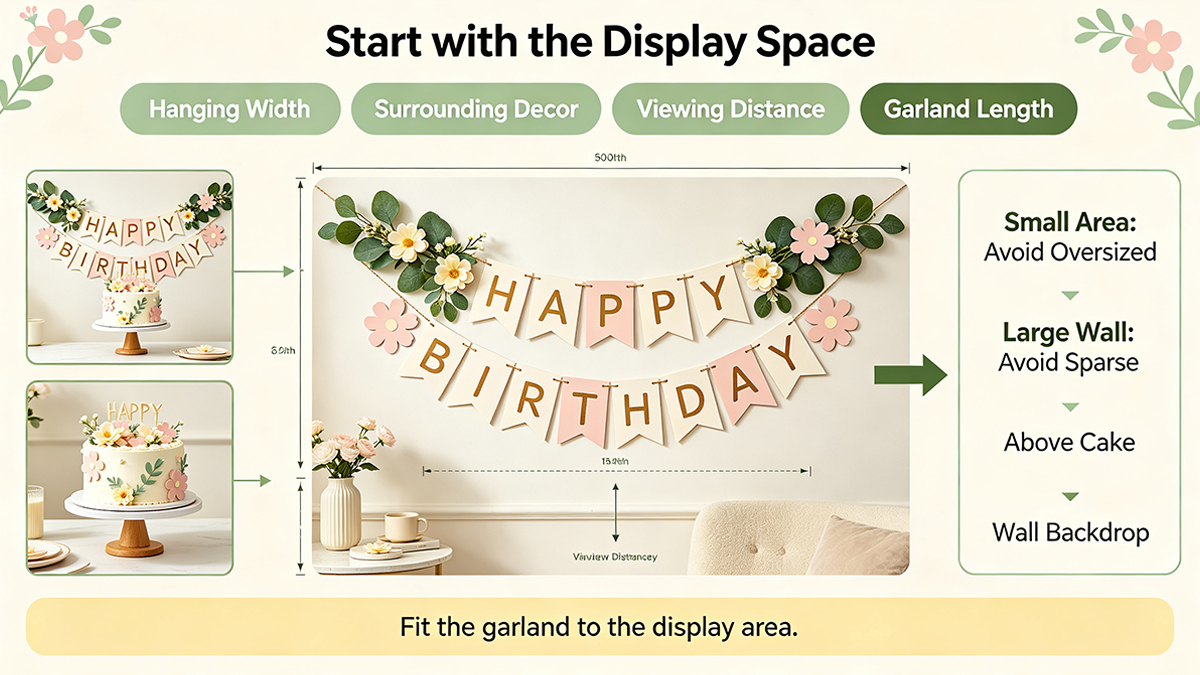
The first consideration should be where the banner will be displayed.
A banner intended for a wall behind a birthday cake has different requirements from one used above a store entrance or across a large event space.
For smaller areas, an oversized banner may dominate the decoration and leave little room for other elements. A banner that is too small, on the other hand, may become difficult to notice when displayed on a large wall.
Before selecting a size, buyers should consider the available width and height, the surrounding decorations and the distance from which people will view the banner.
It is also useful to consider whether the banner will be displayed independently or as part of a larger decorative arrangement.
The objective is to make sure the banner fits naturally into its surroundings rather than appearing disconnected from the rest of the display.
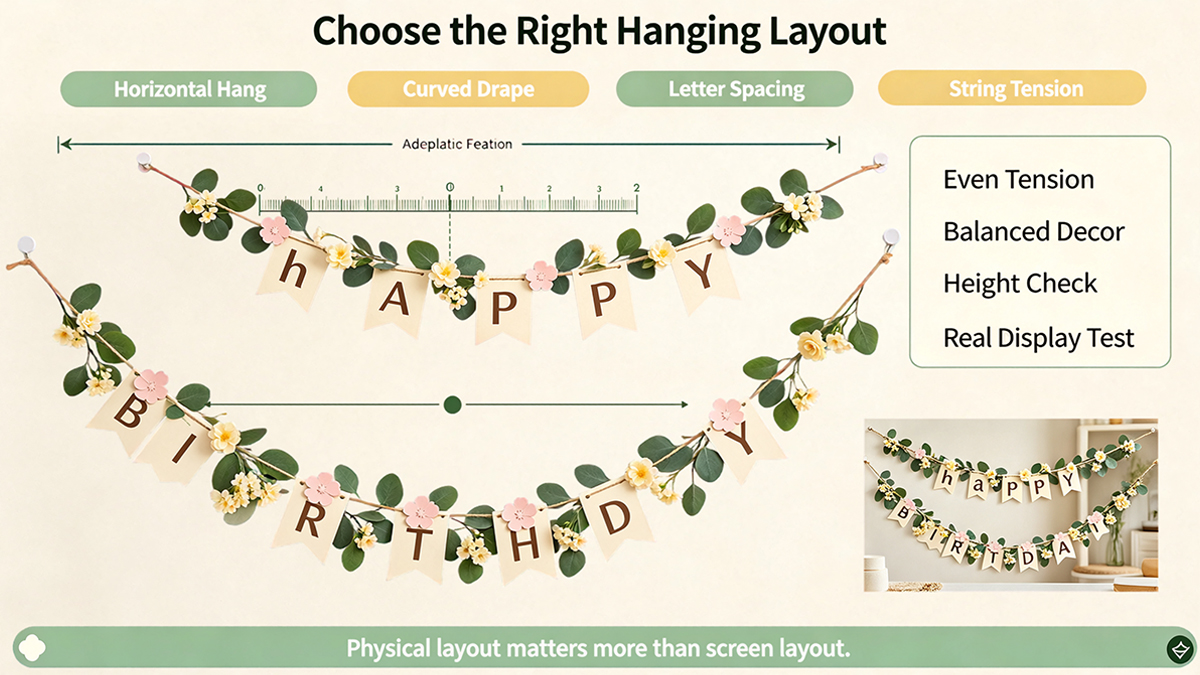
Party banners generally use horizontal or vertical layouts, although other formats are possible depending on the design.
Horizontal banners are commonly used above tables, across walls and over entrances. Their wider format provides room for longer messages and decorative graphics arranged from left to right.
Vertical banners are more suitable for narrow display areas, columns, doorways and spaces where horizontal coverage is limited.
Orientation also influences the visual balance of the design.
For example, a long birthday message may be easier to read in a horizontal layout, while a vertical arrangement may work better when the design emphasizes stacked text or decorative illustrations.
Buyers should consider the physical display area before approving the artwork. A design that looks balanced on a computer screen may not work equally well when printed in a different orientation.
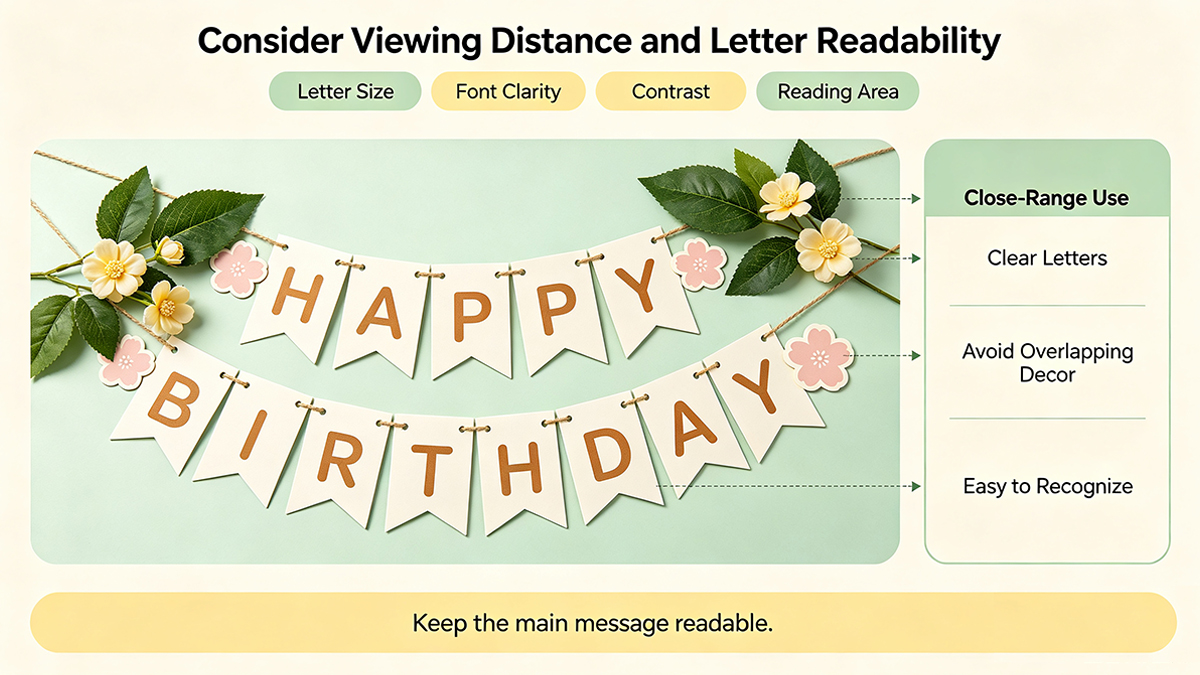
A banner is designed to communicate visually. Its message should be understandable from the distance at which people are expected to see it.
For a small indoor celebration, viewers may stand relatively close to the banner. More detailed illustrations and smaller decorative elements can therefore be appropriate.
For larger venues, store displays or event entrances, the banner may need stronger visual elements and more prominent lettering.
The amount of text also matters.
Long messages can make a banner difficult to read, especially when the available space is limited. A short headline, clear lettering and a simple visual hierarchy generally make the message easier to understand.
Buyers should also consider the contrast between text and background. Similar colors may look attractive in a digital design but become difficult to distinguish under certain lighting conditions.
A useful principle is to prioritize the main message before adding secondary decorative details.
Different banner materials offer different visual and practical characteristics.
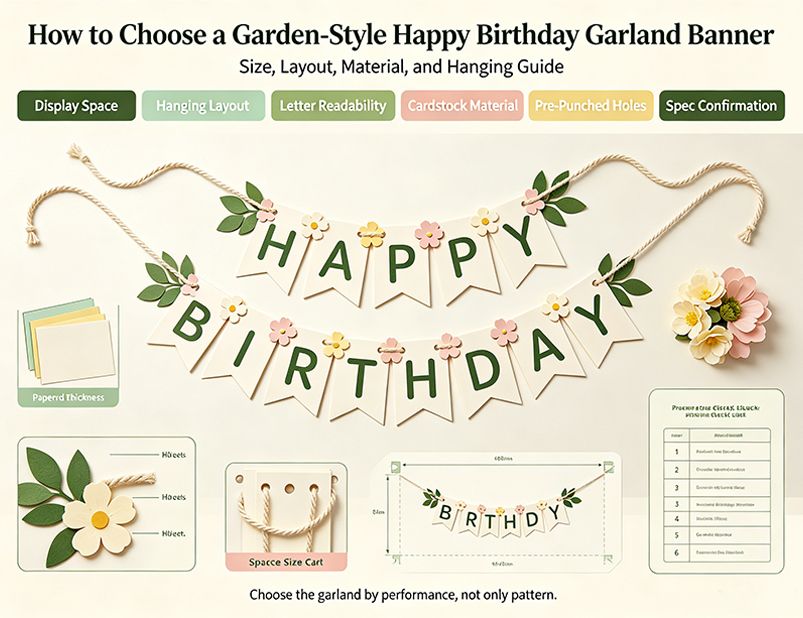
Paper-based banners are often suitable for indoor celebrations, birthday decorations and lightweight decorative arrangements. They can support printed illustrations, themed graphics and a wide range of color combinations.
Foil-based materials offer a more reflective appearance and may be selected when a metallic decorative effect is desired.
Other materials may be appropriate for specific display environments depending on their flexibility, weight and intended use.
The material should be selected according to the expected application rather than appearance alone.
For example, a banner intended for an indoor birthday party may not require the same material considerations as one intended for a large event entrance.
Buyers should clarify whether the product will be used indoors or outdoors and whether it needs to withstand repeated handling or temporary installation conditions.
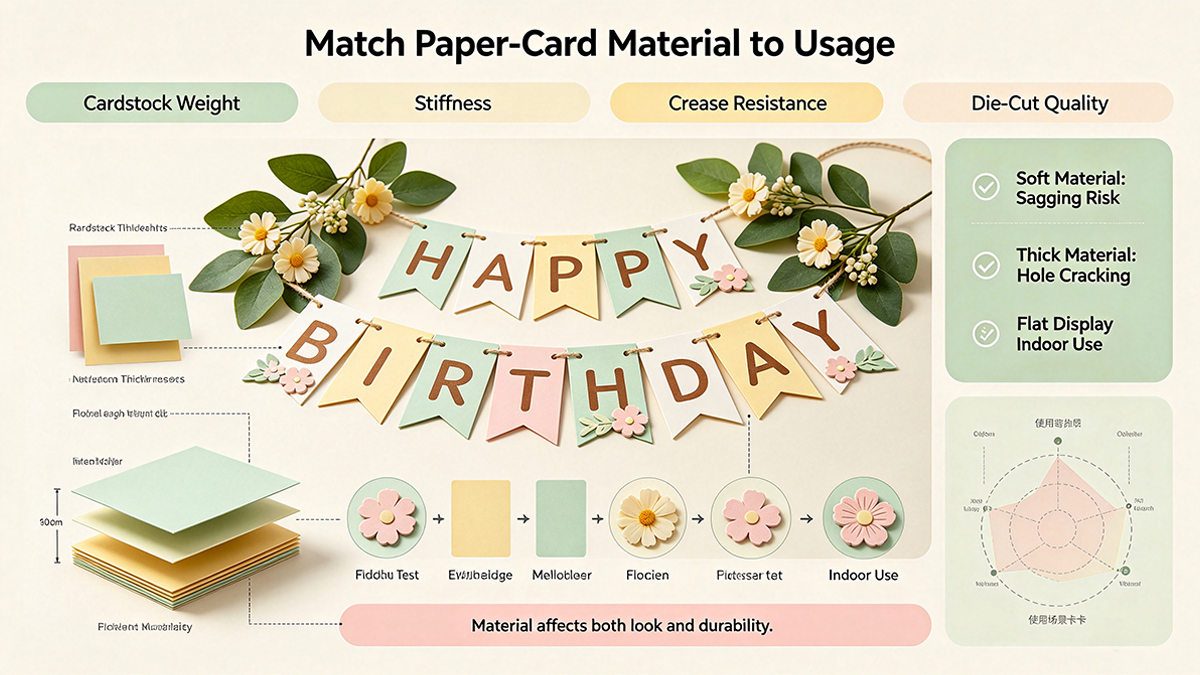
The way a banner is installed can influence both its appearance and ease of use.
Some banners use strings, ribbons or pre-punched holes, while others rely on adhesive or separate hanging accessories.
The most suitable method depends on the banner's material, weight, size and installation surface.
A lightweight paper banner may be easy to hang with a simple string, whereas a larger decorative piece may require a more suitable support arrangement.
Installation details should also be considered during the design stage.
For example, the position of holes, the length of the hanging string and the spacing between individual letters or panels can affect how evenly the banner is displayed.
Clear assembly instructions can help users avoid uneven positioning and unnecessary adjustments.
A party banner is often one of the most noticeable decorative elements in a celebration space.
Its colors, typography and illustrations should work with the surrounding decorations rather than compete with them.
For a birthday celebration, the design may reflect an age, character theme, color scheme or personal message.
For seasonal celebrations, the banner may use visual elements associated with the occasion.
Consistency does not mean that every decorative item must look identical. Instead, the main colors, graphic style and overall visual direction should complement one another.
For retailers and wholesalers, offering a variety of banner designs can help address different customer preferences and event applications.
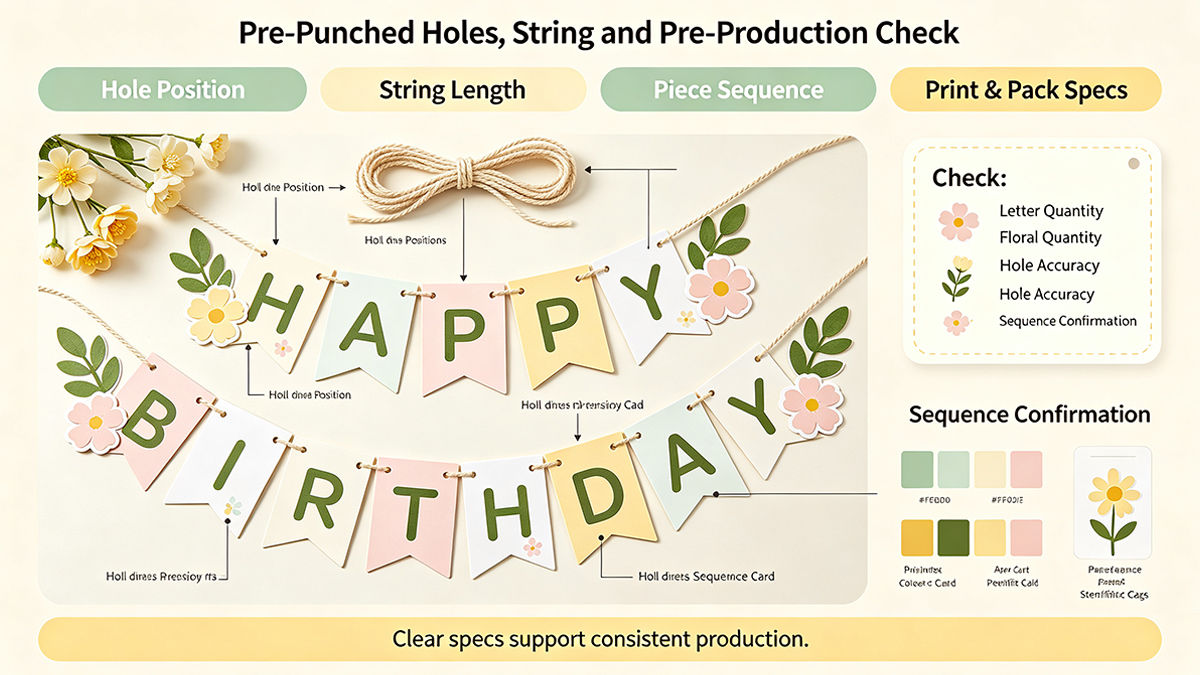
Once the design direction has been selected, buyers should confirm the technical specifications before placing a production order.
Important details include:
Finished banner width and height.
Material type and thickness.
Printing colors and artwork requirements.
Number of letters, panels or decorative components.
Hole positions and hanging accessories.
Individual packaging and outer carton specifications.
Artwork approval is particularly important. Buyers should check text spelling, graphic positioning, color arrangement and the final dimensions before mass production begins.
If the banner contains multiple individual pieces, the quantity and arrangement of those pieces should also be clearly documented.
A complete specification helps reduce misunderstandings between buyers and manufacturers and makes it easier to maintain consistency between approved samples and production orders.
Choosing the right party banner is a combination of visual planning and practical specification.
Display space, orientation, viewing distance, material, hanging method and design consistency all influence the final presentation.
For buyers, the best starting point is to understand where the banner will be used and what it needs to communicate. From there, dimensions, materials and artwork can be selected according to the intended application.
A well-planned banner does more than fill an empty wall. It helps establish the visual direction of a celebration and makes the decorative arrangement feel more complete.
 Big size decorative scented candle
 Christmas Scented Candles Gifts Sets for Women
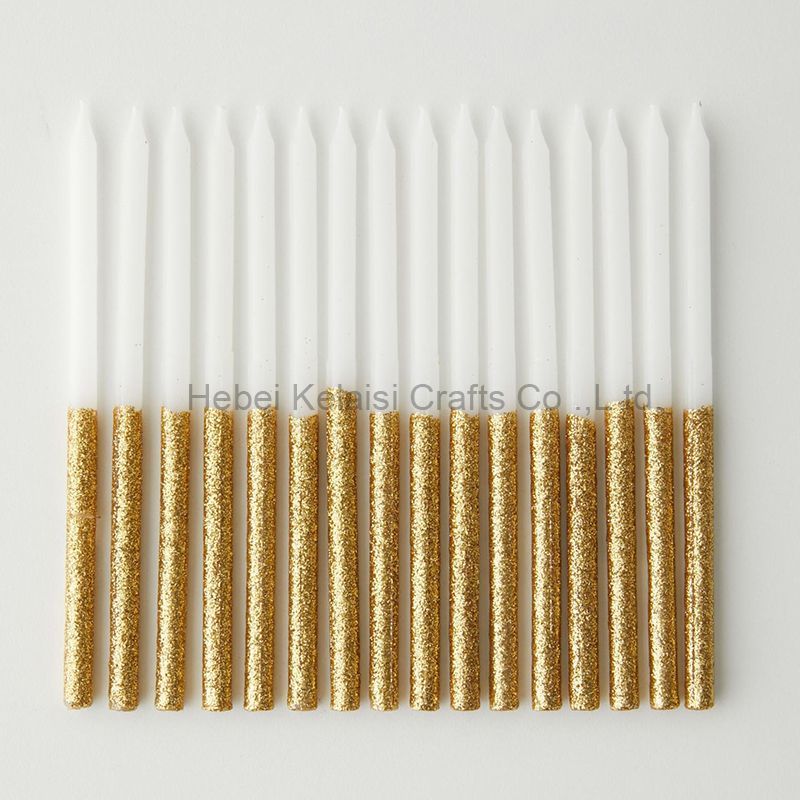 happy birthday long thin glitter cake candles
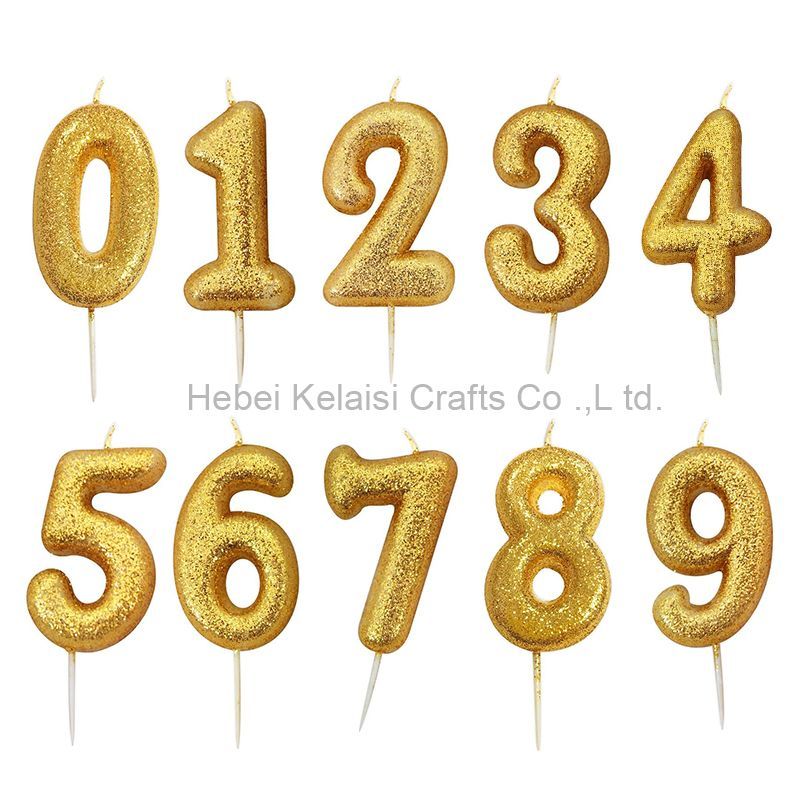 Luxury Golden Birthday Number Candle Sets
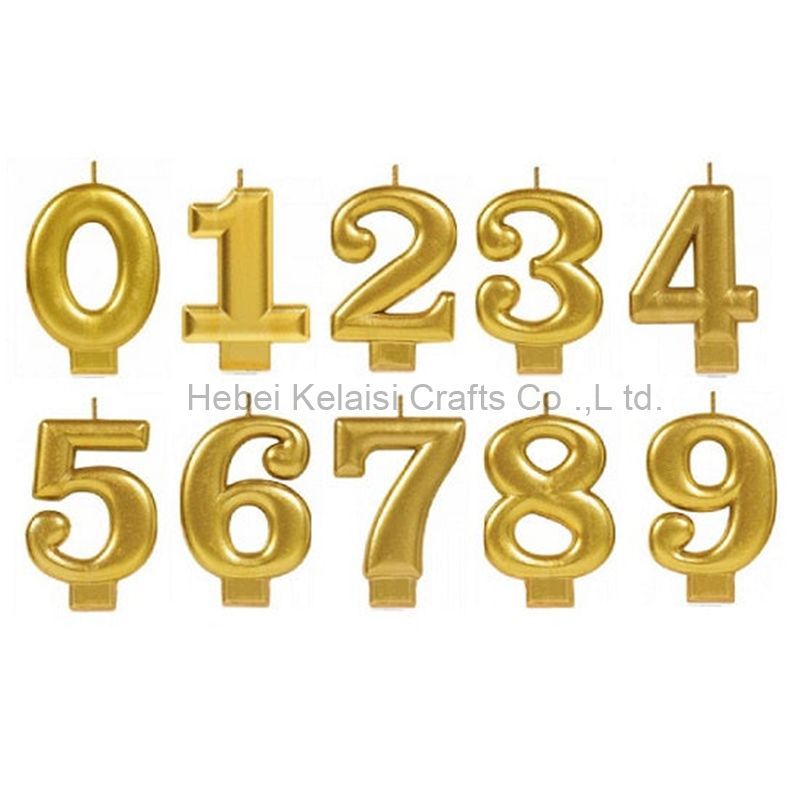 Fancy cake decoration number annual birthday candle
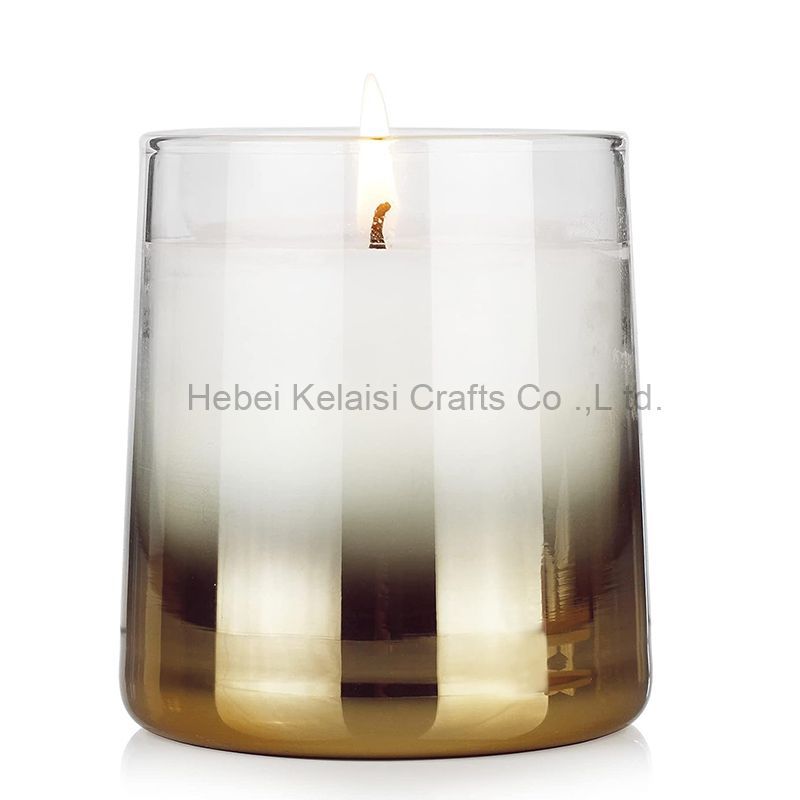 Gradient color Soy Wax Glass Jar Scented Candle
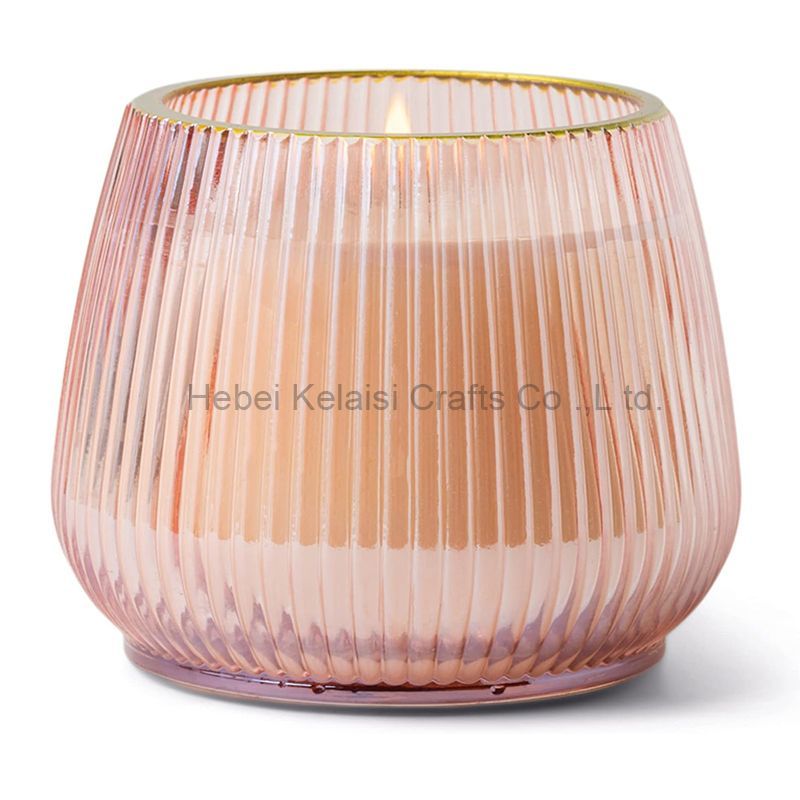 Origami Style Vertical Pattern Wine Glasses Jar Candles
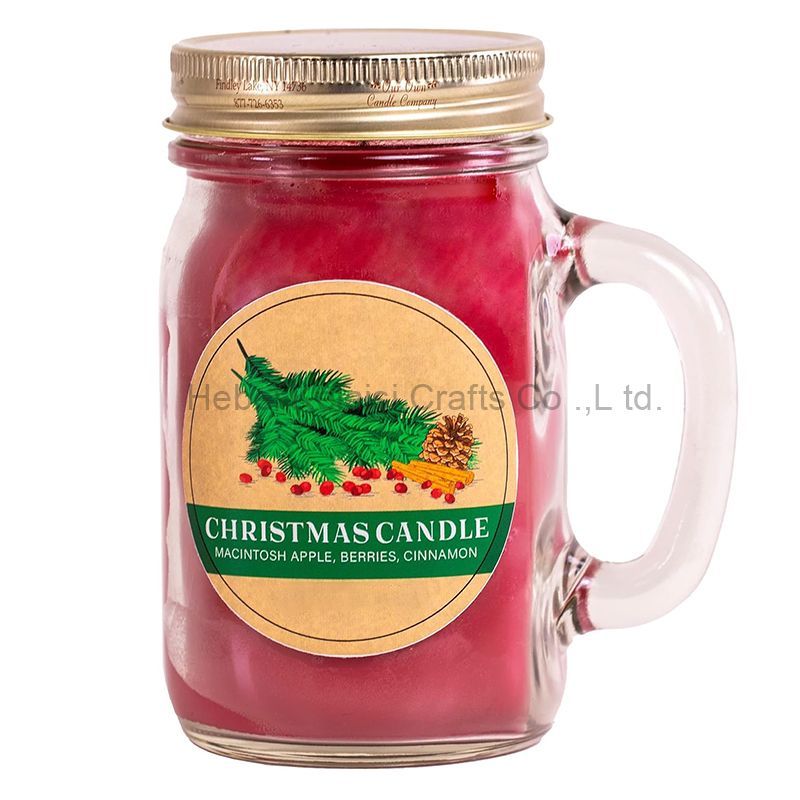 Custom Mini Glass Jar Scented Candle
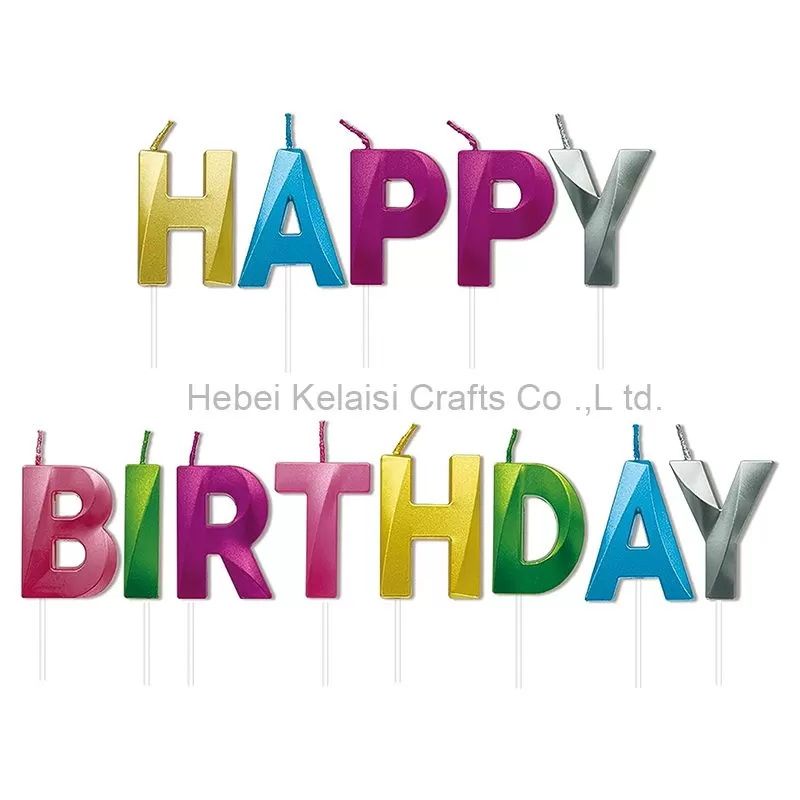 3D Letter Happy Birthday Candles
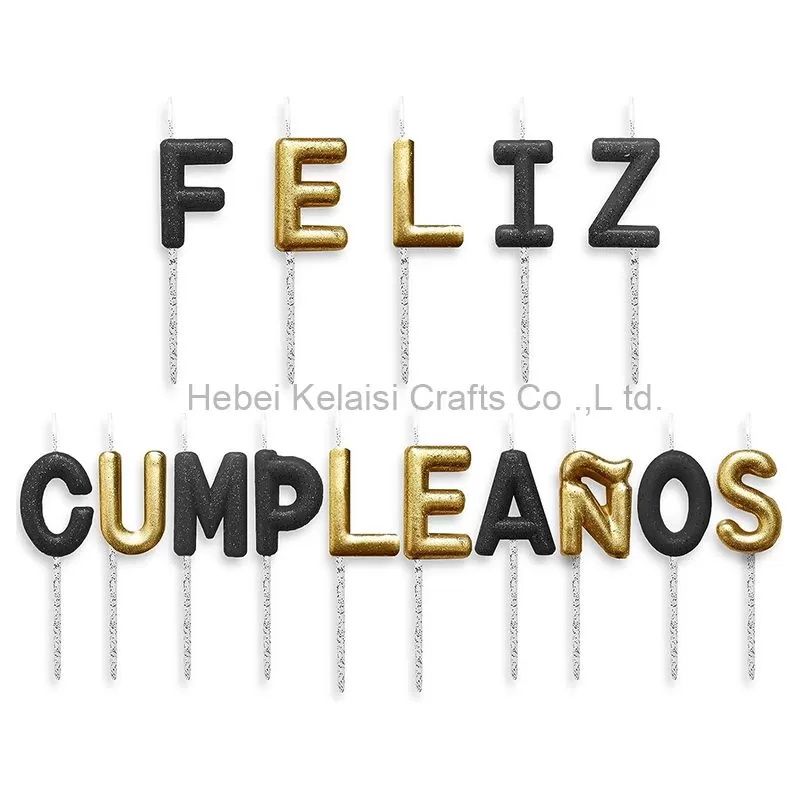 Decorative Birthday Candles
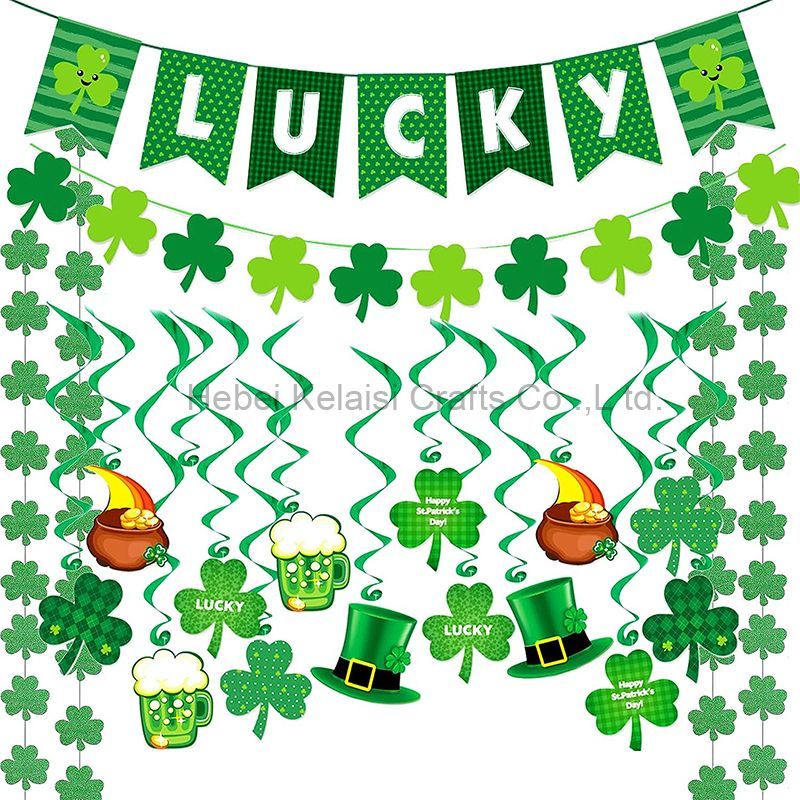 St. Patrick's Day Decorations Set
 Christmas Party Balloons Supplies