Oct. 28, 2026
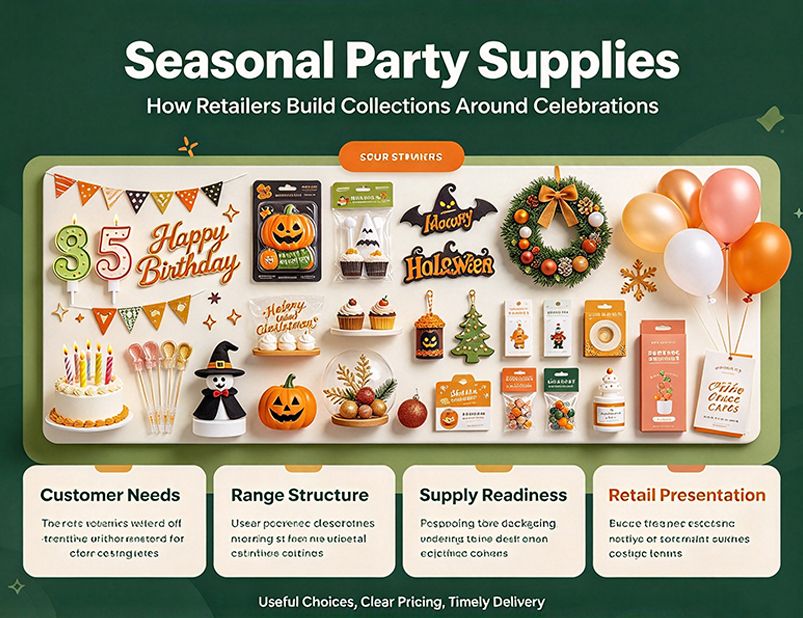
Seasonal celebrations create a familiar challenge for retailers: shoppers may only need certain products for a few weeks, but they still expect enough choice to make the occasion feel special. For party supplies buyers, the challenge is not simply deciding which products to stock. It is putting together an assortment that makes sense for different budgets, spaces and ways of celebrating.
Halloween offers a useful example. In the UK, Aldi announced a 2026 seasonal range that included decorations, lighting, costumes and craft activities, with prices starting at 99p. The collection was scheduled to arrive in stores on 27 September. It was one retailer’s approach, rather than proof of a market-wide shift, but it illustrates a practical point: seasonal ranges can bring together products at different prices and for different uses.
That principle applies well beyond Halloween. From birthday parties to Christmas gatherings, retailers need to consider how individual products work together and how long they have to sell them.
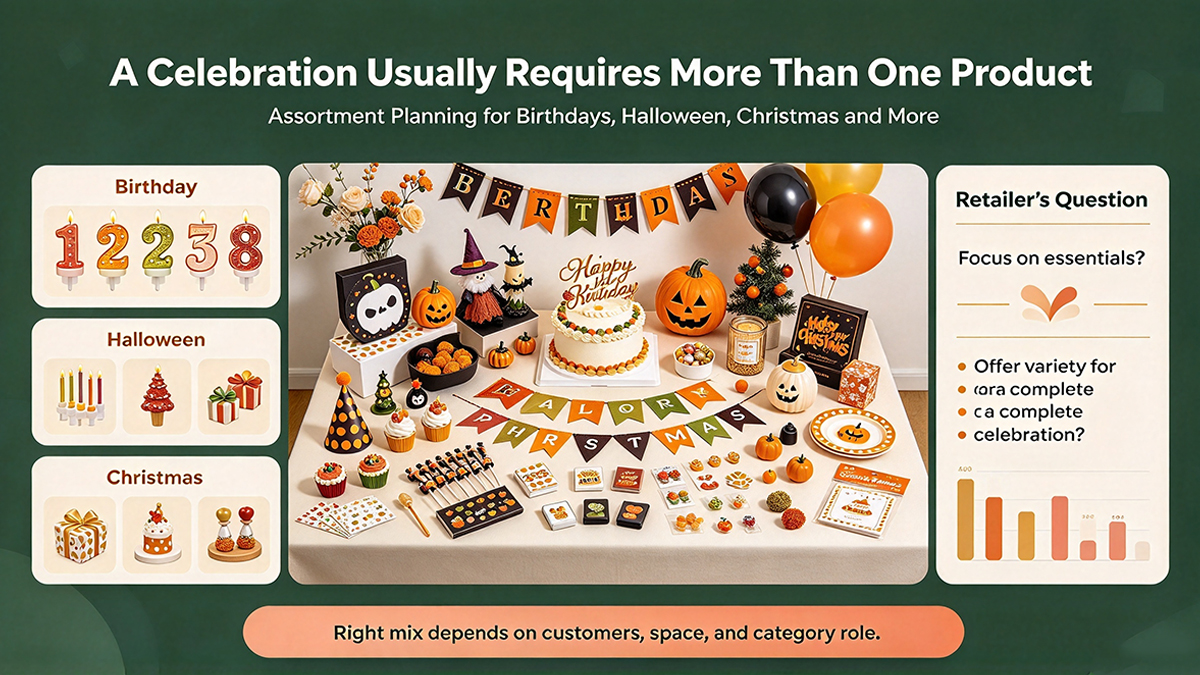
A shopper preparing for a birthday party might begin with a cake topper or a pack of candles. Before long, the shopping list may include table decorations, banners, balloons, party hats and small accessories for guests.
The same pattern can appear during other celebrations. Halloween shoppers may look for costumes alongside decorations, while Christmas shoppers may combine ornaments, table accessories and items for entertaining.
For retailers, this creates an assortment-planning question. Should a category focus on a few dependable essentials, or offer enough variety for shoppers to put together a more complete celebration?
There is no single answer. A small shop with limited shelf space may need a tighter selection, while a larger retailer can accommodate more designs and product types. The right mix depends on the customer base, available space and the role the category plays in the wider business.
For suppliers, understanding that context is more useful than simply presenting a long list of available products. Buyers need to see how an item fits the intended assortment, which customer it serves and whether it adds something that the existing range lacks.
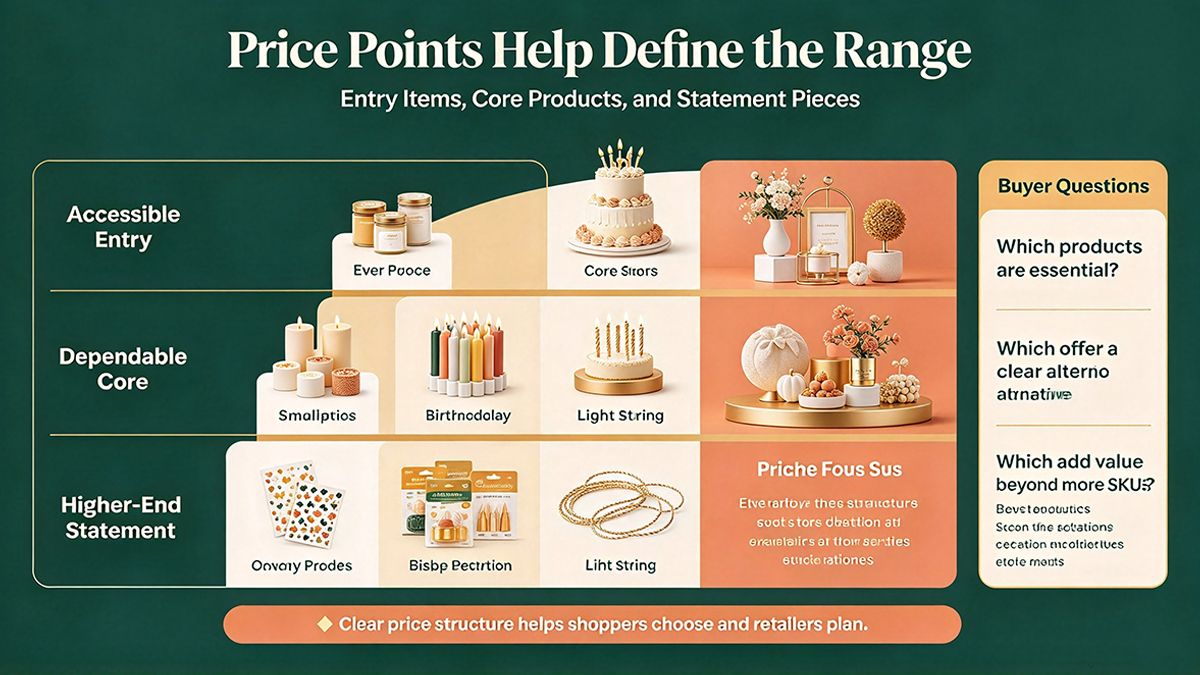
Price is another practical consideration. Not every shopper approaches a celebration with the same budget, and not every product needs to serve the same purpose.
A seasonal range might include small, inexpensive decorations alongside larger items intended to create a focal point. The lower-priced products offer an accessible way to take part in the occasion; more substantial decorations give shoppers the option to spend more on a particular feature.
The important point is not to include as many price levels as possible. It is to make sure the assortment has a clear structure.
If several products serve almost the same purpose at similar prices, they may compete for the same customer without giving shoppers a meaningful reason to choose between them. On the other hand, a well-planned selection can offer different sizes, designs or uses without becoming unnecessarily complicated.
Party supplies buyers can start by asking three straightforward questions: Which products are essential? Which items offer a clear alternative? And which products add value to the collection rather than simply increasing the SKU count?
These questions are relevant to birthday candles as well. A retailer might need a dependable core selection of number candles, while adding themed or decorative designs for shoppers looking for something more distinctive. The appropriate balance will vary by retailer and market; it should be based on customer demand and sales information, not assumption alone.
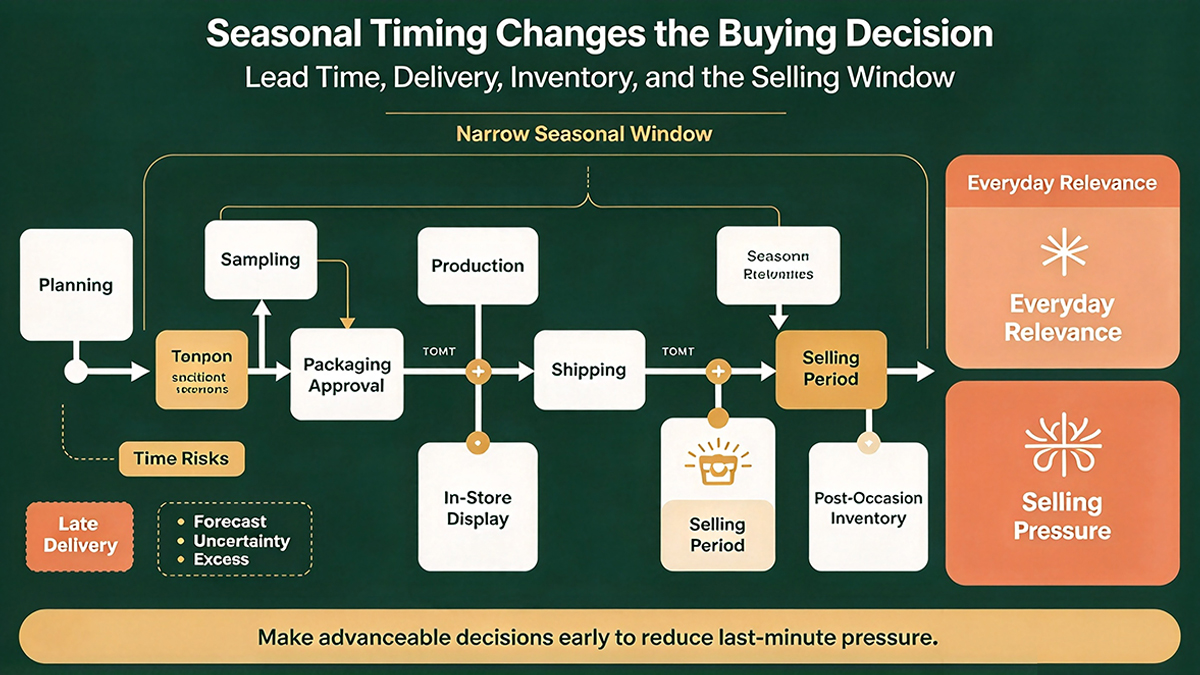
Seasonal merchandise has a different timetable from everyday products.
A birthday candle range may remain relevant throughout the year, even if demand varies by season. Halloween decorations, however, have a much narrower selling window. Christmas products also need to reach stores well before the main shopping period, giving consumers time to plan and purchase.
This puts pressure on several parts of the supply chain. Retailers need to confirm product selections, quantities and delivery schedules early enough to prepare for the selling period. Suppliers need to allow time for sampling, packaging approval, production and shipping.
Late delivery can leave a retailer with too little time to sell a product. Excess inventory can create a different problem once the occasion has passed. These risks make planning particularly important when products are designed for a specific holiday or theme.
Not every seasonal item needs the same lead time. Existing designs may be easier to replenish than newly developed products, while customised packaging or coordinated assortments may require additional preparation. Buyers and suppliers benefit from identifying these differences before committing to a schedule.
The aim is not to eliminate uncertainty. Demand can change, and forecasts are never perfect. It is to make the decisions that can be made in advance, leaving fewer avoidable problems close to the selling date.

A good assortment can still be difficult to shop if customers cannot quickly understand the differences between products.
Packaging, colour coordination, product naming and clear labelling all help shoppers navigate a seasonal range. For products intended to be used together, visual consistency can make it easier for customers to combine items without buying a preassembled kit.
This is particularly relevant to retailers carrying multiple party themes. A range may include decorations for children’s birthdays, milestone celebrations, baby showers and seasonal events. Each group has its own purpose, and the presentation should help customers identify the right products without making the overall selection confusing.
Suppliers can support this process by providing clear product information, consistent packaging specifications and images that accurately represent the goods. These details may seem less exciting than a new design, but they can make a real difference to how easily a product is evaluated and presented for sale.
For buyers, the question is whether the product will work on the shelf as well as it does in a catalogue or sample room.
Before committing to a seasonal or celebration-focused assortment, buyers can review four areas.
Customer needs: What are shoppers actually looking for? Existing sales, customer enquiries and feedback are more reliable starting points than assumptions about what might become popular.
Range structure: Does the selection cover the essential uses and price points without becoming repetitive? More SKUs do not automatically create a stronger category.
Supply readiness: Can products be sampled, approved, manufactured and delivered within the required timeline? New designs and customised packaging may need more preparation than established items.
Retail presentation: Can shoppers understand the range quickly? Clear packaging, useful product information and a logical grouping of related items can help customers compare options.
These considerations are not limited to large chains. Independent retailers and smaller distributors also need to balance product variety, available cash, storage space and delivery schedules. The scale of the operation may differ, but the underlying decisions are much the same.
Seasonal retail is often discussed in terms of new designs and changing consumer tastes. Those factors matter, but the less visible work behind a range deserves attention as well.
Retailers need products that suit their customers, fit the available space and arrive in time for the occasion. Suppliers need to understand the role each product is expected to play and the practical requirements attached to it.
Aldi’s 2026 Halloween announcement provides one concrete example of a retailer combining different product types and price points for a specific selling period. It does not establish what all retailers are doing, nor does it reveal which products performed best. Its value here is more modest: it gives us a real assortment to examine.
For party supplies businesses, the broader lesson is straightforward. A successful range is not necessarily the largest one. It is a considered collection of products that gives shoppers useful choices, makes sense for the retailer and can be delivered when demand is expected.
That is the work behind a seasonal display long before the first customer sees it.
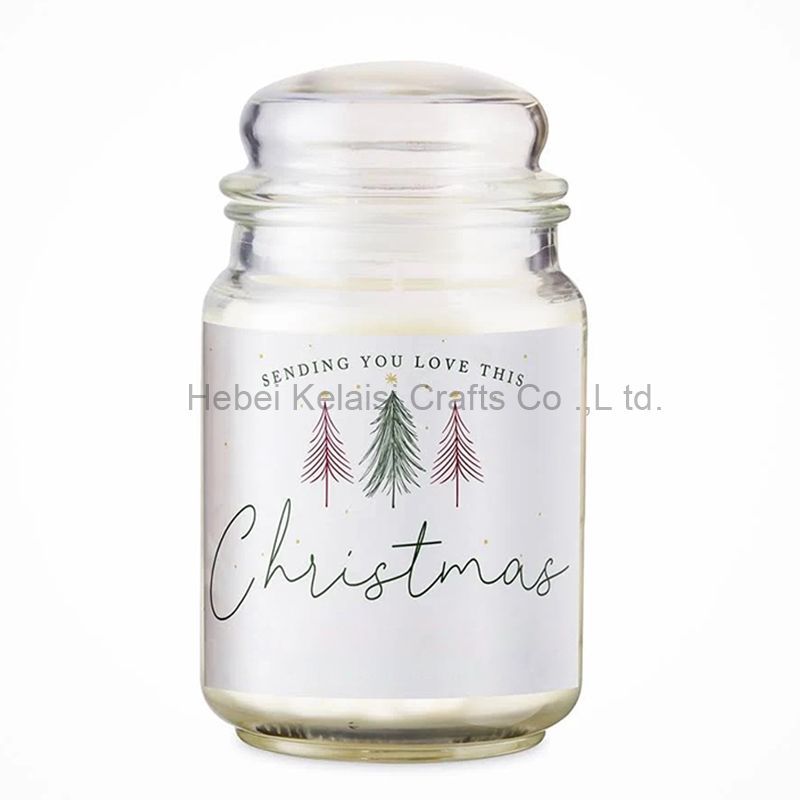 Big size decorative scented candle
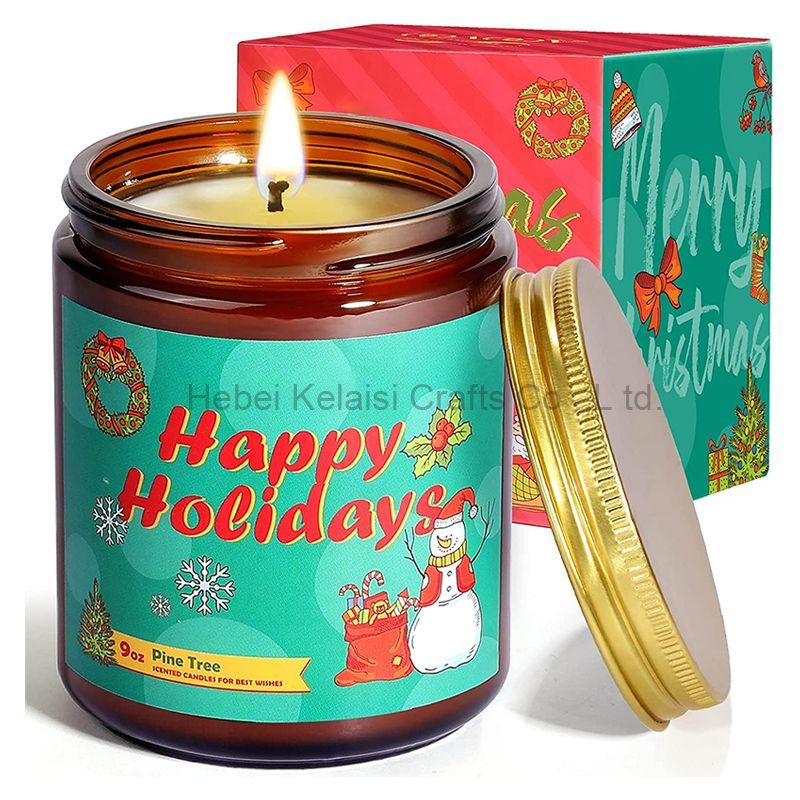 Christmas Scented Candles Gifts Sets for Women
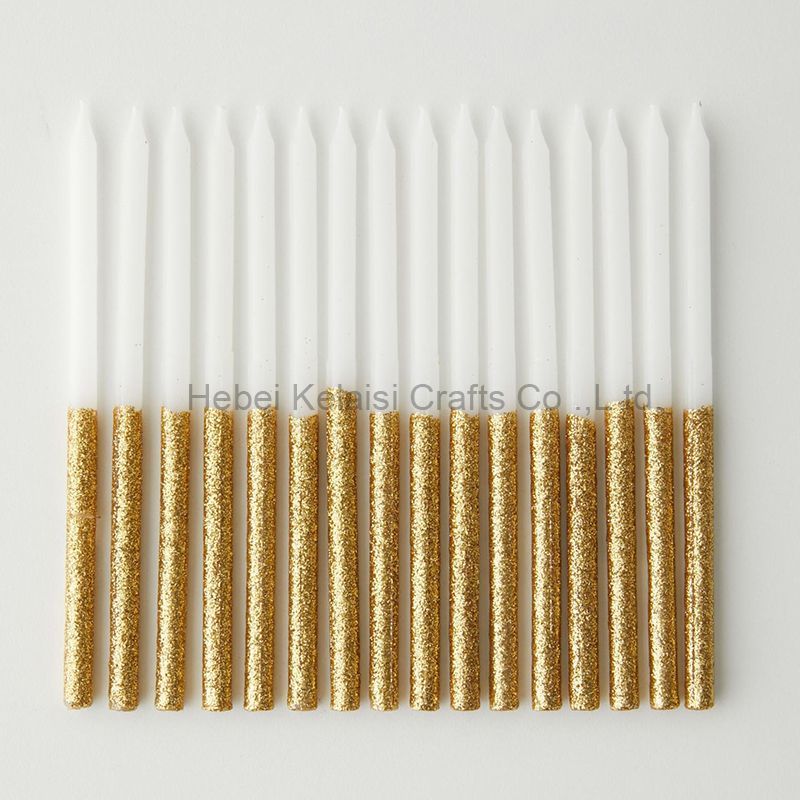 happy birthday long thin glitter cake candles
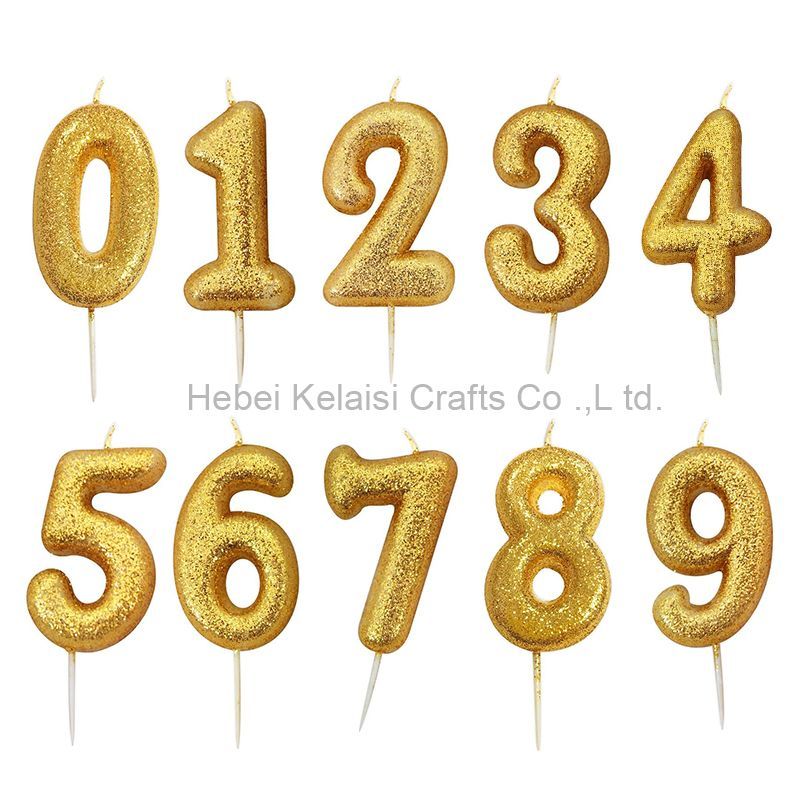 Luxury Golden Birthday Number Candle Sets
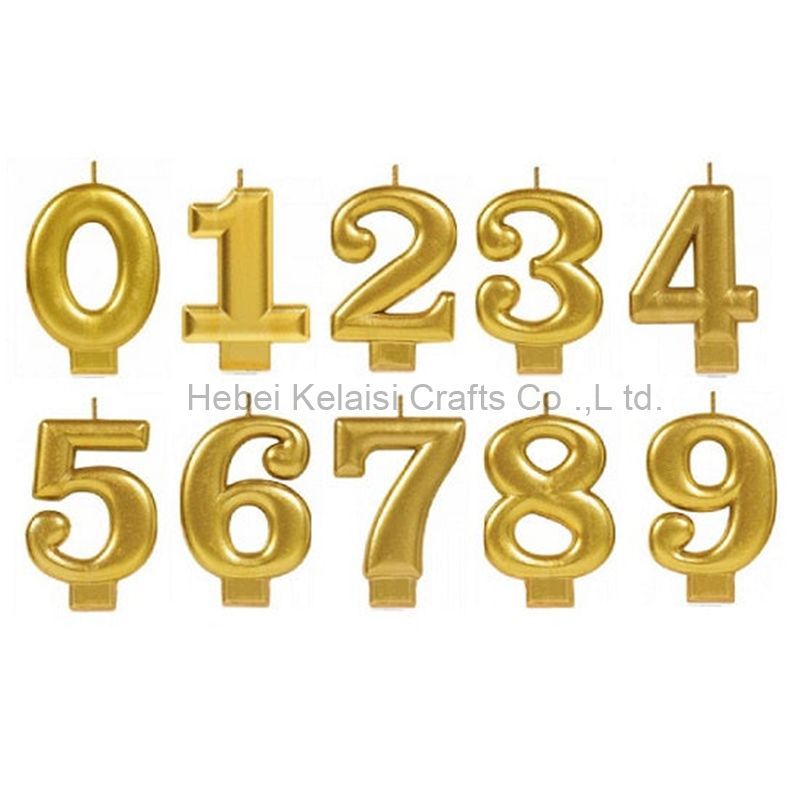 Fancy cake decoration number annual birthday candle
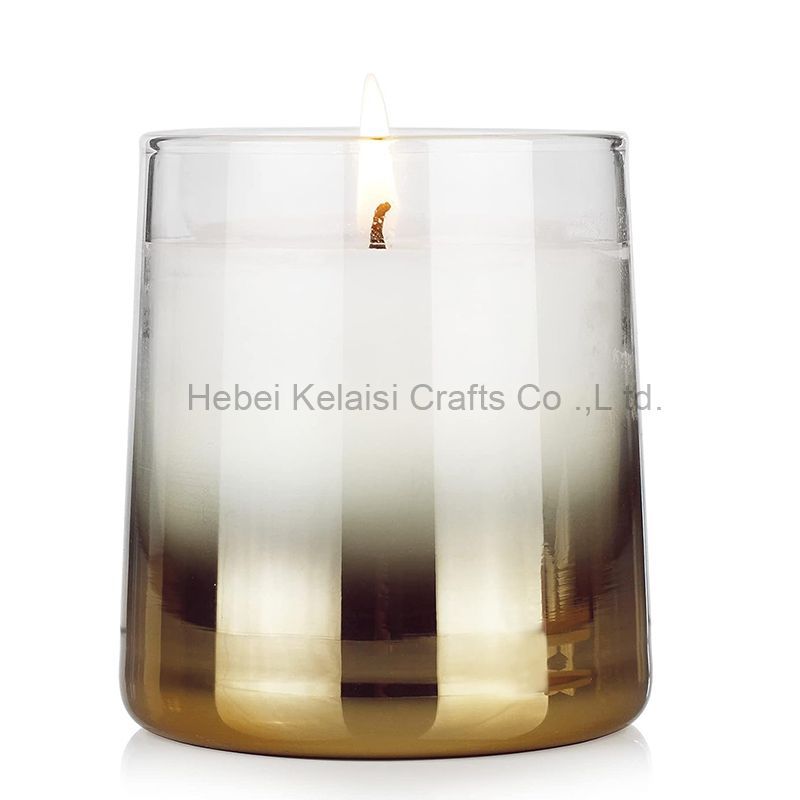 Gradient color Soy Wax Glass Jar Scented Candle
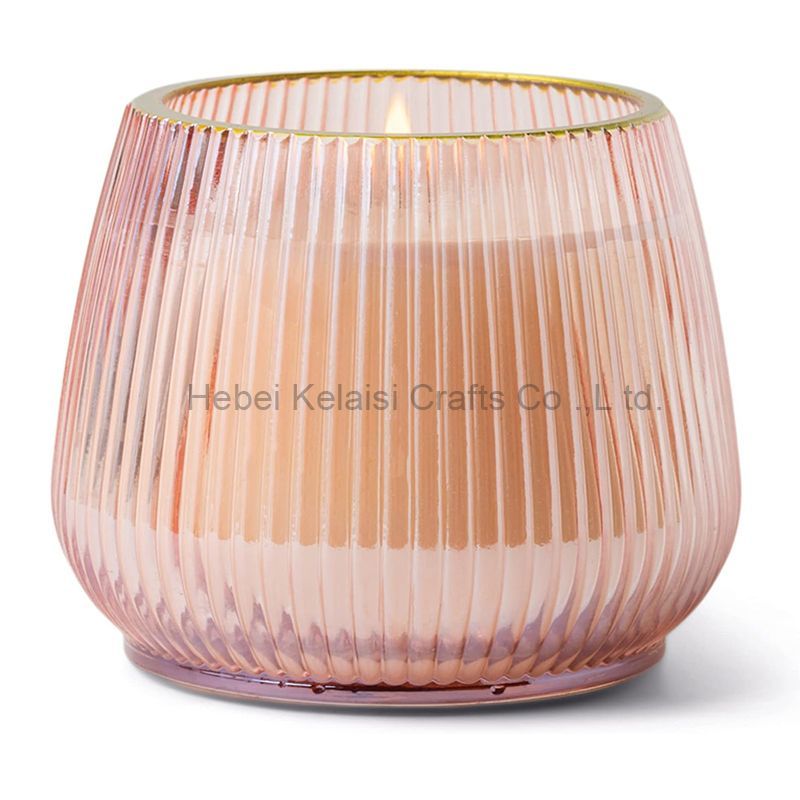 Origami Style Vertical Pattern Wine Glasses Jar Candles
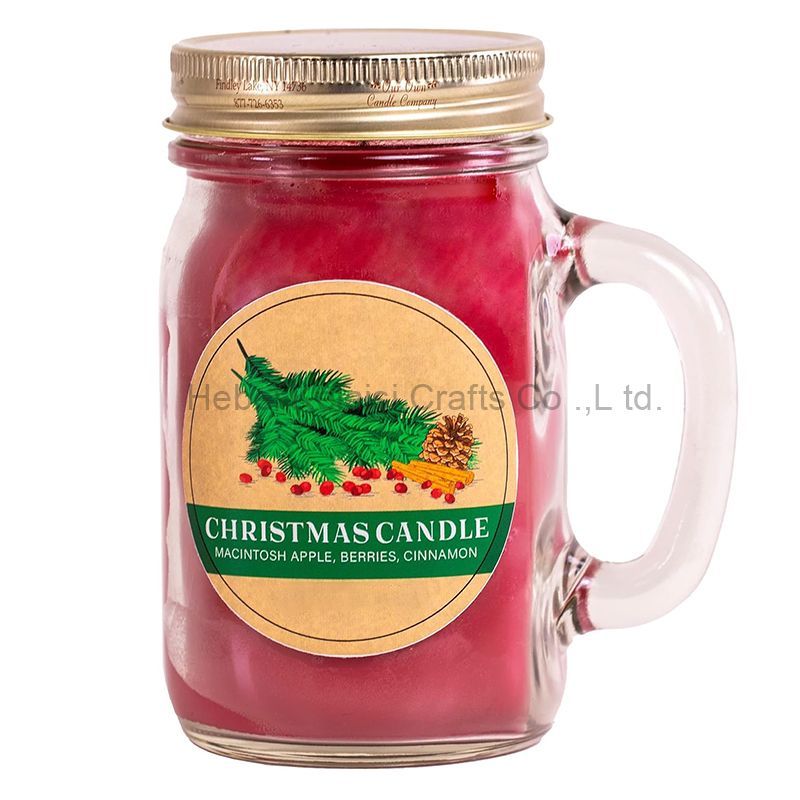 Custom Mini Glass Jar Scented Candle
 3D Letter Happy Birthday Candles
 Decorative Birthday Candles
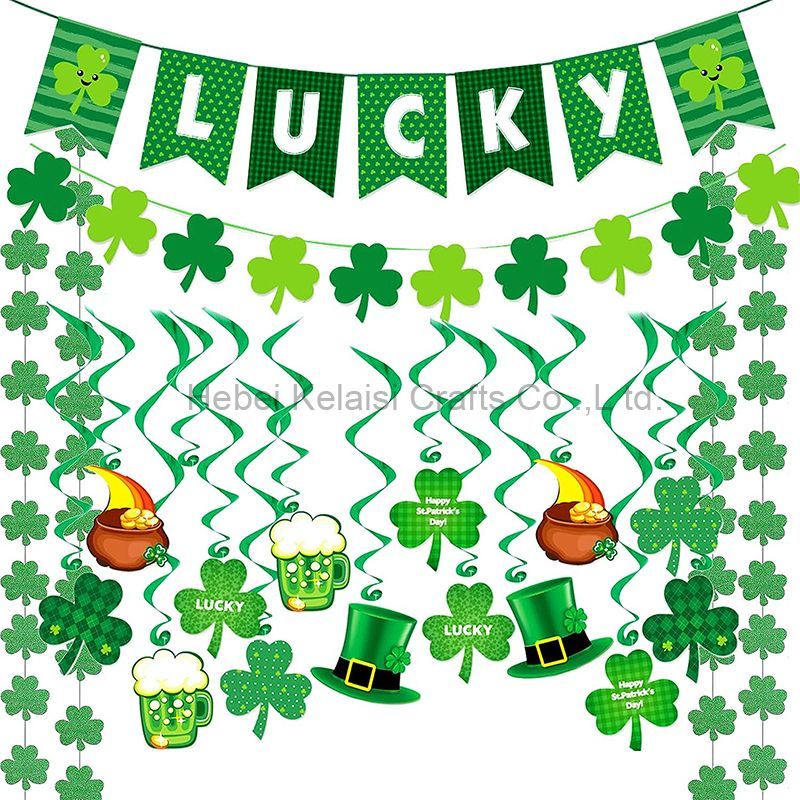 St. Patrick's Day Decorations Set
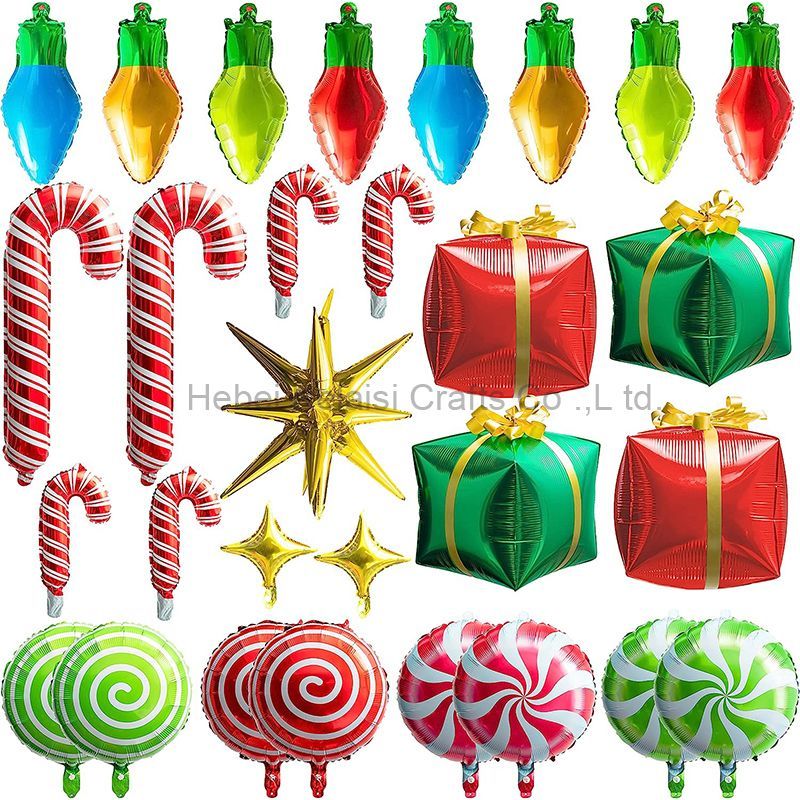 Christmas Party Balloons Supplies