Jul. 15, 2026
Timing is everything in party supplies.
Unlike standard consumer goods, party supplies are driven by events. Celebrations happen on specific dates. Retailers that miss the buying window miss the entire season. There is no second chance for Halloween in November.
For buyers sourcing from overseas, the challenge is not just knowing which dates matter. It is understanding when to order. The lead time from factory to shelf is measured in months, not weeks. A buyer who waits until August to order Christmas candles is already too late.
Here is a month-by-month guide to the party supplies sourcing calendar — and what buyers need to know at each stage.
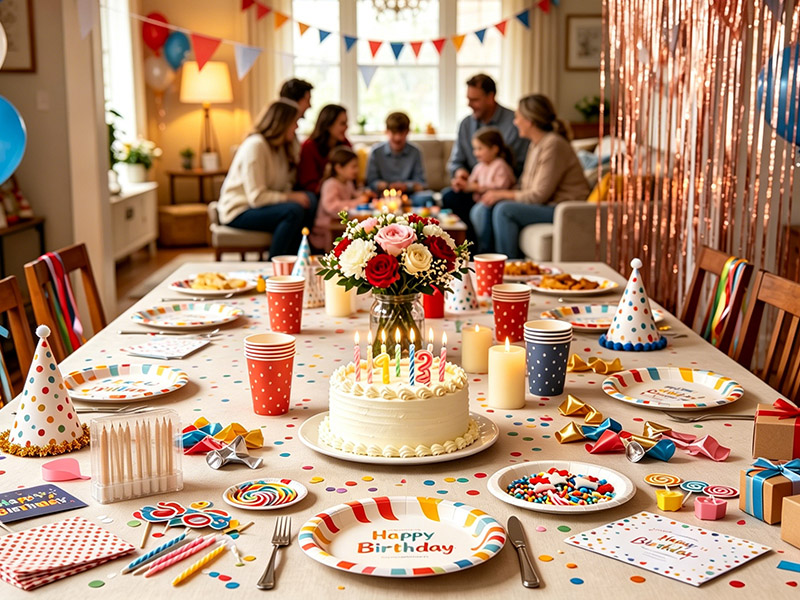
Party supplies follow a predictable pattern. For major holidays, buyers should be placing orders 3 to 6 months in advance. For seasonal peaks, production slots fill up early. Factories that can handle multi-SKU, high-volume orders are booked first. Buyers who wait are left with the suppliers who had spare capacity — and there is usually a reason they had spare capacity.
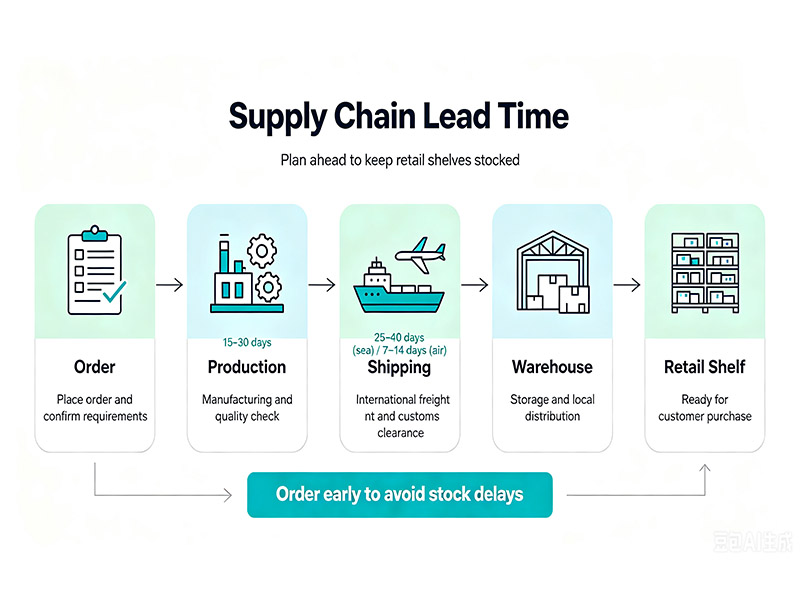
For time-sensitive retail windows, production lead times vary. Simple disposable items take 15–20 days. Complex items like illuminated decorations may take up to 30 days. Shipping adds another 25–40 days by sea or 7–14 days by air. A buyer who does not account for both production and shipping will miss the window entirely.
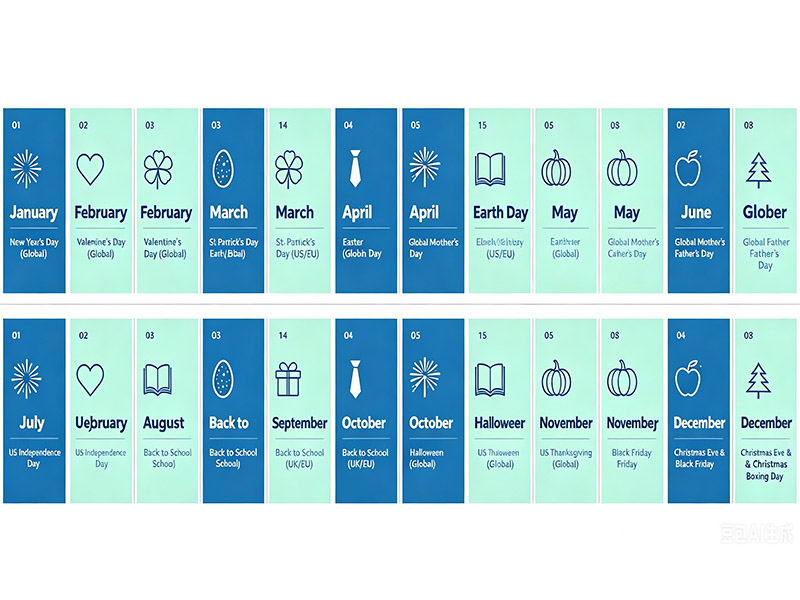
The year starts with a pause. January is slow. Retailers are clearing post-holiday inventory. But the pause is brief. Super Bowl Sunday, typically in February, is the first major demand signal of the year. Super Bowl watch parties drive demand for team-themed decorations, snacks, and party supplies. This is not a massive volume driver, but it is the first sign that the party season is returning.
February also brings Valentine's Day. Pink, red, heart-themed decorations, party supplies, and gift packaging all spike. This is a mid-tier holiday by volume, but it matters for buyers serving retailers with seasonal party sections.
March brings St. Patrick's Day on March 17. Green-themed party supplies, decorations, and tableware dominate. This is smaller than Valentine's Day but still a predictable annual demand driver.
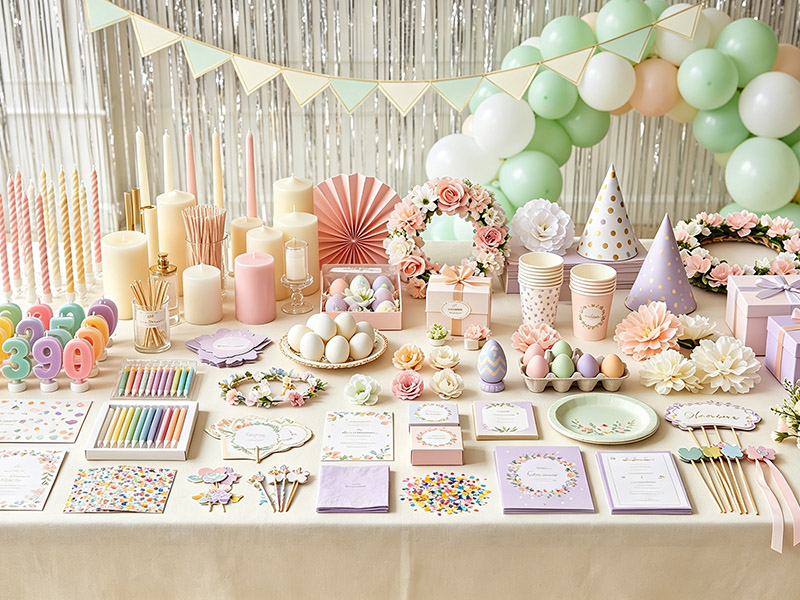
April marks the start of the serious buying season. Easter falls in April in 2026. This is a major holiday across the US and Europe. Demand includes egg decorations, bunny-themed party supplies, spring tableware, and pastel-colored decor.
More importantly, April is when buyers need to start thinking about summer. May through September is wedding season in the US and Europe. This is a sustained, high-volume demand driver that spans five months. Wedding party supplies include place cards, table decorations, guest favors, cake toppers, and themed backdrops. Unlike a single holiday, wedding season runs for months — but the buying window is narrow. Wedding items often require customization, which adds production time. Buyers who do not plan ahead for wedding season will not have product in time for the June-July peak.
May is Mother's Day in most markets. Demand includes gift packaging, floral-themed party supplies, and celebration items for family gatherings. June is Father's Day, plus the start of graduation season. "Graduation" themed party supplies are a significant driver in English-speaking markets from April through June. Items include themed decorations, balloons, cake toppers, and party favors.
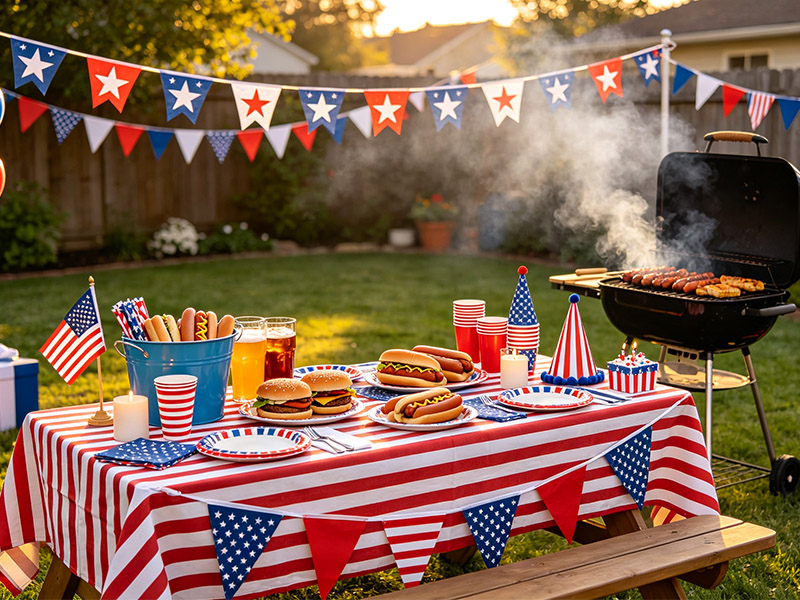
July has two major events. July 4 is US Independence Day. Demand is high for patriotic-themed decorations, outdoor party supplies, red-white-blue color schemes, and barbecue accessories. This is one of the largest single-day party events in the US.
August is when buyers need to shift focus to the holiday season. Back-to-school is a steady demand driver, but the bigger signal is Christmas. Major retailers and distributors begin placing holiday orders in July and August. The best holiday items sell out by October, and customization timelines grow longer every year. By August, buyers should have their Q4 plans locked in.
September is the last safe window for placing Q4 orders. After September, production slots are fully allocated, and shipping timelines become risky. Buyers who wait until October to order Christmas candles are playing with fire.
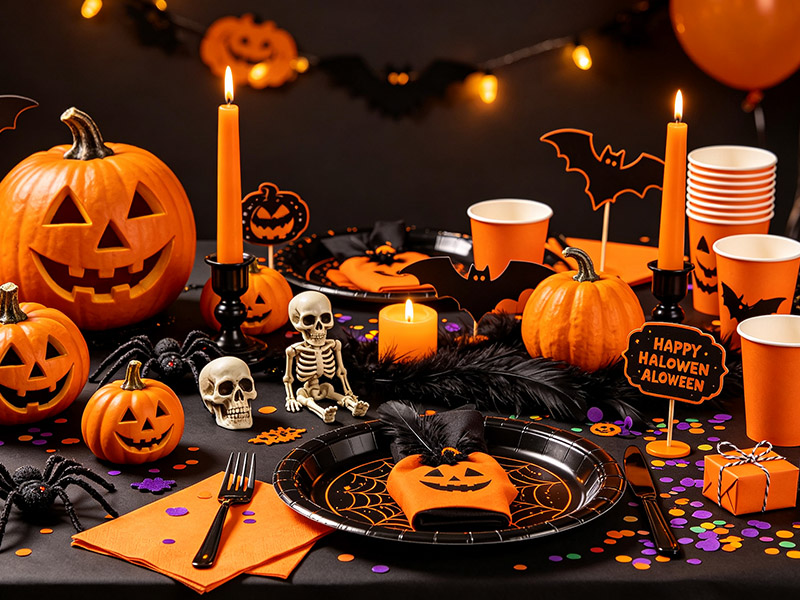
October has two critical events: Halloween and the holiday pre-season. Halloween on October 31 is the second-largest party event in the US. Demand includes costumes, decorations, themed party supplies, and candy packaging. Hall and seasonal items should have been ordered two months earlier. By October, buyers are in the final delivery window.
November is the biggest retail month of the year. Thanksgiving, Black Friday, and Cyber Monday drive massive demand across retail. For party supplies, Thanksgiving means tableware, decorations, and hosting items.
December is Christmas and New Year's Eve. For buyers, December is execution month. Product should already be on shelves. The only orders placed in December are emergency fill-ins. The buying window for Christmas closed in August — and if it did not, the chance to order is already gone.
Not everything is seasonal. Three categories provide consistent, year-round demand:
Birthdays account for approximately 42% of party supplies consumption. Birthday party supplies move every week of the year. Number candles, themed decorations, and party favors are recurring, high-volume items that buyers should never be out of stock on.
Weddings drive sustained demand from May through September. This is not a spike — it is a season, and buyers who treat it as one will capture more volume.
Baby showers and baptisms are event-driven but spread throughout the year, with some regional concentration in warmer months.

Three takeaways for anyone sourcing party supplies for US and European retail.
1. Lead time is a competitive advantage.
Buyers who plan 3–6 months ahead secure better production slots, better pricing, and better shipping options. Buyers who wait pay rush fees, accept slower shipping, and get whatever is left in inventory.
2. Understanding the calendar helps manage inventory.
Seasonal items have predictable timelines. Buyers who know when each holiday demand period begins and ends can manage stock levels more effectively, avoiding both stockouts and excess inventory.
3. The buying window is narrower than most buyers assume.
Production lead times plus shipping times mean orders for Q4 holidays need to be placed in July or August. Waiting until September introduces significant risk. By October, capacity is already allocated.
The party supplies market is event-driven. Events happen on fixed dates. The buying window for each event is fixed too — and it is measured in months, not weeks.
Buyers who understand this calendar will secure consistent supply and avoid the stress of last-minute sourcing. Buyers who do not will always be late, always be paying rush premiums, and always be competing for leftover capacity.
The calendar is predictable. The question is whether suppliers and buyers are ready for it.
 Big size decorative scented candle
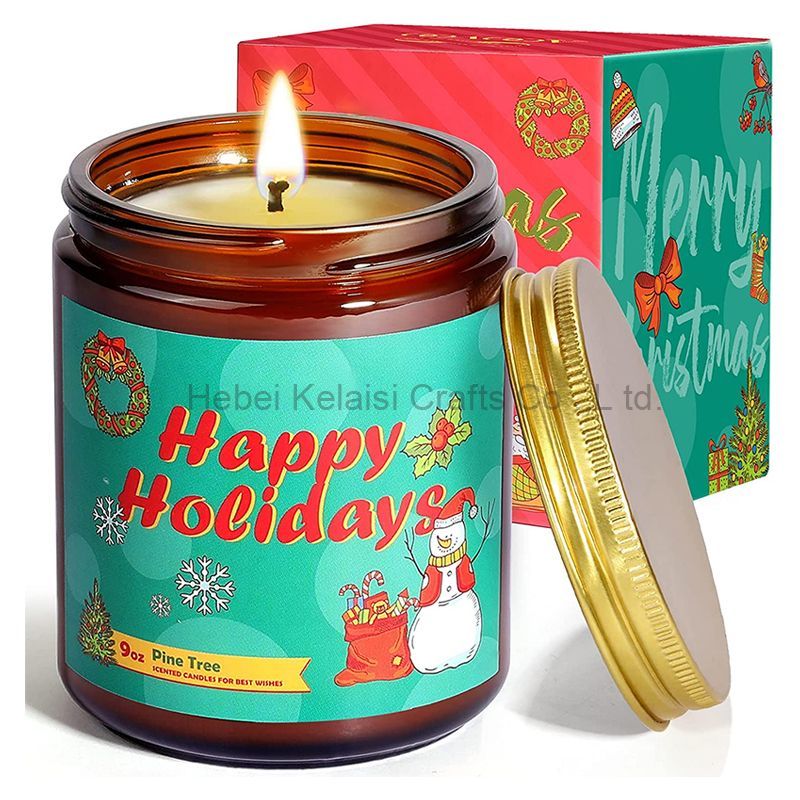 Christmas Scented Candles Gifts Sets for Women
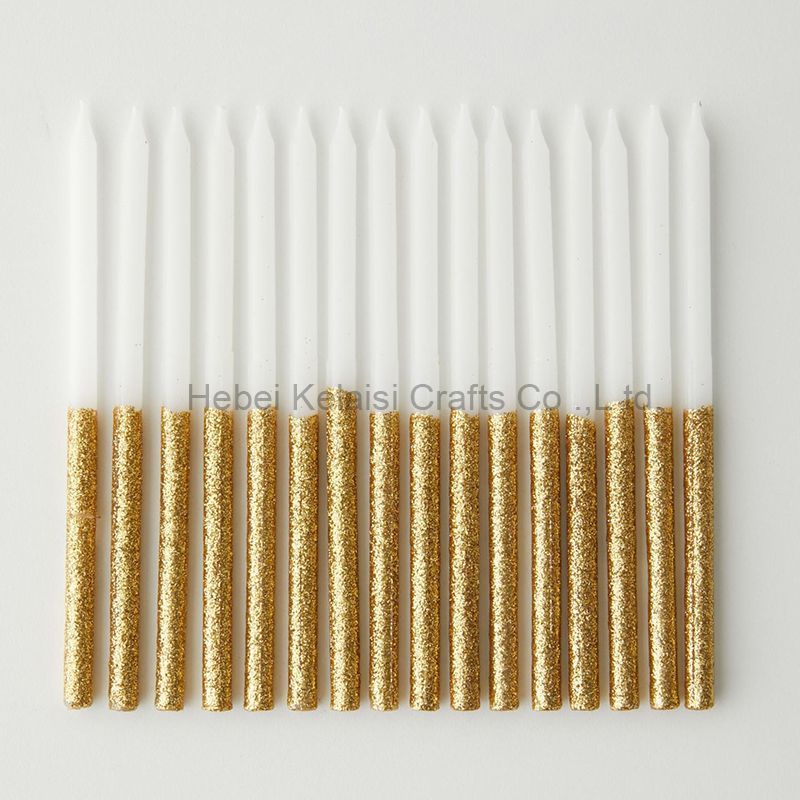 happy birthday long thin glitter cake candles
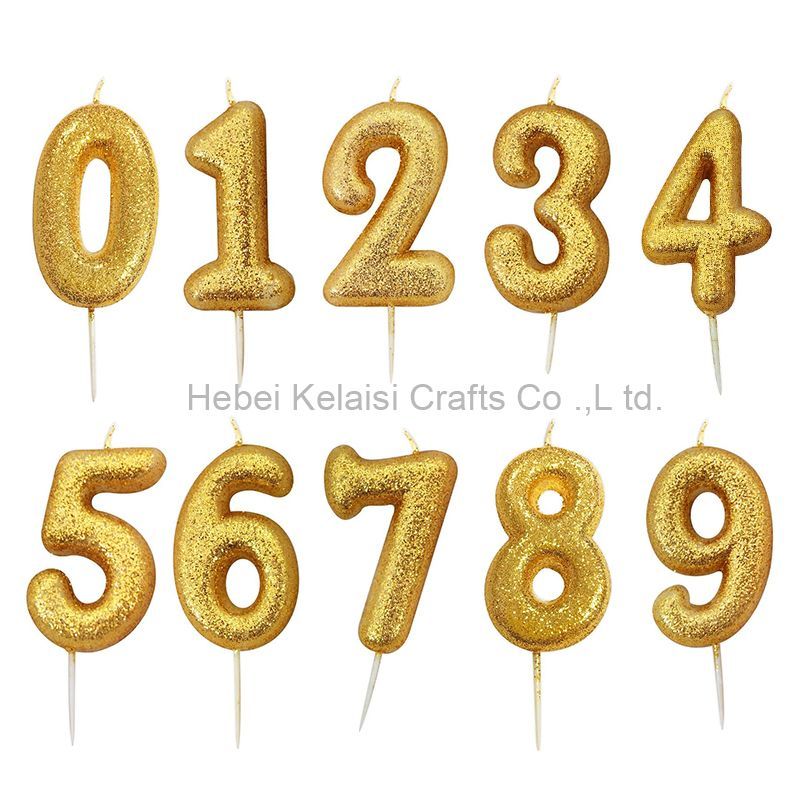 Luxury Golden Birthday Number Candle Sets
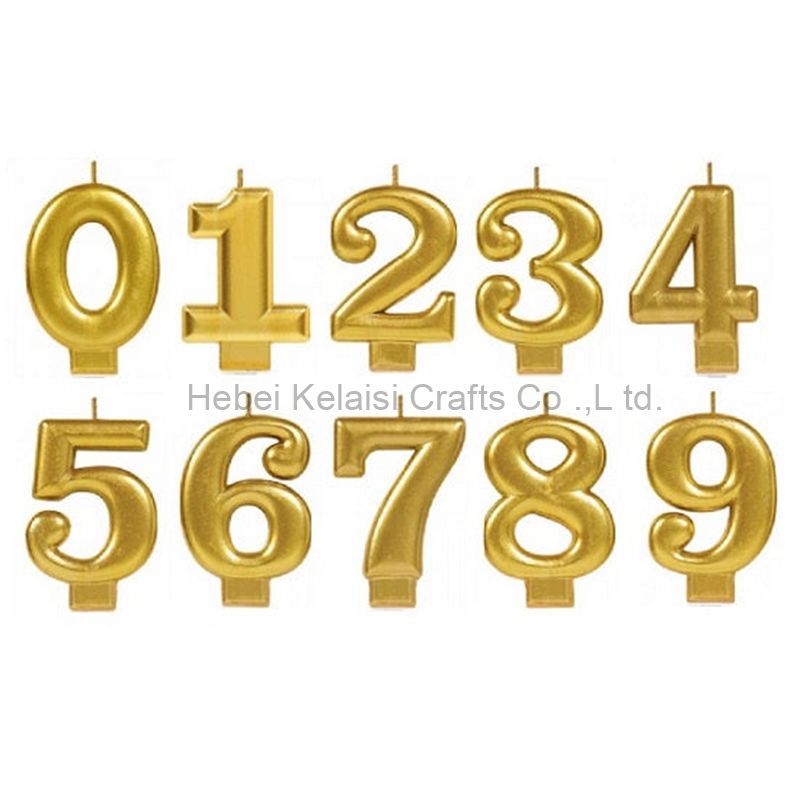 Fancy cake decoration number annual birthday candle
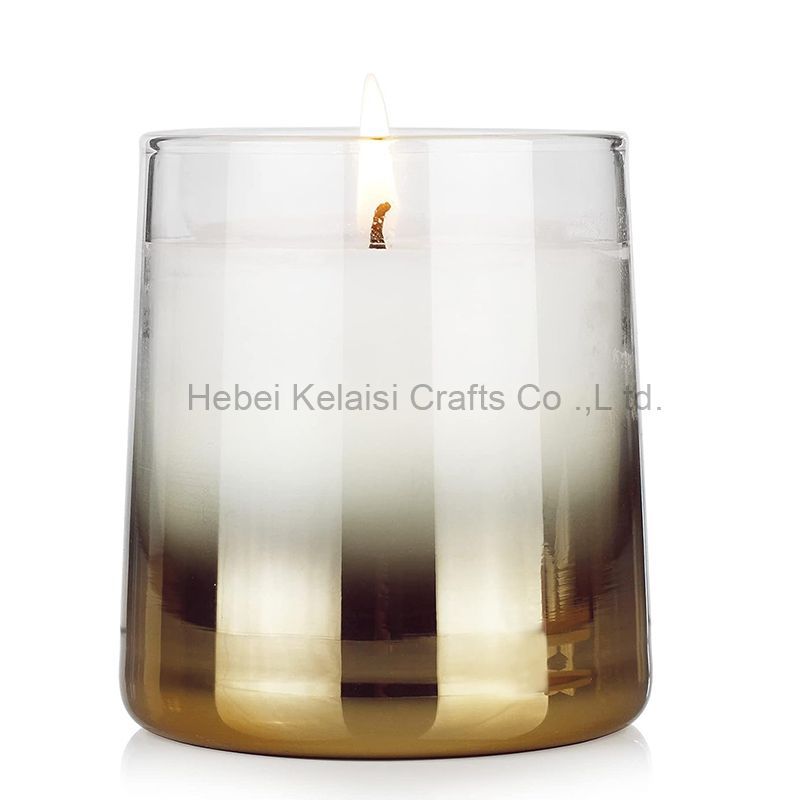 Gradient color Soy Wax Glass Jar Scented Candle
 Origami Style Vertical Pattern Wine Glasses Jar Candles
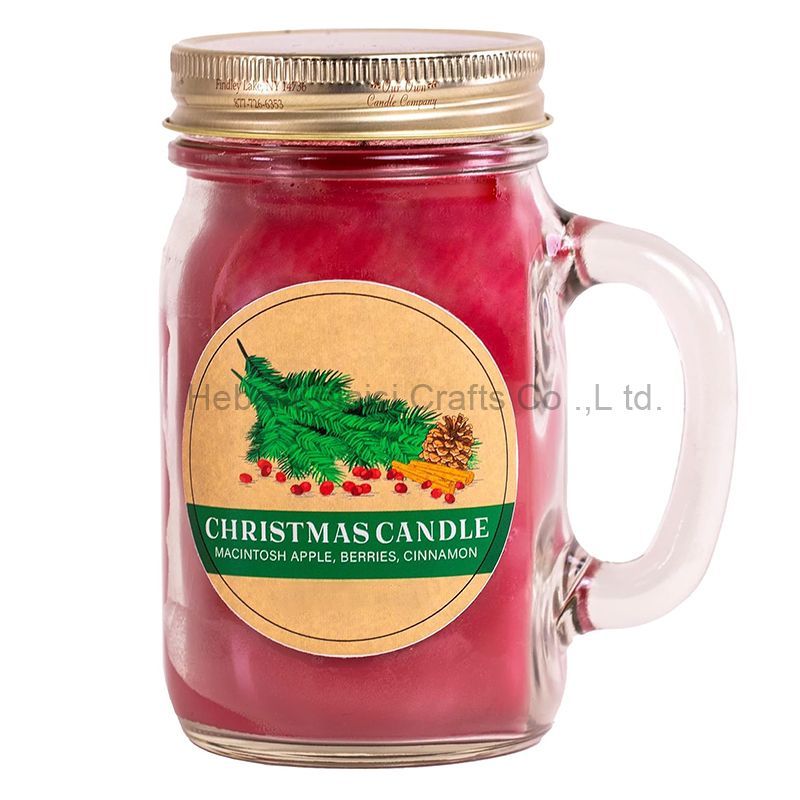 Custom Mini Glass Jar Scented Candle
 3D Letter Happy Birthday Candles
 Decorative Birthday Candles
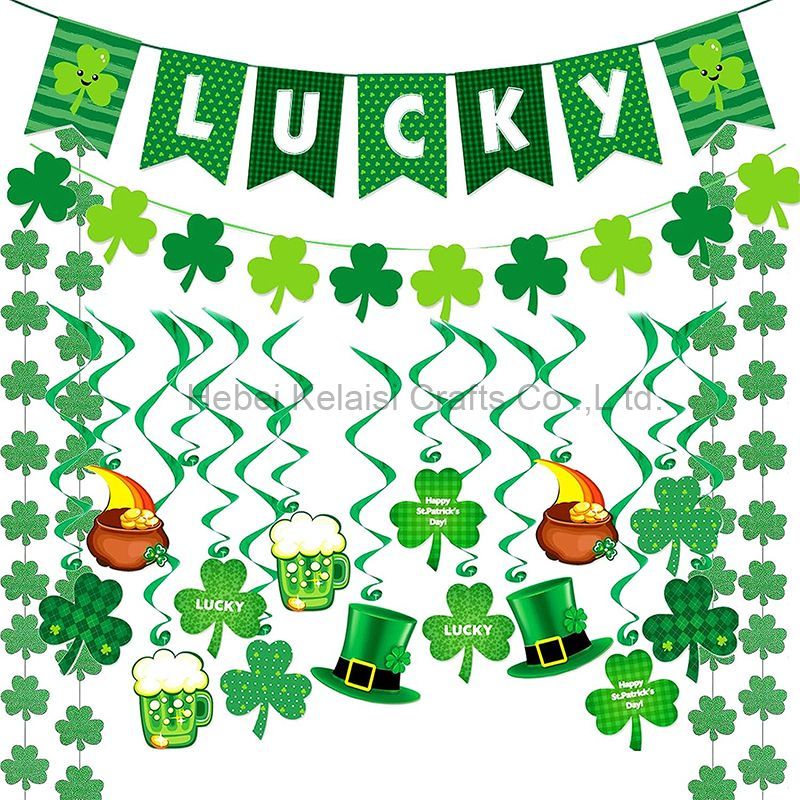 St. Patrick's Day Decorations Set
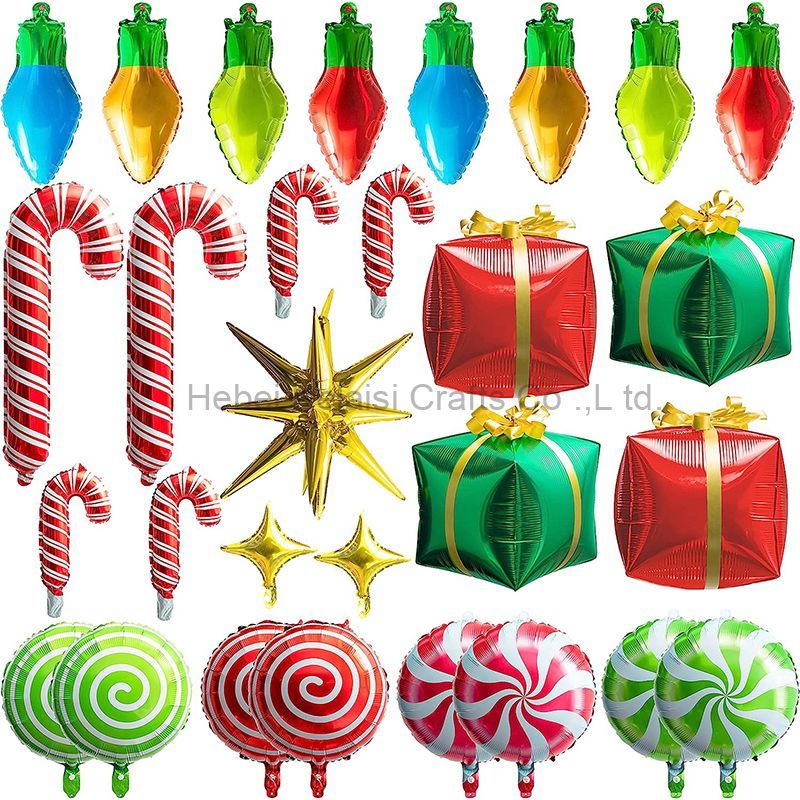 Christmas Party Balloons Supplies