Jul. 27, 2026
In America, birthday candles are more than a party supply.
They are a moment of silence lit in flame. A wish made in candlelight. A ritual repeated every year, in nearly every household. Few people stop to ask: why do we do this?
The answer is older than most realize.

Some historical accounts trace the tradition of candles on cakes back to ancient Greek rituals honoring Artemis, the goddess of the moon and childbirth. Ancient Greek offerings to Artemis included round cakes, and later interpretations connected candlelight with the symbolism of the moon and prayers.
Centuries later, German birthday customs introduced elements that became closer to today's birthday candle tradition. At "Kinderfest" — a children's birthday celebration — Germans placed candles on the cake. Each candle represented one year of life. An additional candle, sometimes called the "light of life", symbolized hope for the coming year.
In some historical accounts, candles were associated with protection and blessings for the child's future. Families kept them burning throughout the day. In the evening, the child was asked to blow out all the candles in a single breath — the smoke, it was believed, would carry wishes to heaven.
From ancient rituals to medieval blessings to modern wishes, the meaning of candles has evolved. But they have always been present.
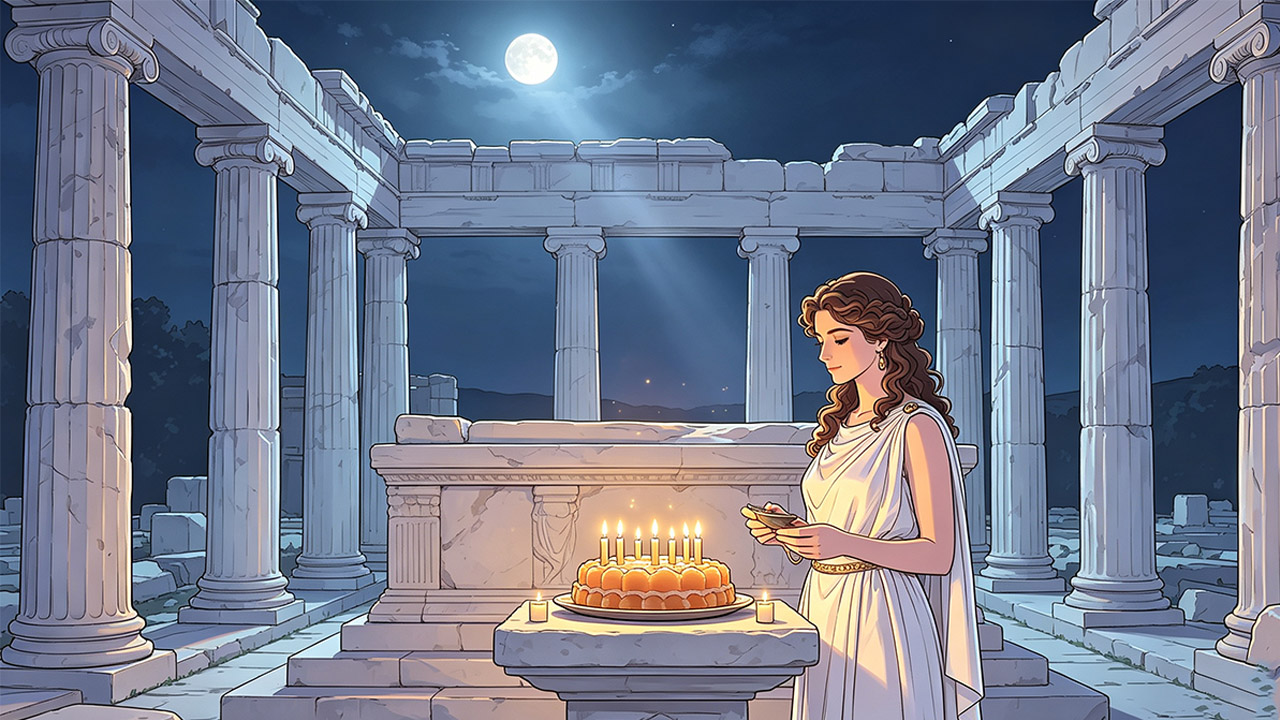
Birthday candles arrived in America later than many assume.
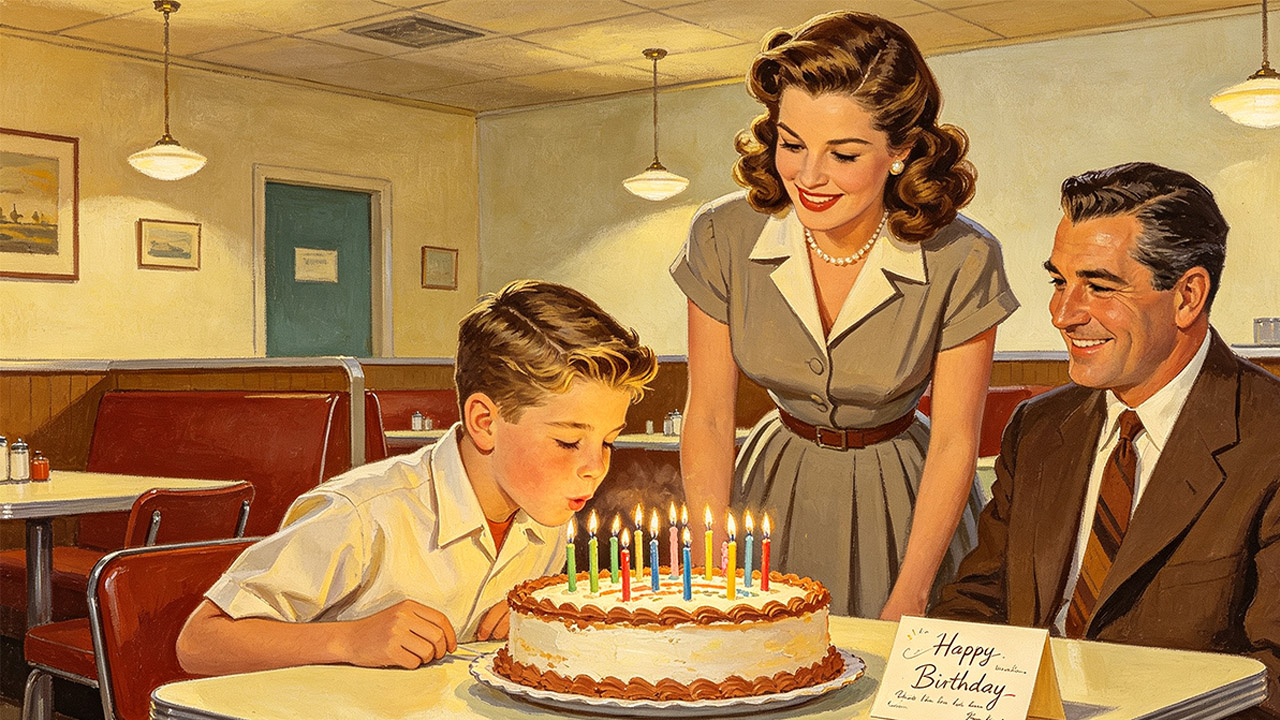
Until the mid-19th century, celebrating birthdays was not common in the United States. In the late 1800s, German immigrants brought the tradition with them. By the turn of the 20th century, the custom had spread among the American middle class. One etiquette guide recommended a "birthday cake, with as many small colored candles around it as the child is years old."
The mass commercialization of birthday cakes, candles, and children's party culture in the 20th century transformed birthday candles from a family custom into a mainstream retail product category. By the early 1900s, they were widely recognized as part of American celebrations. After World War II, American consumer culture spread the ritual globally. Today, it is one of the most universal birthday traditions worldwide.
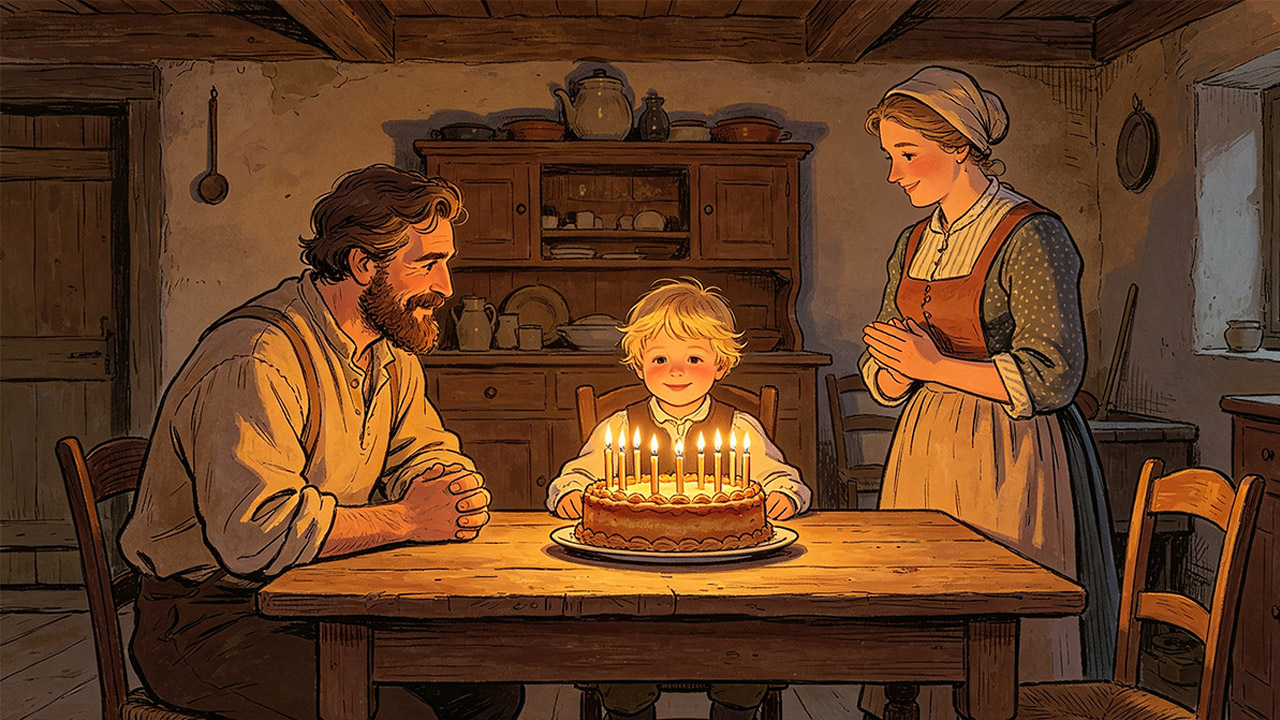
The ritual is simple: the cake is brought out, the candles are lit, everyone sings, the birthday person makes a wish, and blows out all the candles in one breath.
But this simple act carries multiple layers of meaning.
The wish is the heart of the ritual. Many believe that if you blow out all the candles in one breath, your wish will come true. This belief has roots in ancient Greece — smoke carrying prayers to the sky. In modern America, it has shifted from religious prayer to personal expression.
The symbolism of age is another layer. Each candle represents a year. For children, watching the number of candles grow is a visible measure of getting older. For adults, the number of candles becomes a topic of conversation — and sometimes a joke. Many choose number candles to avoid overcrowding the cake.
Blowing them all out in one breath is a challenge. Doing it in one go is considered good luck. A candle that refuses to go out sometimes becomes a source of laughter, adding a small moment of tension to the ritual.
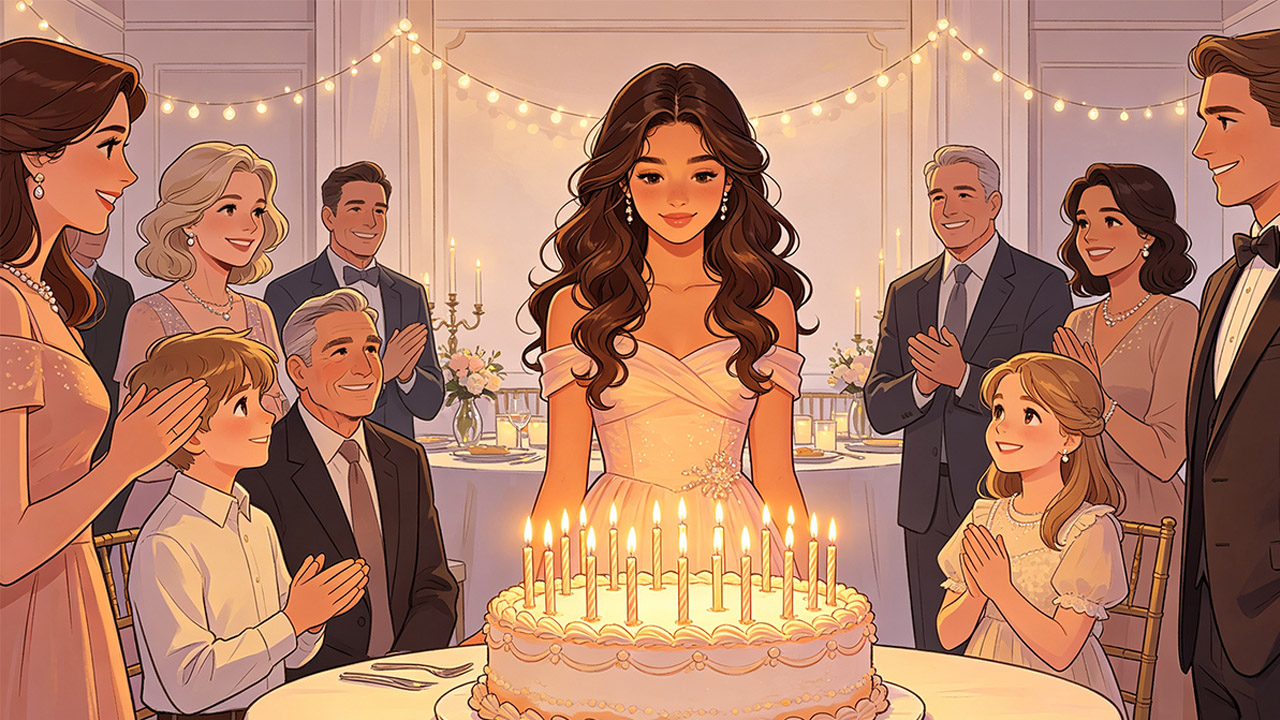
One of the most distinctive expressions of birthday candles in American culture is the "Sweet Sixteen" party.
The Sweet Sixteen is a coming-of-age celebration for a 16th birthday, especially common in the United States and Canada. In some celebrations, sixteen candles are lit. Each candle is dedicated to a special family member or friend. The birthday person says a few words for each candle, explaining why that person matters. This transforms the candle ritual from counting years to expressing relationships — from marking time to marking people.
This ceremonial use of candles reflects a deeper meaning in American birthday culture: the candles are not just numbers. They are an opportunity to tell a story.
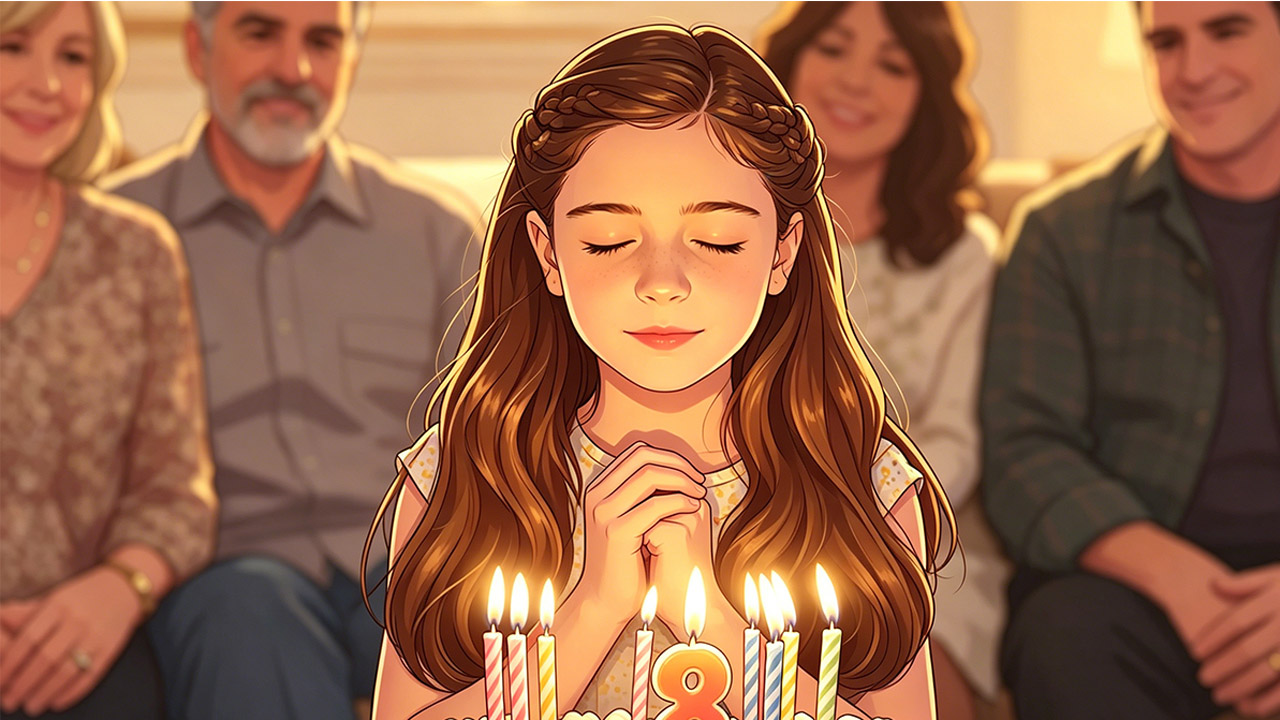
The birthday candle tradition in America is changing.
Number candles are replacing multiple individual candles. For adults — especially over 30 — a cake covered in candles is no longer practical. But the core ritual of wishing and blowing remains intact.
Social media is changing how cakes and candles are presented. A cake with well-designed candles is almost guaranteed to be photographed and shared. Candles have moved from being "blown out and thrown away" to the visual centerpiece of a photograph — their color, shape, and burning state all part of the party's visual story.
Some discussions around hygiene have emerged in recent years, but the emotional importance of the tradition remains unchanged for most families.
For manufacturers supplying the US market, understanding this cultural background is not academic curiosity. It directly affects product planning, design, and marketing.
1. Product lines must match life stages.
Demand is segmented by age:
Children's birthdays (ages 1-10): The highest-volume range. Colorful candles, number candles 0 through 9, themed packaging, and multi-packs are everyday essentials. Retail buyers should ensure consistent supply of these core SKUs.
Milestone birthdays (16, 18, 21): These carry a "rite of passage" quality. Sixteen is Sweet Sixteen. Eighteen often represents a major transition into adulthood. Twenty-one is the legal drinking age. These birthdays typically have more formal parties with higher expectations for candle presentation — gold, silver, special designs.
Adult birthdays (30, 40, 50 and beyond): Multi-candle setups are no longer practical. Number candles are the standard. Buyers should ensure inventory of number candles — especially 30, 40, 50, 60 — because these are the only candle forms adults are likely to use.
2. Design is part of the celebration experience.
American consumers do not buy birthday candles as "something that burns." They buy them as "something that completes the cake."
Color, finish, packaging — these are part of the visual experience of a birthday party. A gold number candle and a plain white candle have entirely different impacts on an Instagram post.
3. Suppliers need cultural understanding.
US retail buyers evaluating suppliers consider more than capacity and price. They also consider: does this supplier understand our market? Do they know why Americans buy birthday candles?
Suppliers who demonstrate cultural understanding occupy a different position in sourcing conversations — not just "supplier," but "partner who understands the market."
4. Cultural insight influences product development.
A supplier who understands American birthday traditions can provide better product suggestions:
Age-based number candle assortments
Seasonal color trends
Packaging suitable for retail shelves
Designs that match different celebration occasions
For buyers, this reduces the risk of choosing products that look attractive in a catalog but do not match consumer expectations.

The ancient Greeks used candles to carry prayers to the gods. Medieval Germans used them to bless a child's future. Modern Americans use them to make a wish, sing a song, and take a photo.
The form has changed. The meaning has shifted. But the candle has always remained.
It is on every birthday cake. It is in every verse of the same song, sung countless times. It is in every silent moment of wishing. Millions of Americans celebrate birthdays with candles every year. They do not think about ancient rituals. They are simply doing what they have done since childhood.
And that is the whole meaning of a birthday candle.

Based on cultural research and industry sources. Kelaisi Candle has manufactured birthday candles and party supplies since 1991, helping global retailers develop products for different celebration occasions and markets. We hold BSCI, SEDEX, CE, RoHS, EN71, and ASTM F963 certifications.
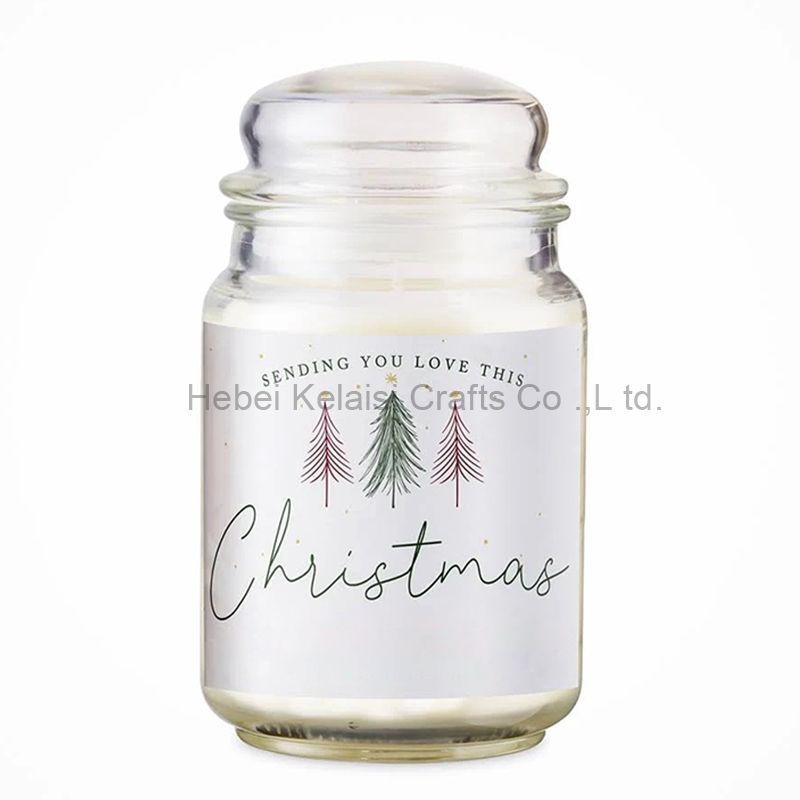 Big size decorative scented candle
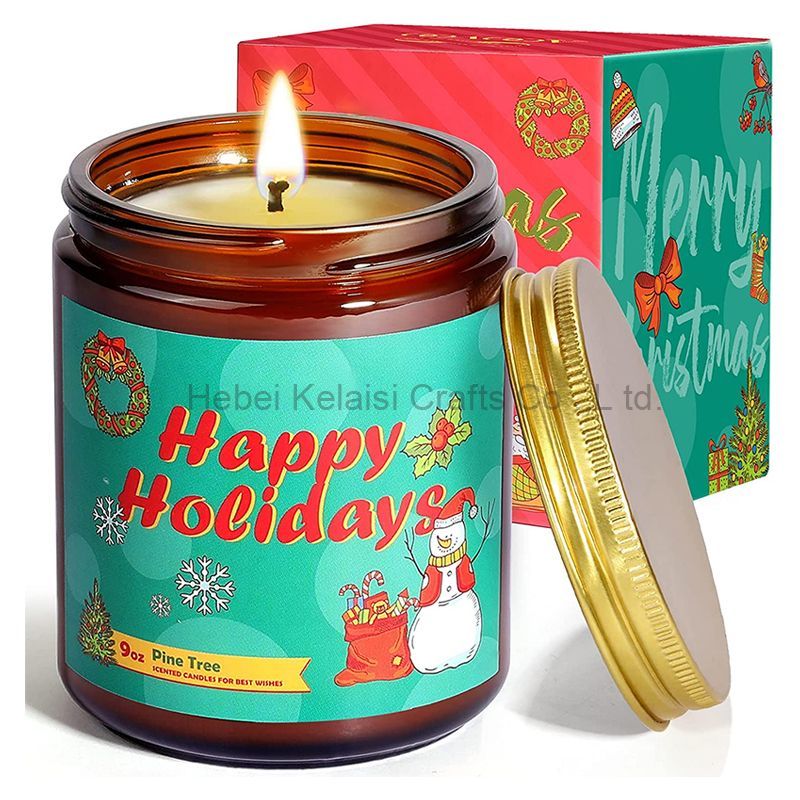 Christmas Scented Candles Gifts Sets for Women
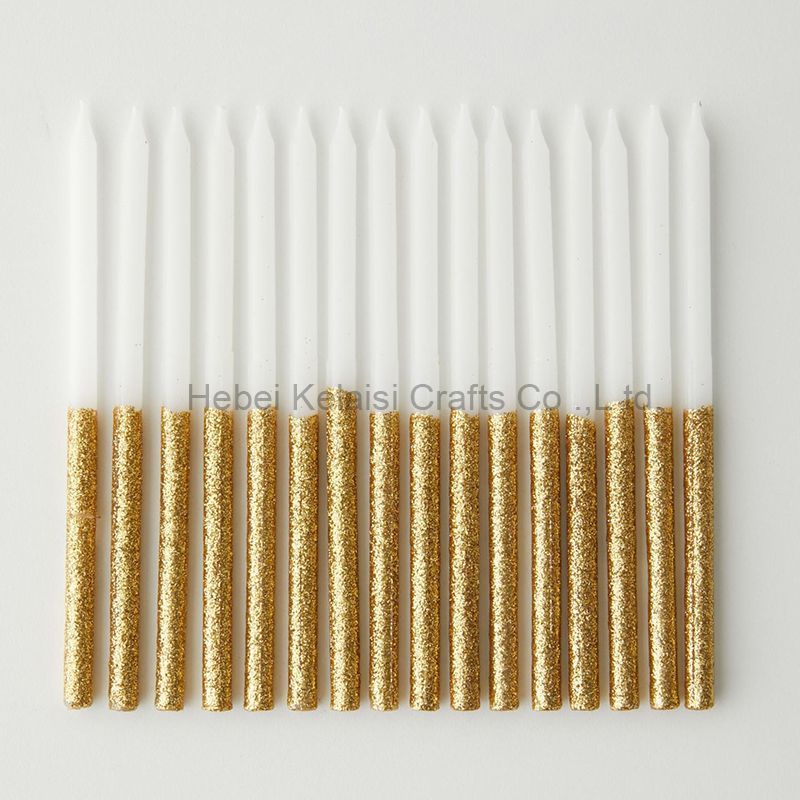 happy birthday long thin glitter cake candles
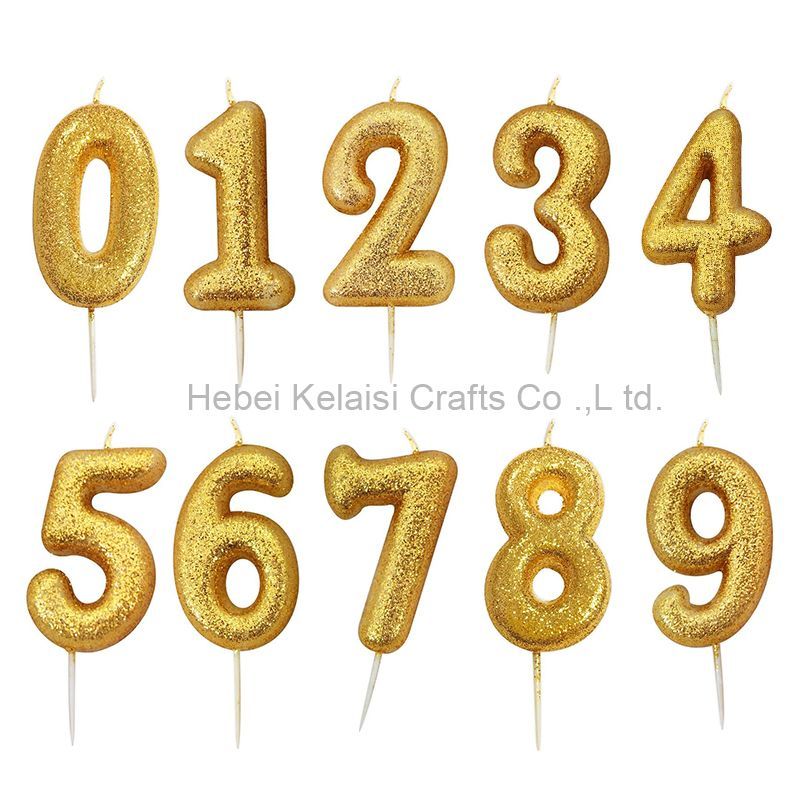 Luxury Golden Birthday Number Candle Sets
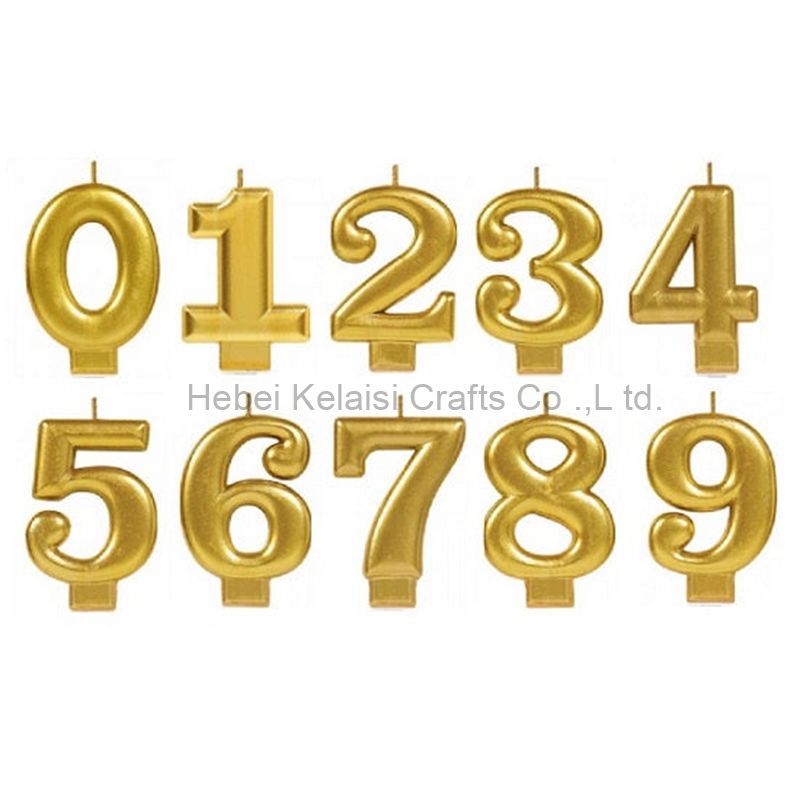 Fancy cake decoration number annual birthday candle
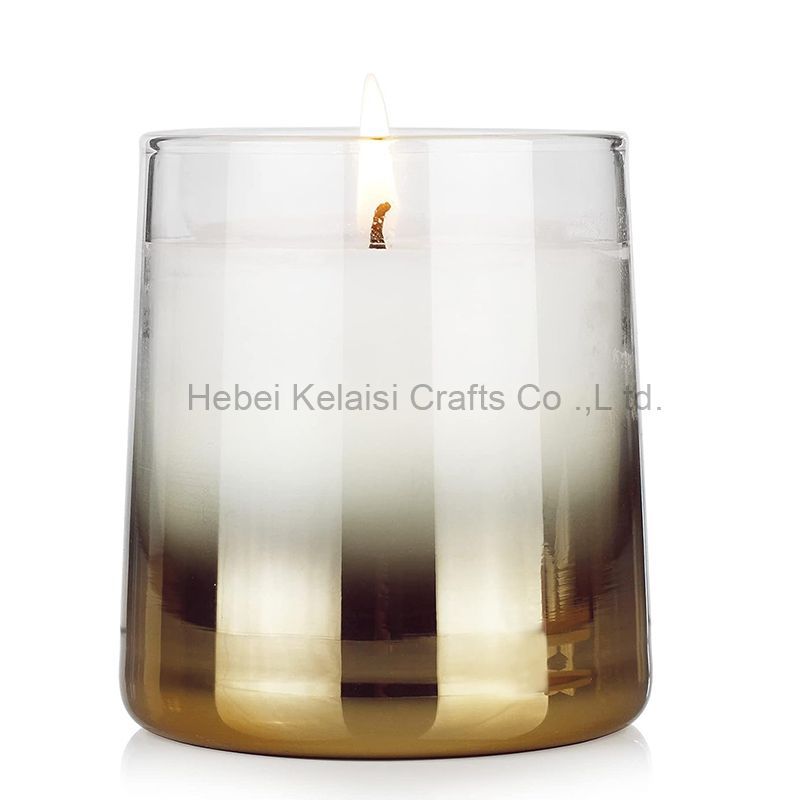 Gradient color Soy Wax Glass Jar Scented Candle
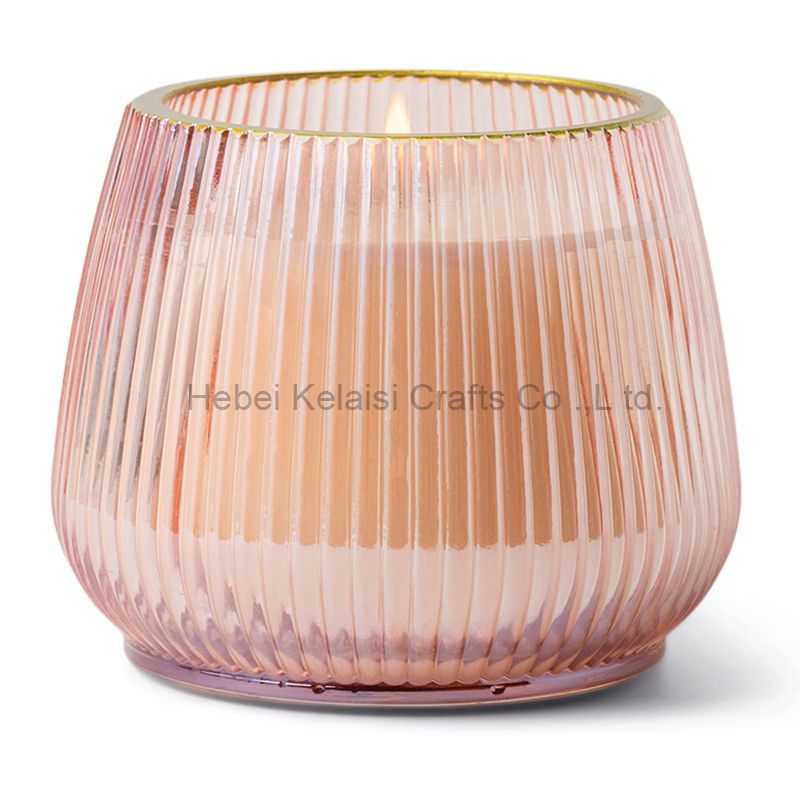 Origami Style Vertical Pattern Wine Glasses Jar Candles
 Custom Mini Glass Jar Scented Candle
 3D Letter Happy Birthday Candles
 Decorative Birthday Candles
 St. Patrick's Day Decorations Set
 Christmas Party Balloons Supplies