Oct. 29, 2026
A product that seems out of place in one store may be a smart addition to another. Sometimes, the difference is not the product itself. It is the customer who discovers it.
At Autumn Fair 2026 in Birmingham, the event's co-location with Glee, a garden retail trade show, brought buyers from different retail sectors into the same sourcing environment. The post-show discussion highlighted how retailers were exploring products beyond their usual categories. Dobbies CEO David Robinson discussed opportunities for products such as rainwear to reach buyers outside their traditional markets.
This raises a practical question: How can retailers identify new product opportunities without taking on unnecessary inventory risk?
The answer involves more than finding something interesting at a trade show. Buyers need to understand customer needs, assess a product's role in the assortment, and determine whether the potential return justifies the additional complexity.
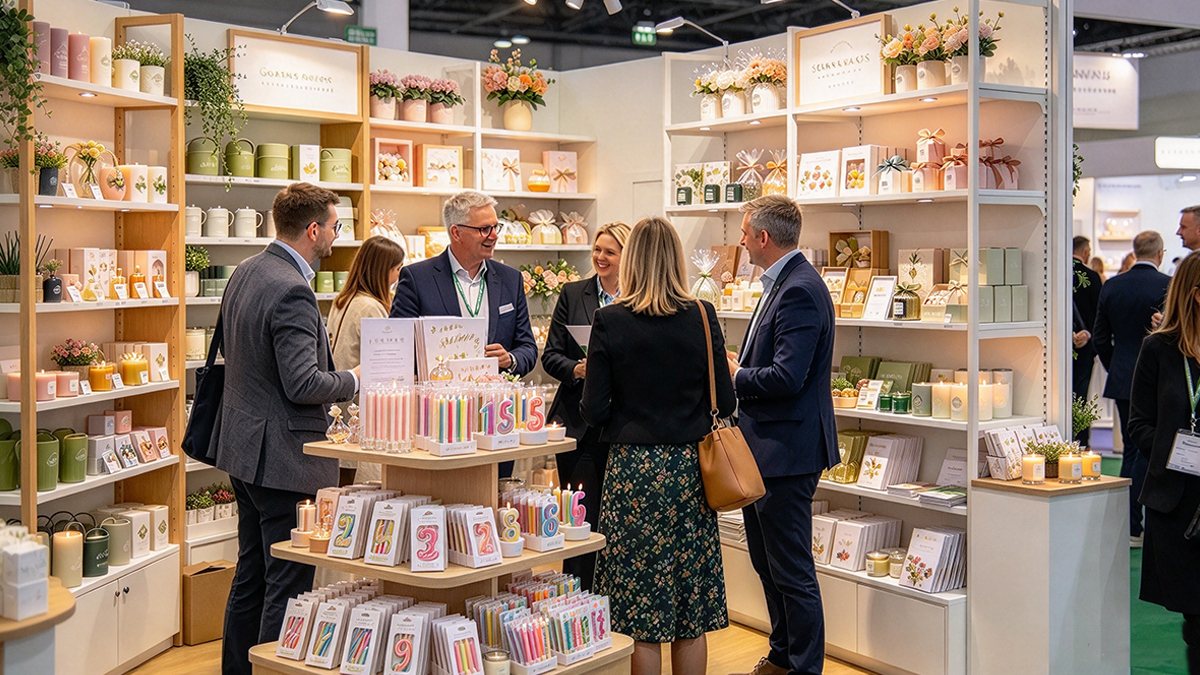
Retailers often look for growth by expanding existing categories. A gift shop adds accessories, a garden centre introduces more outdoor products, or a bookstore broadens its selection of stationery and creative kits.
These approaches make sense, but they can also limit buyers to familiar markets.
Cross-category buying offers another possibility. A rainwear brand may not need to redesign its products to reach a new audience. If garden-centre customers have a reason to buy rainwear, those stores could become a viable sales channel.
The same principle applies elsewhere. A museum shop might find an audience for design-led gifts, while a homewares retailer might discover demand for products associated with seasonal celebrations.
Such combinations are not automatically successful. The important point is that product categories do not always reflect how customers shop. People often buy from different categories to prepare for one occasion, solve one problem, or satisfy one interest.
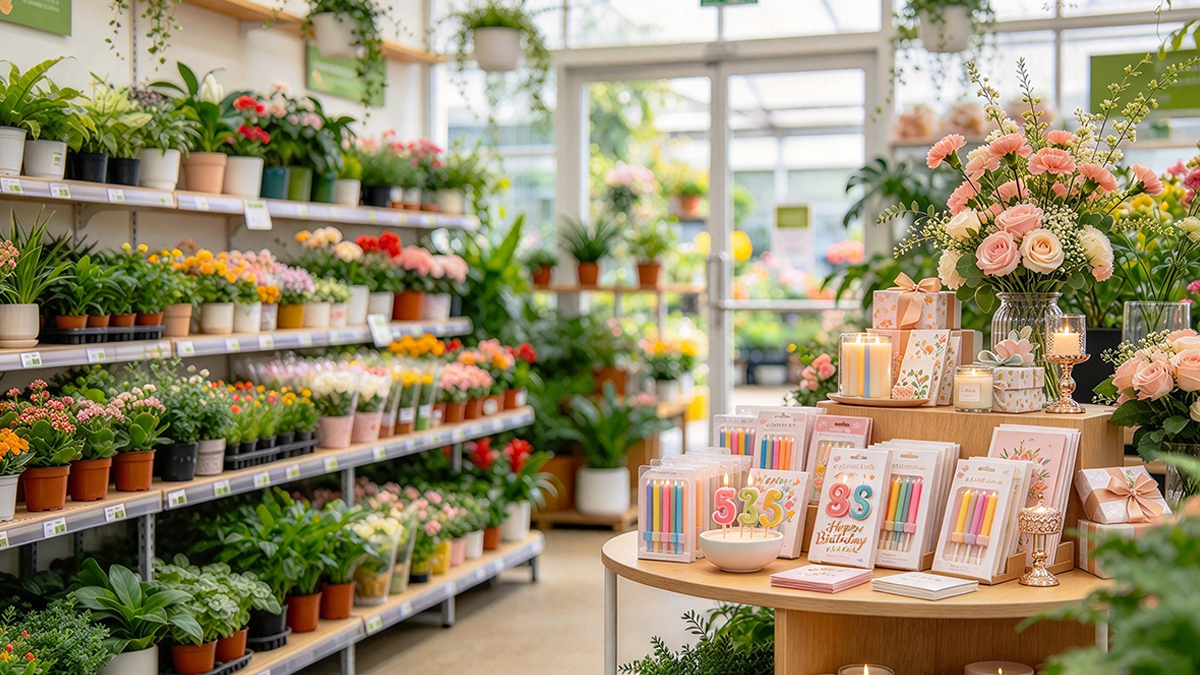
The first question should not be whether two products belong together on a merchandising chart. It should be whether customers who buy one might have a genuine reason to buy the other.
Consider a garden centre expanding its gift range. Its customers may visit for plants, gardening equipment, or outdoor products. Some may also shop for birthdays, seasonal occasions, and home-related gifts. This creates a potential connection between the existing assortment and a new category.
But potential is not proof of demand.
Buyers still need to consider customer profiles, price expectations, shopping habits, and local competition. A product that works well in a large garden centre may be less suitable for a smaller store with limited display space.
Three questions can help retailers evaluate a new category:
Who is likely to buy it? Identify a specific customer group rather than assuming everyone will be interested.
Why does it fit the shopping occasion? Products that complement an existing purchase need may be easier to introduce.
Why would customers buy it here? Convenience, selection, expertise, or distinctive merchandising may give the retailer a credible reason to carry it.
The goal is to identify a customer connection that can be tested, not simply a product combination that looks good on paper.
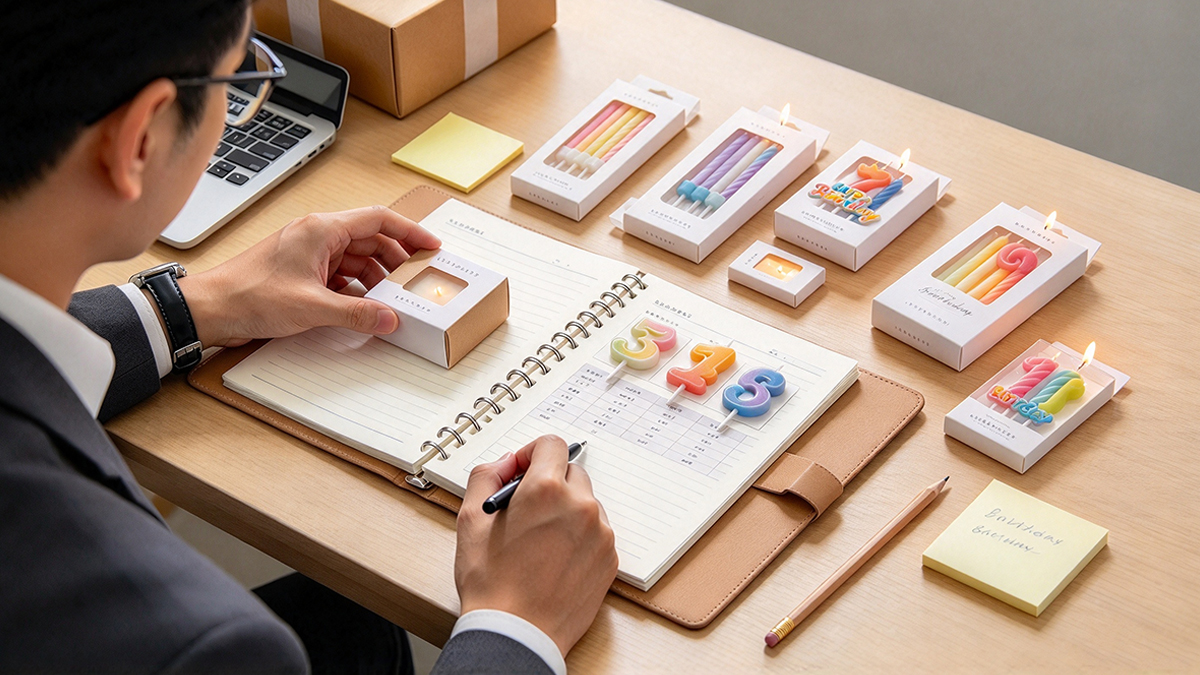
A distinctive product can help a retailer stand out, attract new customers, fill a price gap, or complement an established bestseller. However, novelty alone is not a strong reason to place an order.
Every new product competes for shelf space and working capital. An unusual item may appeal to a small audience but generate too little demand to justify its costs.
This challenge can be especially significant for independent retailers. Large chains may have the resources to test products across multiple locations, while smaller businesses often make purchasing decisions with limited room for error.
A practical approach is to test a new category before expanding it. Retailers might begin with a narrow selection, test demand online, or introduce products in a limited number of stores.
The aim is not to eliminate risk. It is to learn enough about customer demand before making a larger commitment.

Sales are an obvious indicator of performance, but revenue alone does not reveal whether a new category is worthwhile.
Retailers should also consider gross margin, inventory turnover, basket size, repeat purchases, and operational costs.
For example, are customers buying the new products alongside their usual purchases? Are the products selling quickly enough to justify the inventory investment? Does the category require additional storage, supplier coordination, or replenishment work?
These measures need to be interpreted in context. A seasonal product may sell within a short window, while a specialist item may sell in smaller quantities but help differentiate the store.
Retailers should define success before placing the order. Otherwise, they risk judging a category by whichever result looks most encouraging while overlooking the costs involved.
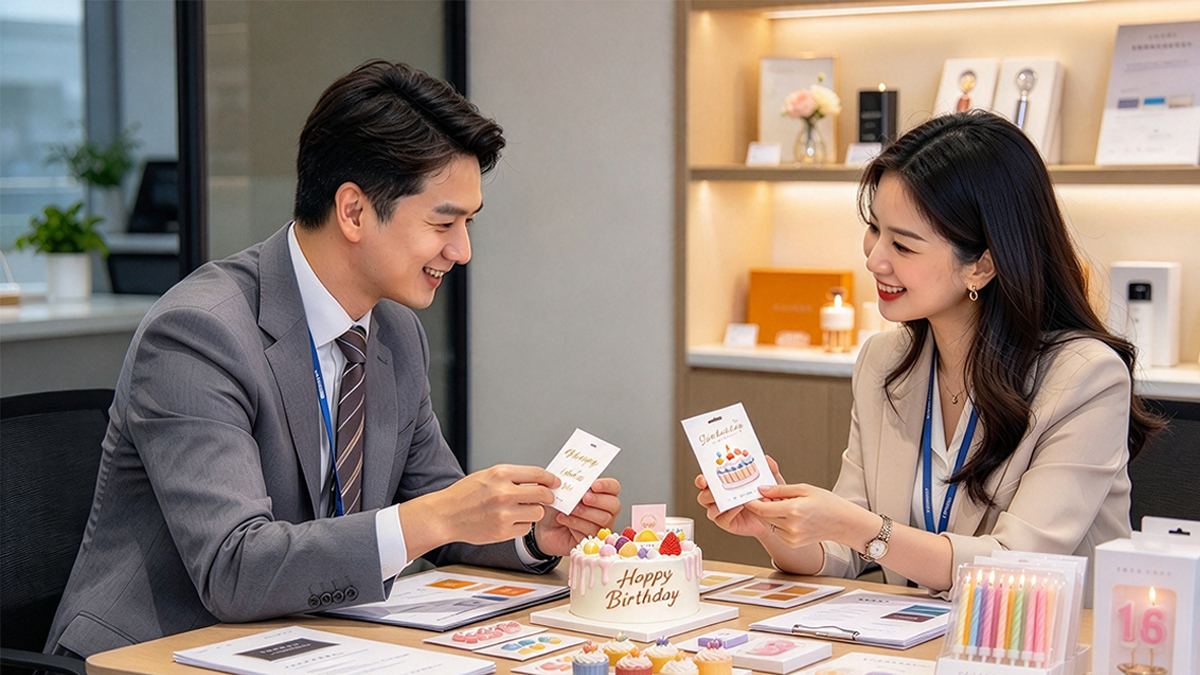
Exploring an unfamiliar category also changes what buyers need from suppliers. Retailers may require clearer information about product specifications, packaging, minimum order quantities, lead times, replenishment, and quality standards.
A supplier who explains these details accurately can help buyers determine whether a product is practical for the intended sales channel.
However, a supplier with the broadest catalogue is not always the best choice. A multi-category supplier may simplify purchasing and coordination, while a specialist may offer deeper product knowledge. The right option depends on the retailer's priorities, order volumes, and operational capacity.
The lesson from Autumn Fair and Glee is not that every retailer should carry more categories. It is that bringing different buyers and suppliers together can reveal opportunities that might otherwise go unnoticed.
Before expanding, retailers should be able to answer three questions: Who is the intended customer? What role will the product play in the assortment? What evidence would justify a larger order?
Cross-category buying works best when it solves a specific business problem—not when expansion becomes a goal in itself.
The strongest assortment is not necessarily the largest or most diverse. It is the one in which every product has a clear reason to be there, and the potential return justifies the cost and complexity of carrying it.
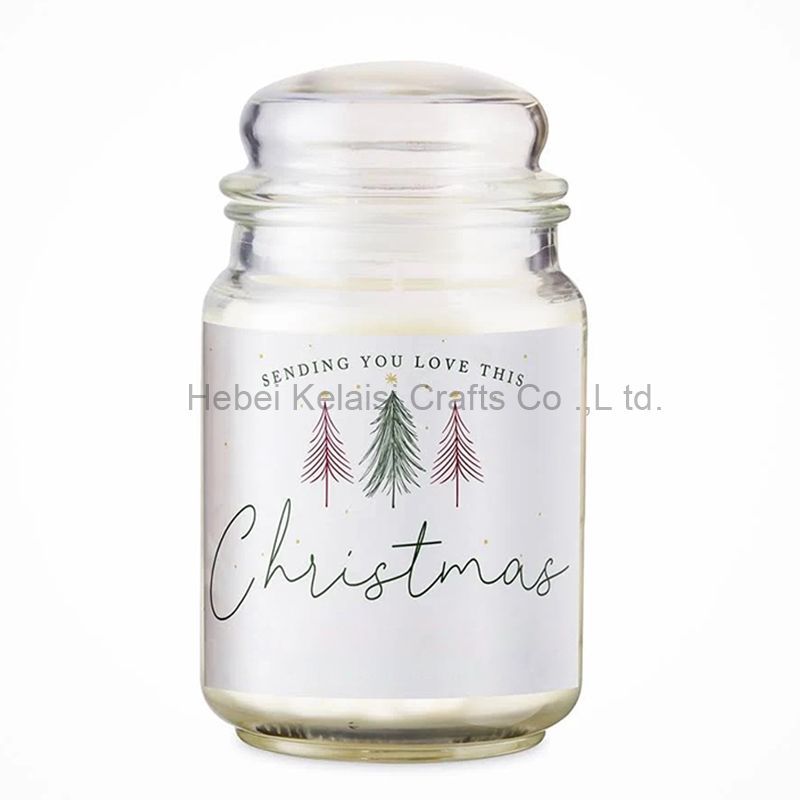 Big size decorative scented candle
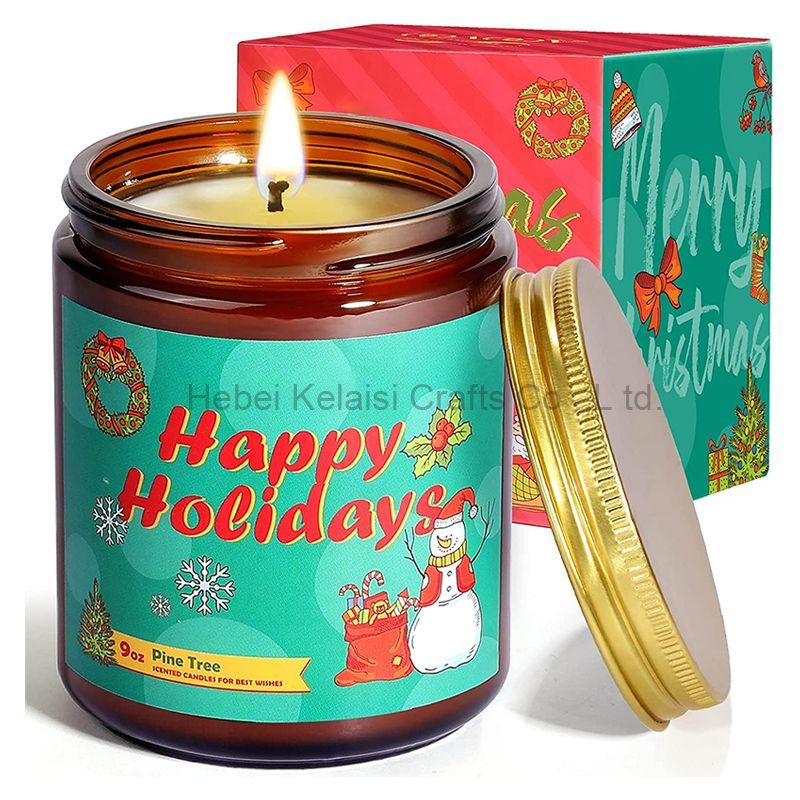 Christmas Scented Candles Gifts Sets for Women
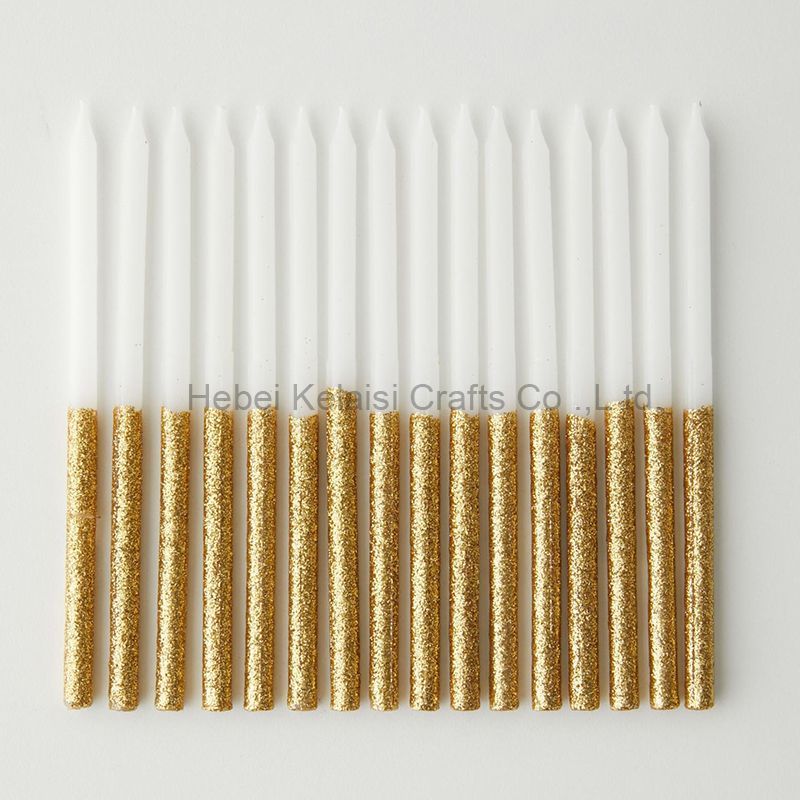 happy birthday long thin glitter cake candles
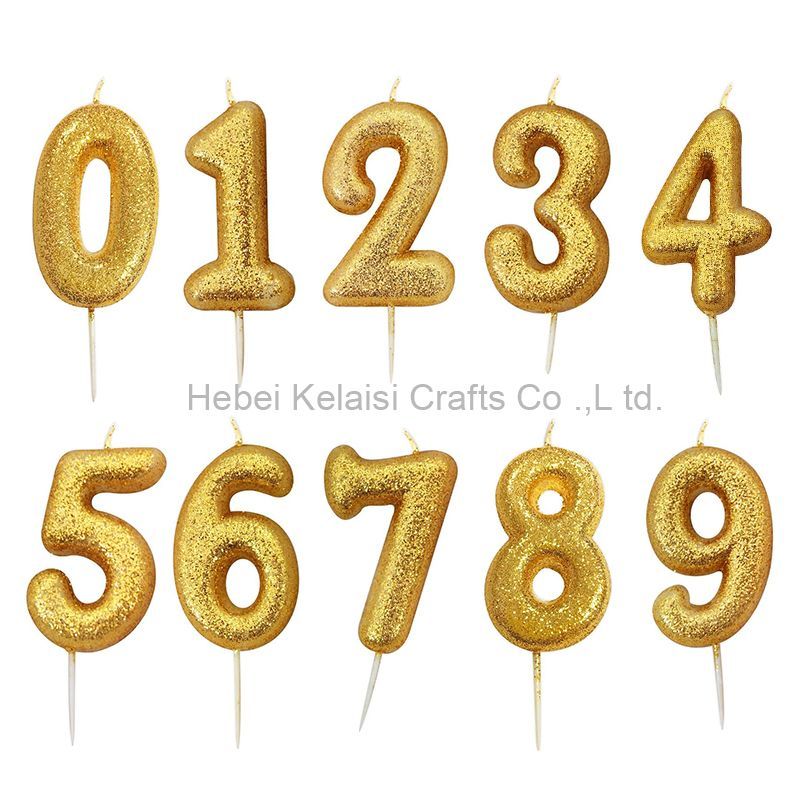 Luxury Golden Birthday Number Candle Sets
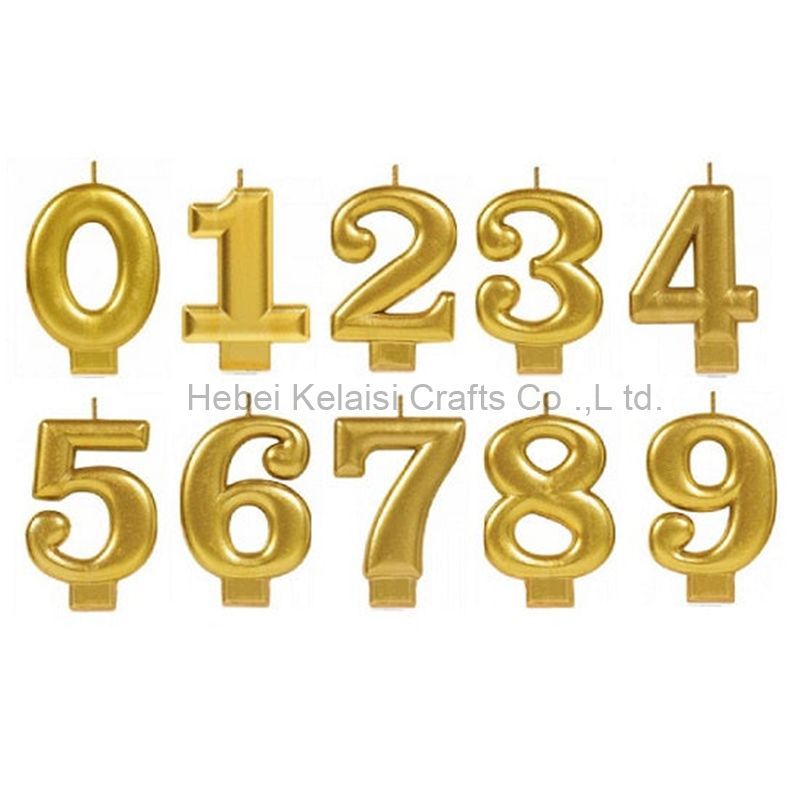 Fancy cake decoration number annual birthday candle
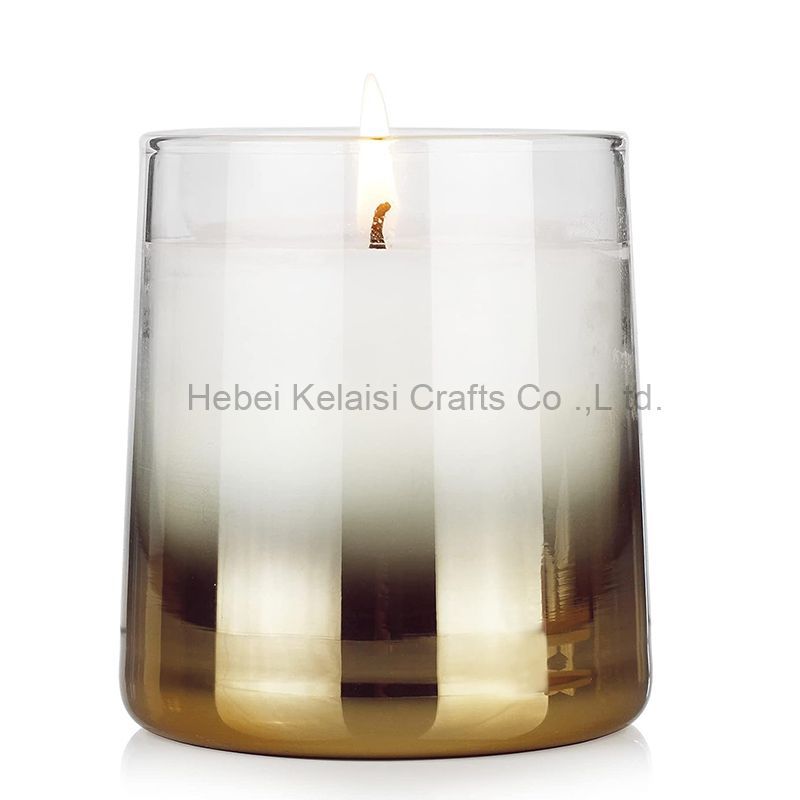 Gradient color Soy Wax Glass Jar Scented Candle
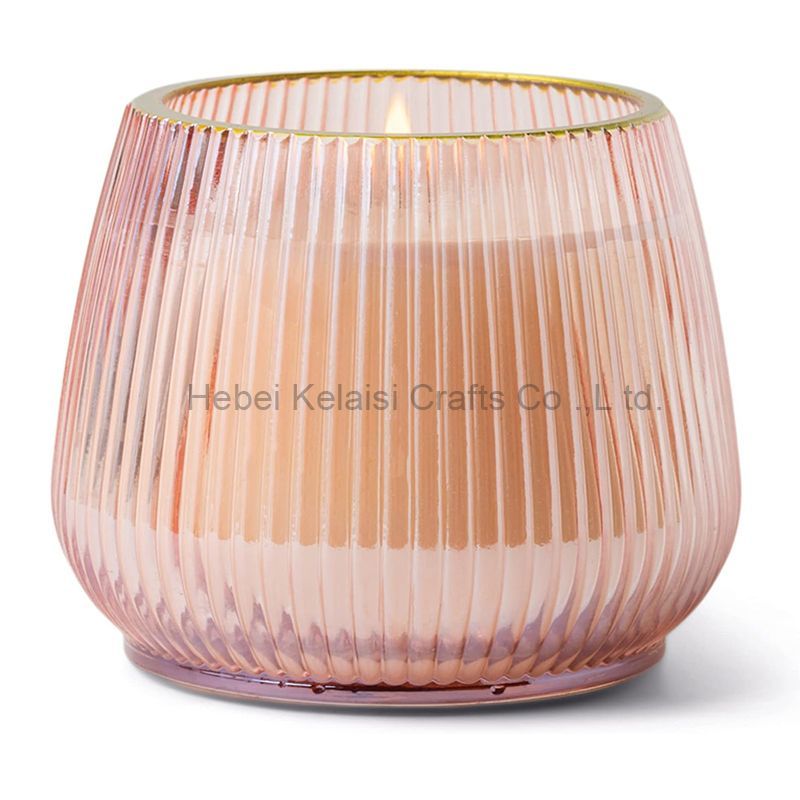 Origami Style Vertical Pattern Wine Glasses Jar Candles
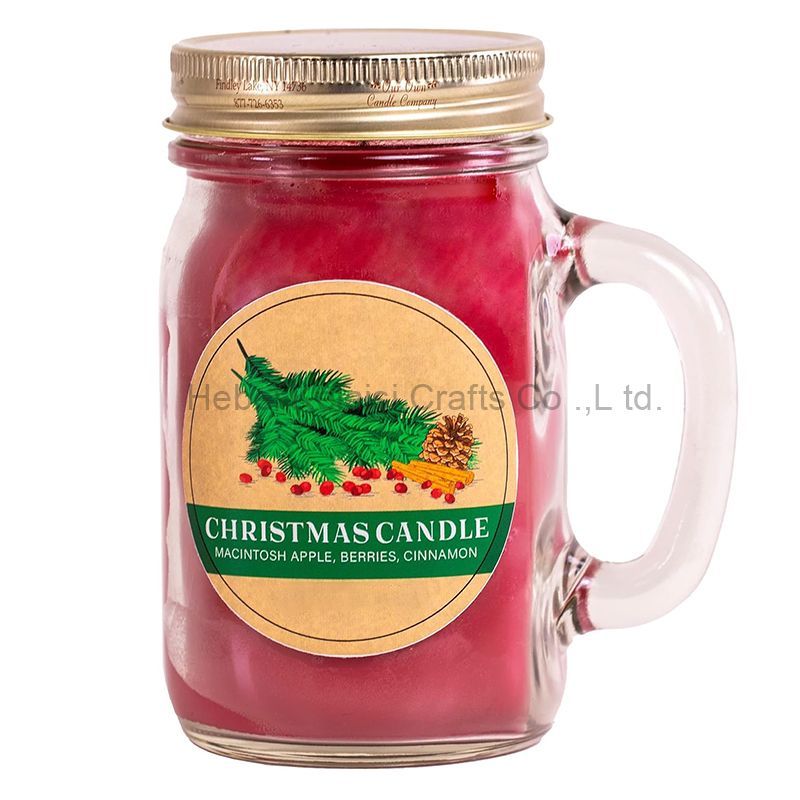 Custom Mini Glass Jar Scented Candle
 3D Letter Happy Birthday Candles
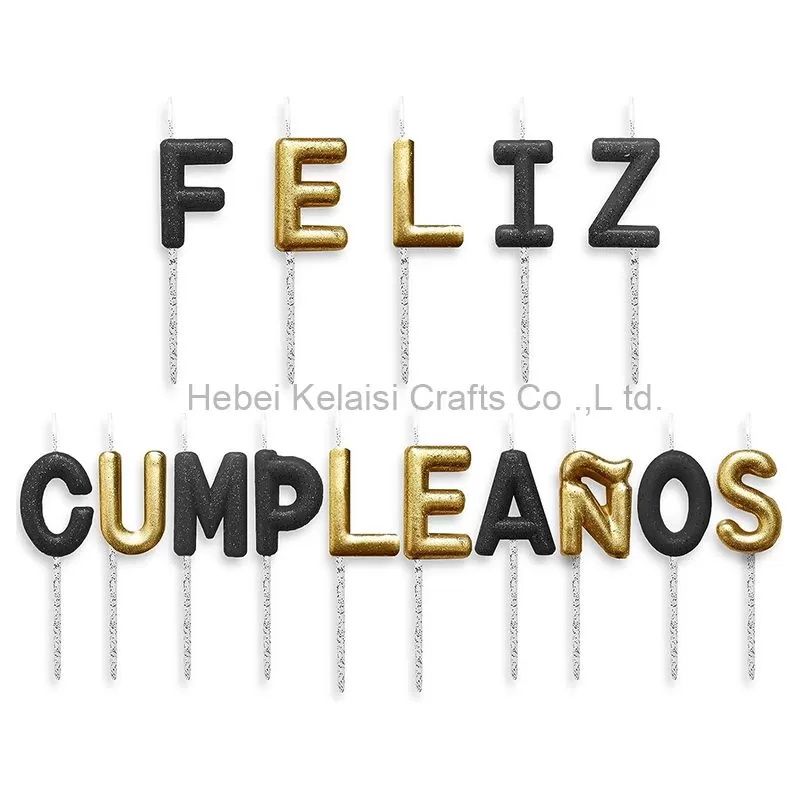 Decorative Birthday Candles
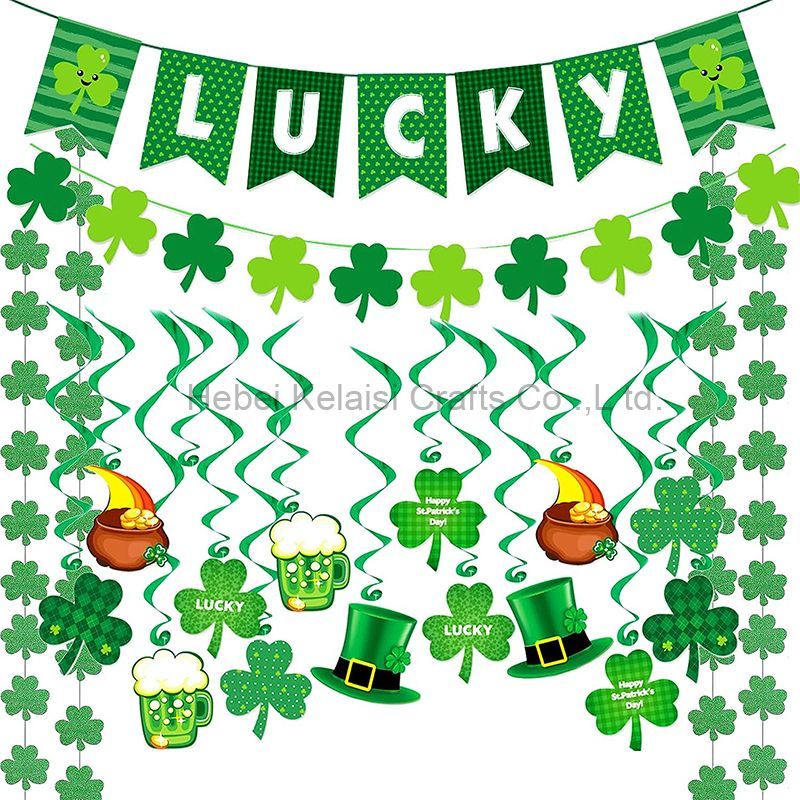 St. Patrick's Day Decorations Set
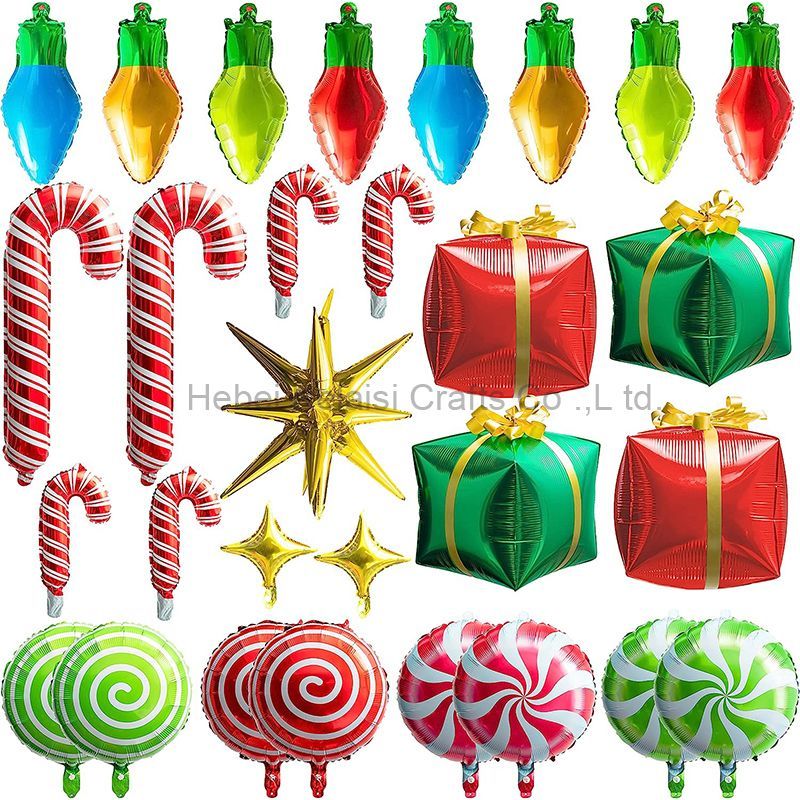 Christmas Party Balloons Supplies