Jul. 29, 2026
In late 2025, a party supplies wholesaler from Mexico reached out to us through an industry referral. His company supplied party hats, paper cups, decorations, and birthday candles to retail stores across Mexico City and surrounding areas. The business was not large, but it was steady — regular replenishment orders every month, stable customer relationships.
Then everything changed.
On December 10, 2025, Mexico's Chamber of Deputies approved new tariff legislation. The law took effect on January 1, 2026, imposing tariffs ranging from 10% to 50% on 1,463 product categories from countries without free trade agreements with Mexico. Almost every major Chinese export category to Mexico was covered. For toys, the tariff was set at 30%.
Party supplies — hats, decorations, paper cups, candle sets — were largely classified under toy or plastic product categories.
For this buyer, the cost of an entire container went up by 30% overnight.
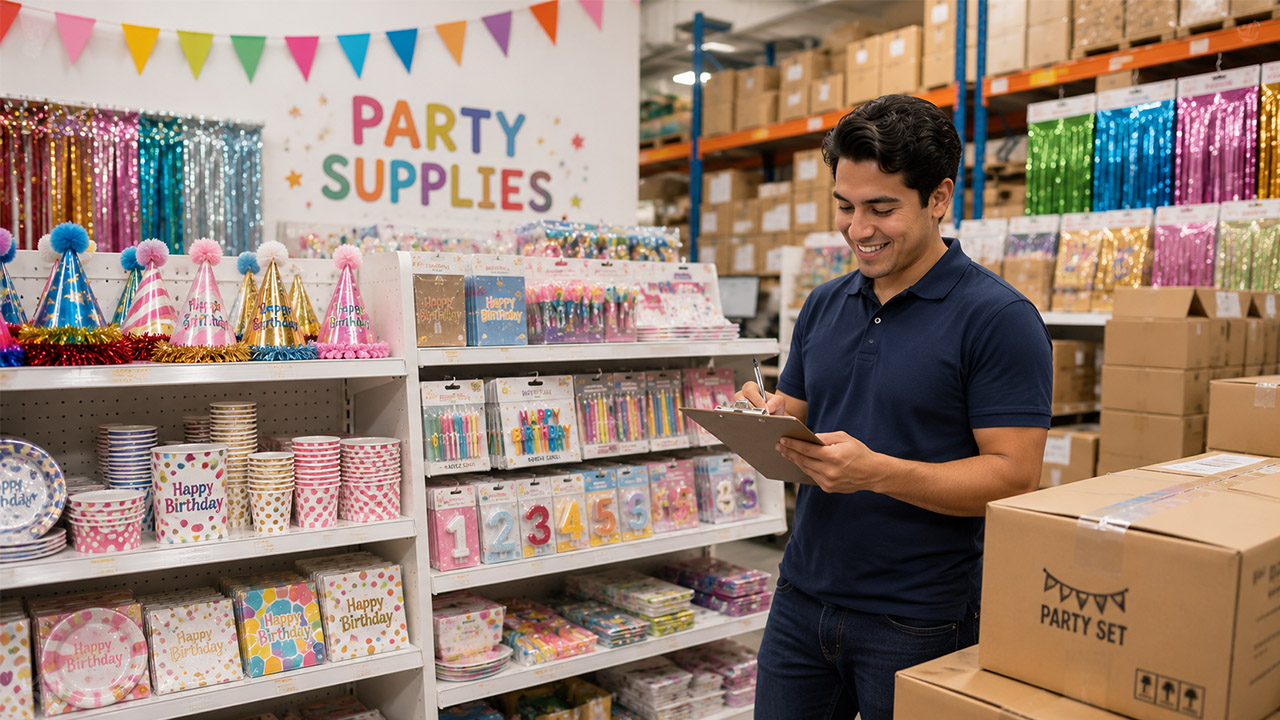
The buyer had a shipment already at sea when the news broke. He did the math. Under the old tariff, his profit margin was thin but sustainable. Under the new tariff, his cost jumped by nearly a third.
He had two choices: raise his prices and risk losing retail customers who had become accustomed to Chinese pricing, or absorb the cost himself — which his margin could not handle.
He told us: "My freight forwarder called me and said I need to pay an extra 30% when the container arrives. I asked him to repeat it. I thought I heard wrong."
He was not the only one. Across Mexico, thousands of small and medium-sized importers were facing the same shock. The tariff did not just increase costs. It threatened to make entire product lines unprofitable.
He contacted us with a simple question: "What can you do to help me keep my business running?"

We could not change the tariff. No supplier could. But we could change how he bought from us.
We sat down with him and reviewed his entire order history. He had been ordering in small batches — often just 5,000 to 8,000 units per order, shipped by air or small sea containers. He ordered frequently to avoid tying up cash in inventory. This approach worked under the old tariff because each order was small enough to manage.
But after the tariff increase, every order — no matter how small — now carried a 30% tariff cost. The smaller the order, the larger the percentage of the total cost was eaten up by the tariff itself.
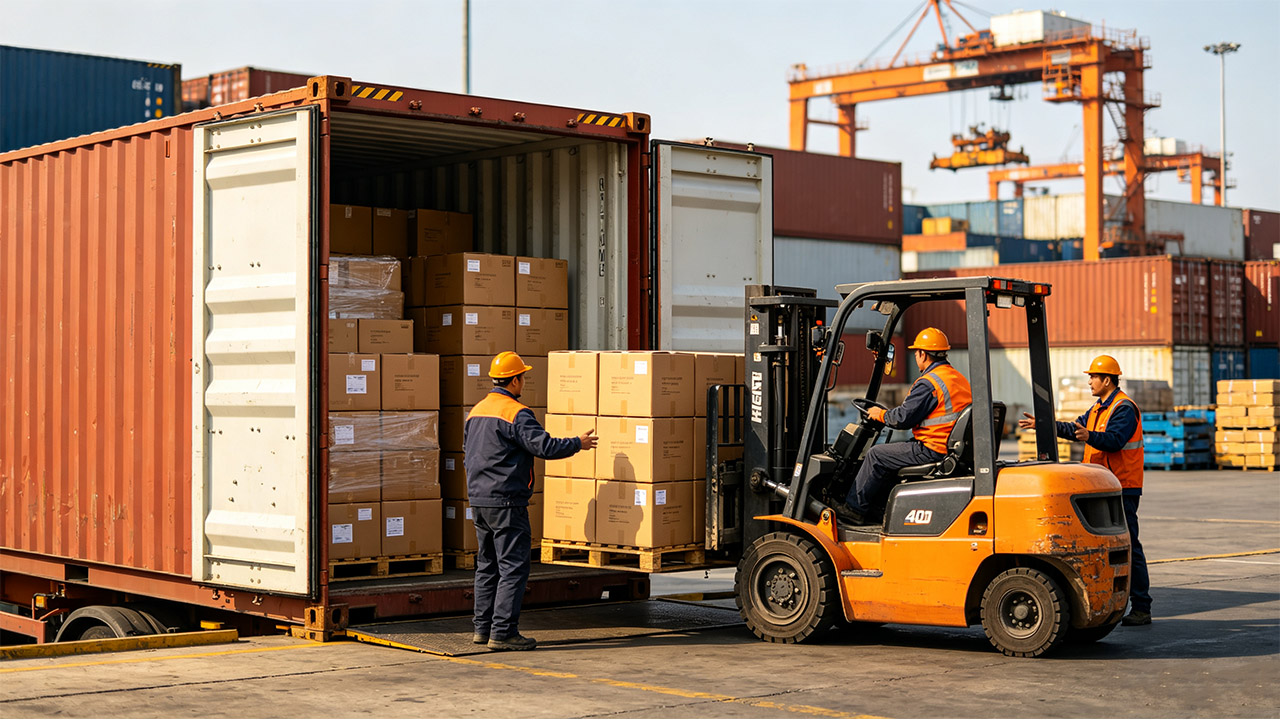
We proposed a different approach: consolidate orders and ship in full container loads (40HQ) once per quarter instead of small shipments every month.
The logic was simple. Tariffs are calculated as a percentage of the total value of the goods being imported. By shipping larger volumes less frequently, he could reduce the per-unit tariff cost and improve his overall cost structure.
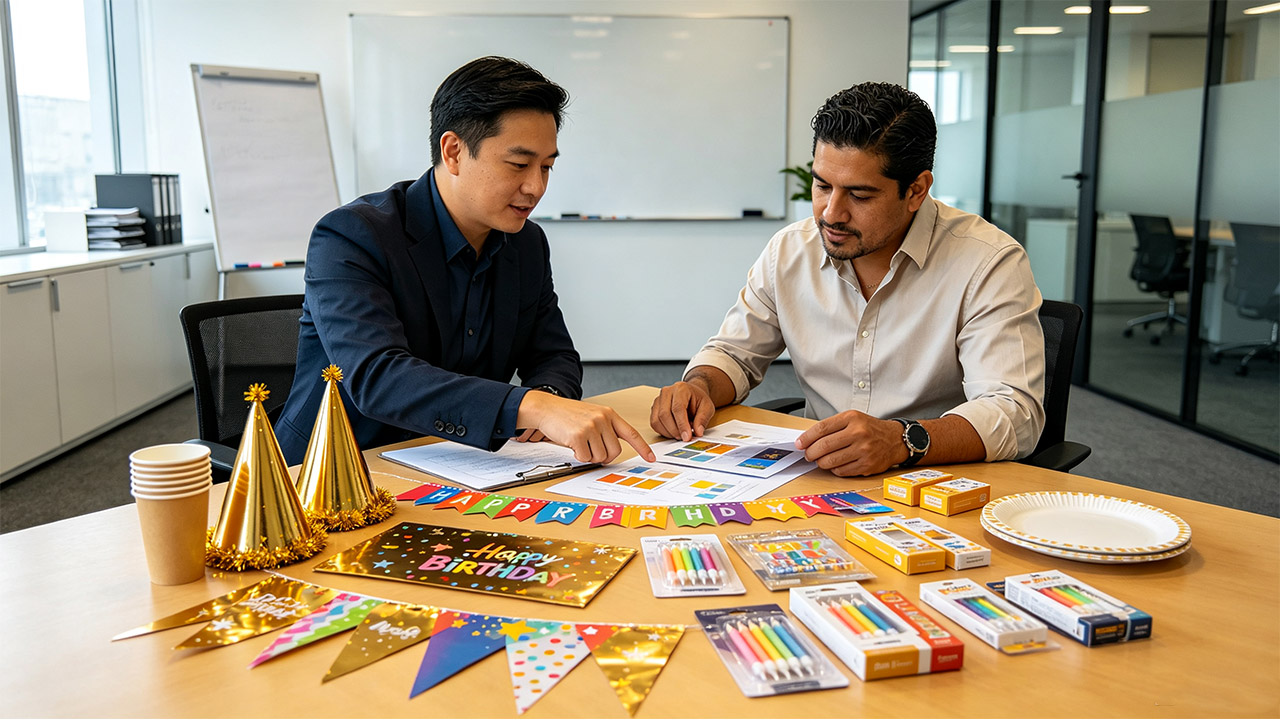
We also helped him adjust his product mix. Instead of ordering individual items separately, we bundled his products into themed party sets — candles, hats, decorations, and paper cups together in one package. This not only reduced the per-unit tariff impact by spreading it across more items, but also improved his ability to sell to retail customers who were increasingly looking for complete party solutions rather than individual items.
This approach works especially for buyers who order frequently in small volumes.
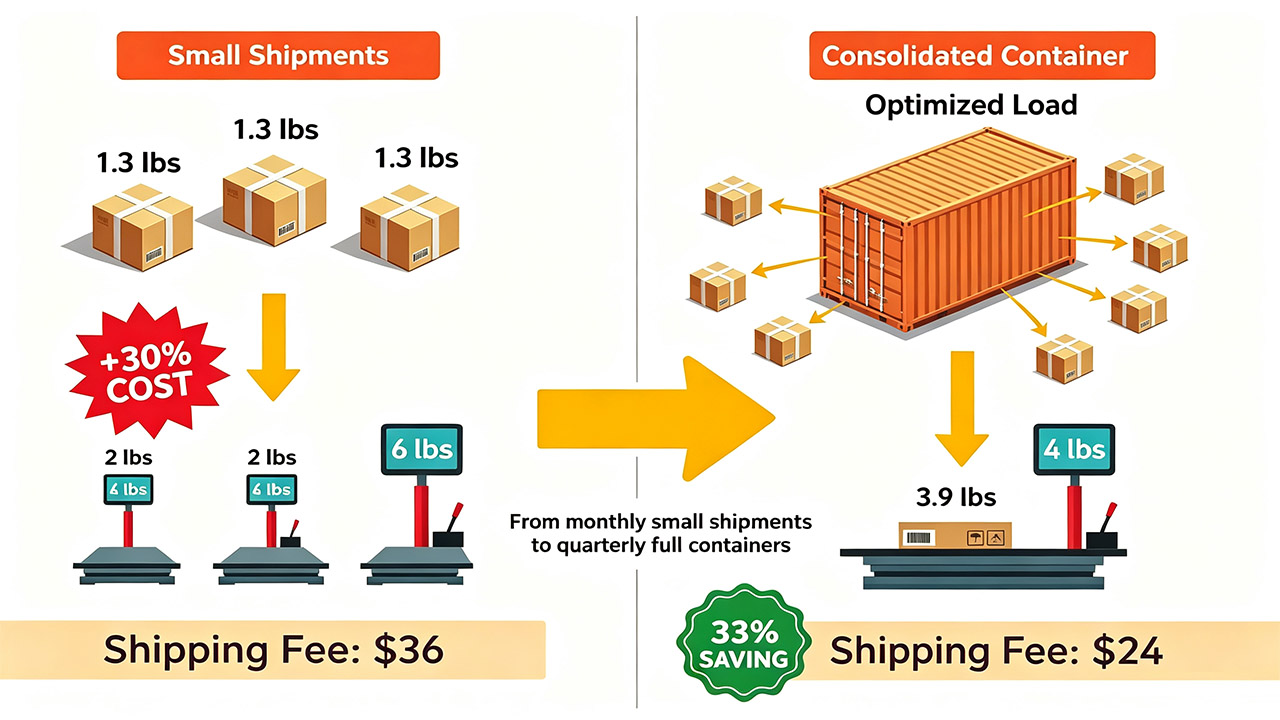
It took some convincing. The buyer was used to small, frequent orders. He was worried about cash flow and warehouse space. But we walked him through the numbers step by step.
We helped him plan his first consolidated order: a full 40HQ container containing a mix of candles, hats, decorations, and paper cups — enough to cover three months of sales. He placed the order in February 2026, after the tariff had already taken effect.
When the container arrived, he did the math again.
The per-unit tariff cost had dropped because the larger shipment spread the fixed tariff costs across more items. The container freight cost was lower per unit than air freight. And because he had a full container's worth of inventory, he did not need to order again for three months — saving him on freight, customs brokerage, and administrative time.
The quantified result:
Per-unit total cost decreased by approximately 8-10% compared to his previous small-batch ordering pattern, despite the higher tariff
Shipping frequency dropped from monthly to quarterly — reducing his logistics management time by over 60%
Freight cost per unit was significantly lower by switching from air/part-container to full 40HQ container loads
He told us:
"I was sure the tariff was going to kill my business. I spent two weeks thinking about closing down. You helped me see a different way — not cheaper, but smarter."
He has now placed two more consolidated orders. His retail customers have not seen a price increase. His profit margin has recovered to pre-tariff levels. He is now planning to add two more product lines to his consolidated orders.
Tariffs are unpredictable. A government can change them overnight. No supplier can control that.
But a supplier who understands the operational impact of tariffs — and can help buyers restructure their ordering patterns to mitigate that impact — offers value that goes beyond product quality and delivery times.
The buyer in this case did not need a cheaper product. He needed a smarter way to buy. We did not give him a discount. We gave him a strategy.
That strategy kept his business running.
If you are facing similar tariff pressure, talk to us. We can help you restructure your orders, adjust your product mix, and find a way to keep your business profitable.
Kelaisi Candle has manufactured candles and party supplies since 1991, with facilities in Xingtai and Shijiazhuang, Hebei. We hold BSCI, SEDEX, CE, RoHS, EN71, and ASTM F963 certifications.
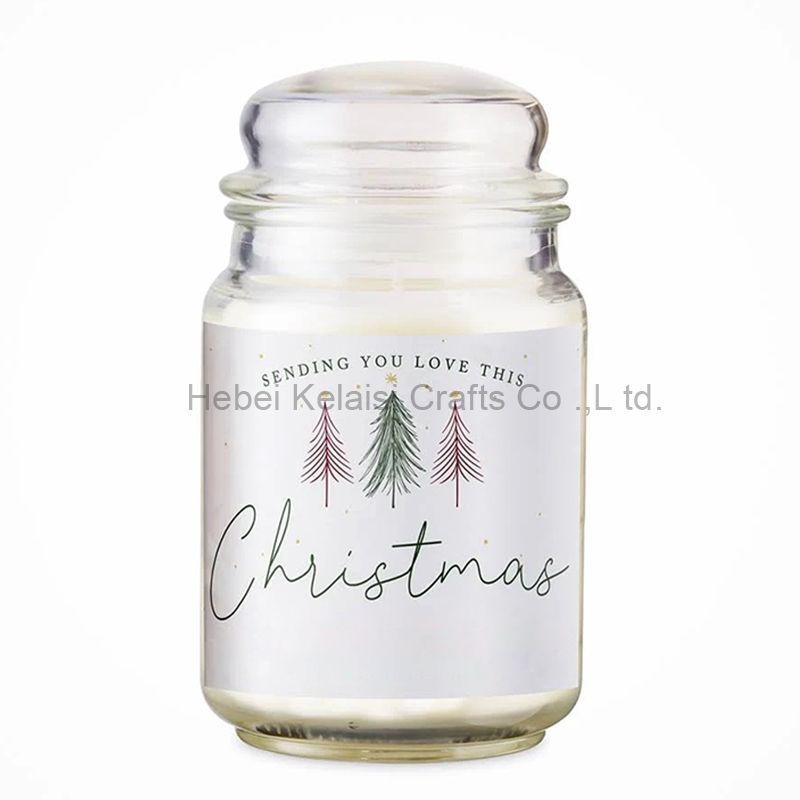 Big size decorative scented candle
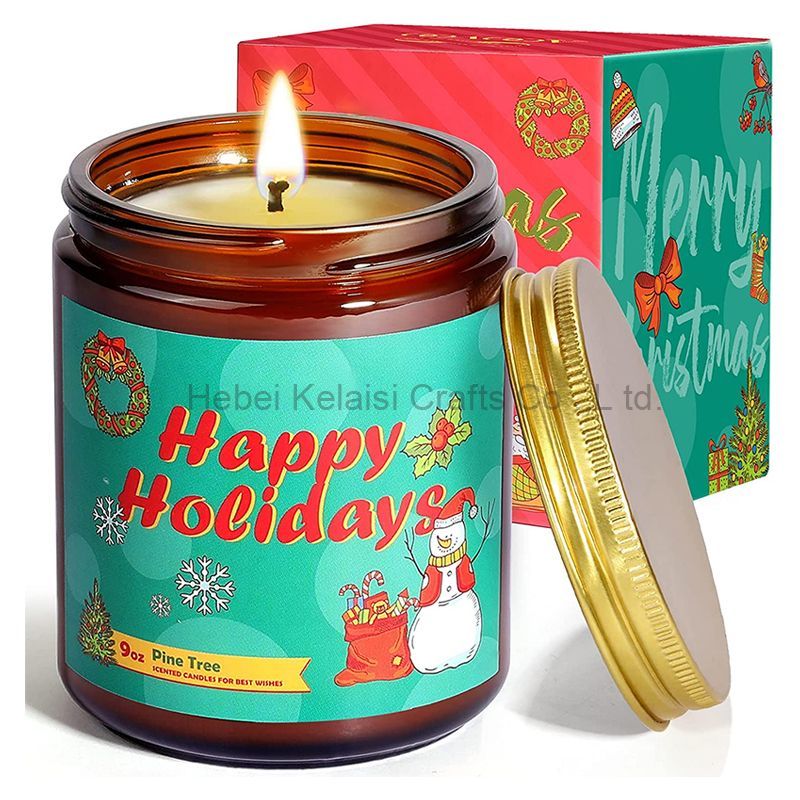 Christmas Scented Candles Gifts Sets for Women
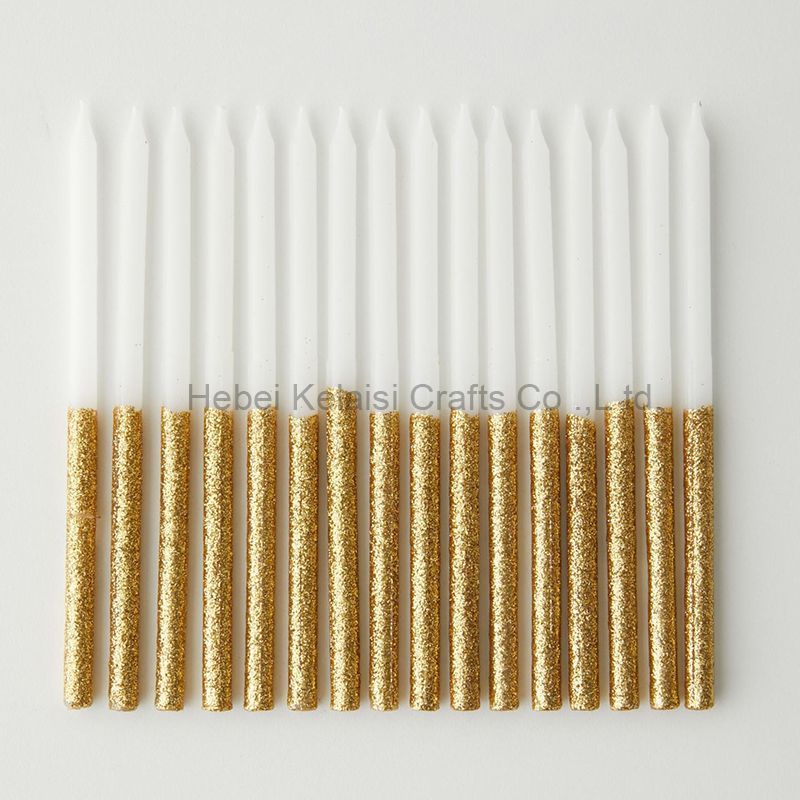 happy birthday long thin glitter cake candles
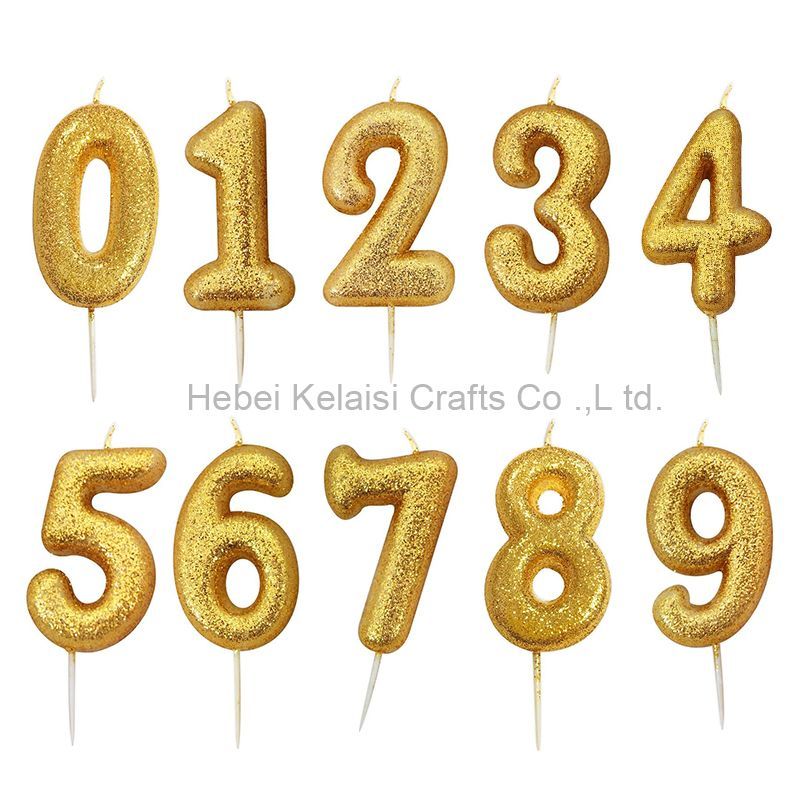 Luxury Golden Birthday Number Candle Sets
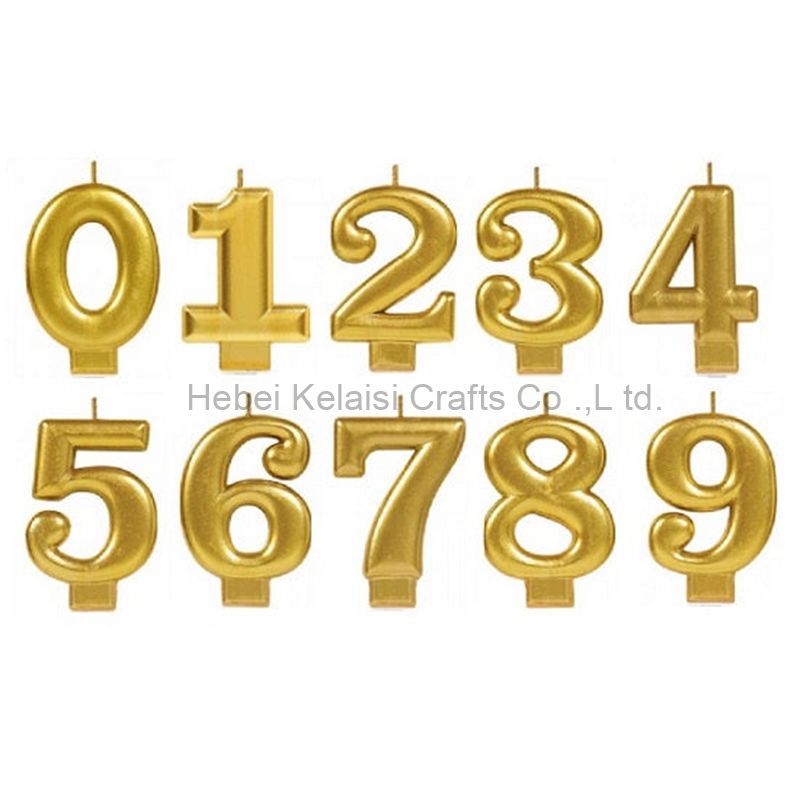 Fancy cake decoration number annual birthday candle
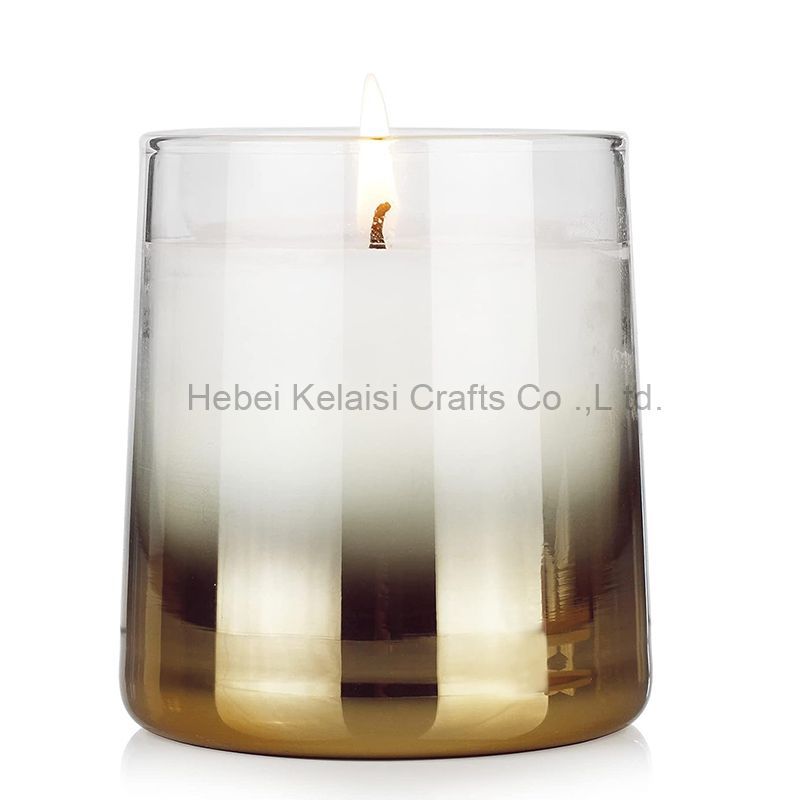 Gradient color Soy Wax Glass Jar Scented Candle
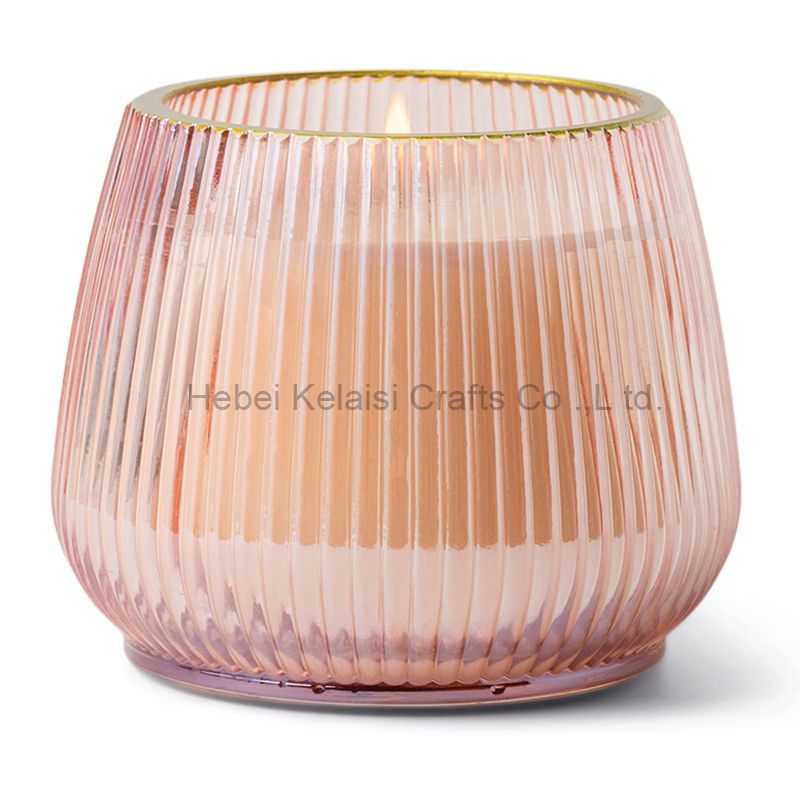 Origami Style Vertical Pattern Wine Glasses Jar Candles
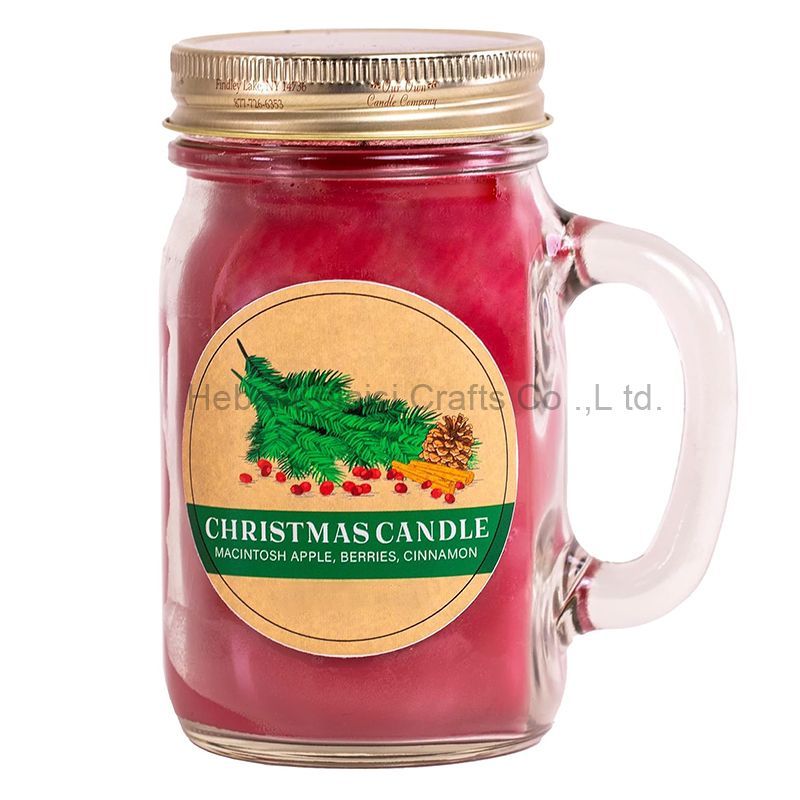 Custom Mini Glass Jar Scented Candle
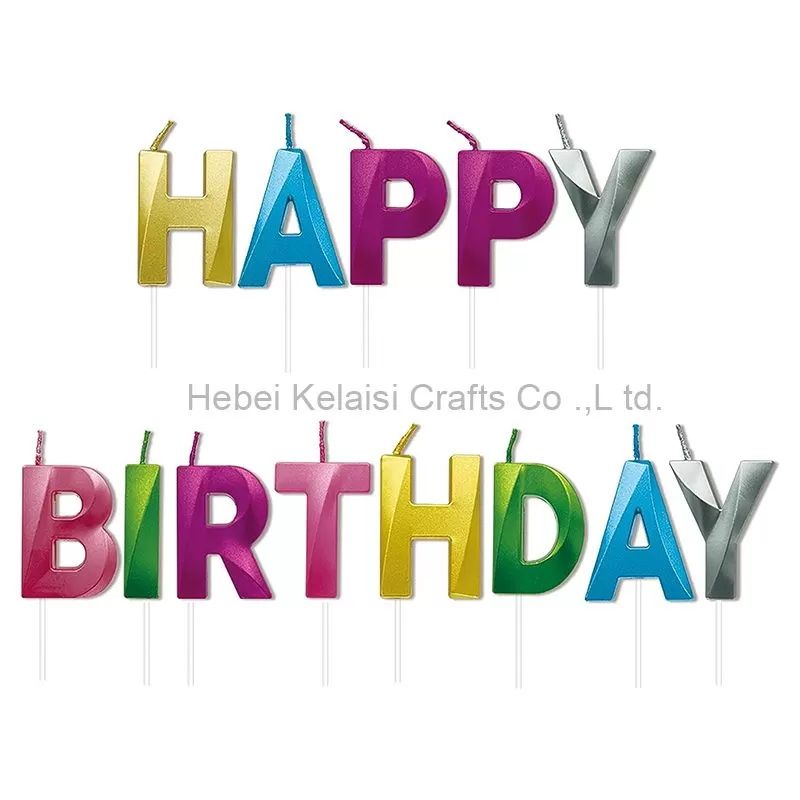 3D Letter Happy Birthday Candles
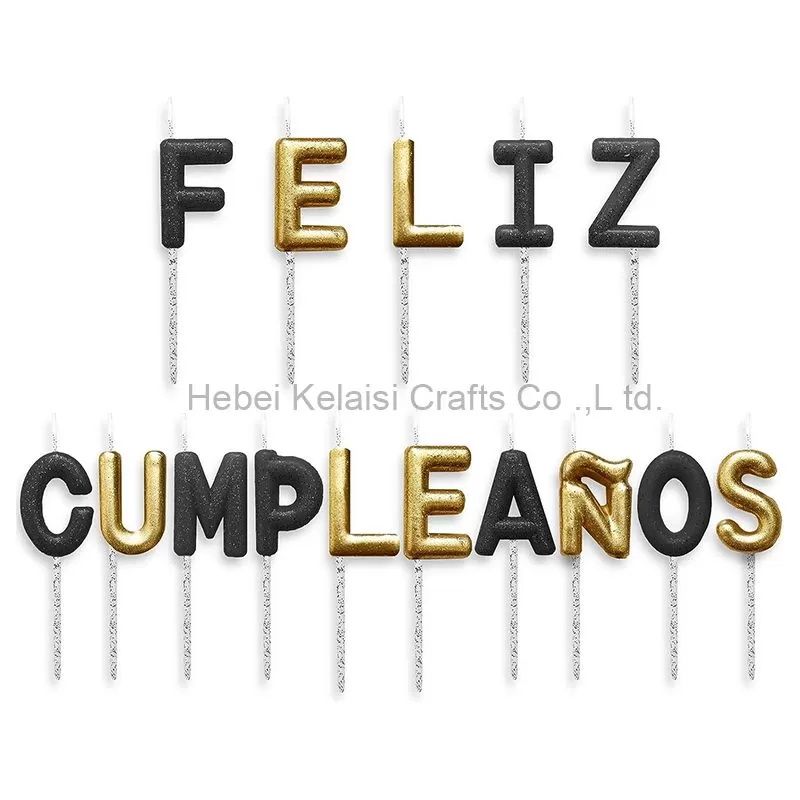 Decorative Birthday Candles
 St. Patrick's Day Decorations Set
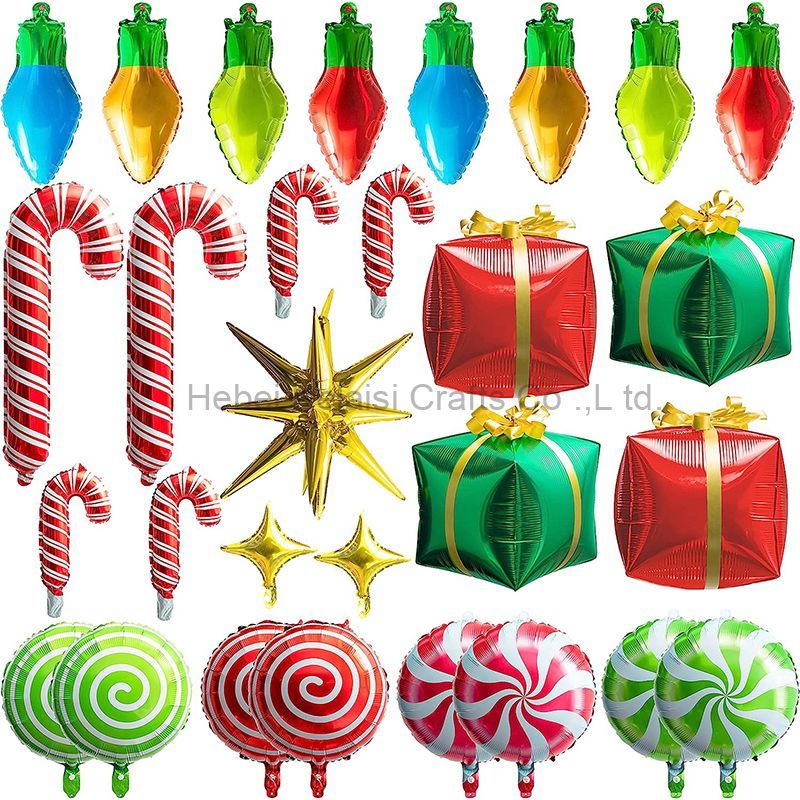 Christmas Party Balloons Supplies