Aug. 11, 2026
A US-based party supplies wholesaler improved his Labor Day preparation process by planning seasonal orders earlier, coordinating production schedules, and preparing inventory before the holiday selling period.
The wholesaler entered the Labor Day season with orders already in production and delivery timelines confirmed with retail customers.
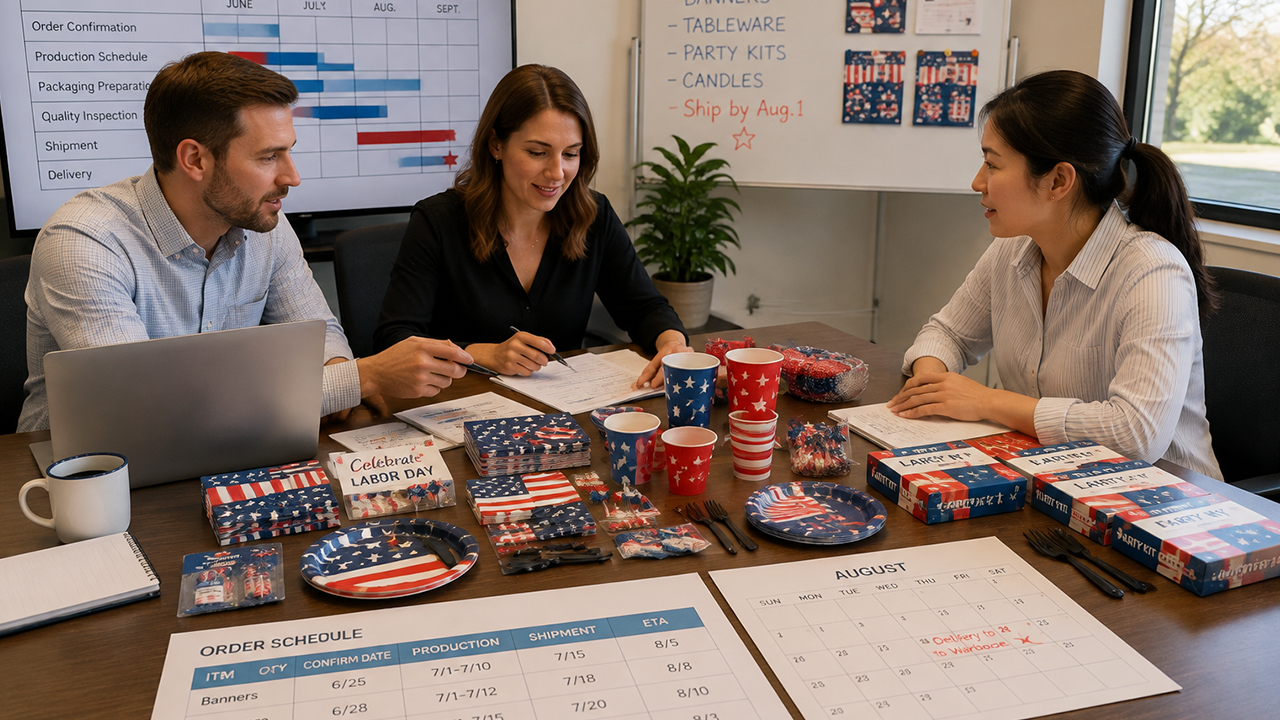
A US-based party supplies wholesaler serving independent retailers across the Northeast faced a recurring seasonal challenge.
Each year, Labor Day orders required careful coordination between retail demand, production schedules, and shipping timelines. His retail customers—ranging from small party stores to regional gift shops—relied on him for seasonal inventory ahead of major holidays. When shipments arrived late, they ended up with empty shelves while competitors had product in stock.
The wholesaler worked with Kelaisi Candle as a manufacturing partner for seasonal party product preparation. Previously, he usually started seasonal planning closer to the holiday period, leaving limited time for production and transportation. Some years the timing worked. Some years it did not. The unpredictability was becoming a strain on his customer relationships.
The wholesaler faced four connected challenges.
Limited planning time. By the time he began the seasonal ordering process, production slots were already being filled by other seasonal programs. This left less room for flexibility and increased the risk of delays.
Production schedule pressure. Overseas production lead times typically require several weeks. Factories shift capacity toward different seasonal products throughout the year, and Labor Day items compete for production slots with back-to-school and early fall orders.
Packaging and product preparation. Seasonal products often require specific packaging, colors, and designs. Preparing these details too late could affect production schedules and delivery timing.
Shipping risk. Ocean freight timelines can be affected by port congestion, customs clearance, and other logistical factors. A delay at any point in the chain could mean missed shelf dates for retail customers.

We began working with the wholesaler earlier than in previous seasons. Instead of waiting for retail customers to place orders, we reviewed previous seasonal order records and product requirements with the wholesaler. This helped identify which product categories had been most consistent year over year—outdoor entertaining items, decorative banners, and pre-packaged party kits.
The review allowed us to separate core items with predictable demand from trend-driven products that required more flexibility. This distinction became the foundation for the ordering plan.
Based on the order review, we confirmed production timelines for the core items early. This secured production capacity before the factory schedule became fully committed to Q4 holiday orders.
We coordinated candle production, decoration production, packaging preparation, and shipment schedules based on the final delivery timeline. The production schedule was aligned with the wholesaler's delivery requirements, and packaging and material preparation were planned to avoid delays later in the process.
We recommended a two-stage approach.
The first stage covered core seasonal items with stable demand. These were ordered early to secure production slots and shipping timelines.
The second stage allowed flexibility for additional products based on market feedback. This structure gave the wholesaler confidence to commit early while keeping room for adjustments.
Instead of waiting for production to finish before arranging transport, we secured shipping space in advance. This reduced the risk of last-minute capacity shortages and helped avoid higher freight costs during the peak shipping season.
Orders were consolidated into fewer, larger shipments to simplify warehouse receiving and reduce per-unit shipping costs.

The wholesaler received Labor Day inventory before the holiday selling period, giving retail customers more time to prepare seasonal displays.
The earlier planning process reduced pressure during the peak season and created a smoother transition between ordering, production, and delivery. The wholesaler was able to confirm delivery timelines with retail customers in advance, which helped strengthen those relationships.
By confirming the core order early, the wholesaler reduced the risk of rush production arrangements and peak-season shipping pressure. The flexible second order allowed him to adjust based on early retail feedback without disrupting the overall timeline.
Seasonal planning is not only about ordering products earlier. It is about connecting consumer occasions, production schedules, and supply chain timing.
The wholesaler in this case did not change his product mix or find a cheaper supplier. He changed his timing. By starting the planning process earlier, consolidating orders, and coordinating production and shipping schedules, he turned a seasonal scramble into a smoother process.
From a manufacturing perspective, early planning is essential for production scheduling and capacity allocation. Kelaisi Candle has manufactured candles and party supplies since 1991, and has observed how seasonal planning cycles influence production timelines across different markets.
The Labor Day market will come around again next year. The businesses that plan ahead are the ones best positioned to meet demand when it arrives.

Kelaisi Candle has manufactured candles and party supplies since 1991, with facilities in Xingtai and Shijiazhuang, Hebei. We hold BSCI, SEDEX, CE, RoHS, EN71, and ASTM F963 certifications.
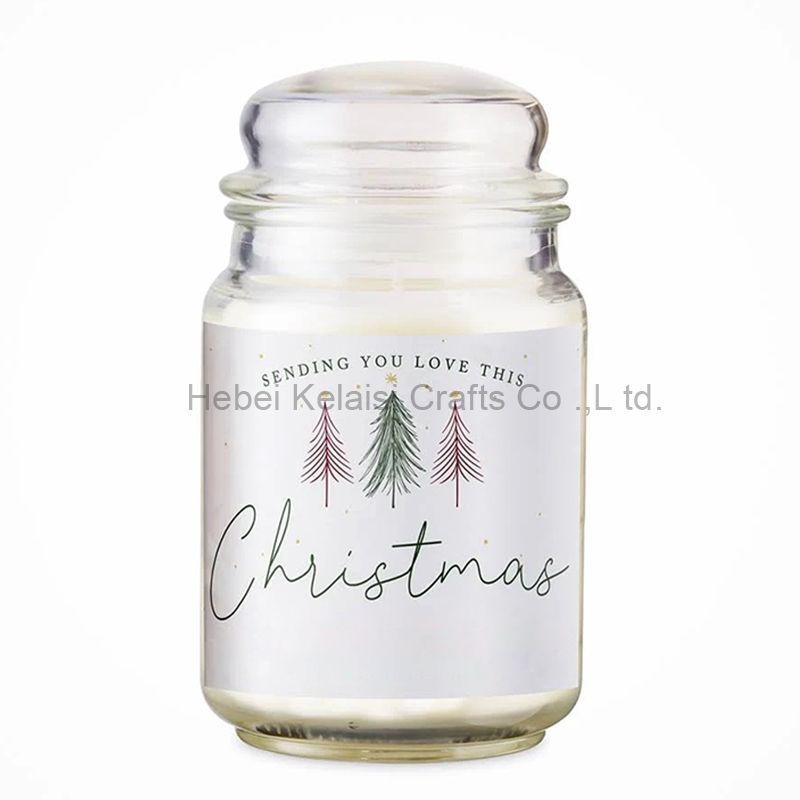 Big size decorative scented candle
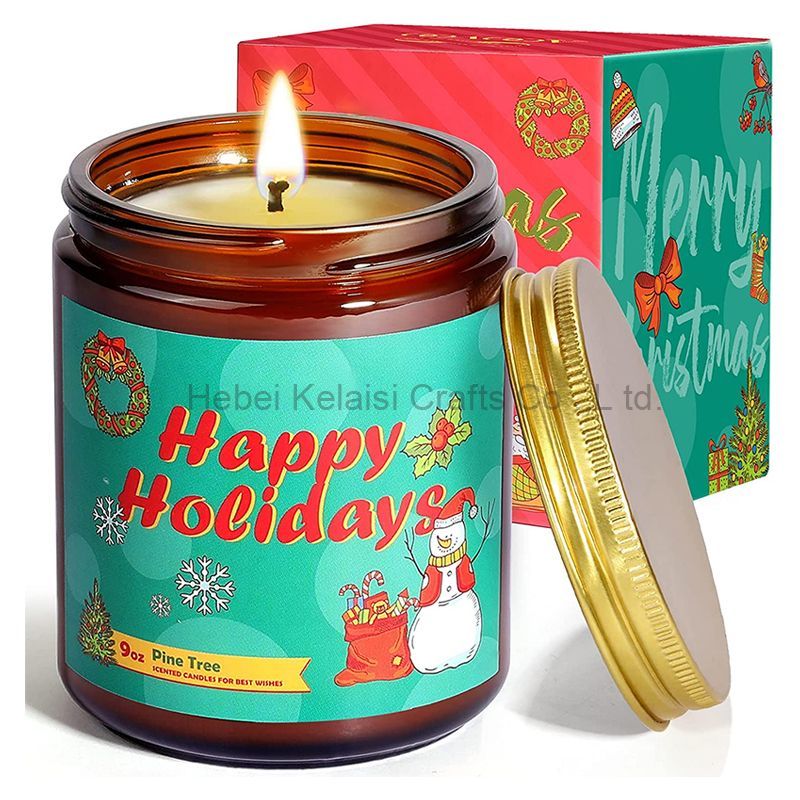 Christmas Scented Candles Gifts Sets for Women
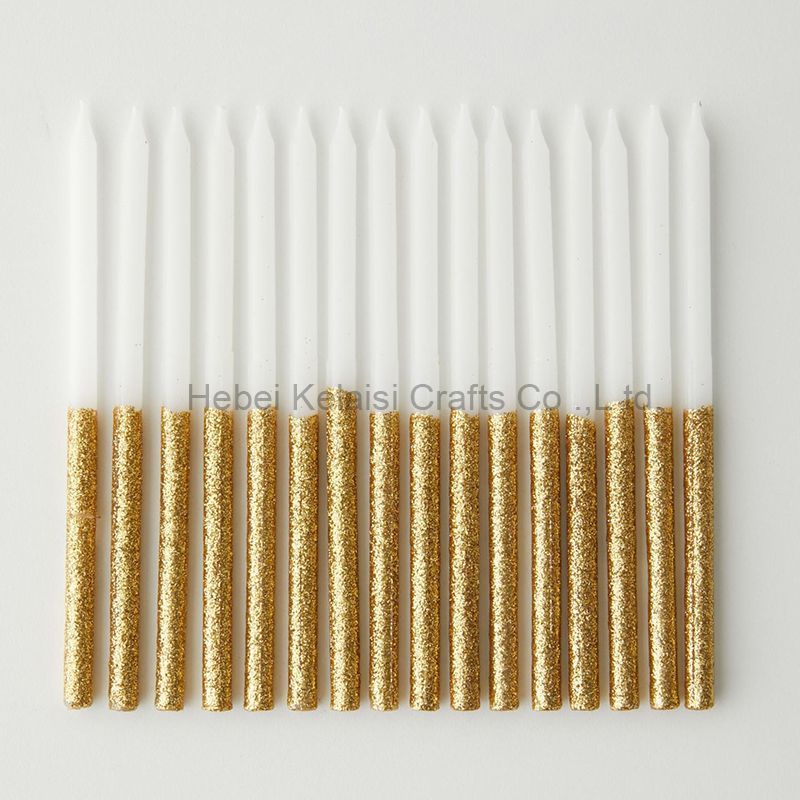 happy birthday long thin glitter cake candles
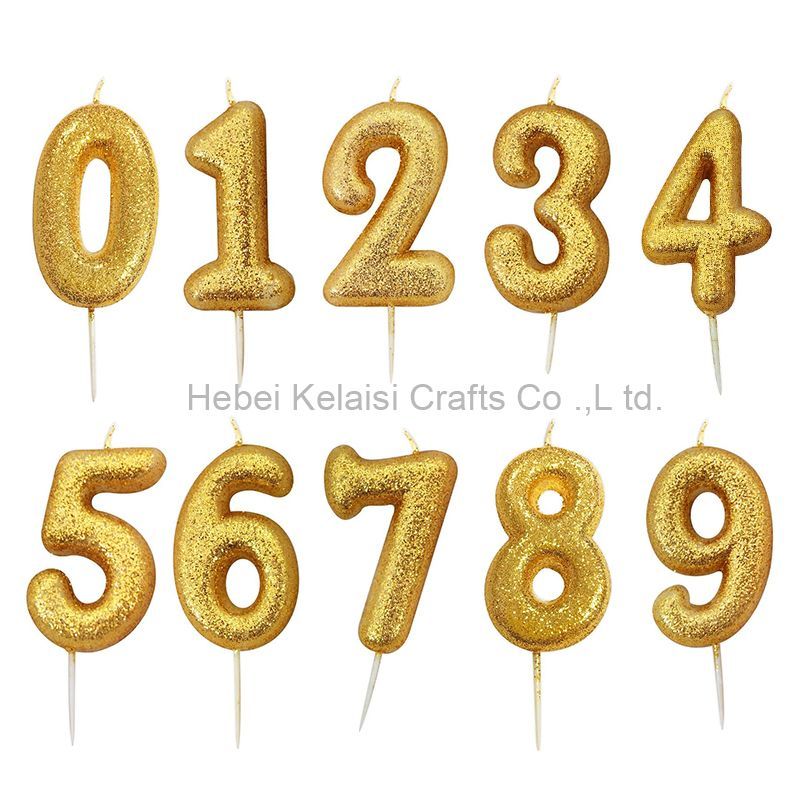 Luxury Golden Birthday Number Candle Sets
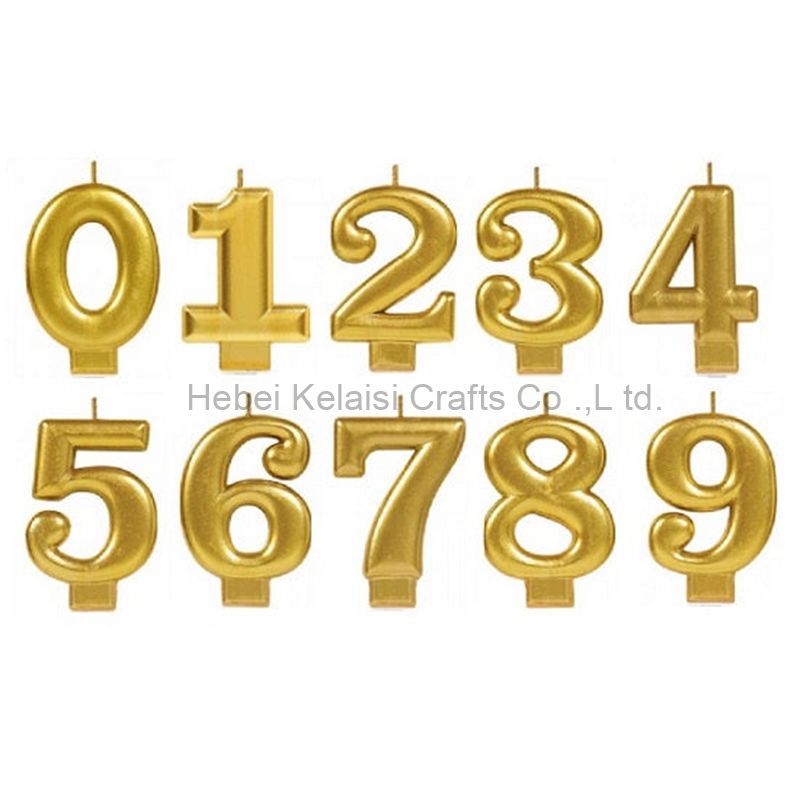 Fancy cake decoration number annual birthday candle
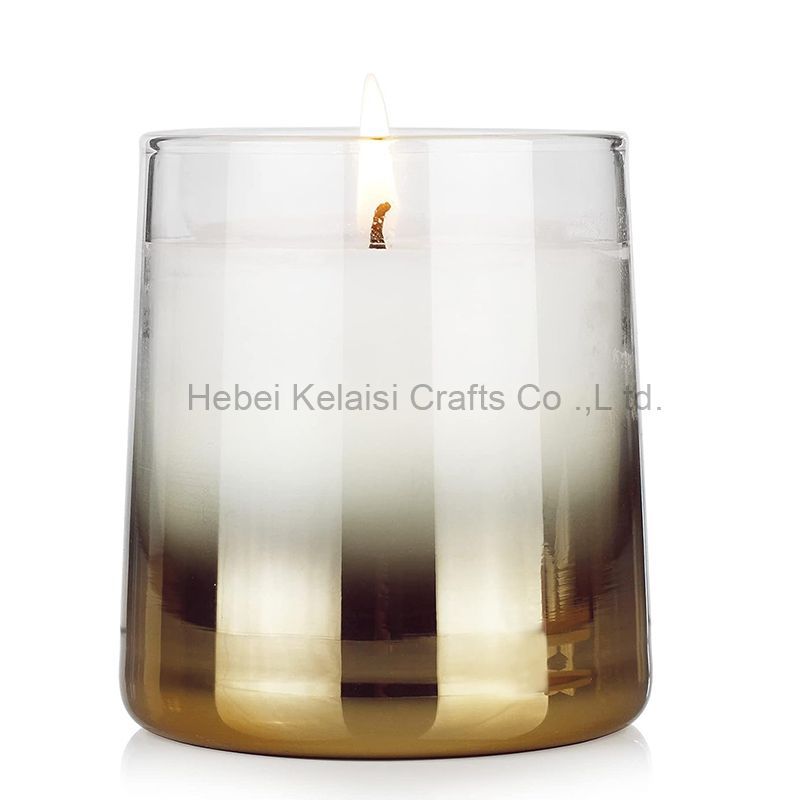 Gradient color Soy Wax Glass Jar Scented Candle
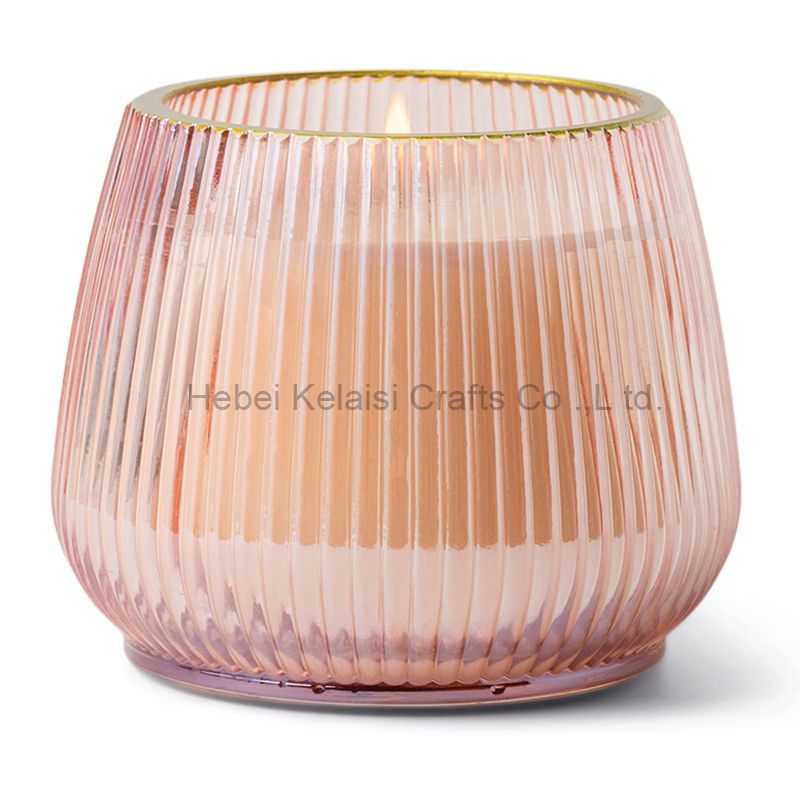 Origami Style Vertical Pattern Wine Glasses Jar Candles
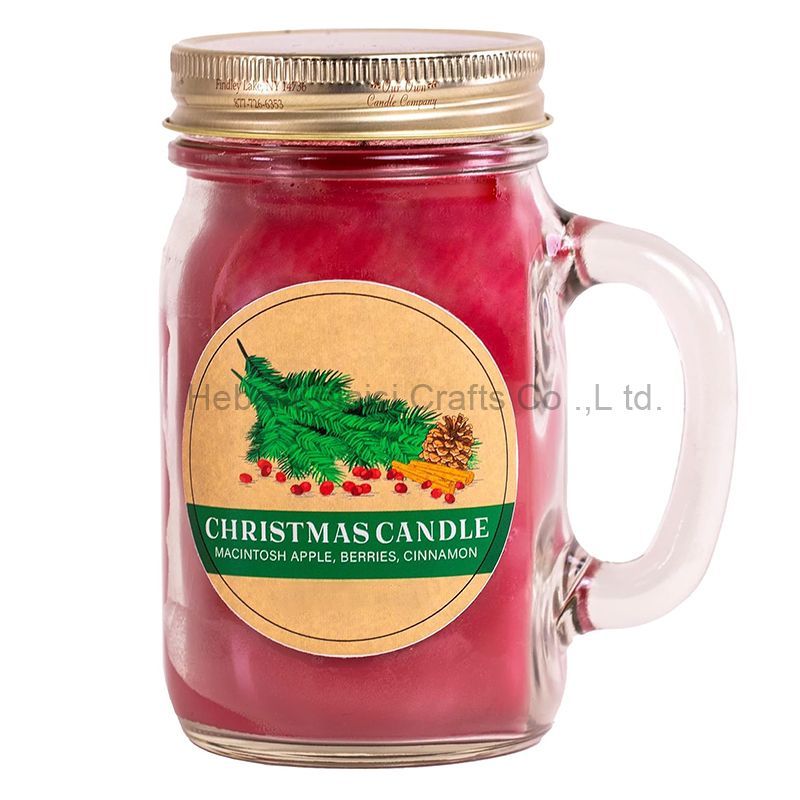 Custom Mini Glass Jar Scented Candle
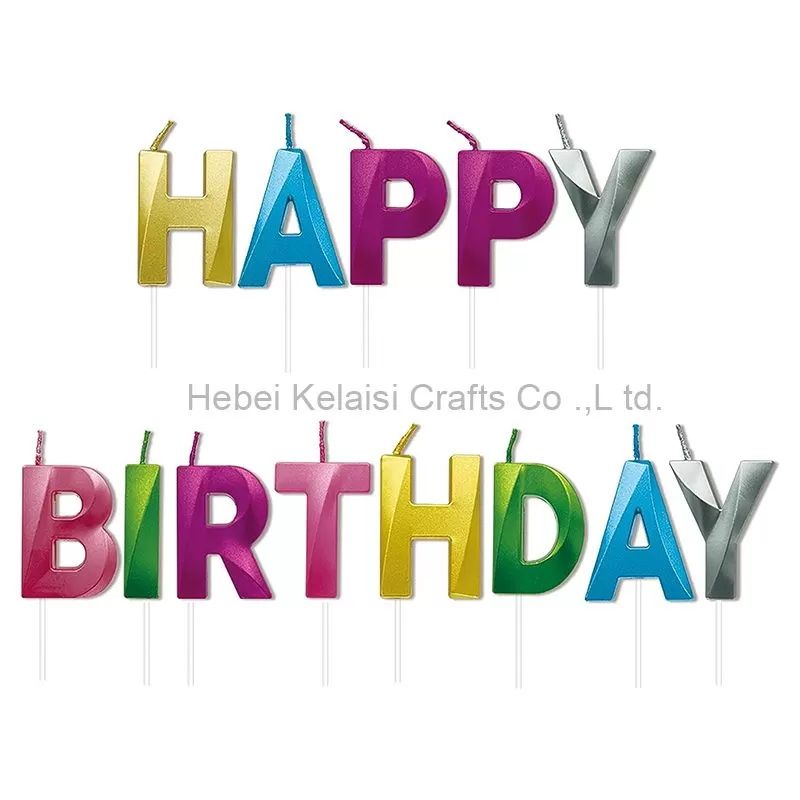 3D Letter Happy Birthday Candles
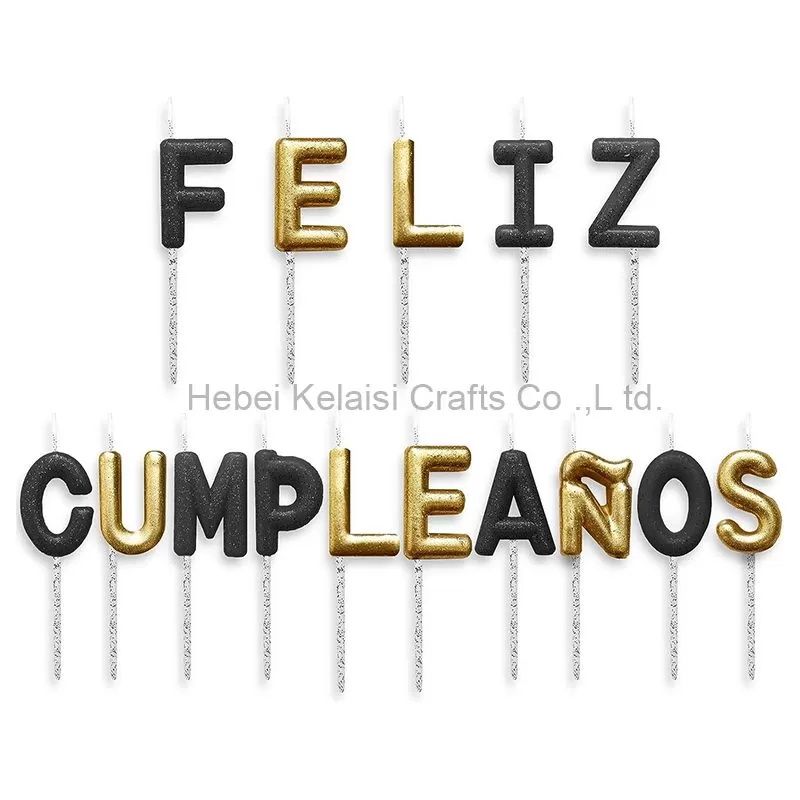 Decorative Birthday Candles
 St. Patrick's Day Decorations Set
 Christmas Party Balloons Supplies