Aug. 21, 2026
For party supplies, packaging is no longer only a tool for protecting products or displaying them on a retail shelf. It can also influence how products appear in social media content.
The following scenario illustrates how packaging can be redesigned to improve shelf visibility and social media engagement. It is based on common challenges observed in party supplies distribution.
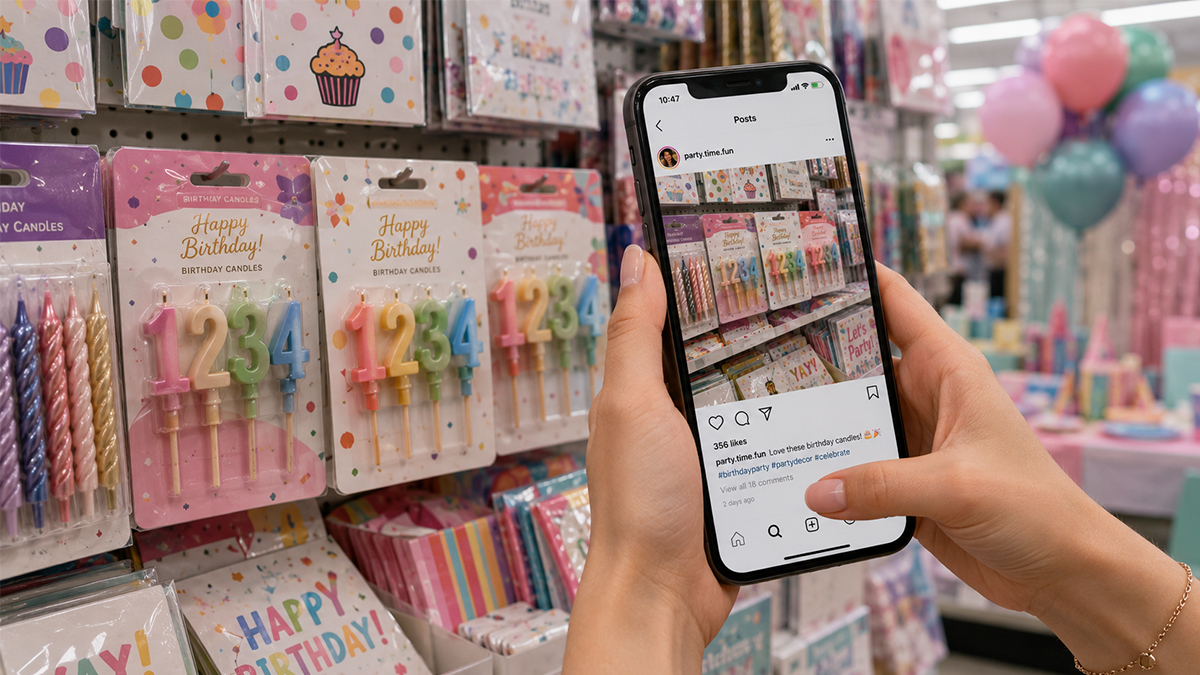
A party supplies wholesaler serving independent retailers faced a recurring problem. His products were good quality and competitively priced. But they were not moving on retail shelves as quickly as competitors' products.
He visited a competitor's store display and noticed a key difference—the competitor's products looked more like "social currency."
Specifically:
First, his packaging was purely functional. Standard blister cards, standard colors, standard sizes—designed to protect the product during shipping and make it visible on shelves. Nothing more. After consumers took the product home, the packaging offered nothing worth sharing. No surprise. No interaction. No urge to take a photo.
Second, his retail customers had almost no social media presence for his products. One retailer told him: "I posted your products, but nobody engaged. I posted another brand's products, and people asked where to buy them." The problem was not the product—it was that the product did not look good in photos.
Third, he was missing the social sharing loop. His retail customers posted party photos, but the products in those photos were often not sourced from him. His products were not appearing in the "share-worthy" moments.
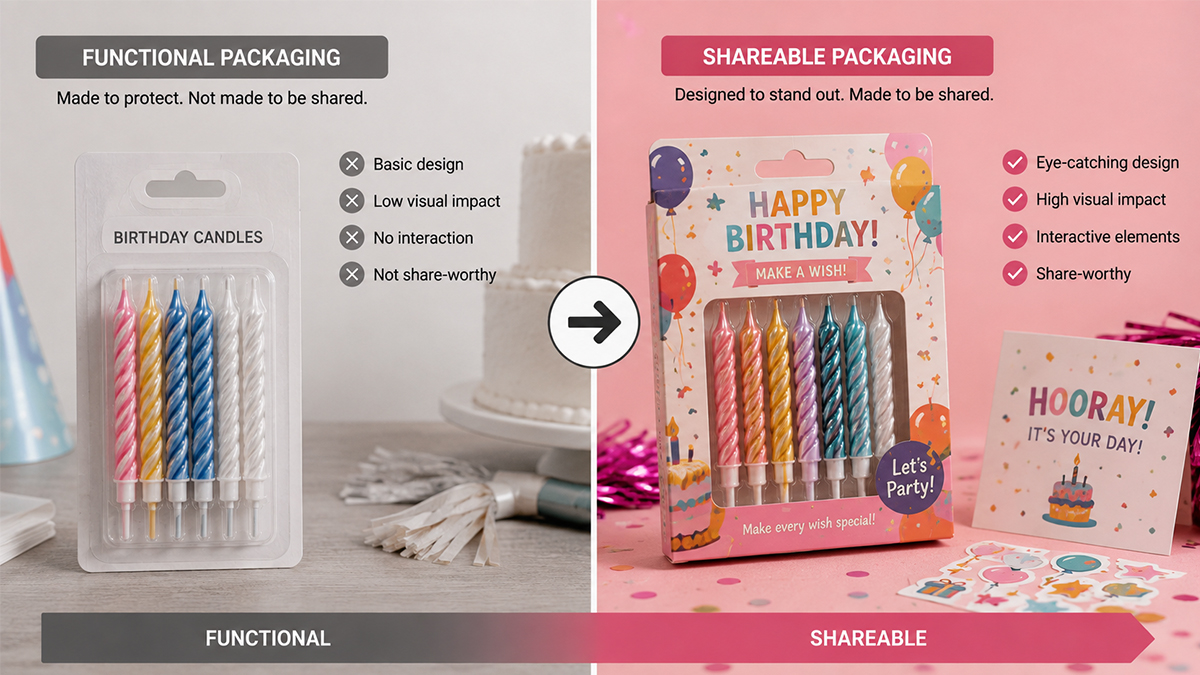
One approach is to add a removable decorative card to the packaging—printed with a party-themed pattern and a fun greeting. The card can be used as a cake decoration, party invitation, or thank-you card.
This change adds a small cost per unit, but consumers now have something "playable" after purchase. The card can be photographed, shared, and reused.
Research has shown that packaging design can influence unboxing engagement and consumers' willingness to share products online. Products that offer an interaction point are more likely to generate user content.
Packaging can be adjusted for better visual performance. Matte finishes can be replaced with spot gloss and high-saturation color blocks, making the packaging look better under both natural light and store lighting.
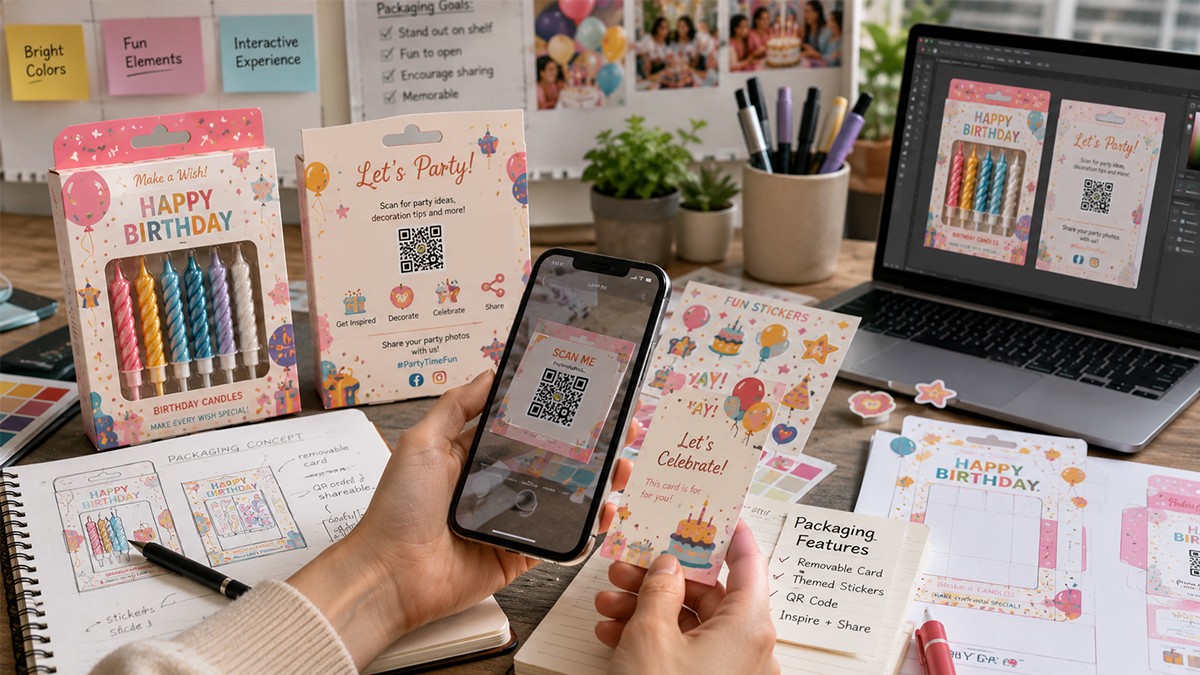
Removable themed stickers on the front of the packaging give consumers something to peel off and stick on phone cases, water bottles, or gift boxes. This increases the product's "retention value" and creates more photo opportunities.
A QR code on the packaging can link to a short page with decoration tips, color schemes, and activity ideas. At the bottom of the page, a "Share Your Party Photos" button encourages users to upload their own images.
This QR code adds little to no packaging cost, but it can create a loop from "purchase" to "share." Consumers scan, get inspired, host a party, take photos, and share—each step creating another opportunity for the product to appear in user-generated content.
A packaging strategy like this could influence several areas of product performance:
Retail customers may find that the new packaging stands out better on shelves. Party photos posted by retailers could show higher use of the redesigned packaging products. Decorative cards and themed stickers may appear more frequently in user-generated content, increasing the product's social visibility.
Retail customers might become more willing to recommend products that "look good in photos." Packaging can become a sales tool, not just a container.
Consumers who see friends using these products on social media may be more likely to purchase from the same store. The social sharing loop created by the packaging could generate sustained demand.
Compared to similar competing products, well-designed packaging is more likely to appear on social media. In a visual-driven purchasing environment, this difference can translate directly into sales.
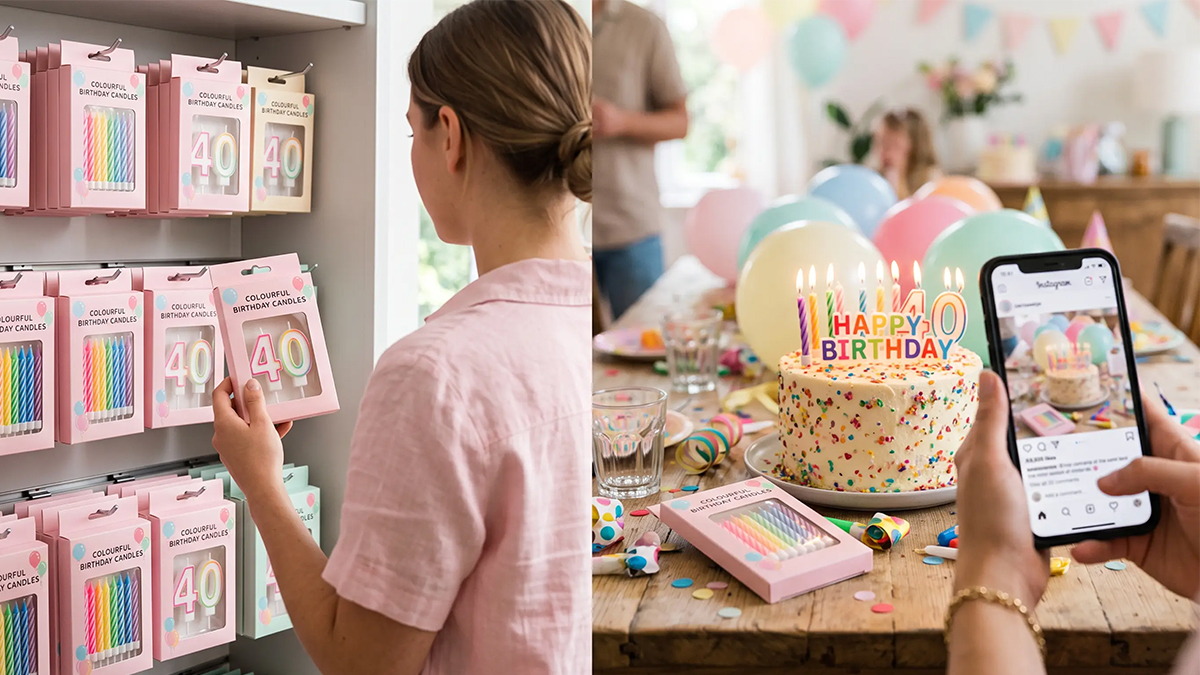
Packaging is no longer just a container. It is the product's "first impression" on social media—and a key factor in whether consumers decide to share.
For party supplies, this effect is especially strong. Parties are inherently social events—people take photos, share, and show off. If packaging does not play a role in this process, it is missing a free marketing channel.
For manufacturers and distributors, understanding this dynamic is becoming essential. Products that fail to generate social media visibility increasingly lose shelf space to competitors with better visual design.
Good packaging needs to work in two environments: on the retail shelf and in the consumer's social media feed. For party supplies, where visual presentation is closely connected to the celebration experience, packaging can influence both product visibility and consumer engagement.
Kelaisi Candle has manufactured candles and party supplies since 1991, with facilities in Xingtai and Shijiazhuang, Hebei. We hold BSCI, SEDEX, CE, RoHS, EN71, and ASTM F963 certifications.
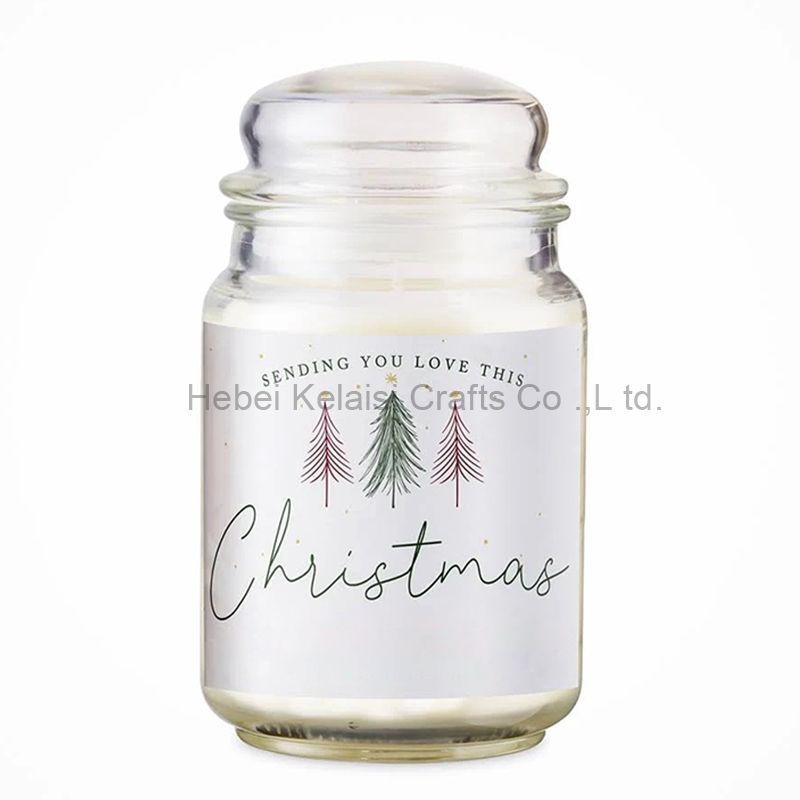 Big size decorative scented candle
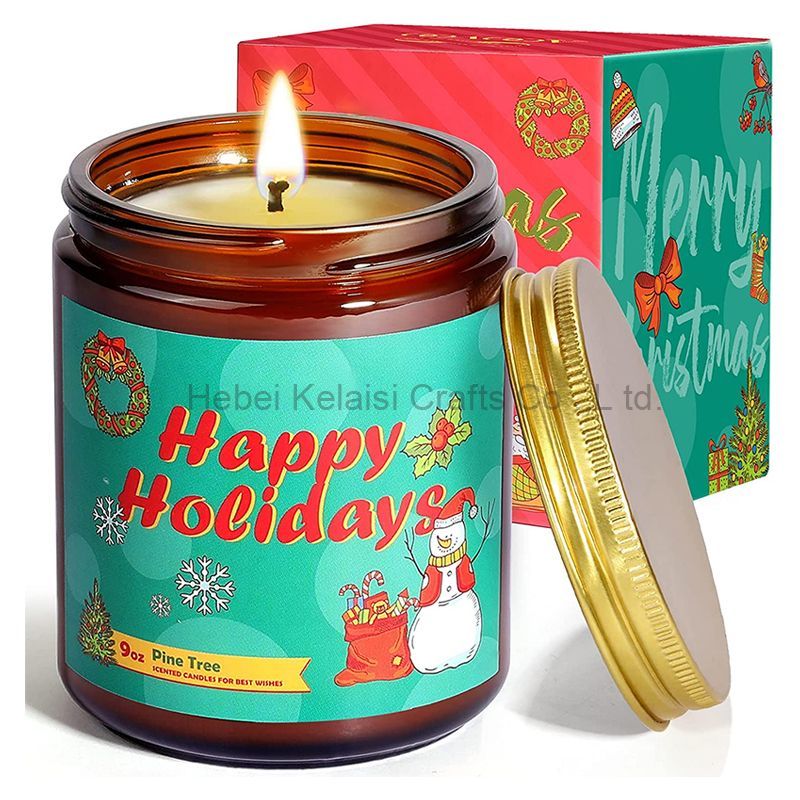 Christmas Scented Candles Gifts Sets for Women
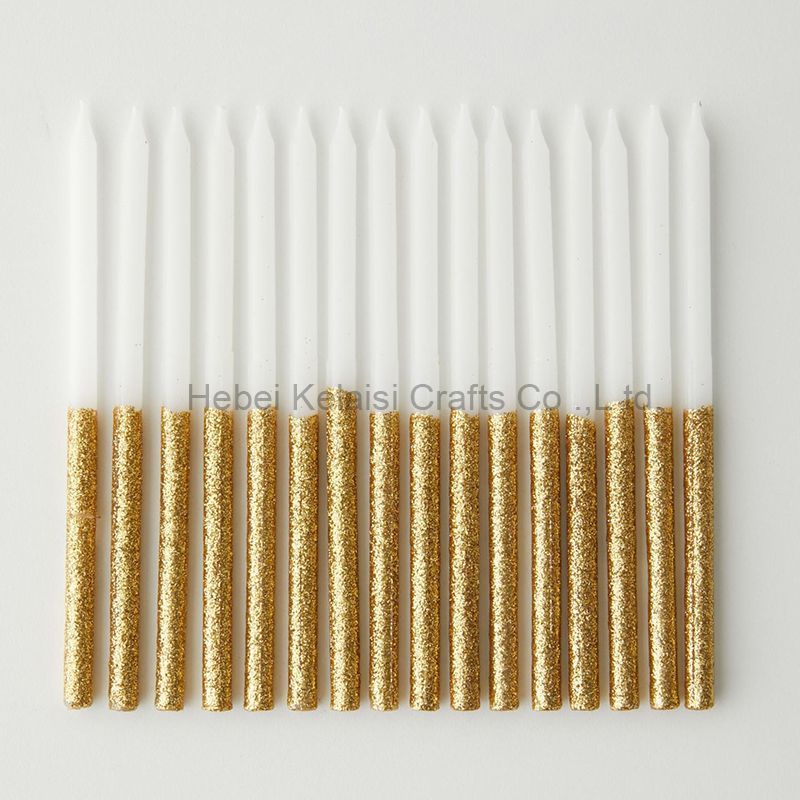 happy birthday long thin glitter cake candles
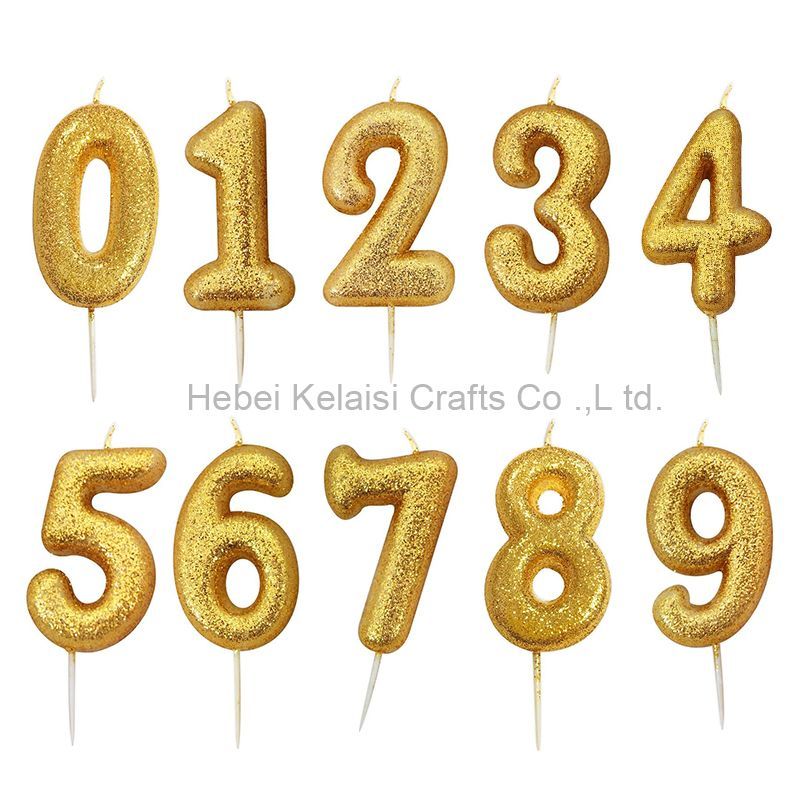 Luxury Golden Birthday Number Candle Sets
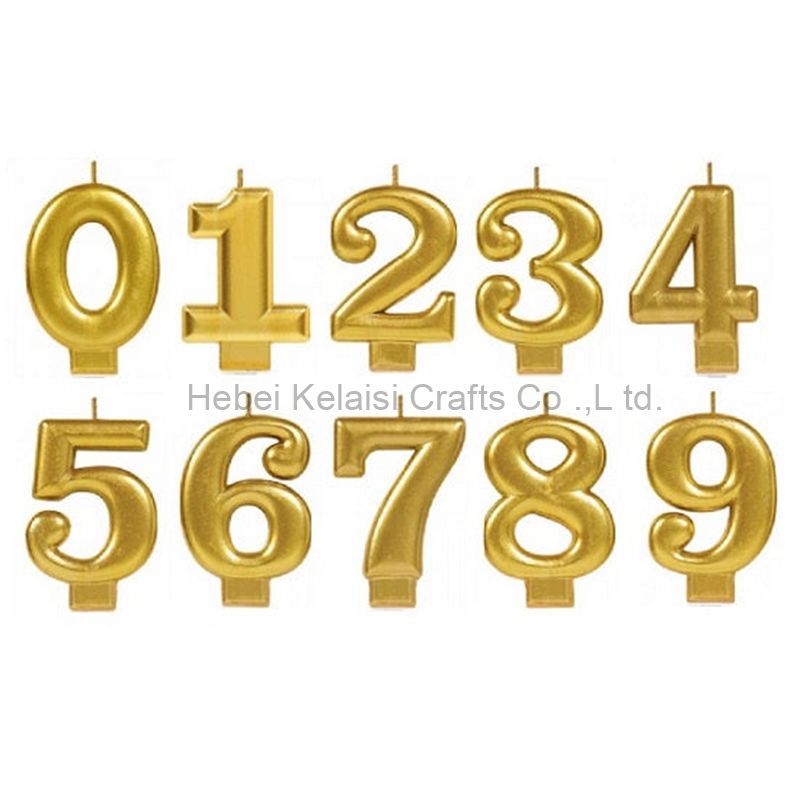 Fancy cake decoration number annual birthday candle
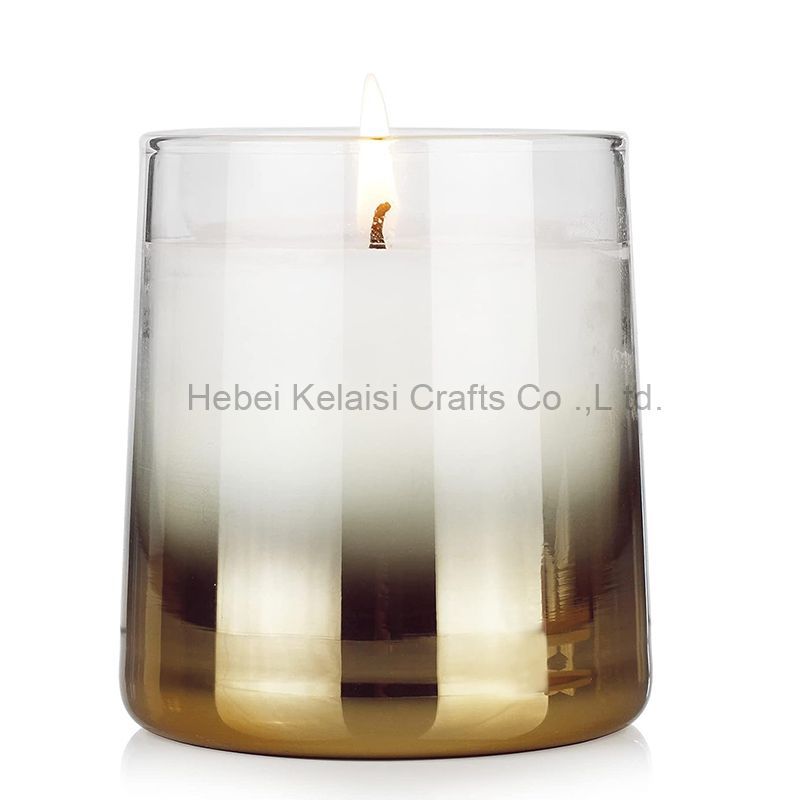 Gradient color Soy Wax Glass Jar Scented Candle
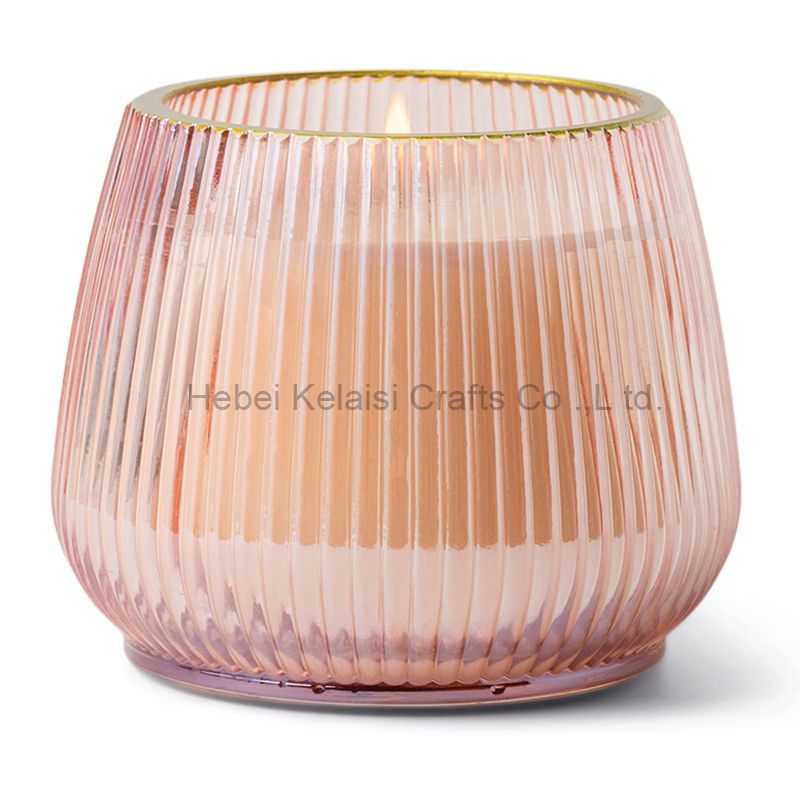 Origami Style Vertical Pattern Wine Glasses Jar Candles
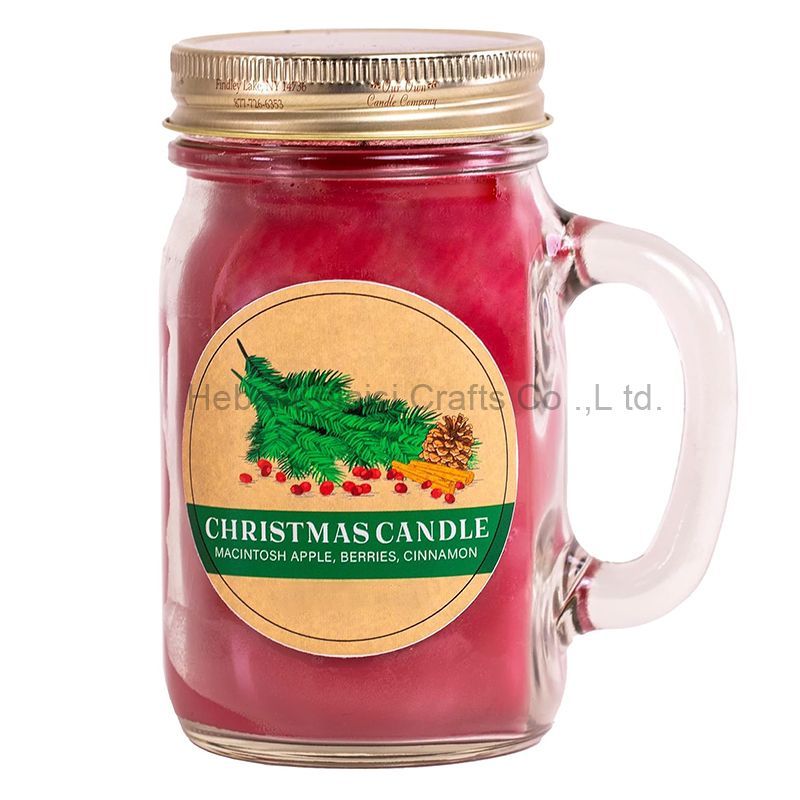 Custom Mini Glass Jar Scented Candle
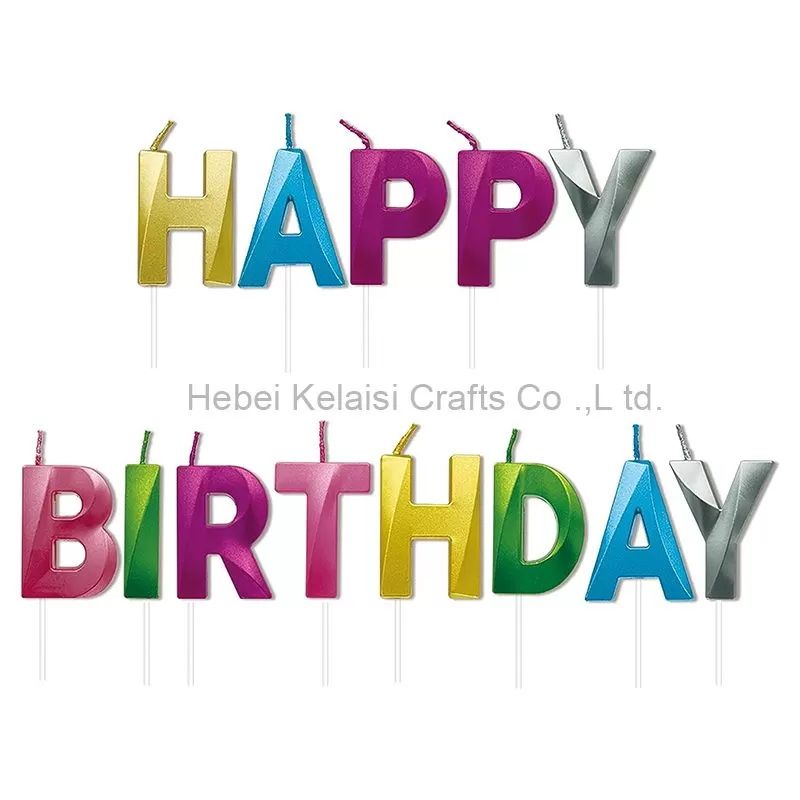 3D Letter Happy Birthday Candles
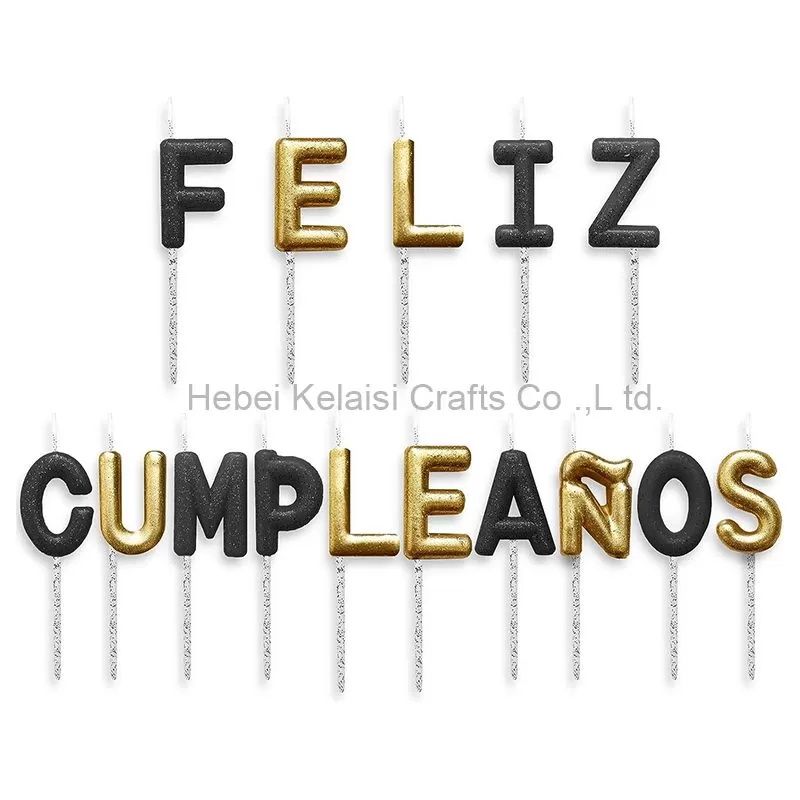 Decorative Birthday Candles
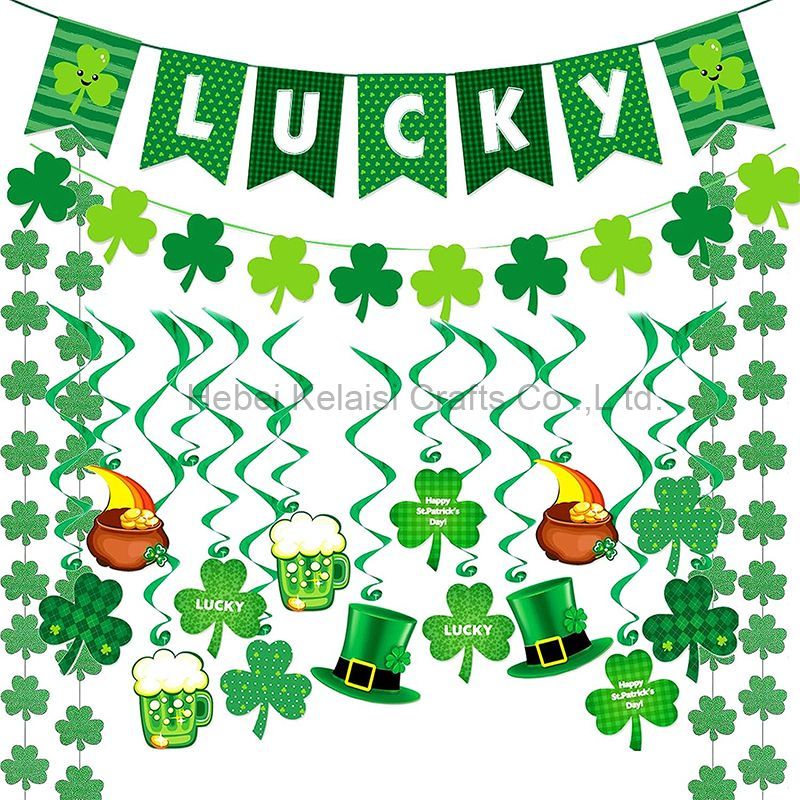 St. Patrick's Day Decorations Set
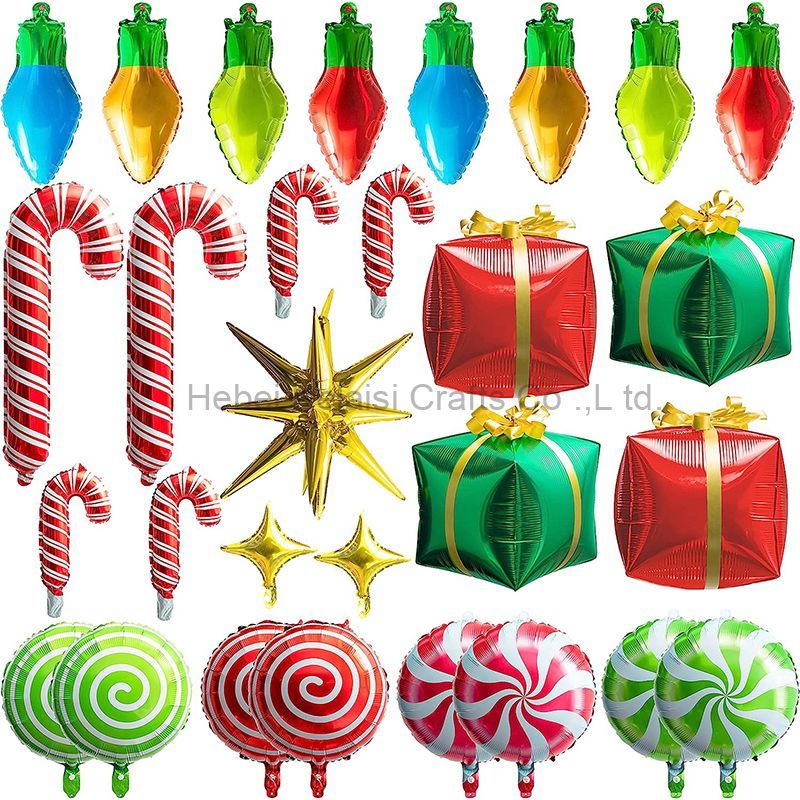 Christmas Party Balloons Supplies