Aug. 13, 2026
August 13 is International Left-Handers Day.
It is a day for recognizing that roughly 10% of the global population — about 800 million people — navigate a world designed primarily for right-handed users. Scissors, computer mice, can openers, spiral notebooks — almost every everyday tool has a built-in "handedness." Left-handed users have to adapt, buy specialized versions, or simply accept the inconvenience.
But there is one category of everyday product that is naturally different: candles.
This is not a coincidence. It is a feature of how candles are made — and it offers a useful perspective on product design, manufacturing, and retail selection.
A standard birthday candle is symmetrical. Whether you hold it with your left hand or right hand, the experience is exactly the same. There is no "right-handed version." There is no "left-handed version." There is just the candle.
This symmetry exists at multiple levels:
Shape symmetry. Cylindrical, tapered, spiral, or number-shaped—most candle forms are mirror-symmetric. Number candles like "0," "1," "3," and "8" are symmetrical in themselves. Spiral candles may have a directional twist, but the visual and functional experience is identical regardless of which hand you use.
Functional symmetry. Candles have no "front" or "back." No label says "use with right hand only." No instruction manual specifies a preferred grip. Anyone can pick up a candle, light it, and it burns the same way.
Experiential symmetry. The ritual of lighting a candle — striking the match, holding the candle, placing it on a cake, blowing it out — does not require a specific hand. A left-handed person and a right-handed person perform the same actions with the same ease.
This kind of symmetry is rare in consumer products. Most items are designed with right-handed users as the default. Left-handed users adapt. Candles do not require adaptation. They simply work.
In product design, "universal design" refers to products that are usable by all people, to the greatest extent possible, without the need for adaptation.
Most products fail this test. They are designed for the majority and assume the minority will adjust.
Candles are different. Not because designers specifically considered left-handed users, but because the product's essential characteristics—symmetry, simplicity, and lack of directional components—make them naturally accessible to everyone.
This is worth noting because it represents a design principle that is becoming more relevant as consumer expectations evolve. Universal design is not just about accessibility. It is about reducing friction. A product that works for everyone creates fewer barriers, fewer returns, fewer complaints, and fewer moments of frustration.
For buyers sourcing candles for retail, this detail is worth keeping in mind.
First, product inclusivity is an underrated retail advantage. Most consumers do not consciously think about whether a product is left-handed friendly—until they encounter one that is not. Candles do not create that friction point. This translates into fewer product returns, fewer negative reviews, and fewer customer service issues.
Second, universal design is becoming a consideration in product selection. Retailers are increasingly paying attention to whether products are accessible to a wide range of users. Candles naturally meet this criterion. Buyers can use this as a selling point when presenting products to retailers.
Third, the principle extends beyond candles. While candles are naturally symmetrical, other party supplies are not. Scissors, openers, and some decorations may have "handedness" issues. Buyers who are aware of these differences can make more informed sourcing decisions.
Fourth, sustainability and universal design often overlap. Products that are simpler in design and manufactured without excessive components tend to be easier to produce and have less material waste. This is a secondary but relevant consideration for retail buyers assessing suppliers.
This observation matters because it points to something larger: the best product designs are often the ones you do not notice.
When a product works, you do not think about why it works. You just use it. Candles are like that. They are simple. They are symmetrical. They do not ask you which hand you prefer.
International Left-Handers Day is a reminder that 10% of the global population experiences the world differently—not because they are different, but because the world was designed for the other 90%.
Candles are one of the few products that make no distinction. That is worth paying attention to—whether you are a designer, a manufacturer, or a buyer.
Kelaisi Candle has manufactured candles and party supplies since 1991, with facilities in Xingtai and Shijiazhuang, Hebei. We hold BSCI, SEDEX, CE, RoHS, EN71, and ASTM F963 certifications.
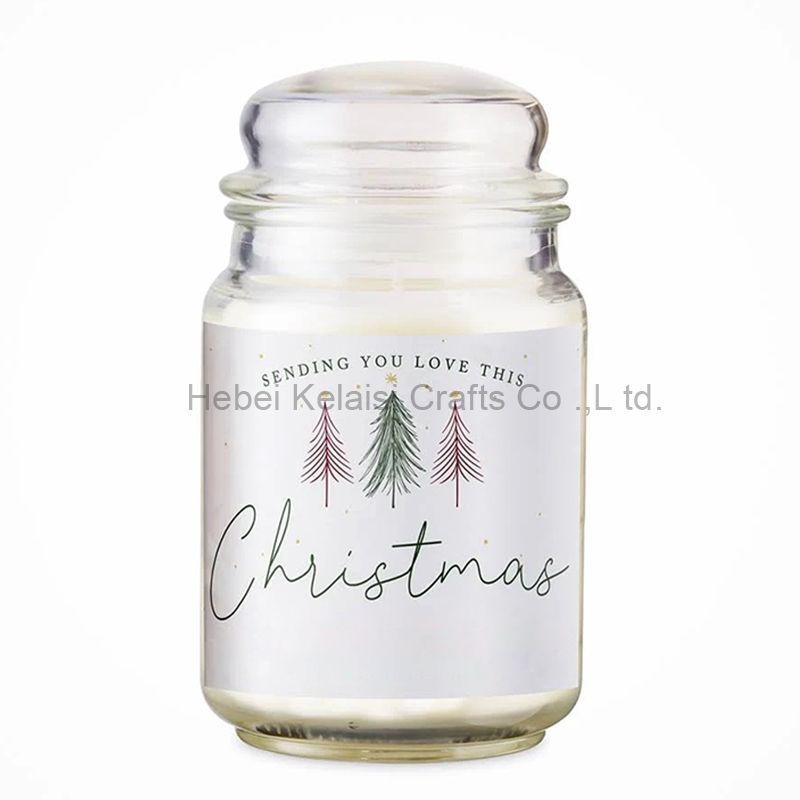 Big size decorative scented candle
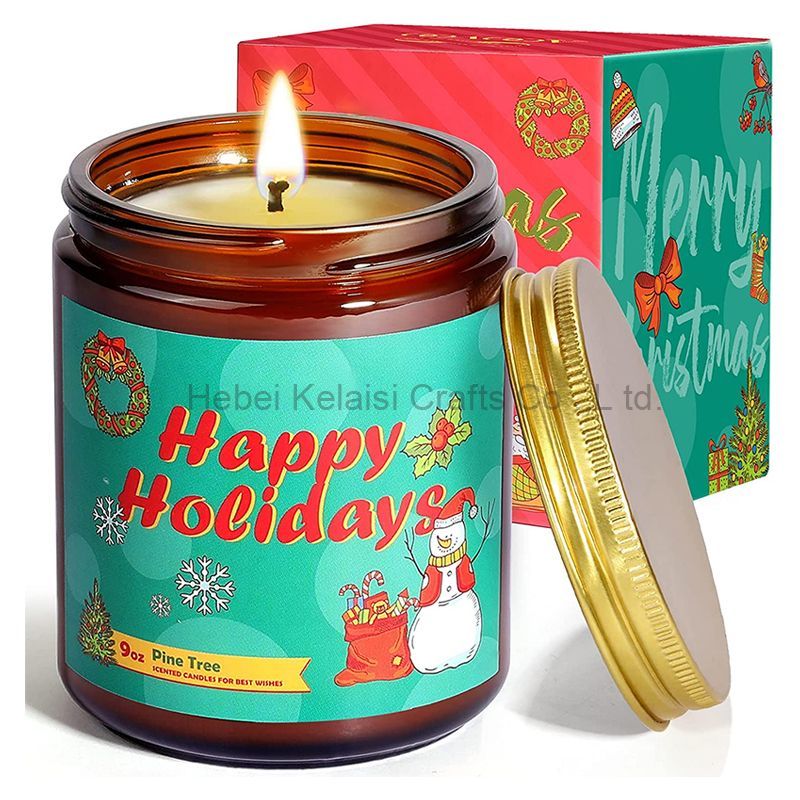 Christmas Scented Candles Gifts Sets for Women
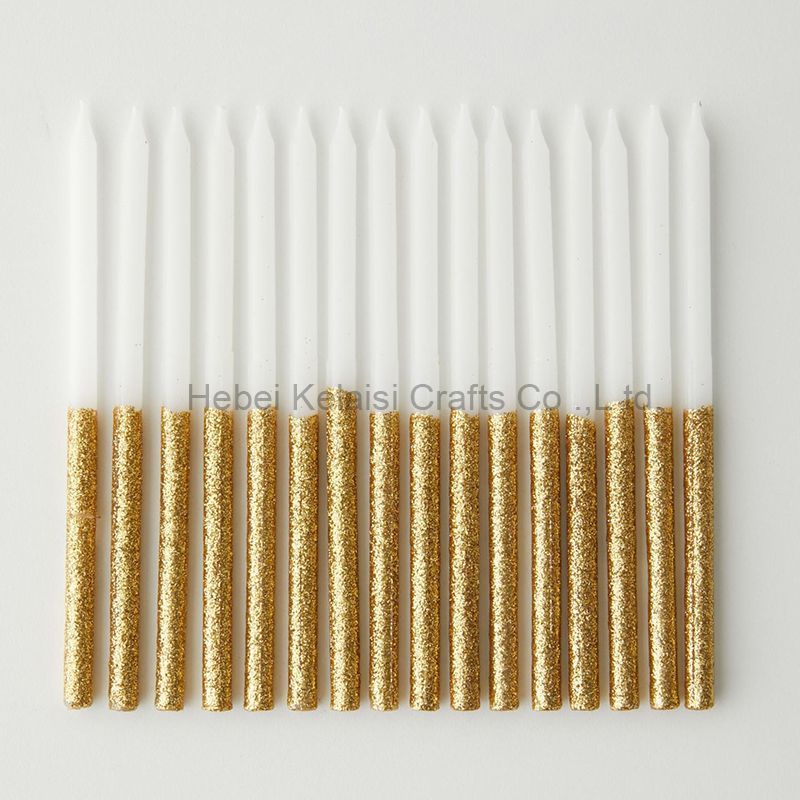 happy birthday long thin glitter cake candles
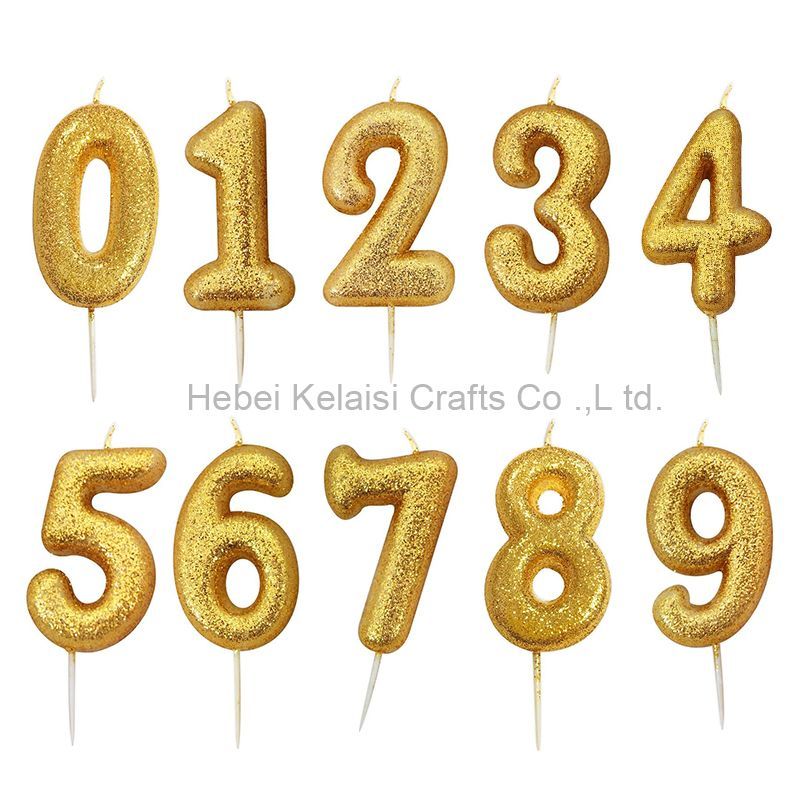 Luxury Golden Birthday Number Candle Sets
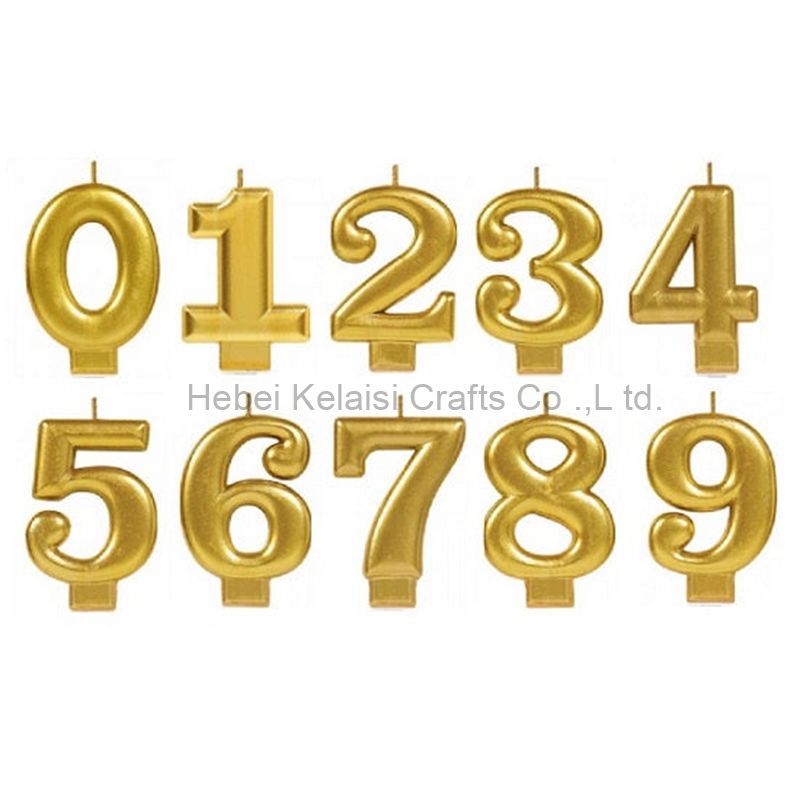 Fancy cake decoration number annual birthday candle
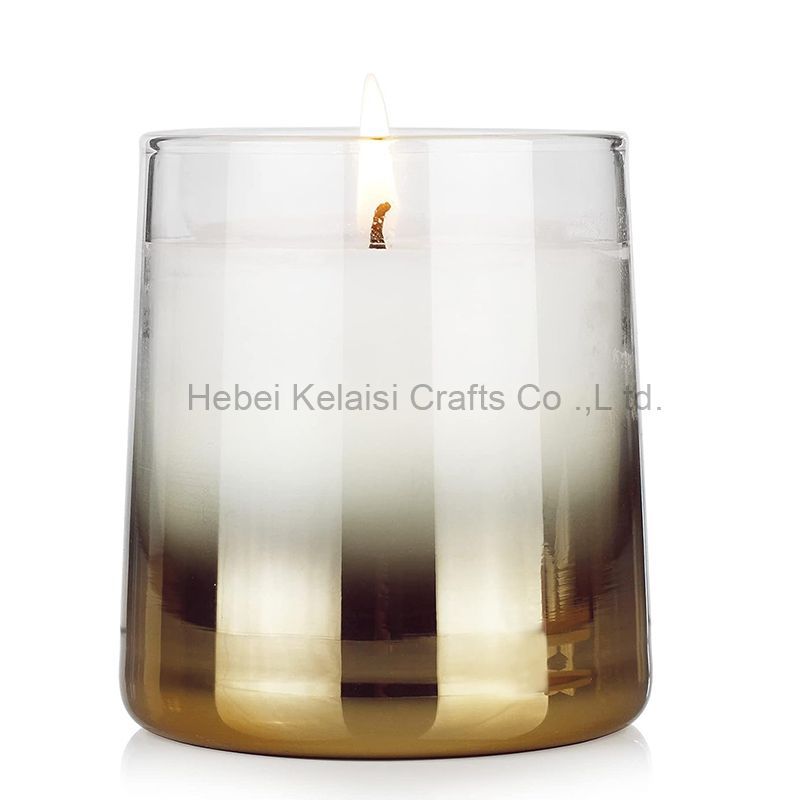 Gradient color Soy Wax Glass Jar Scented Candle
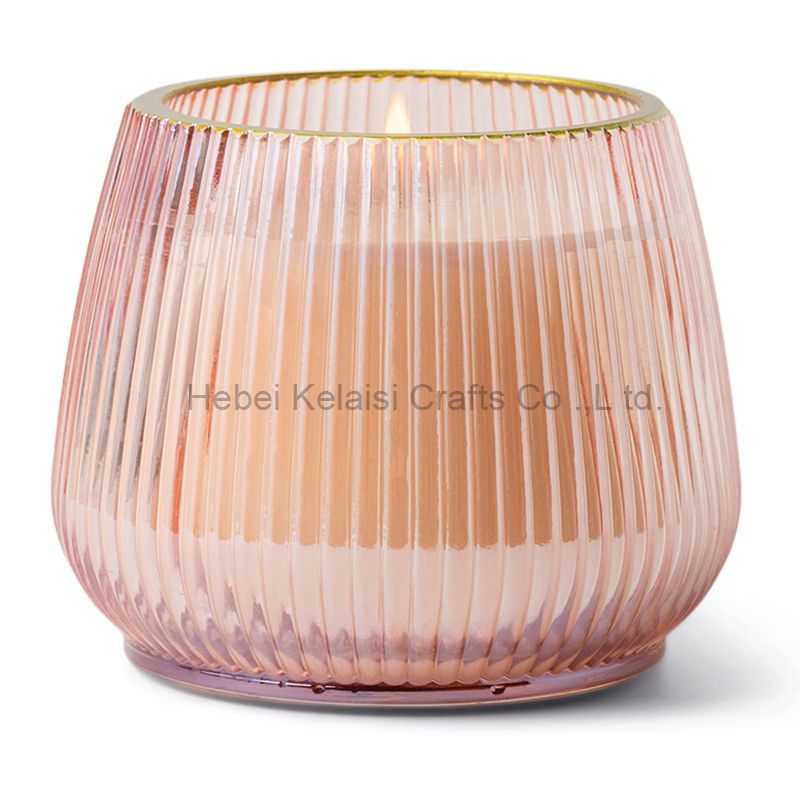 Origami Style Vertical Pattern Wine Glasses Jar Candles
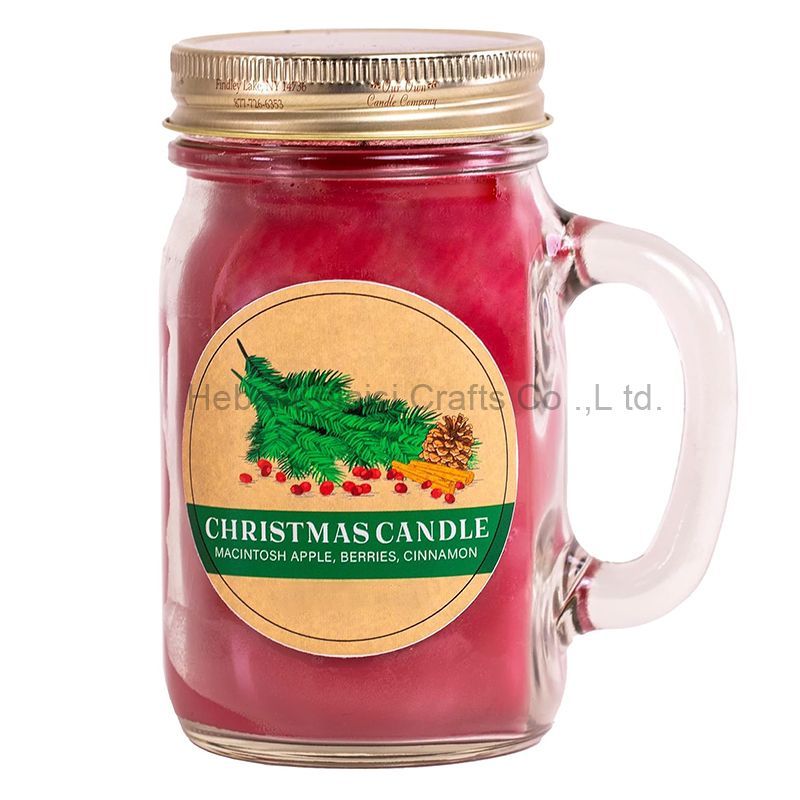 Custom Mini Glass Jar Scented Candle
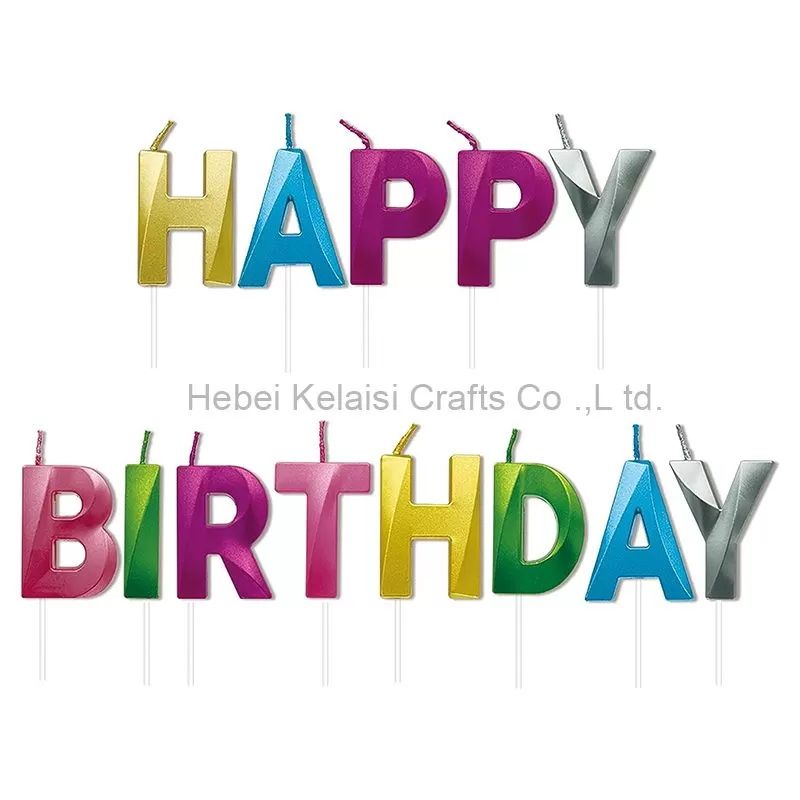 3D Letter Happy Birthday Candles
 Decorative Birthday Candles
 St. Patrick's Day Decorations Set
 Christmas Party Balloons Supplies