Sep. 18, 2026
September 17 is Constitution Day.
On this date in 1787, delegates to the Constitutional Convention in Philadelphia signed the document that would become the foundation of the United States government. Under federal law enacted in 2004, educational institutions receiving federal funding are required to hold an educational program about the U.S. Constitution on or around September 17. The day also recognizes people who have become U.S. citizens, including through naturalization.
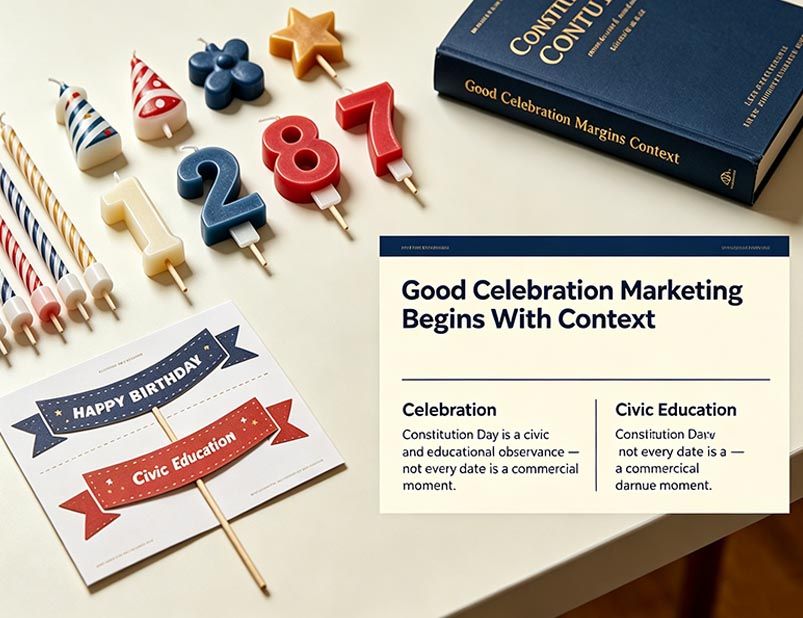
It is a civic and educational observance, rather than a federal or major commercial holiday.
For brands, this distinction matters. Constitution Day sits in an awkward middle ground in the marketing calendar. It is civic, which tempts some brands to treat it like a patriotic sales moment. It is educational, which tempts others to produce content about “freedom” and “democracy” that has little to do with the actual Constitution.
Understanding what kind of day Constitution Day actually is—and what kind it is not—is the first step in deciding whether a brand should participate at all.
The U.S. calendar contains several civic and patriotic dates, but they serve different purposes.
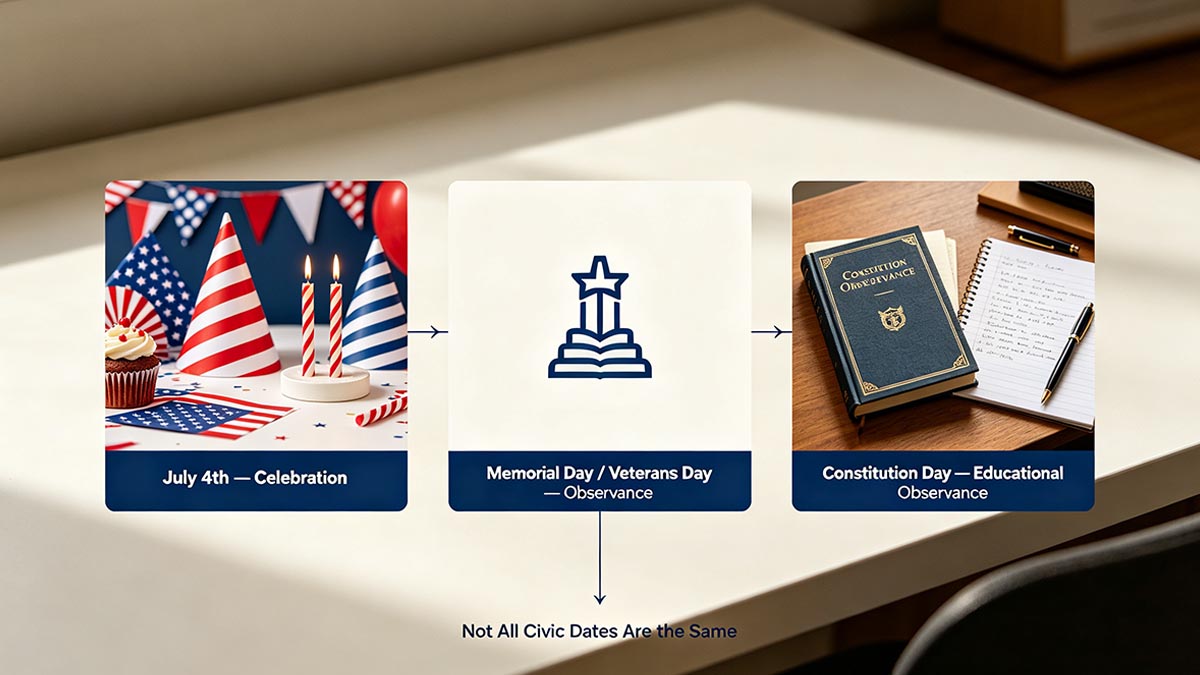
July 4th is a celebration. Fireworks, barbecues, parades, parties. Commercial participation is expected. Brands sell red-white-and-blue products, run promotions, and host events. This is a day where the party supplies industry has a natural role.
Memorial Day and Veterans Day are observances. They honor military service and sacrifice. Commercial participation is generally inappropriate or requires careful restraint.
Constitution Day is an educational observance. It marks the signing of a document. Its primary public role is civic and educational rather than commercial. Much of the formal activity is centered on civic education, particularly in educational institutions.
The distinction matters because brands often treat all civic dates as interchangeable. They are not. A promotion designed for July 4th may be inappropriate for Memorial Day and may have little natural relevance to Constitution Day.
Constitution Day presents a specific set of challenges for brands.
It has a much less established commercial tradition than major holidays such as July 4. There is no widely established food, decoration, gift-giving, or party tradition associated with the date. A brand cannot rely on established consumer behavior because there is very little of it. This means any commercial participation has to be created from scratch—and that creation risks looking opportunistic.
It is politically adjacent. The Constitution is a legal and political document. Discussions about it can easily drift into partisan territory. A brand that takes a position on constitutional interpretation—even accidentally—risks alienating part of its audience. For many brands, this makes a neutral and educational approach more appropriate.
It is not a federal holiday. Constitution Day does not have the same nationwide retail role as major commercial occasions. The federal requirement for educational programming on September 17 applies to schools receiving federal funds. It does not create a commercial moment in the way that a federal holiday or a major retail occasion does.
For many brands, September 17 also falls within the broader back-to-school retail period, which can make the marketing calendar particularly crowded. Brands that try to layer Constitution Day messaging on top of back-to-school promotions often end up with a confused message.
For brands that choose to engage with Constitution Day, an educational approach is generally more consistent with the purpose of the observance than a celebratory or promotional one.
This means avoiding product promotion, sales messaging, and any attempt to link commercial offers to the day. It means focusing on the document itself: its history, its principles, its role in American civic life.
For companies in the celebration industry, there is a useful discipline in this.
Not every occasion calls for a product. Not every date on the calendar is a commercial moment.
The party supplies industry exists to serve celebrations. That does not mean every day of the year is a celebration. The brands that understand this distinction—that know when celebration is appropriate and when it is not—are the ones that maintain credibility with the audiences they serve.
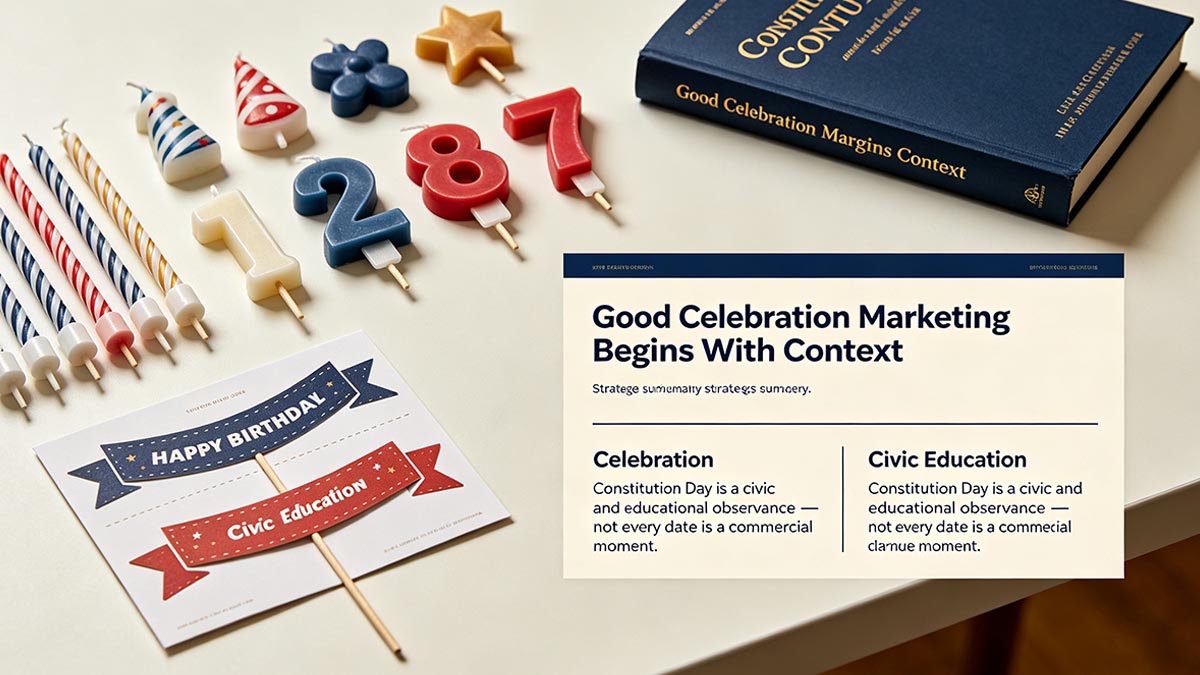
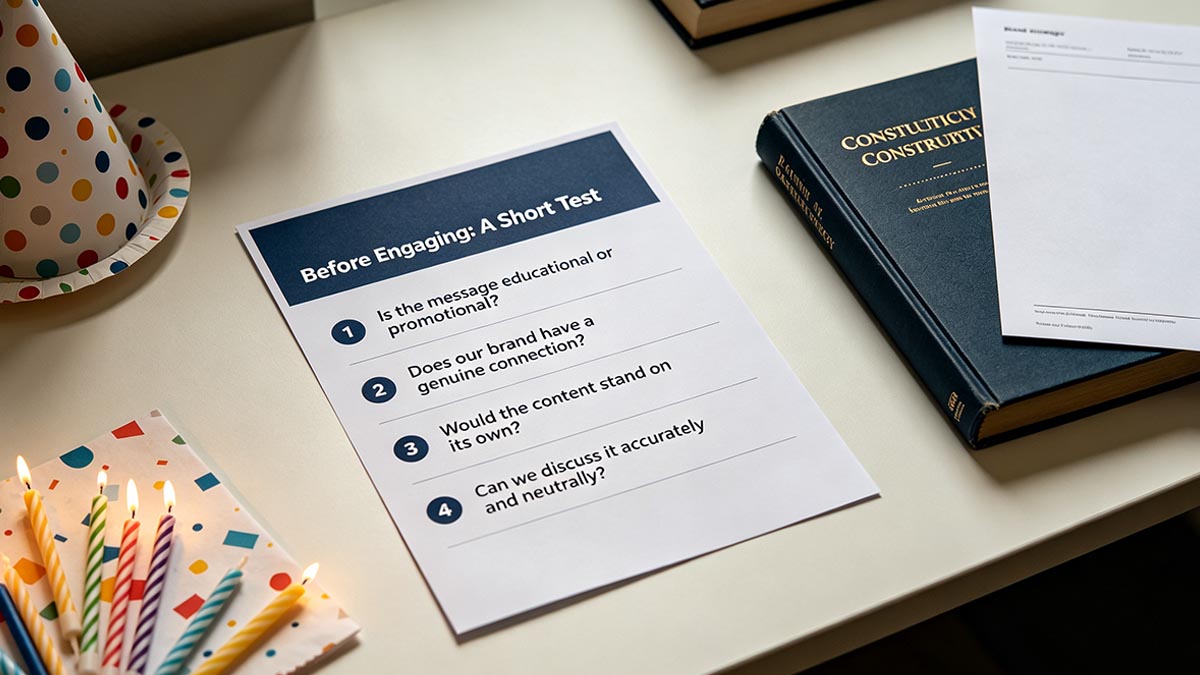
Before publishing anything related to Constitution Day, brands can apply a short test:
1. Does our brand have a genuine connection to the Constitution or civic education? If not, participation may be unnecessary.
2. Is the message educational or promotional? If any part of the content exists to promote a product or a sale, the approach is likely inappropriate.
3. Would the message stand on its own without our brand attached? If the content would be meaningless without the brand’s logo, it is probably not serving the day.
4. Can we discuss the subject accurately and neutrally? The Constitution is a legal and civic document. If the brand is not prepared to handle that complexity without taking a political position, silence may be the better choice.
For party supplies companies, Constitution Day offers a useful reminder: not every date on the calendar is a celebration.
The industry’s products are designed for joy, gathering, and festivity. Those products serve specific occasions—birthdays, weddings, holidays, milestones. Constitution Day is not one of them. Attempting to force a commercial connection can make the brand appear disconnected from the purpose of the observance.
The larger lesson is about judgment. The celebration industry succeeds by understanding occasions. That means understanding which occasions are commercial, which are personal, which are civic, and which are solemn. Constitution Day is a civic and educational observance.
Good celebration marketing begins with understanding what an occasion is for—not simply finding another date to attach a product to.
Kelaisi Candle has manufactured candles and party supplies since 1991, with facilities in Xingtai and Shijiazhuang, Hebei. We support international buyers with social-compliance, product-testing, and quality documentation covering requirements such as BSCI, SEDEX, CE, RoHS, EN71, and ASTM F963, where applicable.
 Big size decorative scented candle
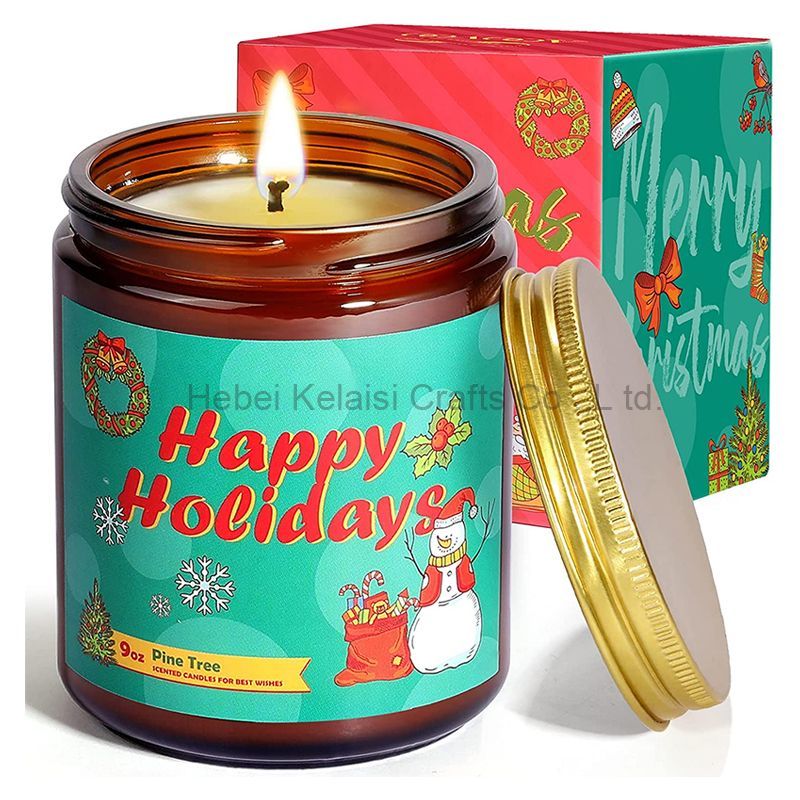 Christmas Scented Candles Gifts Sets for Women
 happy birthday long thin glitter cake candles
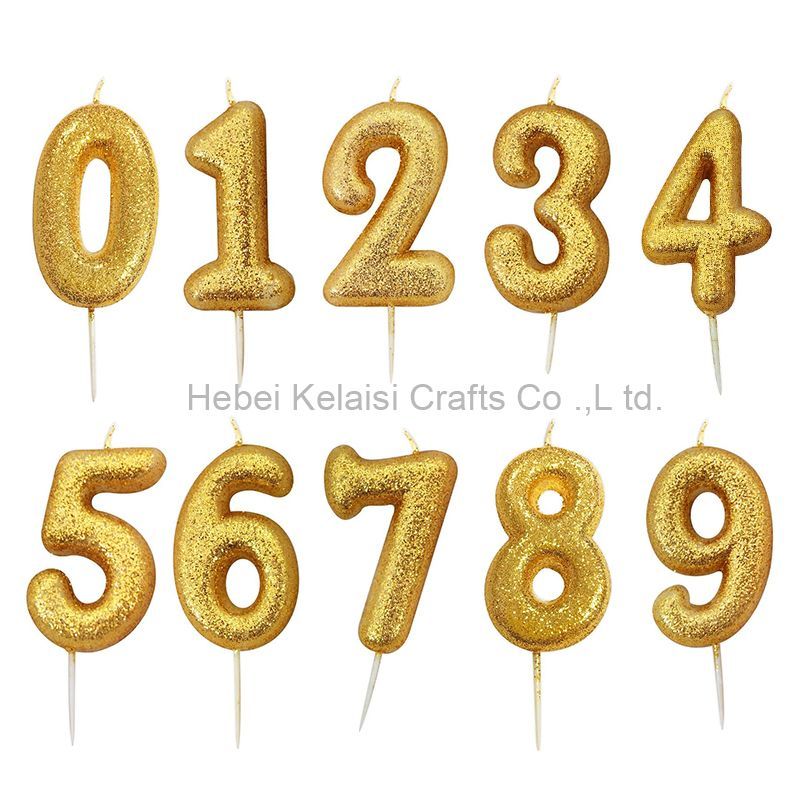 Luxury Golden Birthday Number Candle Sets
 Fancy cake decoration number annual birthday candle
 Gradient color Soy Wax Glass Jar Scented Candle
 Origami Style Vertical Pattern Wine Glasses Jar Candles
 Custom Mini Glass Jar Scented Candle
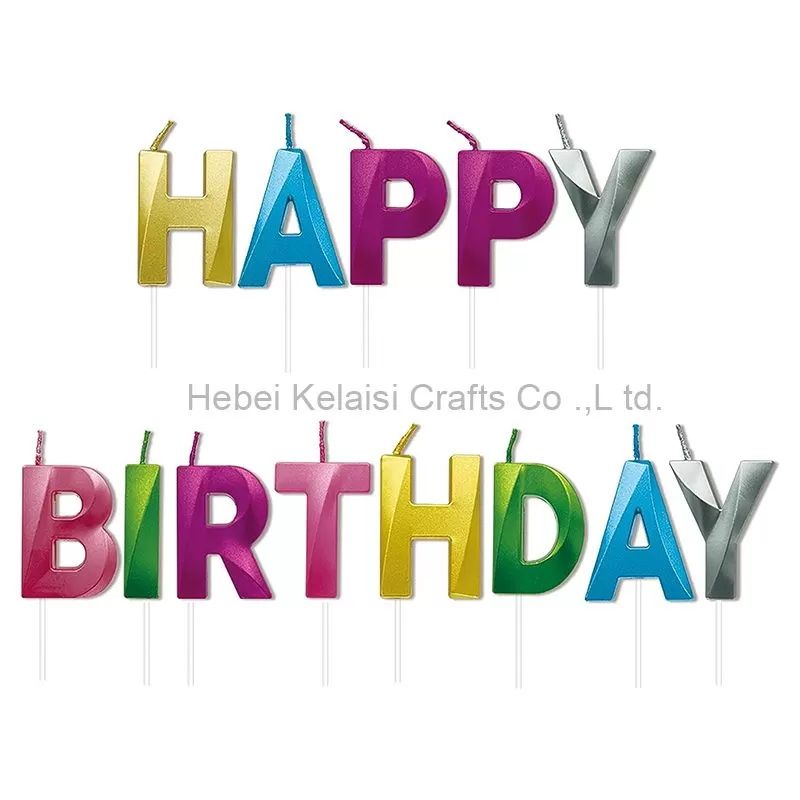 3D Letter Happy Birthday Candles
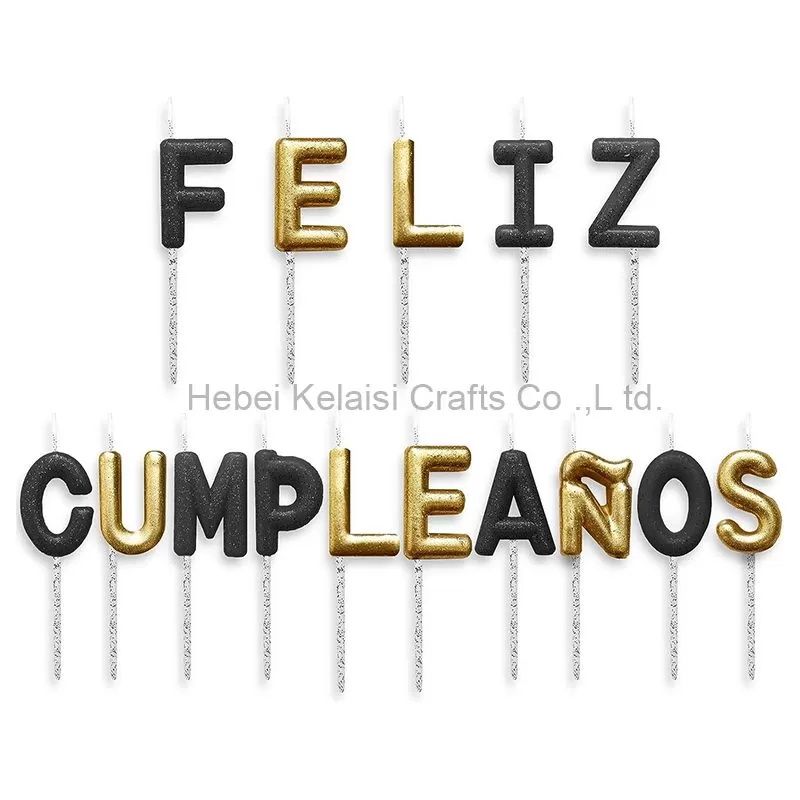 Decorative Birthday Candles
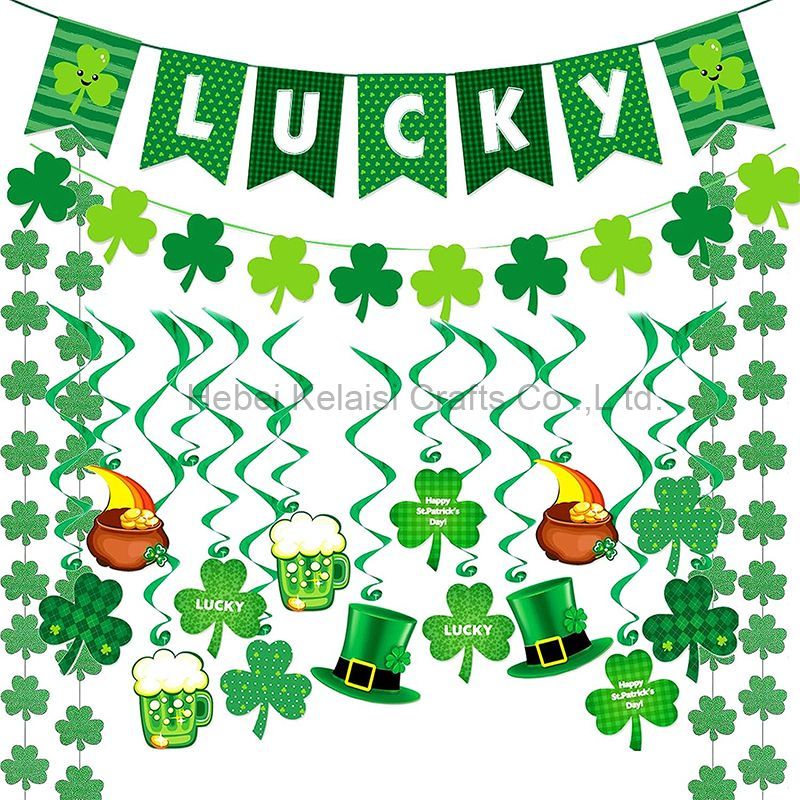 St. Patrick's Day Decorations Set
 Christmas Party Balloons Supplies